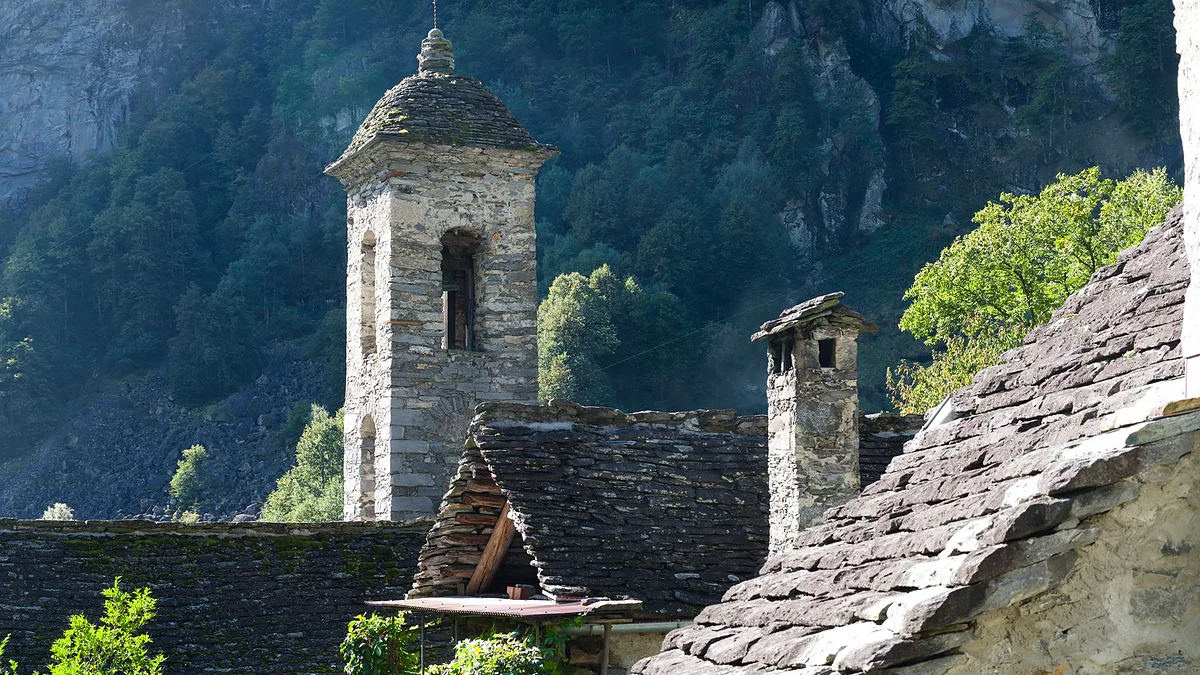

Val d'Anniviers runs south from Sierre and climbs fast: vineyard terraces, then larch forest, then six villages stacked between 1,300 and 1,930 metres. Almost every one of them kept its original timber core, granaries balanced on stone discs, chalets blackened by three centuries of sun, communal bread ovens that were still being fired in living memory.
This is not a heritage theme park. Nothing is fenced off, there are no audio guides, and the building in front of you is usually still doing its job: storing hay, curing meat, housing the village bakery.
What follows is the practical version: the museums, workshops and old quarters actually worth your hours, with prices, bus routes and the bits you can safely skip.
Unlimited High-Speed International Travel eSIM
Connect in seconds across 180+ destinations. Instant QR code activation with zero roaming surcharges.

Val d'Anniviers at a Glance
- Best time to visit: mid-June to mid-October, when museums and dairies are open. Late September is quietest. Most small sites shut from mid-October to mid-December.
- Daily budget: CHF 110–180 (~$125–205 USD) per person, mid-range, covering bus, one museum, lunch and a lift ticket.
- Getting around: CarPostal buses from Sierre station, with Vissoie as the change-over hub. Village cores are best on foot.
- Vibe: working alpine villages, early dinners, church bells, and almost nobody around before 10am.
Grimentz Old Village: Larch Chalets and the Old Bread Oven
Grimentz is the postcard, and it earns it. The old quarter above the parish church is a tight knot of 16th- to 18th-century chalets built from larch that has weathered to a near-black brown, balconies loaded with geraniums in July and skis in January.
Walk it slowly and the details show up: carved beams, low cellar doors, and granaries lifted on stone discs so mice couldn't climb inside. The communal oven and the old mill are usually visible from outside even when the buildings are locked.
- Where: old village above the Grimentz church, 1,570 m
- Cost: free to wander; heritage trail leaflet CHF 3 (~$3.40) at the tourist office
- Best time: 8–10am, before day-trippers arrive and while the bakery is still warm
- Getting there: CarPostal from Vissoie, 20 minutes, roughly hourly in summer
Insider tip: Most people photograph the square by the fountain and leave. Walk two lanes uphill instead, where the chalets step down toward the valley — that's the shot. Also, the village shop shuts 12:00–14:00, so buy water before noon.
Musée d'Anniviers: The Valley's Attic
Halfway up Grimentz, this small museum fills a former bourgeois house with the valley's stored-away life: butter churns, lace, schoolbooks, the tools used to split larch shingles, and photographs of the decades when every family had someone up on the high alpages.
It takes about 45 minutes if you read everything, and labels are French and German with a thin English handout at the desk. Small as it is, it's the clearest explanation of why these villages look the way they do.
- Where: Grimentz village centre, signposted from the church square
- Cost: around CHF 6 (~$7) for adults, free under 16
- Best time: afternoons, roughly Wednesday to Sunday in season
- Getting there: five minutes on foot from the Grimentz bus stop
Insider tip: Ask the volunteer on duty about the shingle-making tools. Most visitors walk straight past them, and it's the best five-minute lesson in Valais roofing you'll get. Hours are short and seasonal, so confirm with the Vissoie tourist office before building a day around it.
Zinal: Raccards, Granaries and Working Dairies
Zinal sits at the end of the road at 1,670 m under the Zinalrothorn, and it kept a set of raccards, the timber granaries on stilts topped with flat stone discs, that are the most photogenic vernacular architecture in the valley.
The living heritage here is dairy. Herds come down from the high alpages in September, and the village dairy works with milk from cows grazing above 2,000 m through the summer. If your timing lines up, you can watch a wheel being pressed.
- Where: Zinal village and the lane running toward the campsite
- Cost: free for the village; a cheese-making visit runs CHF 10–15 (~$11–17) and needs booking
- Best time: late June to mid-September, mornings for dairy work
- Getting there: CarPostal from Vissoie, about 25 minutes
Insider tip: Don't expect an English-language factory tour, because you won't find one. Ask at the Zinal tourist office which dairies are receiving visitors that week — the list follows the grazing calendar, and some farms open their doors for 30 minutes with no signage at all.
Chandolin: Granaries at 1,930 Metres
Chandolin is often billed as the highest village in Switzerland that's inhabited year-round, and it feels it: a few streets, plenty of wind, and timber buildings that have been patched rather than restored.
For heritage hunters the draw is the cluster of old granaries and the small chapel, plus the way the layout shows how high-altitude farming actually worked, with hay lofts above the animals and stone roofs weighted down with rocks.
- Where: Chandolin village, above Saint-Luc
- Cost: free
- Best time: clear mornings, June to October
- Getting there: CarPostal from Vissoie via Saint-Luc; timetable is thin, so check the return bus first
Insider tip: Give Chandolin 90 minutes, not a day. Pair it with Saint-Luc — there's a walking trail between the two and a limited bus link — and you get two very different villages in one afternoon.
Vercorin's Bisses: Walking the Old Irrigation Channels
Vercorin hangs at 1,330 m above the Rhône, and the water channels that feed its meadows — bisses, or Suonen in German — are the most underrated heritage in the area. Some of these hand-dug channels have been carrying snowmelt along the contour lines since the 14th century.
Walking one is the closest thing to time travel here: a narrow earth path, a stream of water beside your boot, and a drop on the other side. The Vercorin tourist office keeps a route map showing the currently maintained sections.
- Where: slopes above Vercorin village
- Cost: free; route map around CHF 5 (~$6)
- Best time: June to October, morning light
- Getting there: train to Sierre, bus to Chalais, then the Chalais–Vercorin cable car (about five minutes)
Insider tip: These are working channels, not maintained footpaths, and some sections are genuinely exposed. Wear real shoes, keep hold of small children, and turn back rather than squeeze past someone on a narrow ledge.
Artisan Workshops: Cheese, Honey, Wood and Stone
Here's the honest truth about traditional workshops in Val d'Anniviers: they exist, but they're tiny, seasonal and mostly by appointment. You won't find a craft village — you'll find a potter's studio, a honey producer, a wood-carver and a couple of dairies, each open a few half-days a week.
The reliable way in is the weekly artisan schedule published by the Anniviers tourist offices in Vissoie, Grimentz, Zinal and Saint-Luc. It lists who is demonstrating what, and it changes every season.
- Where: scattered across Vissoie, Ayer, Grimentz and Saint-Luc
- Cost: free to about CHF 20 (~$23) for a demonstration or short workshop
- Best time: July and August, plus the Christmas market weeks
- Getting there: CarPostal between villages, then a short walk from each stop
Insider tip: Phone a day ahead, in French or German, before travelling to any studio — turning up unannounced usually means a locked door. If you want something genuinely local, buy larch honey, sérac cheese or woodwork signed by the maker; the generic souvenirs in Grimentz are imported.
Château de Villa, Sierre: Wine Heritage Before the Valley
Stop in Sierre on the way in or out. The Château de Villa holds the cantonal wine museum, and it's the best 40 minutes you can spend understanding why the Valais grows dozens of grape varieties on terraces directly below these mountains.
Downstairs is a wine bar and restaurant where you can taste the difference between a Petite Arvine and an Amigne before heading up the valley. Sierre claims the most sunshine hours in Switzerland, and the vineyards are the evidence.
- Where: Rue Sainte-Catherine 4, Sierre
- Cost: museum around CHF 8–12 (~$9–14); tastings from CHF 15 (~$17)
- Best time: late morning, or 17:00 for a glass before the last bus up
- Getting there: eight minutes on foot from Sierre/Siders station
Insider tip: Check museum opening days before you travel — it closes on some weekdays in low season, while the wine bar keeps longer hours. The two aren't always open together.
Where to Eat and Drink Nearby
Hôtel de la Poste, Grimentz
This dining room has been feeding skiers and haymakers for generations, and the menu is unapologetically Valaisan: fondue, raclette, and a very good assiette valaisanne of dried beef, raw ham and tomme.
Expect CHF 28–34 (~$32–38) for a main and around CHF 25 (~$28) for fondue. Village kitchens shut between 14:00 and 18:00; hotel restaurants like this one usually bridge the gap, but phone ahead out of season.
Hôtel Bella Tola, Saint-Luc
A grand 1850s house that has been a hotel since travellers first came to the valley for the air. The dining room is slightly formal, the terrace faces straight across the valley, and afternoon tea is a local ritual.
Mains run CHF 38–48 (~$43–54); tea and cake is about CHF 14 (~$16). It's the splurge on this list, and worth it once for the room as much as the food.
Château de Villa, Sierre
Down in the valley, this is where Valaisans go to drink. The list runs to hundreds of local bottles, many by the glass, and the kitchen keeps it simple with dried meat, cheese and lake fish.
Platters CHF 22–30 (~$25–34), a glass of wine CHF 6–9 (~$7–10). Book for Friday and Saturday evenings.
Practical Logistics and Budget Tips
Buses, passes and getting up the mountain
Everything starts at Sierre/Siders station. CarPostal buses reach Vissoie in about 35 minutes and then split for Grimentz, Zinal, Ayer, Chandolin and Saint-Luc. In summer they run roughly hourly; in shoulder season, two or three times a day.
The Swiss Travel Pass and Half-Fare Card cover the PostBus routes, which is the single biggest saving on this trip. A Sierre–Vissoie single costs around CHF 12 (~$14), and a valley day pass is about CHF 24 (~$27), paying for itself after two rides.
What things actually cost
| Item | CHF | Approx. USD |
|---|---|---|
| Coffee in a village café | 4.50–5.50 | $5–6 |
| Museum entry | 6–12 | $7–14 |
| Fondue for one | 25–32 | $28–36 |
| Bus between villages | 8–12 | $9–14 |
| Return lift ticket, one mountain | 32–45 | $36–51 |
| Mid-range double room, summer | 140–190 | $158–215 |
What to skip, and what will surprise you
- Driving into Grimentz or Zinal in July and August. Parking is limited and costs CHF 12–16 (~$14–18) a day. Take the bus.
- Lifts, if you only came for the villages. The view from Sorebois is spectacular, but the heritage sits at valley level and costs nothing.
- Expecting a full craft trail. One or two studios, not a street of them. Call ahead or you'll find locked doors.
- November. Many hotels, museums and restaurants close between mid-October and mid-December. It's beautiful and completely dead.
- Lunch after 14:00. Kitchens close. Eat earlier or settle for a bakery sandwich.
Frequently Asked Questions
Are there real artisan workshops in Val d'Anniviers?
Yes, but they're small and seasonal: a handful of dairies, a honey producer, a potter and woodworkers, mostly open by appointment in July and August. Ask the tourist office in Vissoie or Grimentz for the current weekly list, and phone a day ahead.
How do you reach Val d'Anniviers without a car?
Take the train to Sierre/Siders, then a CarPostal bus to Vissoie and change for Grimentz, Zinal, Saint-Luc or Chandolin. Buses run roughly hourly in summer and are covered by the Swiss Travel Pass or Half-Fare Card.
What is the best month for heritage sites and old villages?
Late June to early October, with September the sweet spot: everything is open, the light is good and the villages are quiet. Avoid November, when a lot of places shut down between seasons.
Is the Musée d'Anniviers worth visiting?
Yes, if you want the context behind the buildings — it takes about 45 minutes and costs around CHF 6 (~$7). Skip it if you only have an afternoon, and spend the time walking the old quarters of Grimentz and Zinal instead.