
Seoul is one of the few big cities where you can throw a pot in the morning and walk through a 600-year-old palace garden after lunch. The craft scene here isn't behind glass in a fancy gallery — it's in converted school buildings, market stalls and side-alley studios where the instructor hands you the tools and steps back.
Summer changes the plan a little. Late June through mid-July brings the jangma rains, and August regularly hits 33°C (91°F) with serious humidity. The smart move is to book indoor workshops for the 12pm–4pm furnace hours, then do palaces and hanok alleys before 10am or after 5pm.
Prices below are 2025 estimates, and I've flagged the places that waste your time as well as the ones worth the taxi ride.
Unlimited High-Speed International Travel eSIM
Connect in seconds across 180+ destinations. Instant QR code activation with zero roaming surcharges.

At-a-Glance Snapshot
- Best time to visit: Late May–June or September–October. If it's summer, book indoor studios midday and walk the palaces at 8am.
- Daily budget: ₩110,000–190,000 (~$80–$140 USD) per person, covering one paid workshop, one palace ticket, transit and three meals.
- Transport style: Subway plus walking. The Bukchon–Insa-dong–Changdeokgung cluster is all within a 20-minute walk.
- Vibe: Calm, hands-on and a bit sweaty. Weekdays are noticeably quieter than weekends, especially in Bukchon.
1. Seoul Museum of Craft Art (SeMoCA), Bukchon
This is the anchor of any craft trip, and it's free. SeMoCA occupies a cluster of converted school buildings in Wonseo-dong, one dating to the 1930s, with exposed brick, wide wooden staircases and galleries that stay genuinely cool in July.
The collection runs from lacquered wood and brassware to contemporary Korean ceramics, and there's a craft library and a rooftop most visitors miss entirely. Half the appeal is the building itself — you can feel the old classrooms in the corridors.
- Neighborhood: Wonseo-dong, Jongno-gu (north edge of Bukchon)
- Cost: Free. Special exhibitions sometimes charge ₩5,000 (~$4 USD)
- Best time: 10am opening on a weekday, before tour groups arrive
- Getting there: Anguk Station (Line 3), Exit 1, then a 10-minute uphill walk
Insider tip: The outdoor craft plaza and second-floor library are where locals actually sit. Skip the gift shop's mass-produced ceramics and save your won for the independent studios in Insa-dong.
2. Bukchon Traditional Crafts Experience Center
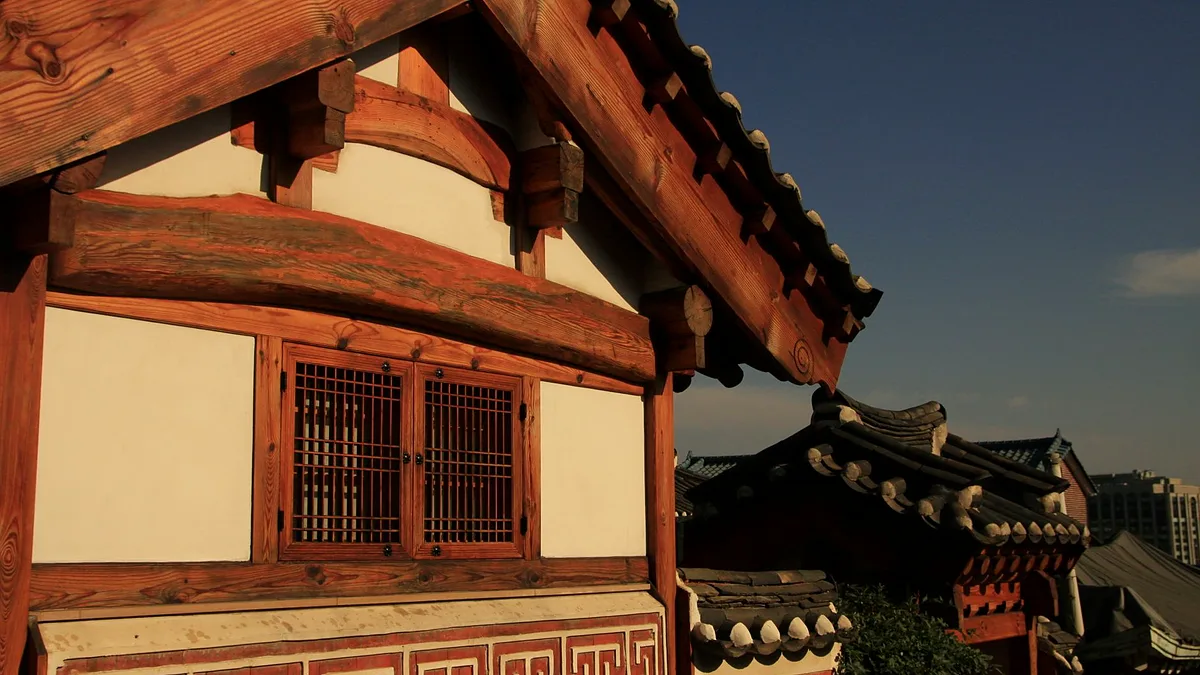
Tucked into the hanok lanes above Anguk, this small center runs short hands-on sessions in knotting (maedeup), natural dyeing and hanji paper folding. Sessions last about an hour and are led by working artisans rather than tour guides.
It's also the most sensible way to see Bukchon itself. You get the alley atmosphere without standing in the famous photo queue on Bukchon-ro 11-gil with forty other phones raised.
- Neighborhood: Bukchon, Jongno-gu (12 Bukchon-ro 5-gil)
- Cost: Free entry; most sessions ₩5,000–15,000 (~$4–$11 USD)
- Best time: Weekday mornings. Bukchon residents ask visitors to keep to roughly 10am–5pm and keep voices down
- Getting there: Anguk Station (Line 3), Exit 2, 8-minute walk
Insider tip: Weekend slots fill up, so reserve online a few days ahead. Then walk downhill via Bukchon-ro 11-gil to the tiny neighborhood museum — it's quieter and free.
3. Insa-dong: Hanji Paper, KCDF and Kimchi Making
Insa-dong is the obvious craft district, and yes, the main street is 60% souvenir shops. The good stuff is upstairs and in the side alleys: the KCDF gallery (Korea Craft and Design Foundation) mounts free, well-curated shows of contemporary Korean makers, and several hanji studios sell paper by the sheet and run 90-minute classes.
Two blocks away, Museum Kimchikan runs hands-on kimchi sessions that are far more useful than they sound — you leave knowing why your home batch went sour. Both sit comfortably in one afternoon.
- Neighborhood: Insa-dong, Jongno-gu
- Cost: KCDF free; hanji class around ₩30,000 (~$22 USD); Museum Kimchikan ₩5,000 entry (~$4 USD), classes from ₩30,000
- Best time: 10am–1pm weekdays, before the lunch crawl starts
- Getting there: Anguk Station (Line 3), Exit 6, or Jonggak Station (Line 1), Exit 5
Insider tip: Ssamziegil, the spiral craft building, is worth 15 minutes — but the second and third-floor stalls are cheaper than the ground floor for the same work. Museums here close Mondays, so don't build your whole day around them.
4. Changdeokgung and the Huwon Secret Garden
Changdeokgung is the most beautiful of Seoul's palaces, and the rear Huwon garden is the reason to come. It's a 78-acre wooded valley of pavilions and ponds laid out in the 17th century, entered only on a timed guided walk.
Book the first tour slot of the day if you can. By 11am in July the stone paths radiate heat and the tree cover stops helping.
- Neighborhood: Yulgok-ro, Jongno-gu (east of Anguk)
- Cost: Palace ₩3,000 (~$2 USD); Huwon tour +₩5,000 (~$4 USD); integrated palace ticket ₩10,000 (~$7 USD) covering five sites for three months
- Best time: 8am–10am. Closed Mondays
- Getting there: Anguk Station (Line 3), Exit 3, 5-minute walk to the main gate
Insider tip: Huwon tickets sell out days ahead in summer — reserve on the official palace site or Ticketlink. Buy the ₩10,000 integrated ticket if you're visiting more than two palaces; it pays for itself immediately.
5. Namsangol Hanok Village
Five restored hanoks were moved here from across the city in the 1990s, so this is a reconstruction, not an ancient site — and it's free, central and rarely crowded. Weekend afternoons bring free craft demonstrations: paper lanterns, knots, traditional tea.
It's the easiest place in Seoul to see the inside of a hanok without paying a café bill. Come for the craft demos, stay for the shaded pavilion and the view up to Namsan Tower.
- Neighborhood: Pil-dong, Jung-gu, at the foot of Namsan
- Cost: Free; some craft sessions ₩3,000–8,000 (~$2–$6 USD)
- Best time: 4pm–7pm, when the light softens. Closed Tuesdays
- Getting there: Chungmuro Station (Lines 3 and 4), Exit 3 or 4, 5-minute walk
Insider tip: Look for the time capsule buried in the central yard in 1994 — it's scheduled to be opened in 2394. Most visitors walk straight past it.
6. Jogyesa Templestay, Jongno
Jogyesa is the headquarters of Korean Buddhism and sits right in the city center, which makes its overnight templestay program unusually convenient. You get 4am chanting, a formal vegetarian meal, 108 bows and a tea ceremony with a monk — no mountain hike required.
If a full night sounds like too much in the summer heat, the daytime versions cover tea ceremony and lantern making in about two hours, indoors and air-conditioned.
- Neighborhood: Gyeonji-dong, Jongno-gu
- Cost: Overnight programs from roughly ₩80,000 (~$60 USD); daytime sessions ₩30,000–50,000 (~$22–$37 USD)
- Best time: Weeknights, when groups are smaller
- Getting there: Anguk Station (Line 3), Exit 6, 5-minute walk
Insider tip: Book directly through the official templestay site, not a reseller. Wear loose trousers — you'll be sitting on the floor for long stretches.
Where to Eat and Drink Nearby
Tosokchon — ginseng chicken soup
A Seoul institution near Gyeongbokgung serving samgyetang in black stone bowls, stuffed with glutinous rice, ginseng and jujube. It's the right meal after a morning of walking palaces, even in August. Expect ₩20,000 (~$15 USD) per bowl and a queue at peak lunch — arrive at 10:30am or after 2:30pm. Jahamun-ro 5-gil, Jongno-gu; Gyeongbokgung Station (Line 3), Exit 2.
Tongin Market's lunchbox café — Seochon
Buy ₩6,000 (~$4.50 USD) in brass coins, grab a tray, and fill it from about 30 market stalls — tiny omelets, braised tofu, kimchi, sweet pancakes. It's the best-value lunch in the palace district. Coins are sold until roughly 3pm; the market winds down early, so don't leave it late.
Café Onion Anguk — Bukchon
A hanok café with the old wooden beams and courtyard intact, five minutes from Anguk Station. Coffee runs ₩6,500 (~$5 USD) and the pastries are better than they need to be. Go before 10am to get a courtyard seat; by midday it's a queue.
Practical Logistics and Budget Tips
Get a T-money card at any convenience store and load it as you go — single subway fares run ₩1,400–1,500 (~$1.05–$1.15 USD). If you're riding the subway four or more times a day, the short-term Climate Card tourist pass (from about ₩5,000 for one day) usually beats pay-as-you-go.
Distances in the craft cluster are small. Anguk to Insa-dong is a 10-minute walk; Insa-dong to Changdeokgung is another 10. Taxis are cheap by Western standards but crawl in afternoon traffic, so walking is often faster.
| Item | Typical cost |
|---|---|
| Craft workshop (90 min) | ₩25,000–40,000 (~$19–$30 USD) |
| Palace + Huwon garden | ₩8,000 (~$6 USD) |
| Museum entry (most) | Free–₩5,000 (~$4 USD) |
| Lunch at a market or gukbap spot | ₩8,000–15,000 (~$6–$11 USD) |
| Subway ride | ₩1,400–1,500 (~$1.10 USD) |
Money-savers: Palace admission is free on the last Wednesday of each month (Culture Day), and free every day if you wear hanbok — worth it only if you actually want the photos. SeMoCA, Namsangol and the KCDF gallery cost nothing at all.
What to skip: The hanbok rental strip outside Gyeongbokgung in July — layers of polyester in 33°C heat is a miserable afternoon. Also skip Insa-dong's so-called antique shops; most stock is mass-produced. And don't plan a Monday around palaces or the big museums, because almost everything closes.
Frequently Asked Questions
Do I need to book Seoul craft workshops in advance?
For weekday sessions, walk-ins usually work. Weekend classes and anything involving a specific artisan should be reserved three to seven days ahead, and Huwon garden tours sell out even faster in summer.
Which heritage sites in Seoul are free?
Namsangol Hanok Village, the Seoul Museum of Craft Art and the KCDF gallery are free year-round. All the main palaces are also free on the last Wednesday of the month, and free daily if you arrive in hanbok.
Is Bukchon Hanok Village worth visiting in summer?
Yes, but go before 10am and stay off the busiest stretch on Bukchon-ro 11-gil. It's a residential neighborhood, so keep your voice down and don't photograph inside doorways — signs and stewards enforce this.
What is the best way to get between Seoul's craft neighborhoods?
Walk the Bukchon–Insa-dong–Changdeokgung triangle, which takes about 20 minutes end to end. Use the subway for anything further south, like Namsangol — Chungmuro Station puts you at the gate in five minutes.