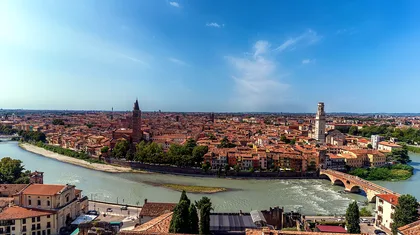

Valencia gets sold as a beach and a plate of rice. Walk twenty minutes inland from the Turia gardens, though, and you meet a city that still makes things: silk money built its trading halls, clay built its churches, and the workshop tradition that produces the Fallas figures every March never really stopped.
This guide sticks to that side of the city — the guild halls, kiln towns, and working studios you can actually get into. Opening hours, real prices, and a few honest warnings about what isn't worth your afternoon.
- Best time to visit: Late April–June and September–October for comfortable walking. March is Fallas season — unmatched for craft, but hotel prices triple.
- Typical daily budget: €70–130 / ~$75–140 per person, not counting your hotel.
- Local transport style: Metrovalencia for anything outside the center, feet for everything inside it. The old town is flat and dense.
- Vibe: Slow mornings, long market lunches, and workshops you can usually book a day ahead.
La Lonja de la Seda: The Hall That Silk Paid For
Valencia's silk guilds got wealthy enough in the 1400s to commission a trading hall that looks like a small cathedral, and La Lonja is what they built. The main Salón Columnario has twisted stone columns rising into a vaulted ceiling like palm trunks — this is where silk contracts were signed and merchants argued over weights and measures.
Unlimited High-Speed International Travel eSIM
Connect in seconds across 180+ destinations. Instant QR code activation with zero roaming surcharges.

What makes it worth an hour rather than a photo is the detail: the gargoyles are rude, the gold-painted ceiling in the Consulate room is medieval bling at its finest, and the orange-tree courtyard is a genuinely quiet place to sit in a city that doesn't offer many. Go at opening time and you'll have the columns almost to yourself.
- Neighborhood: Ciutat Vella, next to the Mercado Central on Carrer de la Llotja.
- Cost: €2 / ~$2.20. Free on Sundays and public holidays.
- Best time: 9:30–11:00 on a weekday, before tour groups arrive around midday.
- Getting there: 6-minute walk from Plaça de la Reina; metro L1/L2 to Colón then 12 minutes on foot.
Insider tip: The ticket desk is inside the courtyard on the left, not at the street door. People queue at the wrong spot constantly — walk past them.
Museu de la Seda: The Guild That Ran the City
This one gets missed because it sits on a plain street behind the cathedral, but the Col·legi de l'Art Major de la Seda is where the story behind La Lonja actually lives. It's a restored guild house with looms, silk vestments, pattern books, and a working workshop where you can watch the weaving process explained step by step.
Small, well-labelled in English and Spanish, and quiet enough that you can ask the staff questions. Budget 45 minutes. If you only do one craft interior in Valencia, do this one — it connects the architecture you just saw to the trade that paid for it.
- Neighborhood: Ciutat Vella, Carrer de l'Hospital 7, near Plaça del Pilar.
- Cost: Around €6 / ~$6.50. Discounts for students and over-65s.
- Best time: Tuesday to Saturday, 10:00–13:00.
- Getting there: 4-minute walk from the Cathedral's main door; closed Mondays.
Insider tip: Ask at reception whether the loom demonstration is running that day — it isn't always, and it's the best part.
Mercado Central: Craft You Can Eat
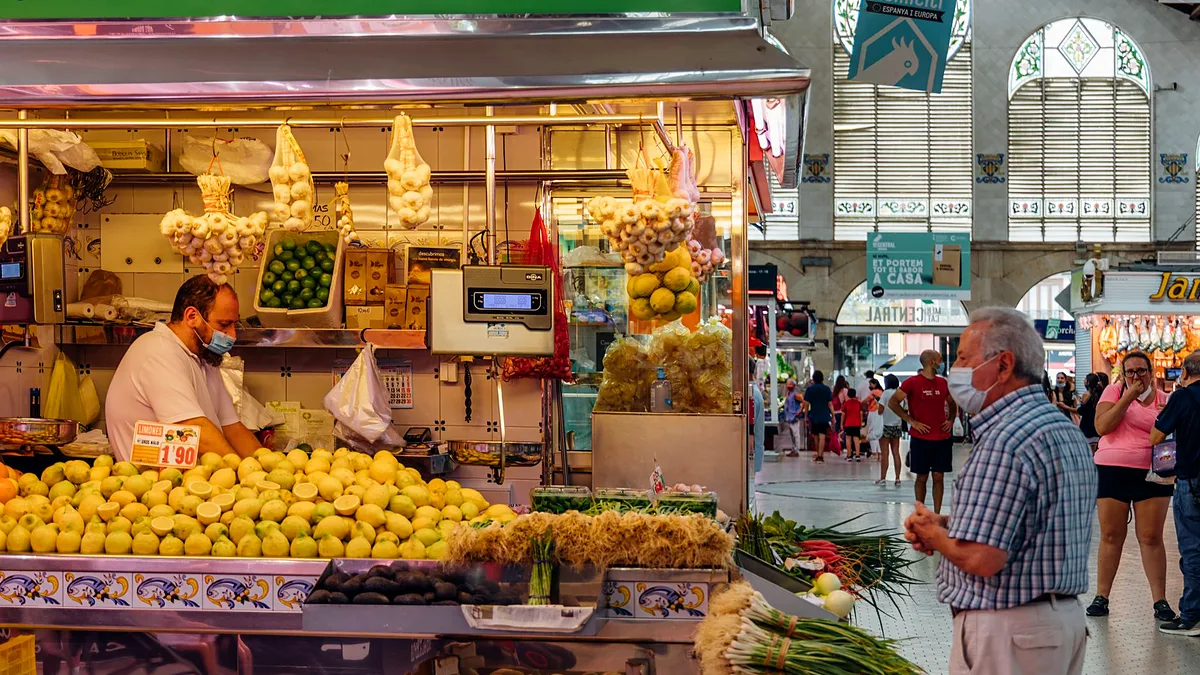
The Mercado Central is a 1928 iron-and-glass market with a ceramic-tiled dome, and it's still a working market rather than a food hall. Fishmongers, olive stalls, and a couple of counter bars run by serious chefs fill the floor each morning, and the building itself is one of the best pieces of Modernisme in Spain.
Come hungry and uninstructed: buy a bag of local oranges, a wedge of aged Manchego, and a tin of clams, then eat standing up like everyone else. It's also the cheapest way to understand Valencian produce before you commit to a restaurant paella.
- Neighborhood: Ciutat Vella, Plaça del Mercat, opposite La Lonja.
- Cost: Free to enter. Expect €10–15 / ~$11–16 for a grazing lunch.
- Best time: 9:00–11:30 on Tuesday, Wednesday or Thursday. Saturdays are shoulder-to-shoulder.
- Getting there: Walk from Plaça de l'Ajuntament in 8 minutes.
Insider tip: It closes at 15:00 and stays shut on Sundays — a mistake that ruins a lot of Monday-morning itineraries. Go before lunch, not after.
Museo Nacional de Cerámica: A Palace Full of Pots
The Marqués de Dos Aguas palace looks like someone iced a building. The alabaster doorway alone is worth the trip, and inside you get a full run through Spanish ceramics — medieval green-and-goldware, tiled kitchens, and the room-sized porcelain collection upstairs.
It's the most underrated €3 in Valencia. Locals walk past it daily without going in, which means the rooms are usually calm even in August.
- Neighborhood: Carrer del Poeta Querol 2, between the center and Colón.
- Cost: €3 / ~$3.20. Free Saturday afternoons and Sundays.
- Best time: Saturday after 16:00 for free entry, or a quiet Tuesday morning.
- Getting there: Metro L3/L5/L9 to Colón, then 5 minutes on foot.
Insider tip: The kitchen tiled in blue-and-white on the ground floor is the detail most people photograph and then forget the name of. It's socarrat work — ask a guard and they'll usually explain it.
Manises by Metro: The Kiln Town That Still Throws Pots
Twenty-five minutes on the metro from the center, Manises has been firing ceramics since the 1300s and still has the brick chimney stacks to prove it. The Museu de la Ceràmica sits in the old station building and traces the town's export trade across the Mediterranean, but the real reason to come is the workshops on and around Carrer de Sant Antoni.
Several family studios sell direct from the kiln and run two- to three-hour throwing or painting sessions if you book ahead. Prices are half what you'd pay in the city center and you're working next to people who've done it their whole lives.
- Neighborhood: Manises, about 8 km west of Valencia center.
- Cost: Museum around €2 / ~$2.20. Workshops €35–60 / ~$38–65 per person.
- Best time: Weekday mornings, when studios are quiet and shops are open.
- Getting there: Metrovalencia L3 or L5 to Manises; roughly €1.50–2.10 / ~$2.
Insider tip: Carry cash. Several workshops don't take cards and the nearest ATM is a ten-minute walk from the ceramics street.
Ciutat de l'Artista Faller: Where the Giants Are Built
Every March, Valencia burns hundreds of enormous painted figures. The rest of the year, they're designed and built in a warehouse district in Benicalap, and the guild's museum there lets you see the process: wire armatures, papier-mâché skin, then the painting.
It's a strange, brilliant place — part workshop, part sculpture hall, with finished Fallas figures standing around like oversize characters waiting for a bus. If you're in town February to mid-March, the workshops are in full chaos and far more interesting than the museum displays.
- Neighborhood: Benicalap, north of the old town.
- Cost: Free to low-cost entry; call ahead as hours shift with the season.
- Best time: February and early March for peak activity; weekday mornings otherwise.
- Getting there: Metro L1/L2 to Campanar then a 15-minute walk, or bus 28 from the center.
Insider tip: Don't turn up unannounced during the last two weeks before Fallas. Ring first — they're on deadline and the gates are often shut to visitors.
Torres de Serranos and the Water Court: A Heritage Loop
Climb the Serranos gate for the best free-ish view of the old town, then walk 15 minutes to the Cathedral's Apostles' door. Every Thursday at exactly noon, the Tribunal de las Aguas convenes on the plaza steps to settle irrigation disputes between the huerta's water communities — orally, in Valencian, in under ten minutes.
It's been running for something like a thousand years and it's recognised by UNESCO as intangible heritage. Nobody performs for tourists; it's a real court, and that's exactly why it's worth standing in the back for.
- Neighborhood: Serranos on the north edge of Ciutat Vella; the court at Plaça de la Verge.
- Cost: Torres €2 / ~$2.20. The Tribunal is free.
- Best time: Thursday, arrive by 11:45 to get a spot on the steps.
- Getting there: Both are walkable from Plaça de la Virgen; tram 4 stops near Serranos.
Insider tip: Also visit the Almoina archaeological centre behind the Cathedral (€2) on the same afternoon — Roman foundations under glass, and almost always empty.
Where to Eat and Drink Nearby
Casa Montaña (Carrer Josep Benlliure 69, El Cabanyal) has been pouring vermouth since 1836, with barrels along the walls and a tapas list built for a two-hour lunch. Expect €20–25 / ~$22–27 per person. Book a table in the back room; the bar gets tight.
Central Bar inside the Mercado Central is Ricard Camarena's counter spot — anchovies, croquettes, and whatever's good that morning, mostly €4–9 per plate. It's lunch only and closes with the market, so don't save it for dinner.
Horchatería Santa Catalina (Plaça de Santa Catalina 6) is the old-guard stop for horchata and fartons at around €6 / ~$6.50. Sit at the marble counter, order the small glass, and skip the ice cream.
Practical Logistics and Budget Tips
- Get a Bono 10, not single tickets. Ten Metrovalencia or EMT bus trips run roughly €8.70 / ~$9.40, which halves your per-ride cost. The Valencia Tourist Card (around €25–32) only pays off if you're doing three museums a day.
- The old town is a walking zone. From Serranos to the Colón metro stop is 20 flat minutes. You'll spend more time waiting for a bus than walking.
- Airport transfers: Metro L3/L5 into the center costs about €5 / ~$5.40 with the airport supplement — far cheaper than the €20–25 taxi.
- Paella is lunch. Ordering it at 21:00 marks you as a tourist and gets you a rushed pan. Real kitchens serve it from 13:30 to 16:00.
- Skip the restaurants with photo menus on Paseo Neptuno. A few are legitimate institutions, most are not, and the frozen-seafood paellas at €18 tell you which is which.
- Skip Agua de Valencia on Plaça de la Virgen — €12 for a cocktail that costs €7 two streets away.
- Museums close on Mondays. Nearly all of them. Plan that day for Manises or the Fallas district instead.
Frequently Asked Questions
Is La Lonja de la Seda free to enter?
Entry is €2 most days, but it's free on Sundays and public holidays. It opens at 9:30 and shuts at 19:00 Monday to Saturday.
How do I get to the Manises ceramics workshops from central Valencia?
Take Metrovalencia line 3 or 5 from Àngel Guimerà or Xàtiva — the ride takes about 25 minutes and costs €1.50–2.10. From the Manises stop, the ceramics studios along Carrer de Sant Antoni are a short walk.
Can you visit the Fallas workshops in Valencia?
Yes. The guild museum in Benicalap, the Ciutat de l'Artista Faller, is open for visits year-round, with the most activity between February and 19 March. Phone ahead in the final two weeks before the festival.
Are there ceramics classes in Valencia I can book as a visitor?
Several Manises studios and a handful of independent workshops in Ruzafa run two- to three-hour throwing or painting sessions for €35–60. Book at least two or three days ahead, and bring cash.