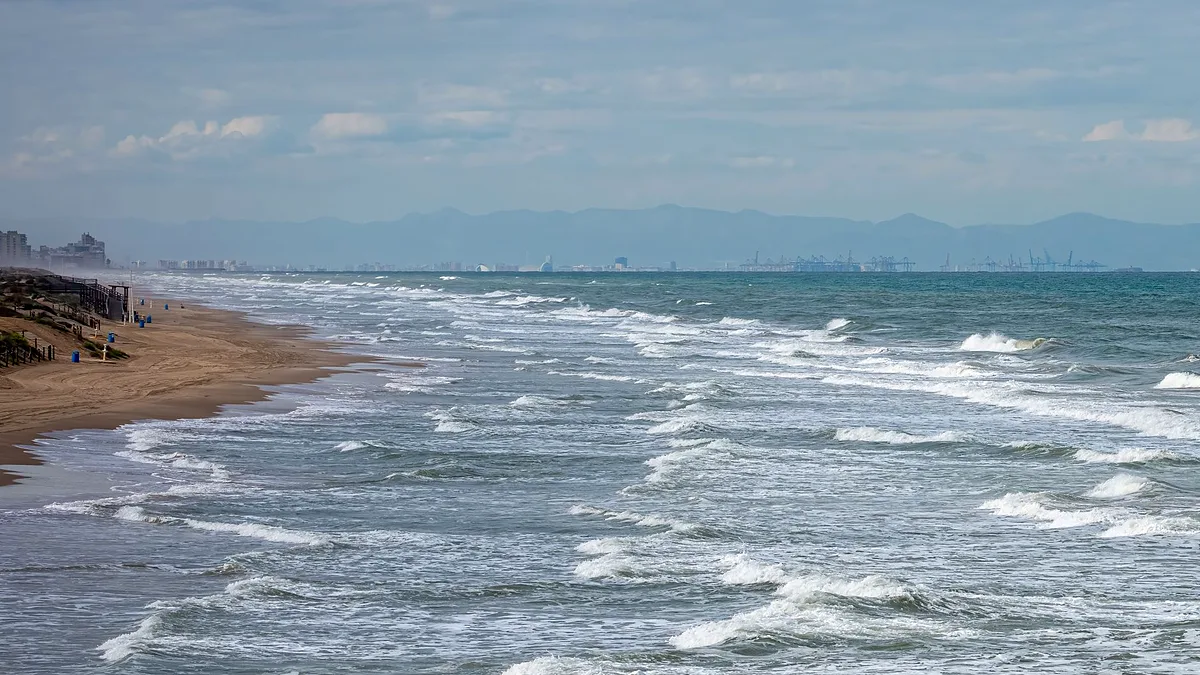

Valencia is Spain's third-largest city and, somehow, still prices like a place that doesn't expect you to be impressed. You get Santiago Calatrava's sci-fi skyline, a nine-kilometre garden running through the middle of town, and a beach you can walk to from the old town — for less than a weekend in Barcelona.
The trick isn't hunting for discounts. It's knowing which things here are genuinely free (a surprising number of them), which are worth actually paying for (the Oceanogràfic, a boat on the Albufera lagoon), and which so-called "experiences" are just a €25 tourist menu with a photo of paella printed on it.
Here's how to do Valencia with a luxury mindset and a mid-range wallet.
Unlimited High-Speed International Travel eSIM
Connect in seconds across 180+ destinations. Instant QR code activation with zero roaming surcharges.

At-a-Glance Snapshot
- Best time to visit: Mid-April to June, then September to October. Warm sea, thin crowds, accommodation 30–40% cheaper than peak August.
- Typical daily budget: €75–115 (~$80–125) per person for a comfortable mid-range day — nice apartment, one paid attraction, two proper meals, wine with dinner.
- Local transport style: Walk + Metrovalencia + the excellent flat bike lanes. The Bono Transbordo 10-ride card is the single best money-saver here.
- General vibe: Beach city that happens to have a medieval core. Late lunches, later dinners, no dress code anywhere that matters.
1. The City of Arts and Sciences — Futurism for the Price of a Stroll
Calatrava and Félix Candela's white-tiled complex is the photo everyone comes for, and you can take it for nothing. Walking the terraces, the shaded Umbracle palm house, and the suspended walkways costs zero euros and takes about 90 minutes. The reflections in the shallow pools are best about an hour before sunset, when the tiles turn peach.
Pay only for what you genuinely want. The Oceanogràfic aquarium is world-class and worth the ticket; the Science Museum is good value; the Hemisfèric IMAX is skippable unless you have kids to entertain.
- Neighborhood: Quatre Carreres, at the southern end of the Turia Gardens.
- Cost: Free to walk the site. Oceanogràfic ~€36 (~$39), Science Museum ~€8 (~$9), Hemisfèric ~€10 (~$11). Online combos save €5–8.
- Best time: 6–8pm in summer; late morning in winter when the light is softer.
- Getting there: Metrovalencia L10 to Ciutat de les Arts, or buses 19, 35 and 95. It's also a flat 25-minute walk from Ruzafa.
Insider tip: Buy tickets online the night before and pick the first Oceanogràfic slot at 10am. You'll have the shark tunnel and penguin zone almost to yourself before the school groups land at noon.
2. Jardí del Túria — Nine Kilometres of Free Garden
After the 1957 flood, Valencia diverted its river and turned the empty bed into one of the largest urban parks in Spain. It snakes from the Bioparc in the west right down to the City of Arts, passing orange trees, palm groves, football pitches and a Gulliver-sized playground where kids slide down the giant's hair.
Locals treat it as their back garden. On Sunday mornings you'll see runners, grandparents with folding chairs, and cyclists who clearly have no intention of hurrying.
- Neighborhood: Runs through the whole city — easiest access points are Pont de la Mar or Alameda metro stops.
- Cost: Free. Bikes from Valenbisi (city scheme) are €13.30 (~$14) per week with the first 30 minutes free each ride.
- Best time: 8–10am for cool air and empty paths; Sunday late morning for people-watching.
- Getting there: Metro L3, L5 or L9 to Alameda drops you right at the eastern gate.
Insider tip: Cycle the full length from Bioparc to the City of Arts in one direction, then take the metro back. Doing it as an out-and-back in the heat is the most common mistake visitors make in July.
3. Mercat Central and La Lonja — Free Entry, €4 Lunch
The Mercat Central is a 1928 domed hall of stained glass and iron, and it's still a working market rather than a photo set. Stallholders sell €2 tubs of olives, wedges of Manchego, and tomatoes that actually taste of something. Next door, the UNESCO-listed Lonja de la Seda is a 15th-century trading hall with twisted stone columns that look like they were carved by someone showing off.
Both cost nothing to enter, which makes this the best-value two hours in the old town.
- Neighborhood: Ciutat Vella, opposite Plaça de la Ciutat de València.
- Cost: Mercat free. Lonja ~€2 (~$2), free on Sundays and public holidays.
- Best time: 8:30–10:30am. The market shuts at 3pm sharp and most stalls wind down by 2pm.
- Getting there: Walkable from Plaça de la Reina (7 minutes) or metro to Xàtiva.
Insider tip: The tiny tapas counter inside the market — Central Bar, run by chef Ricard Camarena — is superb but queues badly. Arrive at 12:30pm on the dot or skip it and buy picnic supplies instead.
4. El Cabanyal and Las Arenas — Free Sand, €20 Paella
El Cabanyal is the old fishing quarter, a grid of low houses covered in patterned tiles, some restored and some still peeling. Ten minutes further and you're on Las Arenas and Malvarrosa beach, a wide sweep of sand with a promenade of restaurants behind it.
This is where Valencians actually eat paella — at lunch, at sea level, with a bottle of rosado and no ceremony. It's also where tourists get quietly fleeced, so pick carefully.
- Neighborhood: El Cabanyal / Poblats Marítims.
- Cost: Beach free. Sunbed hire ~€8 (~$9). Paella for two €34–44 (~$37–48) at a proper restaurant.
- Best time: 10am–1pm for swimming, then lunch at 2pm. Afternoon wind picks up around 4pm.
- Getting there: Tram 4 or 6 to Les Arenes, or metro L5/L7 to Marítim–Serradora and walk 12 minutes.
Insider tip: La Pepica on Calle Neptuno has been feeding beachgoers since 1898 (Hemingway was a regular). Book a terrace table for 1:30pm, not 9pm — paella cooked at dinner service is a different, sadder dish.
5. Albufera and El Palmar — The Real Home of Paella
Twenty minutes south of the city, the rice fields start. L'Albufera is a freshwater lagoon surrounded by paddies, and El Palmar is the village in the middle of it where paella was born — not invented in a show kitchen, but cooked over orange wood by people whose families have farmed this water for centuries.
Come at sunset. The light goes gold over the lagoon, herons stand in the shallows, and the whole thing costs you a bus fare and a €5 boat ride.
- Neighborhood: El Palmar, Albufera Natural Park.
- Cost: Bus €1.50 each way (~$1.60). Boat trip on the lagoon ~€5 (~$5.50) for 30 minutes. Paella €16–20 per person (~$17–22).
- Best time: Arrive 5:30pm for the boat, eat at 8pm, bus back around 10:30pm. Restaurants close early on weekdays.
- Getting there: EMT bus line 25 from Plaça de l'Ajuntament, roughly 35 minutes to El Palmar.
Insider tip: Several village restaurants only cook paella if you order it when you book. Call ahead, and take mosquito repellent between June and September — the lagoon at dusk is lovely and the mosquitoes know it.
6. Ruzafa — Vermouth and Tapas at Non-Capital Prices
Ruzafa (often spelled Russafa) is the neighborhood everyone wants to live in: a flat grid of independent boutiques, tiled bars, and bakeries that open at 7am for workers and again at 5pm for everyone else. It's the closest Valencia gets to a food scene, and it's still cheap.
Skip the first row of tables on Calle Cádiz and walk one street back. That's where the prices drop and the quality goes up.
- Neighborhood: Ruzafa, just south of the old town.
- Cost: Vermouth €2.50–3.50 (~$3–4), tapa €2–5 (~$2–5), full dinner with wine €25–35 (~$27–38) per person.
- Best time: Sunday midday for vermouth and olives, or 9:30pm on a Thursday when the bars fill but you can still get a stool.
- Getting there: 10-minute walk from Plaça de l'Ajuntament, or metro to Xàtiva.
Insider tip: Plaza Manuel Granero is the neighborhood's living room and the terraces there are pricier than the bars on Calle Cuba. Buy a beer at the kiosk and sit on the steps like a local.
7. Two Free Art Museums Most Visitors Miss
The Museu de Belles Arts has Velázquez, Goya and Sorolla in a 17th-century building, and admission is free. It's quiet, air-conditioned, and roughly eleven minutes from the Turia. The IVAM, the city's modern art institute, is a brutalist glass box with a strong rotating programme and free entry on Sundays.
Together they cost you nothing and eat up a hot afternoon in the best possible way.
- Neighborhood: El Carme / Velluters, both near the Turia's eastern end.
- Cost: Belles Arts free. IVAM ~€6 (~$6.50), free Sundays.
- Best time: 10am–1pm; both are closed on Mondays.
- Getting there: Metro L1/L2 to Túria, then a short walk.
Insider tip: Check the IVAM's website before you go — the main gallery sometimes closes between exhibitions, and the staff won't always tell you at the door.
Where to Eat and Drink Nearby
Casa Montaña (Calle José Benlliure 69, El Cabanyal) has been pouring vermouth since 1836, and the walls are lined with old barrels and bullfighting posters. Expect €3–6 tapas (~$3–6.50), excellent anchovies and a €20-ish bill per person with wine. Closed Sundays and Monday evenings.
Bar Ricardo (Calle Doctor Zamenhof 16) is a 1947 tapas bar with a marble counter and a menu that hasn't needed changing in decades. Order the ensaladilla rusa, the fried boquerones, and whatever the barman points at. Budget €15–20 (~$16–22). Closed Sundays.
Horchatería Santa Catalina (Plaça de Santa Catalina) is the classic stop for horchata and fartons, the sweet elongated pastry you dip into it. A large glass and two fartons is about €3.50 (~$4). Go mid-morning, not after lunch when the tour groups arrive.
Practical Logistics and Budget Tips
- Buy the Bono Transbordo. A 10-ride card for Zone A costs about €8.50 (~$9) versus €1.50 per single ticket. It works on metro, tram and bus, and you can share it between two people.
- Skip the airport taxi. Metrovalencia lines 3 and 5 run from the airport to Xàtiva in the centre in about 30 minutes for under €5 (~$5.50). Taxis are a fixed €20-plus.
- Eat your big meal at lunch. The menú del día is €12–16 (~$13–17) for three courses plus a drink. The same food at dinner is €30.
- Drink the tap water. It's safe and fine. Locals often buy bottled because of the mineral taste, but that's preference, not necessity.
| Item | Typical cost |
|---|---|
| Metro single, Zone A | €1.50 (~$1.60) |
| Bono Transbordo, 10 rides | €8.50 (~$9) |
| Menú del día lunch | €12–16 (~$13–17) |
| Paella for two, El Palmar | €32–40 (~$35–43) |
| Oceanogràfic adult ticket | €36 (~$39) |
| Vermouth plus a tapa, Ruzafa | €5–7 (~$5–8) |
What to Skip, Honestly
Ignore any restaurant with a laminated photo of paella and a host waving a menu near Plaça de la Reina. Paella is a lunch dish here; if a kitchen will serve it to you at 10pm, it was probably cooked hours earlier and reheated.
Also skip the hop-on-hop-off bus (the centre is 20 minutes wide on foot), and think twice about visiting during Las Fallas in March. It's spectacular, but hotel prices triple and sleep is not on the agenda.
Frequently Asked Questions
Is Valencia cheaper than Barcelona or Madrid?
Yes, noticeably. Expect accommodation, meals and transport to run 20–30% lower than Barcelona for comparable quality, which is why a mid-range budget here feels genuinely comfortable.
Can you visit the City of Arts and Sciences for free?
You can walk the entire outdoor site, including the Umbracle garden, for nothing. Only the Oceanogràfic, Science Museum and Hemisfèric charge admission, so you can see the architecture without spending a euro.
Where do locals actually eat paella in Valencia?
Mostly in El Palmar and around El Cabanyal, and almost always at lunchtime. Restaurants like La Pepica on the beachfront and the village kitchens of El Palmar are where Valencians take visiting relatives.
What is the cheapest way from Valencia Airport to the city centre?
Metrovalencia lines 3 and 5 go directly from the airport to Xàtiva station in about 30 minutes for under €5 (~$5.50). It's faster and cheaper than a taxi at almost every hour of the day.


