
Tulum gets sold as a beach with a DJ. The reality is stranger and better: a walled Maya port town on a limestone cliff, with working craft traditions in the pueblo behind it and one of Mexico's oldest protected jungles next door.
This route is for travelers who want to make something, not just photograph it. You'll learn a backstrap loom, walk through 700-year-old stone rooms, and swim in water the Maya treated as a doorway. Almost all of it works without a rental car if you're willing to take a colectivo or two.
At a Glance
- Best time to visit: November to April for dry weather. Whatever the month, start every archaeological site at 8am.
- Daily budget: roughly 900–1,600 MXN (~$50–90 USD) per person, covering one paid site, transport, and three proper meals.
- Getting around: colectivos and second-class buses from Avenida Tulum, plus a rented bike for the beach road.
- Vibe: slow mornings, hot afternoons, and a pueblo that still runs on Maya time while the beach runs on credit cards.
The Tulum Ruins: Go Early, Then Leave
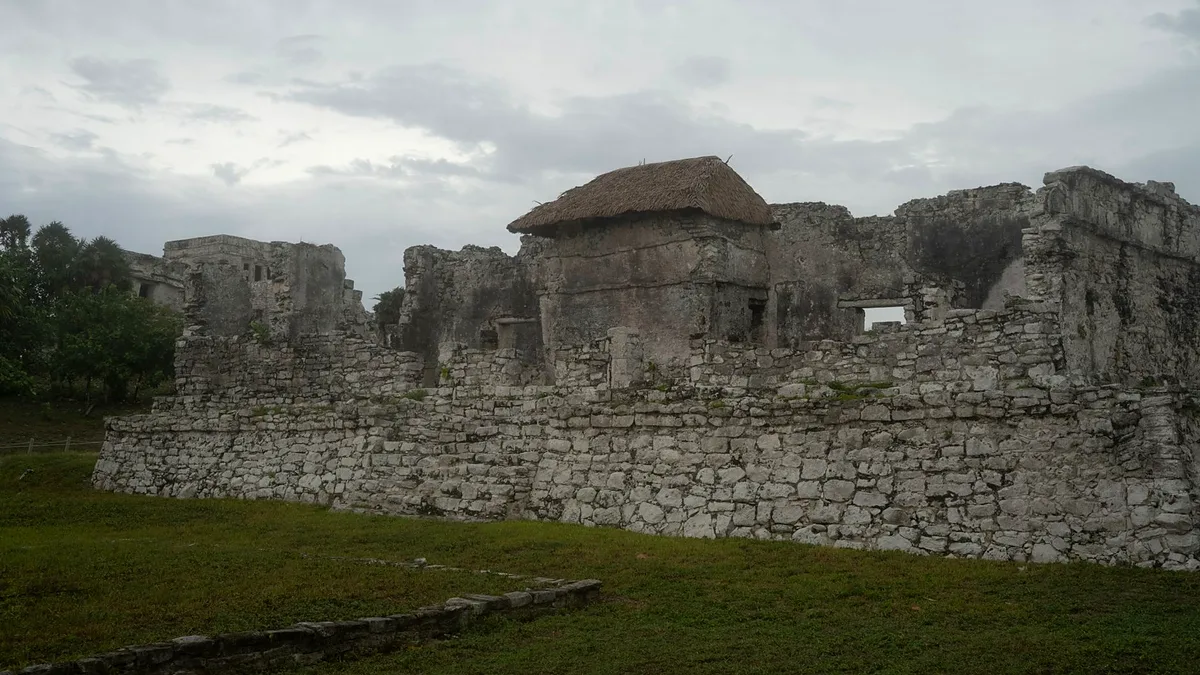
The Zona Arqueológica de Tulum — the Maya called it Zamá — is the one heritage site everyone visits, and it earns the crowd. El Castillo sits on a 12-meter cliff above turquoise water, and the Temple of the Frescoes still holds traces of original paint.
Unlimited High-Speed International Travel eSIM
Connect in seconds across 180+ destinations. Instant QR code activation with zero roaming surcharges.

What nobody tells you is that it's a 60-to-90-minute site, not a half-day. Arrive at 8am opening and you'll have the cliff walk nearly to yourself. By 10:30am the tour buses from Cancún arrive and the whole place turns into a slow-moving queue in full sun.
- Where: Carretera Federal 307, about 3 km east of Tulum Pueblo.
- Cost: around 100 MXN (~$6 USD) for the federal ticket, plus a small state add-on — bring cash, cards are unreliable at the gate.
- Best time: 8:00–9:30am, any day.
- Getting there: walk or bike from the pueblo, take a colectivo toward the beach road, or a taxi for about 120–150 MXN (~$7–9 USD).
Insider tip: Skip the "guided tour" add-on sold at the parking lot. The site has excellent Spanish-and-English information panels, and the guides charge 600+ MXN for 25 minutes.
SFER IK Museion at Azulik: Contemporary Craft in a Living Building
SFER IK is the opposite of a ruin and the perfect companion piece. Built inside Azulik on the Boca Paila road, the museum is a nest of curved concrete and vine-covered walkways where visitors go barefoot and the floor rises into the walls.
Exhibitions rotate between local and international artists working in weaving, ceramics, and natural materials, so it links the old Maya crafts to what's happening now. It takes about an hour. Wear something you don't mind taking your shoes off in.
- Where: Carretera Tulum-Boca Paila km 5, Zona Hotelera.
- Cost: around 300 MXN (~$17 USD); sometimes waived if you book a meal at one of Azulik's restaurants.
- Best time: weekday mid-afternoon, when the light comes through the oculus.
- Getting there: colectivo or beach-road shuttle to km 5, then a short walk down the unpaved entrance.
Insider tip: Confirm opening hours the day before — the museum closes for installation changes more often than the website suggests.
The Mercado de Artesanías and the Pueblo's Working Workshops
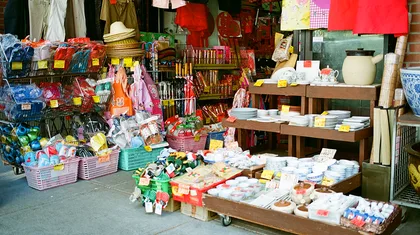
Walk ten minutes inland from the beach road and the pricing logic changes completely. The stalls clustered along Avenida Tulum near the ADO station sell embroidered huipiles, hammocks, and hand-thrown pottery at a third of beach-road prices.
Some of it is machine-printed tourist stock, so ask directly: "¿Quién lo hizo?" Vendors who made the piece themselves will tell you the village and the technique. For hands-on learning, the Casa de la Cultura Tulum posts cheap weekly workshops — ceramics, dance, sometimes weaving — on the board by its entrance.
- Where: Avenida Tulum between Calle Centauro and Avenida Satélite; Casa de la Cultura on Calle Osiris.
- Cost: free to browse; huipiles from 400–1,200 MXN (~$23–68 USD); workshops usually 150–500 MXN (~$9–29 USD).
- Best time: 10am–1pm, before the afternoon heat empties the street.
- Getting there: a 5-minute walk from the ADO bus terminal in Tulum Pueblo.
Insider tip: Hostels in the pueblo (not the beach) often run cacao or loom classes for 400–600 MXN (~$23–34 USD). Ask at reception even if you're not staying there.
Cobá: The Tallest Pyramid in the Yucatán
About an hour inland, Cobá is a different scale of heritage entirely — a sprawling city of white limestone causeways swallowed by jungle. Nohoch Mul rises 42 meters and, when access is open, gives you a view over unbroken canopy.
Climbing has been restricted on and off since 2020, so don't build your day around it. Go for the quiet instead: Cobá receives a fraction of Tulum's visitors, and the stelae and ball court are genuinely moving when nobody's talking over them.
- Where: Cobá village, roughly 45 km northwest of Tulum via the 109 highway.
- Cost: about 100 MXN (~$6 USD) plus a separate community fee; guides from 500 MXN (~$29 USD).
- Best time: 8–10am, before the humidity peaks and the tour vans arrive.
- Getting there: ADO or second-class bus from Avenida Tulum, or a colectivo toward Cobá village.
Insider tip: Rent a bike at the site entrance — the ruins cover several kilometers of paths and it's the difference between a pleasant morning and a hot slog.
Muyil and the Sian Ka'an Float: A Maya Canal Still in Use
Twenty minutes south of Tulum, the Chunyaxché ruins at Muyil are small and quiet — a handful of restored platforms in deep shade. The real reason to come is the water. Local boatmen run you down a Maya-dug canal through the mangroves and then let you float back on the current in a life vest.
This is UNESCO-listed Sian Ka'an Biosphere Reserve, and it's the most peaceful two hours you'll spend on this coastline. Afterwards, walk the elevated boardwalk to the lagoon and look for crocodiles loafing on the mud banks.
- Where: Muyil village, off Carretera Federal 307 at km 210.
- Cost: about 60 MXN (~$3.50 USD) site entry; boat through the canal roughly 1,000–1,200 MXN per boat (2–4 people).
- Best time: 9–11am, before the wind picks up on the lagoon.
- Getting there: ADO second-class bus south toward Felipe Carrillo Puerto, or a taxi from the pueblo.
Insider tip: Book directly with the boat cooperative at the Muyil lagoon turnoff. Agencies in Tulum resell the exact same trip at double the price.
Punta Laguna: Tortillas, Spider Monkeys, and a Community That Runs the Gate
On the Cobá road, the village of Punta Laguna sits beside 5,000 hectares of protected jungle that the community itself manages. Guides walk you down overgrown trails to find wild spider monkeys, then back to a hut where someone shows you how to press a tortilla on a comal.
There's also a cenote with a zip line into it, which sounds gimmicky and is actually a lot of fun. The money stays with the village, which is more than you can say for most of the commercial tours in Tulum.
- Where: Carretera Tulum-Cobá, about 40 minutes from Tulum Pueblo.
- Cost: around 200 MXN (~$11 USD) entry plus the guide; tortilla workshop often included.
- Best time: morning, when the monkeys are moving through the canopy.
- Getting there: Colectivo toward Cobá; ask the driver to drop you at Punta Laguna.
Insider tip: This is a cash-only village. Bring small bills — there's no ATM within 30 minutes in either direction.
The Sacred Waters: Cenote Escondido and Gran Cenote
Cenotes were not swimming pools to the Maya. They were entrances, and the archaeological record here includes offerings and human remains found in their depths. Swimming in one is the cheapest heritage lesson in the Yucatán.
Gran Cenote, about 4 km from town, has the clearest water and the biggest crowds. Cenote Escondido, across the road, is darker, quieter, and better for anyone who actually wants to float without bumping into someone's selfie stick.
- Where: Carretera Federal 307, between Tulum Pueblo and the ruins.
- Cost: Gran Cenote roughly 400–500 MXN (~$23–29 USD); Escondido closer to 200 MXN (~$11 USD).
- Best time: 8–9am, before the heat and the tour vans.
- Getting there: bike the 4 km from town, or take any colectivo heading toward the ruins road.
Insider tip: No sunscreen is allowed in the water — wear a rash guard instead, and shower at the changing rooms first.
Where to Eat and Drink Nearby
El Camello Jr. (Avenida Tulum, Tulum Pueblo) is where locals go for seafood and it hasn't changed since before the influencer era. Order the mixed ceviche — roughly 250 MXN (~$14 USD) — and share it. Open around 11am to 8pm.
Antojitos La Chiapaneca on Avenida Tulum does Yucatecan street food at street prices: panuchos and salbutes at 35–55 MXN (~$2–3 USD) each, tortas de cochinita, and agua de chaya. It's fast, noisy, and the best value meal in town.
Ki'bok Coffee roasts beans on-site in the pueblo. Espresso and cold brew run 55–85 MXN (~$3–5 USD), and it opens early enough to be your first stop before the ruins.
Practical Logistics and Money Tips
Colectivos run up and down Avenida Tulum toward the beach road for around 50 MXN (~$3 USD) per hop; taxis charge 250–400 MXN (~$14–23 USD) for the same trip. Renting a bike for 250–300 MXN a day often beats both, especially if you're stringing together cenotes.
Almost every archaeological gate, artisan stall, and village co-op is cash-only. ATMs in the pueblo charge 30–90 MXN in fees, so withdraw once and budget carefully. Many restaurants quietly add a 3–4% card surcharge.
| Site | Approx. entry (MXN) | Approx. USD |
|---|---|---|
| Tulum Ruins | 100 + small state fee | ~$6–8 |
| Cobá | 100 + community fee | ~$6–9 |
| Muyil | 60 | ~$3.50 |
| Punta Laguna | 200 | ~$11 |
| SFER IK Museion | 300 | ~$17 |
What to skip: the "Maya ceremony and temazcal dinner" packages at beach resorts (2,000+ MXN, mostly staging), the boutique on Boca Paila selling factory textiles as handmade, and any tour agency charging three times the gate price for a site you can reach by colectivo.
Honest heads-up: seaweed hits the beaches from roughly May to October, the ruins are brutally hot by noon, and mosquitoes come out hard after rain. A hat, reef-safe rash guard, and 100% DEET are not optional.
Frequently Asked Questions
Are the Tulum ruins worth visiting? Yes, but only if you go at 8am and treat it as a 90-minute visit rather than a half-day. It's the most dramatic setting of any Maya site on the coast, and the crowds are entirely avoidable with an early start.
Can you still climb the pyramid at Cobá? Access to Nohoch Mul has been restricted on and off since 2020, so check at the ticket gate before you count on it. Even without the climb, Cobá is quieter and more atmospheric than Tulum's ruins.
Where can I buy authentic Maya crafts in Tulum? Start at the Mercado de Artesanías on Avenida Tulum near the ADO station and ask vendors who made each piece. For hands-on learning, look for workshops at Casa de la Cultura Tulum or ask at pueblo hostels about cacao and loom classes.
Do I need a car to visit Tulum's heritage sites? No. Colectivos and second-class buses from Avenida Tulum reach the ruins, Cobá, Muyil, and Punta Laguna, and a rented bike covers the cenotes and beach-road stops. A car only helps if you want to combine several inland sites in one day.