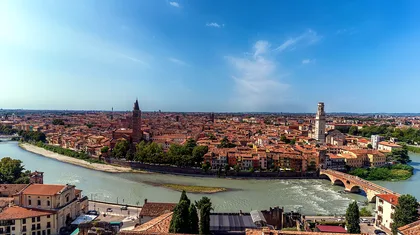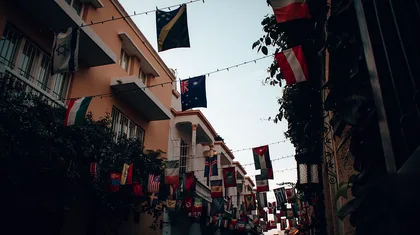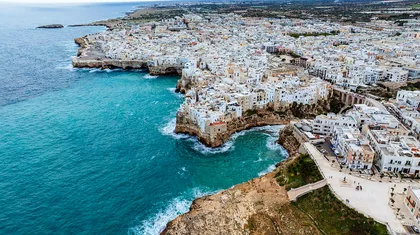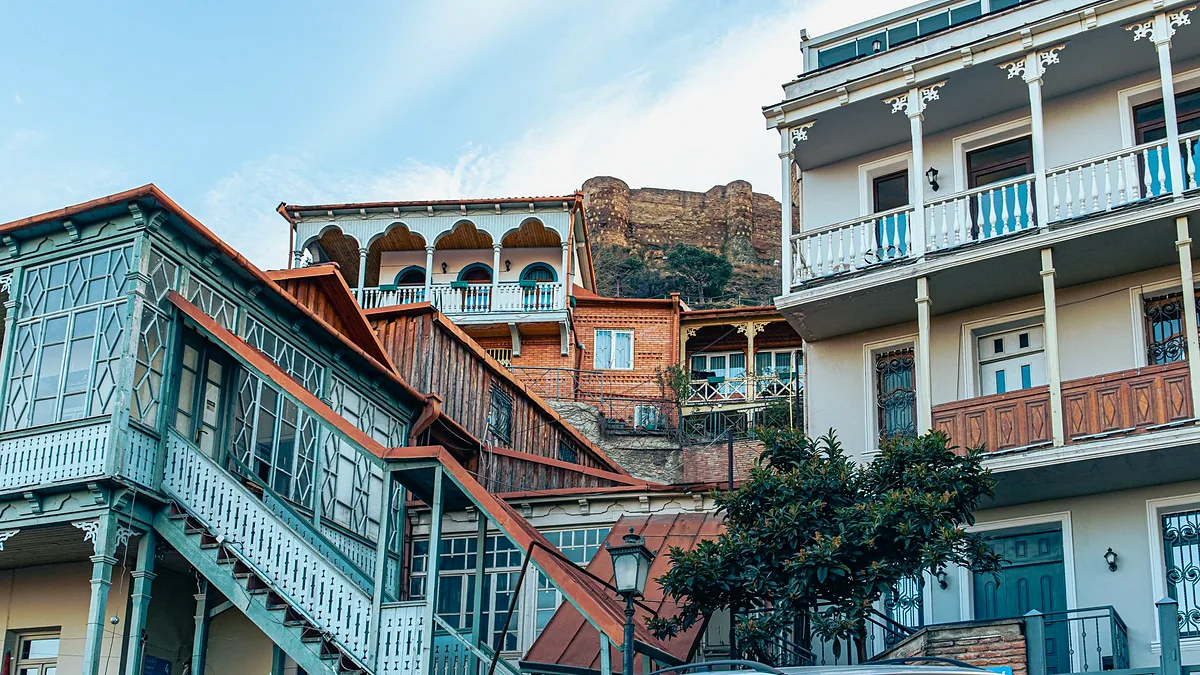

Tbilisi gets dark by 5:30pm in winter, and that is when the city finally relaxes. The old town empties, the courtyards go black, and the people who actually live here start moving between small galleries, unmarked doors and wine cellars that never bother to advertise.
This is not a city where you book a "cultural evening." You walk Sololaki's cracked pavements, ring a buzzer, and end up in a converted apartment looking at paintings by a 26-year-old from Kutaisi. Six hours later you are in a basement under a football stadium, and nobody is going home.
I have spent several cold seasons here. What follows is the route I send friends on: the galleries worth the detour, the clubs worth the queue, and the honest parts most guides leave out.
Unlimited High-Speed International Travel eSIM
Connect in seconds across 180+ destinations. Instant QR code activation with zero roaming surcharges.

At a Glance: The Cold-Night Snapshot
- Best time to visit: Late September to early November, or February to March. Fewer tourists, real cold, and every gallery opening has wine.
- Daily budget: 120–200 GEL (~$45–75 USD) per person if you mix galleries, one proper dinner and a club. Self-catering and metro-only days can drop to 70 GEL (~$26 USD).
- Getting around: Metro (two lines, 1 GEL / ~$0.37 per ride) plus Bolt taxis for late nights, usually 5–12 GEL (~$2–4.50 USD) across the centre. Wear shoes you can walk cobblestones in.
- Vibe: Low-lit, unstyled, genuinely social. People talk to strangers here, but door staff at clubs are serious. Bring your passport.
1. Project ArtBeat: the gallery that sets the conversation
Project ArtBeat sits on Ingorokva Street in Sololaki, in a building that looks like it might be a dental clinic. Inside it is the sharpest commercial gallery in the country, showing Georgian artists who later turn up in Venice and Berlin.
Shows rotate every five or six weeks, so you are never quite sure what you will walk into. On a Tuesday afternoon you might have the whole room to yourself, which is the best way to see it.
- Neighbourhood: Sololaki, off Freedom Square.
- Cost: Free entry. Nothing is for sale to accidental tourists, so just look.
- Best time: Thursday evenings, when openings happen.
- Getting there: Five minutes on foot from Liberty Square metro (Line 1).
Insider tip: Check their Facebook page the same day you go. Georgian galleries update Facebook, not Google Maps, and winter hours shift constantly. If the door is locked, ring the bell and wait — someone will come down.
2. Gallery Nectar and the Sololaki apartment circuit
Half of Tbilisi's art scene happens in flats. Gallery Nectar, on Chakhrukhadze Street, is a good entry point: two rooms, hard floors, a radiator that never quite works, and work by artists who are still unknown outside Georgia.
From there you can wander Sololaki for an hour and stumble into three more project spaces in stairwells. This is the most rewarding aimless thing you can do in Tbilisi on a cold afternoon.
- Neighbourhood: Sololaki, between Freedom Square and the botanical gardens.
- Cost: Free. Tastings and talks are usually 10–15 GEL (~$4–6 USD).
- Best time: 2pm–6pm, Tuesday to Saturday. Most spaces close Sundays and Mondays.
- Getting there: Walk from Liberty Square metro, or take any bus down Kote Abkhazi Street.
Insider tip: Do not photograph the doorways to work out which building is which — people live above the galleries and neighbours are wary. Ask inside the first gallery for a printed map; several of them keep one behind the desk.
3. Fabrika's back corridors, Chugureti
Fabrika is the former Soviet sewing factory on Ninoshvili Street, and yes, everyone tells you to go. The courtyard is packed on weekends and the coffee is fine but overpriced. The reason to come is the back corridors, where small galleries, print studios and the odd residency operate out of old workshop rooms.
It is free to walk in and out of these spaces, and you will find more interesting work there than in the lobby. The whole block around it is covered in murals from the city's mural festival.
- Neighbourhood: Chugureti, Ninoshvili Street 8.
- Cost: Free. Coffee 6–9 GEL (~$2–3.30 USD).
- Best time: Weekday afternoons. Friday and Saturday nights it is a crush.
- Getting there: Marx/Station Square area — bolt from Rustaveli is about 7 GEL. Or walk 15 minutes from Marjanishvili metro (Line 2).
Insider tip: Skip the famous courtyard bar on a Saturday. Go Sunday afternoon instead, when the studios are actually open and the people running them have time to talk.
4. Vino Underground: the cellar that feels like a private club
Down a courtyard off Galaktion Tabidze Street, Vino Underground was the first natural wine bar in the city and still the best place to understand what Georgian qvevri wine actually is. The room is small, low, and warm in a way that makes you cancel your next plan.
Ask for a tasting flight rather than a glass. The staff pour Saperavi, Rkatsiteli and amber wines from small family cellars, and they will not upsell you into the expensive bottles unless you ask.
- Neighbourhood: Central, off Galaktion Tabidze Street.
- Cost: Tastings 35–60 GEL (~$13–22 USD). Glasses 8–15 GEL.
- Best time: 6pm–9pm, before it fills.
- Getting there: Three minutes from Liberty Square metro, down the courtyard with the vine over the gate.
Insider tip: Book the small table by the back wall for two people if you want to talk. The front bench is where groups land and it gets loud fast.
5. Bassiani: the club in the stadium basement
Bassiani is under the Dinamo stadium, and there is nothing hidden about it anymore — it is one of the most respected techno clubs in Europe. You should still go at least once, because a cold Tbilisi night in that concrete room is unlike any club in Berlin.
Doors open around 11:30pm Friday and Saturday and it runs until well past sunrise. The crowd is Georgian, young, and dressed for a basement, not a photoshoot.
- Neighbourhood: Vake side, Tsereteli Avenue, under the stadium.
- Cost: Entry 30–50 GEL (~$11–19 USD), cash at the door or online in advance.
- Best time: Arrive 12:30am–1am. Earlier and the room is empty; later and the queue is long.
- Getting there: Bolt from the centre, 8–12 GEL. Metro to Technical University then a 10-minute walk.
Insider tip: Bring your passport — ID checks are strict and there is no arguing at the door. Phones get stickered on entry, and photography inside is a genuine no.
6. Khidi: the club that doubles as an art space
Khidi sits in the shadow of the Vakhushti Bagrationi Bridge, in an old industrial building on the river's right bank. It is rougher and colder than Bassiani, with a second room that regularly hosts installations and photography shows before the music starts.
Because it is outside the main nightlife cluster, the crowd is more mixed and the night feels less like a pilgrimage. Dress warm; the concrete holds the cold.
- Neighbourhood: Right bank near Ortachala, under the bridge.
- Cost: 25–40 GEL (~$9–15 USD) depending on the night.
- Best time: Saturday, from about 1am.
- Getting there: Bolt is the sane option at that hour, around 10 GEL from Sololaki.
Insider tip: Check the event listing before you pay for a taxi. On quieter nights only one room opens and the exhibition is the better half of the evening.
7. The library bars at Stamba and Rooms
If you want the members'-club feeling without needing a member, the bars inside the Stamba and Rooms complex on Kostava Street do it well. Both are in a converted printing house, with high shelves, low lighting and staff who leave you alone.
It is not cheap by Tbilisi standards and it is not remotely underground. But at 9pm on a wet Tuesday, with a negroni and a book, it beats another crowded courtyard.
- Neighbourhood: Chugureti, Merab Kostava Street 14.
- Cost: Cocktails 22–30 GEL (~$8–11 USD).
- Best time: Weeknights, 8pm–11pm.
- Getting there: 10 minutes on foot from Rustaveli metro, or a short Bolt ride.
Insider tip: The upstairs bar is quieter than the lobby one and rarely full. Nobody will move you on if you stay for two hours with one drink.
Where to Eat and Drink Nearby
Salobie Bia
Down a courtyard on Machabeli Street, this small dining room does the best version of home-style Georgian cooking in the centre. Order the lobio in a clay pot and the chakhokhbili. Expect 25–35 GEL (~$9–13 USD) per person with wine.
Zakhar Zakharich
A scruffy, brilliant spot in Chugureti on Tarkhnishvili Street, part wine bar, part junk shop. Thekhnis charklis (beef in sour plum) and a carafe of Saperavi will cost you around 30 GEL (~$11 USD). Cash is safer.
Klike's Khinkali
A local chain that still makes proper khinkali, about 1.50–2 GEL (~$0.55–0.75 USD) each. Five or six is a meal. Skip the Old Town branches with photo menus and go to a neighbourhood one.
Practical Logistics and Budget Tips
Buy a Metromoney card at any metro station for 2 GEL (~$0.75 USD) and load 10 GEL on it. Metro and bus rides are then 1 GEL each, which covers almost every daytime move you will make.
After 1am, use Bolt rather than hailing a street taxi. Agreeing a price on the street at 3am is where visitors get overcharged; the app takes the argument out of it.
Cash still matters. Many small galleries, cellar bars and clubs are card-hostile, so keep 50–100 GEL in notes on you. ATMs inside banks on Rustaveli give better rates than the standalone ones near Freedom Square.
What to skip: the "traditional Georgian feast with folk show" restaurants on Shardeni Street, the wine tastings sold on the street near Sioni Cathedral, and any bar advertising itself as a secret. The genuinely private-feeling places in this city never use that word.
Honest heads-up: pavements in Sololaki are uneven and badly lit, and courtyards are darker than you expect. Winter galleries are cold inside, so wear layers rather than a coat you have to carry.
Frequently Asked Questions
Are Tbilisi's galleries free to enter?
Almost all of them are, including the small commercial spaces in Sololaki and Chugureti. Expect to pay only for special talks, tastings or the big state museums.
Do I need to book Tbilisi clubs in advance?
For Bassiani and Khidi, buying online saves time but door tickets usually exist unless a big international name is playing. Check the venue's Instagram the day before, since events sometimes move or sell out.
Is Tbilisi safe at night?
Yes, central districts stay busy until very late and walking between venues is normal. The realistic risks are unlit courtyards, uneven paving and drink-driving, so use Bolt for anything over 20 minutes on foot.
What should I wear to a Tbilisi club?
There is no dress code, but there is a door policy, and looking like you made an effort helps. Bring your passport for ID and wear shoes you can stand in for six hours.