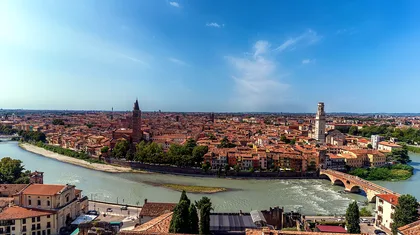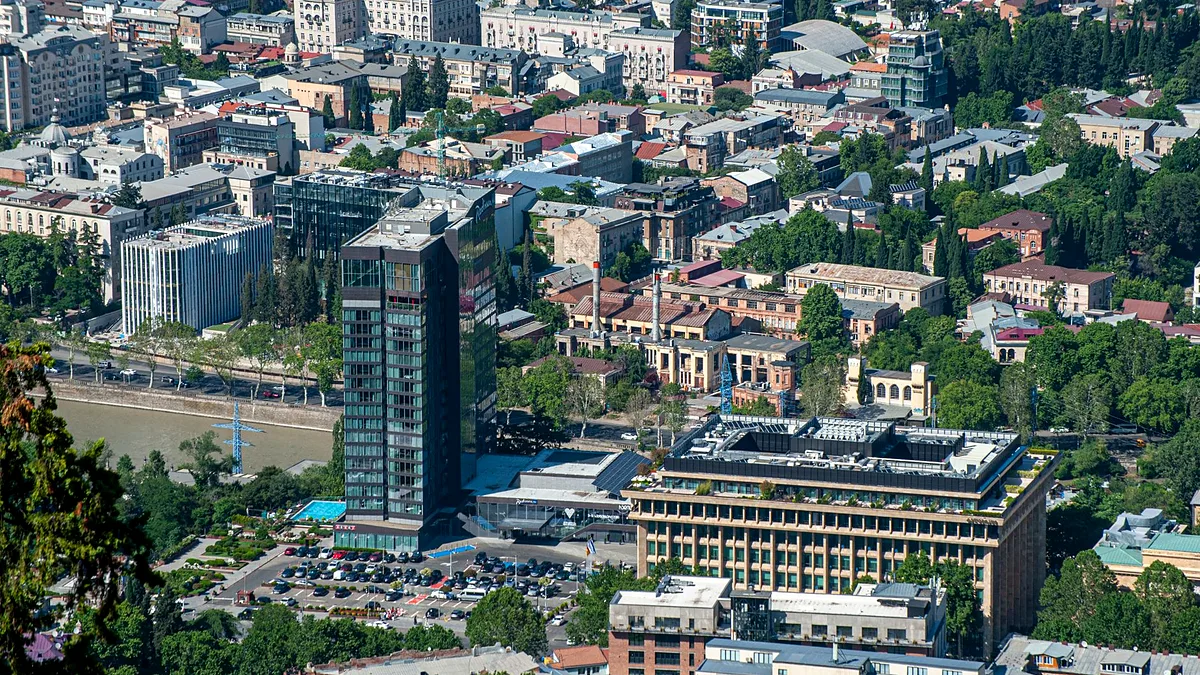

Tbilisi in late autumn runs on wet stone, wood smoke and long afternoons indoors. The postcards point you to Narikala and the sulphur baths, and those are worth an hour of your time. But the city locals actually disappear into between October and December is a different circuit: two-room galleries in old apartments, wine cellars with no sign on the door, and club entrances where the bouncer decides everything.
This guide covers that circuit. Every stop is reachable by metro, on foot, or with a short 6–10 GEL Bolt ride. Nothing here needs a tour guide, a booking agent, or a laminated badge.
Tbilisi at a Glance
- Best time to go: Late October to early December. Days sit around 10–17°C, expect rain in most weeks, and the tour groups thin out noticeably after 1 November.
- Daily budget: 130–250 GEL (~$48–93) per person, covering metro rides, one paid entry, two proper meals and a glass of wine.
- Getting around: Metro for long hops at 1 GEL a ride, feet for everything inside Old Town and Chugureti, Bolt for anything after midnight.
- General vibe: Slow mornings, gallery afternoons, wine until 1am. Places open late, close on Mondays, and answer Instagram messages faster than email.
Karvasla and the Sioni Street Gallery Row
Start in the Old Town, on Sioni Street, where a former caravanserai has been turned into Karvasla — three floors of carpets, paintings, enamelwork and Soviet-era lacquer boxes. Entry is free and nobody pressures you, which is rare in this part of Kala. The ground floor is aimed at tour buses; the upper two floors are where the real stock sits.
Unlimited High-Speed International Travel eSIM
Connect in seconds across 180+ destinations. Instant QR code activation with zero roaming surcharges.

Next door is the Tbilisi History Museum (Ioseb Grishashvili Museum), a quiet, low-lit collection that makes more sense of the city than any walking tour. On a rainy November afternoon you can do both in about two hours and come out knowing who lived in these courtyards before you arrived.
- Neighborhood: Kala / Old Town, Sioni Street.
- Cost: Karvasla is free. Tbilisi History Museum is about 15 GEL (~$5.50).
- Best time of day: 11:00–14:00 on a weekday, before the afternoon groups arrive.
- Getting there: Metro Avlabari (Line 1), then an 8-minute walk downhill; or walk 12 minutes from Freedom Square.
Insider tip: Prices at Karvasla are negotiable on anything over 100 GEL, but only if you ask politely and offer cash. Say ramdeni ghirs? (how much is it?) rather than pointing at the tag, and be genuinely willing to walk away — the second price is usually 20–30% lower.
The Dry Bridge Vernissage and the Painters' Wall
The Dry Bridge flea market is the closest thing Tbilisi has to an open-air gallery, and it changes character completely in autumn. Dealers lay out icons, brass samovars, old cameras and Soviet pins on blankets, while painters hang original work along the low wall facing the road. The paintings are the reason to come: small oils of Tbilisi courtyards and Kakheti hills for 50–300 GEL.
It is not undiscovered — locals shop here too — but it stays cheap and unpolished, which is the point. Weekday mornings are quiet enough to talk to the artists properly.
- Neighborhood: Sololaki edge, along Dzmebi Zubalashvilebi Street near Saarbrücken Square.
- Cost: Free to browse. Paintings 50–300 GEL (~$19–111); small enamel pins from 5 GEL.
- Best time of day: Saturday and Sunday 10:00–15:00 for the full spread; weekday mornings for better prices and fewer elbows.
- Getting there: Metro Freedom Square, then a 12-minute walk; or metro Marjanishvili and cross the river on foot.
Insider tip: The medals and "antique" badges near the bridge are mostly modern castings. If you want a real piece, buy a painting directly from the artist standing beside it — that is the person who made it, and they will often sign the back for you.
Fabrika's Upper Floors
Fabrika, the old Soviet sewing factory on Egnate Ninoshvili Street, is not a secret. The courtyard is full of laptops, craft beer and people filming reels. The trick is to skip the courtyard and take the stairs: the top floors host rotating project spaces, photography shows and one-room installations that most visitors never find.
Shows change every few weeks and the quality swings, but entry is free and you are five minutes from three good coffee counters. Treat it as a lucky dip rather than a destination.
- Neighborhood: Chugureti, 8 Egnate Ninoshvili Street.
- Cost: Free entry. Coffee in the courtyard 7–10 GEL (~$2.60–3.70).
- Best time of day: 12:00–18:00 on a weekday, when the studios are staffed.
- Getting there: Metro Marjanishvili, then a 7-minute walk along Ninoshvili.
Insider tip: The upstairs doors are often unlocked but unstaffed. Check the printed schedule taped by the stairwell, and don't bother on Mondays — half the building is shut.
Silk Factory Studios, Abashidze Street
A few blocks deeper into Chugureti, a former silk-weaving plant has been carved into workshops, small showrooms and a courtyard bar. Ceramicists, textile designers and printmakers work here, and several open their doors when they are in — which is exactly the hit-or-miss charm of the place.
This is the closest you get to a private view in Tbilisi without knowing anyone. The work is affordable, the makers are usually there in person, and you can buy a piece directly from the person who threw it on a wheel that morning.
- Neighborhood: Chugureti, Givi Abashidze Street.
- Cost: Free to walk in. Ceramics typically 40–120 GEL (~$15–44).
- Best time of day: 14:00–18:00 Tuesday to Friday.
- Getting there: Metro Marjanishvili, 10 minutes on foot; Bolt from Old Town is about 8 GEL.
Insider tip: In November many studios open by appointment only. Send a short Instagram message the day before you go — a two-line note gets a reply far more often than a knock on the door.
Cellar Wine Rooms: Vino Underground and Friends
Vino Underground on Galaktion Tabidze Street is the natural-wine bar that started the whole Georgian qvevri revival, and it still feels like a basement someone forgot to renovate — low ceilings, bare brick, candles in bottles. The back room functions like a private club: regulars, no menu, whatever the owner opened that day.
For a more formal version, the 8000 Vintages tasting rooms around town run seated flights of six to eight wines with a host who actually knows the growers. Both are far better value than the wine-tasting touts who approach you near Sioni Street.
- Neighborhood: Mtatsminda, 15 Galaktion Tabidze Street.
- Cost: Glass 12–20 GEL (~$4.40–7.40); guided flight around 45 GEL (~$17).
- Best time of day: 18:00–20:00, before the dinner rush fills the room.
- Getting there: Metro Freedom Square, 5 minutes on foot.
Insider tip: Ask for a Saperavi from Kakheti rather than the amber list — the amber wines are wonderful but heavily marked up for tourists. And book the corner table against the wall; the room becomes impossible to hear in after 21:00.
Club Doors: Bassiani and KHIDI
Tbilisi's club scene is famous for the wrong reasons in some headlines and the right ones among people who actually go out. Bassiani sits in the basement of Dinamo Stadium, runs Friday and Saturday, bans phones on the floor and enforces a genuine door policy. KHIDI, closer to the river, is smaller and often more adventurous with bookings.
Neither is technically a private club, but the guest lists, the face control and the no-photography rule make them feel like one. Go in a pair, not a group of eight, and expect that the door might simply say no.
- Neighborhood: Bassiani at 2 Tsereteli Avenue, under Dinamo Stadium; KHIDI on the left bank near the river.
- Cost: 30–50 GEL (~$11–19) entry, cash, plus drinks from 10 GEL.
- Best time of day: Arrive around 00:30 — the queue is shorter and the main room has warmed up.
- Getting there: Metro Marjanishvili or Rustaveli, then a 15-minute walk; take a Bolt back after 3am.
Insider tip: Do not film the queue, do not arrive visibly drunk, and bring your passport or ID card. The most common reason people get turned away is a big, loud group, not what they are wearing.
The National Gallery's Upper Floor (Rainy-Day Anchor)
When the rain settles in for the day, the National Gallery on Rustaveli Avenue is the reliable answer. The ground floor gets the tour traffic; the upper rooms hold the Pirosmani collection and a rotating set of 20th-century Georgian works that most visitors skip entirely.
It is warm, quiet, centrally located and cheap. Two hours here will teach you more about the country's visual language than a week of souvenir shopping.
- Neighborhood: Mtatsminda, 11 Rustaveli Avenue.
- Cost: About 25 GEL (~$9) for foreign visitors.
- Best time of day: 15:00–17:00 on a wet weekday, when the halls empty out.
- Getting there: Metro Rustaveli, directly outside.
Insider tip: Closed on Mondays, and the ticket desk stops selling about 30 minutes before closing. Buy the combined ticket only if you plan to visit the other National Museum sites within two days — otherwise it is wasted money.
Where to Eat and Drink Nearby
Shavi Lomi (1 Amagleba Street, between Sololaki and Chugureti) does modern Georgian cooking in a converted house with a garden. Mains run 25–35 GEL (~$9–13); order the chkmeruli and the kupati sausage with pomegranate. Book ahead on weekends — it fills up with locals, which is the best sign you will get.
Salobie Bia, tucked just off Rustaveli on Pavle Ingorokva Street, is the cheap and cheerful option. A clay pot of lobio with mchadi bread costs 15–20 GEL (~$5.50–7.40), the menu is short, and the room is full of people who eat here every week. No reservations, no fuss.
Barbarestan (132 Aghmashenebeli Avenue) is the splurge, built around a 19th-century cookbook and a set tasting menu of around 130 GEL (~$48) per person. It is genuinely worth it once, especially in autumn when the menu turns to root vegetables and slow-braised meat.
Practical Logistics and Budget Tips
Transit and cards
Buy a Metromoney card at any metro station for 2 GEL, then load it up — every ride on metro or bus is 1 GEL, which makes it the cheapest city transport in the region. Contactless bank cards work on many newer turnstiles now, but the card is still the safe bet if a reader is down.
Walking is the real transport inside Old Town and Chugureti, but the pavements are uneven and the hills are steep. Bring shoes with grip; the polished stone around Sioni gets genuinely slippery in November rain.
Money and opening hours
Cash matters at the Dry Bridge market, in small studios and at club doors. Cards are fine in bars and restaurants. Most small galleries open around 12:00 and close by 19:00, many are shut on Mondays, and project spaces often run Thursday to Sunday only — check before you trek across town.
What to skip
Skip the photo-menu restaurants on Shardeni Street, where a mediocre meal costs three times what it should. Skip any "traditional Georgian show" charging more than 120 GEL for a set menu. Skip the cable car between 16:00 and 18:00, when the queue eats an hour of your afternoon.
Also skip the wine-tasting touts who approach you on the street near Sioni. A real tasting happens in a cellar, with a host, and costs less than what they will quote you at the door.
Frequently Asked Questions
Are Tbilisi's galleries free to enter?
Most small commercial galleries and project spaces are free, and you are welcome to walk in and look without buying. The main paid exceptions are the National Gallery (about 25 GEL) and the Tbilisi History Museum (around 15 GEL).
Do you need a membership for Tbilisi's private clubs?
No — the city has very few true members-only venues, and the ones that exist are invitation-based rather than paid. What you will find instead are clubs like Bassiani and KHIDI with strict door policies and guest lists, which feel private but are open to anyone who gets through the door.
Is late autumn a good time to visit Tbilisi?
It is arguably the best window: daytime temperatures sit between 10 and 17°C, the summer crowds are gone, and harvest-season wines are on every list. Pack a rain jacket and expect at least a few wet days.
How much does a day in Tbilisi cost?
Budget around 130–250 GEL (~$48–93) per person for a comfortable day with metro rides, one paid museum or gallery entry, two real meals and a couple of glasses of wine. Cutting the paid entries and eating at places like Salobie Bia brings it closer to 90 GEL.