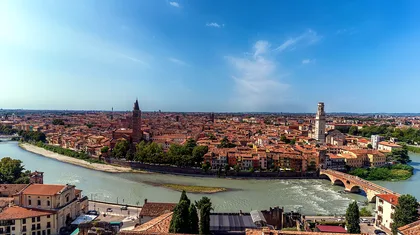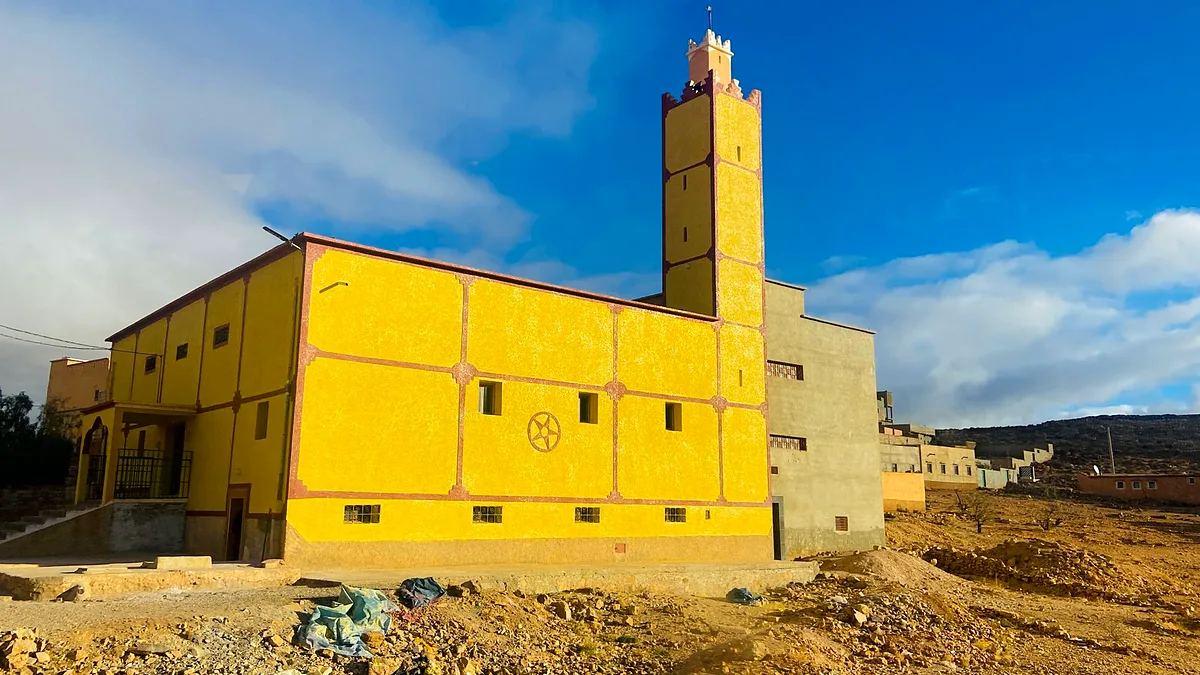

Taroudant sits on the Souss plain about 80 km east of Agadir, wrapped in a wall of red-earth rammed pisé that runs for roughly 6 km. Everyone calls it the Little Marrakech, and that nickname misses the point. Marrakech is where Moroccan crafts get sold. Taroudant is where a fair number of them are still made.
The medina is small enough to cross in 20 minutes and there is almost no hassle. Nobody follows you down a lane with a plaster snake. What you get instead is a working artisan town where a silver fibula costs what it costs, tagines are fired in a wood kiln out past the walls, and the tanner's hands are roughly the same shade as the ramparts.
Here are the workshops and heritage sites actually worth your time, plus the prices, the timings, and the things I'd skip.
Unlimited High-Speed International Travel eSIM
Connect in seconds across 180+ destinations. Instant QR code activation with zero roaming surcharges.

At a Glance: Taroudant for Craft Lovers
- Best time to visit: October to April. May to September regularly hits 40°C / 104°F, and most workshops shut from 1pm to 4pm.
- Daily budget: 350–600 MAD (~$35–60 USD) for a comfortable day; around 200 MAD (~$20 USD) if you eat at grill stalls and sleep in a basic guesthouse.
- Local transport: Walking inside the walls, petit taxis (10–20 MAD) for anything outside them, calèches for the rampart loop.
- Vibe: Slow, practical, unhurried. Friday lunchtime everything shuts for couscous.
- Time needed: Two full days to do the workshops properly. One if you're moving fast.
Souk El Arab: The Working Market, Not the Photo Op
Taroudant's main souk sits in the northeast of the medina and splits roughly into a food half and a craft half. The craft side is where you find wool rugs, hand-hammered silver, leather bags, and stacks of terracotta that were probably fired within 20 km of where you're standing.
Prices run 30 to 40 percent under Marrakech for comparable work. Rent is cheaper, and the customers are mostly local. Vendors expect a haggle, but opening quotes here tend to be sane rather than theatrical.
- Neighbourhood: Northeast medina, a 6-minute walk from Place Assarag, signed from Avenue Mohammed V.
- Cost: Free to enter. Rugs 400–2,500 MAD (~$40–250 USD); silver 200–900 MAD; leather bags 150–400 MAD.
- Best time: 8:30–11am, when stock is coming out and the light under the corrugated roof is still bearable.
- Getting there: Walk it. Any petit taxi from outside the walls drops you at Bab Ouled Borm for 10–15 MAD.
Insider tip: Ignore the argan oil in pretty gift boxes near the entrance. The culinary oil worth buying comes in plain dark bottles from a cooperative — check for a batch date, and smell it. Good culinary argan smells nutty with a peppery edge, not neutral.
Place Assarag and the Silversmith Lanes Behind It
Place Assarag is the town's living room: café terraces, orange juice carts, and a ring of small shops selling silver, thobe buttons, and Amazigh jewellery. The lanes running south and west off the square are where the actual silversmiths work, and you'll usually hear one hammering before you see the shop.
Look for Amazigh fibulae brooches, Tuareg crosses, heavy bracelets, and engraved khamsa pendants still given as wedding gifts. Most pieces are 800–925 silver, though older stock may be coin silver with a softer shine.
- Neighbourhood: Place Assarag and the lanes immediately behind it, central medina.
- Cost: Free. Fibulae 250–500 MAD (~$25–50 USD); simple pendants 120–250 MAD.
- Best time: 4–7pm, when the square cools down and the shutters come back up after the midday break.
- Getting there: Everything in the medina is within a 15-minute walk of the square.
Insider tip: Ask for the price per gram of silver and the price of the workmanship separately. A shop that won't break it down is pricing for tourists, not for the metal.
Bab Ouled Borm: Leather, Babouches and Tiny Workshops
The gate of Bab Ouled Borm anchors the leather quarter. Inside the walls you'll find shoemakers stitching babouches on wooden lasts, belt cutters, and a couple of small finishing workshops that are more shed than factory.
It smells exactly like it sounds — tannin, glue, and lanolin. Nobody minds if you stand at a doorway and watch, but ask before you photograph someone's hands. That's their livelihood, not scenery.
- Neighbourhood: Bab Ouled Borm and the two streets running off it, northeast medina.
- Cost: Free. Babouches 120–250 MAD (~$12–25 USD); belts 80–180 MAD.
- Best time: 9–11am, before the heat makes those little rooms unbearable.
- Getting there: 8 minutes on foot from Place Assarag, or a 10 MAD petit taxi from outside the walls.
Insider tip: Buy babouches snug — leather gives about half a size in a fortnight. Then check the sole: stitched soles last years, glued ones peel apart the first time you wear them in the rain.
The Ramparts and Gates: A Heritage Walk You Can Finish in Two Hours
The walls are the reason Taroudant looks the way it does. The current circuit is largely Saadian, built in the 16th century when the town briefly served as a royal capital, punctuated by around 130 towers and a handful of gates — Bab el-Kasbah in the north, Bab Ouled Borm and Bab Targhount to the east, Bab Chikr and Bab El Koudia elsewhere.
Walk the whole loop and you'll cover 6–7 km, mostly on a dirt path with the wall on one side and market gardens on the other. It's free, it's flat, and it's the best thing in town that costs nothing.
- Where: The full circuit outside the walls; start and finish at Bab el-Kasbah.
- Cost: Free. A calèche loop is 100–150 MAD (~$10–15 USD) per carriage, not per person.
- Best time: 5–6:30pm, when the wall turns orange and the light stops being punishing.
- Getting there: Bab el-Kasbah is a 10-minute walk north of Place Assarag.
Insider tip: Walk it anticlockwise and save the northern stretch near Bab Chikr for last. It has the least traffic, the widest views toward the Atlas on a clear day, and hardly anyone else on it.
Palais Claudio Bravo: A Painter's Palace Outside the Walls
The Chilean painter Claudio Bravo settled near Taroudant in the early 1970s and spent decades building a palace-museum filled with his own work, his collection, and the Moroccan craft he collected. It's about 8 km out of town and genuinely one of the more unusual sights in the Souss.
Be warned: it runs on limited and sometimes shifting hours, and it has closed for restoration in the past. Call ahead or have your riad confirm before you set out. Turning up unannounced is a coin flip.
- Where: Roughly 8 km from Taroudant off the Taliouine road; drivers know it as Palais Bravo.
- Cost: Around 50–70 MAD (~$5–7 USD) when open.
- Best time: Mid-morning, so you can pair it with a cooperative visit on the way back.
- Getting there: Petit taxis won't run that far. Book a grand taxi return for 150–200 MAD and agree the waiting time up front.
Insider tip: Fix the return fare and the wait as one number before the wheels move. There are no meters out there, and the 'waiting is extra' conversation gets expensive fast.
Argan Cooperatives and Pottery Yards on the Edges of Town
The Souss plain is argan country, and the women's cooperatives that crack, roast and press the nuts are a real part of the local economy rather than a tourist invention. A proper visit takes 30 to 45 minutes: hand-cracking, the stone mill, and the difference between cosmetic and culinary oil.
The pottery is far less formal. Family yards along the N10 toward Ouled Teima turn local clay into tagines, couscous steamers and garden pots, then fire them in wood kilns. Several will let you sit at the wheel for a half-day class if you ask a day ahead.
- Where: Cooperatives along the Taliouine and Agadir roads; pottery yards along the N10.
- Cost: Visits usually free. Culinary argan 250 ml 150–200 MAD (~$15–20 USD); cosmetic 100 ml 150–250 MAD. Pottery class 200–350 MAD.
- Best time: Weekday mornings, when the cooperatives are on a normal shift and the tour buses haven't arrived.
- Getting there: Grand taxi or a car with driver for a half day, 300–400 MAD.
Insider tip: A real cooperative shows you women cracking nuts by hand and lets you taste the oil. If the whole visit is sealed boxes, a card machine and a commission desk, it's a tour stop. Buy nothing and leave.
Where to Eat and Drink Near the Workshops
Grill Stalls Behind Place Assarag
Late afternoon, a row of charcoal grills sets up behind the square with merguez, chicken skewers and kefta. Order by pointing, eat standing, and finish with mint tea from the cart next door.
Signature: Kefta skewers with bread and cumin salt, 60–80 MAD (~$6–8 USD). Harira 10 MAD. Open roughly 5pm–10pm, cash only.
The Garden Terrace at Hotel Palais Salam
The old pasha's palace inside the kasbah is faded, slightly shabby, and completely charming — arcaded courtyards, palms, a pool nobody swims in. You don't need to be a guest to sit in the garden and order a drink.
Signature: Mint tea or a beer for 25–40 MAD (~$2.50–4 USD). Best at 6pm when the walls go pink. Skip the food; it's fine but overpriced for what it is.
Lunch at Dar Al Hossoun
A garden hotel and plant nursery about 10 minutes' drive out of town, worth it if you want one proper sit-down meal. Ask for a table under the olive trees and book the day before.
Signature: Slow-cooked lamb tagine with preserved lemon, set lunch around 200–280 MAD (~$20–28 USD). Closed to outside diners some weekdays, so call first.
Practical Logistics and Money Tips
Getting There
CTM and Supratours buses run from Agadir in about 1 hour 45 minutes for 50–70 MAD (~$5–7 USD). Grand taxis from Agadir or Inezgane cost around 40–50 MAD per seat and are faster. From Marrakech it's a 3.5-hour drive via the A7. There is no useful train.
Getting Around and Paying
Walk everywhere inside the walls — it's genuinely faster than a car. Outside them, agree the petit taxi fare before you get in; 10–20 MAD covers most trips in town. Bring cash. The ATMs on Avenue Mohammed V run dry on weekends and public holidays, and almost no workshop takes cards.
| Item | Typical price (MAD) | Approx. USD |
|---|---|---|
| Mint tea | 8–12 | ~$1 |
| Tagine in a simple restaurant | 45–70 | $5–7 |
| Riad double room, mid-range | 400–900 | $40–90 |
| Petit taxi in town | 10–20 | $1–2 |
| Calèche loop, per carriage | 100–150 | $10–15 |
| Half-day car with driver | 300–400 | $30–40 |
What to Skip
- Unofficial guides at Bab el-Kasbah. They'll offer a medina tour, then steer you into a cousin's shop. The medina is tiny; you don't need one.
- Argan oil sold in riad gift shops. You'll pay double the cooperative price for the same bottle.
- Camel rides staged along the ramparts. Short loops, thin animals, and no shade. Walk the wall instead.
- Midday shopping in July and August. Shops close, streets empty, and you'll just be hot and disappointed.
Frequently Asked Questions
Is Taroudant worth visiting for crafts?
Yes, especially if you want to buy directly from makers instead of resellers. Prices run well below Marrakech and the workshops are small enough that you can watch the work happening.
How do I get from Agadir to Taroudant?
Take a CTM or Supratours bus from Agadir for 50–70 MAD, roughly 1 hour 45 minutes, or a grand taxi from Inezgane for about 40–50 MAD per seat. Buses are more comfortable; grand taxis are quicker.
Can you buy argan oil directly from cooperatives near Taroudant?
Yes, and it's the best way to buy it. Look for a cooperative where women are hand-cracking nuts on site, taste before you buy, and expect 150–250 MAD for a good bottle.
Are the artisan workshops open every day?
Most open Monday to Saturday from about 8:30am, with a long midday break. Friday afternoons are quiet to dead because of couscous lunch, and many small workshops close entirely.