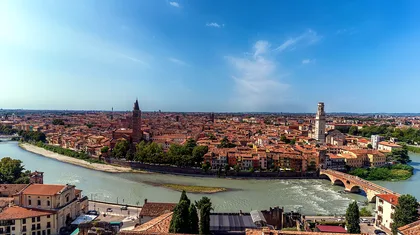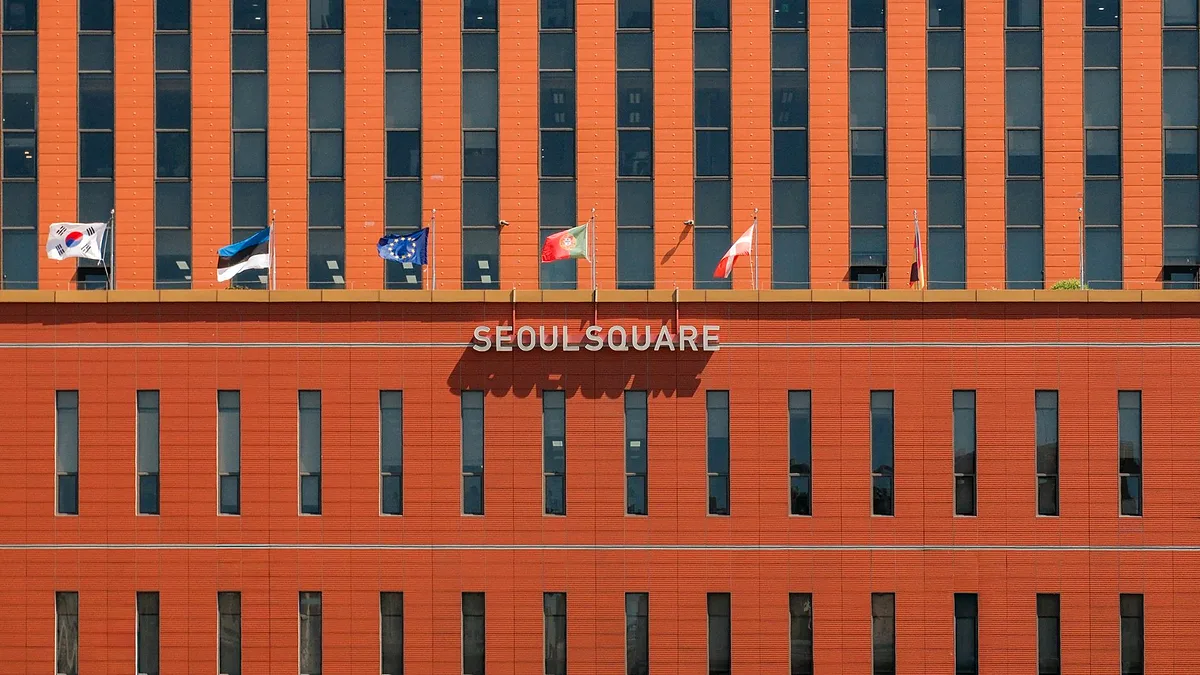

Seoul's famous sights are easy to find and even easier to queue for. The palace guard change, the Myeongdong cosmetics floor, the Namsan cable car — all loud, all signposted, all photographed a thousand times before you land.
The better art scene hides behind plain doors. Private museums run by collectors sit inside 1970s architectural landmarks. A 1930s inn in an Insadong back alley now shows installation work. Bars without signage pour ₩25,000 cocktails to twelve people at a time.
This guide is for travelers who would rather spend an afternoon with two other people in a hanok gallery than fight for space at a selfie spot. Everything below is real, currently open, and mostly reachable on subway Line 3.
Unlimited High-Speed International Travel eSIM
Connect in seconds across 180+ destinations. Instant QR code activation with zero roaming surcharges.

Seoul at a Glance
- Best time to visit: Late September to early November, or the two weeks in May when the Gansong Art Museum opens. Weekday mornings are quietest everywhere.
- Typical daily budget: ₩90,000–150,000 (~$65–110) for a midrange day of two galleries, lunch, coffee, and one good cocktail.
- Getting around: Subway plus walking. Buy a T-money card at any convenience store and tap in. Google Maps is unreliable here — use Naver Map or Kakao Map.
- Vibe: Slow, rainy-day quiet, lots of shoe-removal and hushed courtyards. Not a party itinerary.
1. Arario Museum in Space: A Collector's Private Obsession
Kim Chang-il made his money in gaming and fashion, then spent decades buying art most public museums could not afford. He also bought the 1971 Space building, a brick-and-concrete landmark by architect Kim Swoo-geun, and installed his own collection inside it.
The result is dense and slightly chaotic in the best way. A Nam June Paik robot sits a staircase away from a Warhol, and the spiral ramp forces you to look up rather than walk straight past. Wall labels are minimal, so grab the free English guide at the desk.
- Neighborhood: Wonseo-dong, Jongno-gu, just east of the Changdeokgung wall
- Cost: ₩15,000 (~$11)
- Best time: 10:00–12:00 on a weekday, before the afternoon student groups
- Getting there: Anguk Station (Line 3), Exit 3, then an 8-minute walk
Insider tip: The museum closes Mondays and does not sell timed tickets online — arrive early and pay at the door. The top-floor terrace over the Changdeokgung roofs is free with your ticket and almost always empty.
2. Hakgojae Gallery: Korea's Oldest Private Gallery
Founded in 1988 by Woo Chan-kyu, Hakgojae is the oldest private gallery in the country and still the clearest place to see how modern Korean art connects to traditional ink painting. The building is a hanok-style structure with a glass courtyard, and entry costs nothing.
Shows rotate every six to eight weeks and mix blue-chip names like Park Soo-keun with younger artists working in video and fabric. Because it is free and the sign is modest, a surprising number of people walk straight past the gate.
- Neighborhood: Samcheong-dong, Jongno-gu, on the road toward Gyeongbokgung's east gate
- Cost: Free (some opening receptions are invite-only)
- Best time: 10:00–13:00, Tuesday to Saturday
- Getting there: Anguk Station (Line 3), Exit 1, 7 minutes on foot
Insider tip: It closes Sundays and Mondays, and staff genuinely do not mind if you only want to sit in the courtyard for ten minutes. The nearby Kukje Gallery and ONE AND J. Gallery are within a five-minute walk if you want to string together a free gallery crawl.
3. Whanki Museum: The Hillside Shrine to Blue Dots
Kim Whanki's blue dot paintings now sell for millions at auction. This small museum in Buam-dong, designed by architect Woo Kyu-seung, holds the largest single collection of his work plus sketchbooks, letters, and the small Paris studio pieces from his final years.
Getting there takes real effort, which is exactly why it stays calm. The building steps down a slope toward the old city wall, and on a clear day you can see the Bukhansan ridges from the terrace.
- Neighborhood: Buam-dong, Jongno-gu, below the fortress wall
- Cost: ₩7,000 (~$5)
- Best time: Right at 10:00 opening, then walk the wall afterward
- Getting there: Bus 1020 or 7022 from Gyeongbokgung Station (Line 3), roughly 15 minutes
Insider tip: Closed Mondays. Skip the taxi — the bus drops you at the door and a cab from Gwanghwamun costs about ₩9,000 (~$7) because of the one-way roads. Stop at the dumpling shop five minutes downhill on your way out.
4. Boan Inn: A 1930s Lodging House Turned Art Space
The Boan Inn opened in the 1930s as cheap lodging for travelers arriving at Seoul Station. A group of artists took over the timber building in 2013 and now run it as a nonprofit exhibition space with a tiny bookshop and a heated-floor courtyard.
You wander between rooms with paper doors, duck under low beams, and end up talking to whoever is minding the front desk — usually an artist in residence. Shows change monthly and lean experimental: sound pieces, textile work, small press launches.
- Neighborhood: Gwanhun-dong, Jongno-gu, in the alleys behind Insadong's main street
- Cost: Free for the gallery; evening events usually ₩10,000 (~$7.50)
- Best time: Wednesday to Sunday, 13:00–18:00
- Getting there: Anguk Station (Line 3), Exit 6, 5 minutes on foot
Insider tip: Hours are loose and sometimes the doors are locked with no notice — check their Instagram the morning you plan to go. While you are in the alley, look for the small tofu restaurant two doors down instead of eating on Insadong's main drag.
5. Gansong Art Museum: Open Two Weeks a Year
Jeon Hyeong-pil collected Goryeo celadon and Korean painting during the Japanese occupation, when many pieces were quietly leaving the country. His foundation keeps the collection in a traditional house in Seongbuk-dong and opens it to the public for roughly two weeks each May and two weeks each October.
Entry is free. You queue, you remove your shoes for some rooms, and photography is not allowed. It is one of the few places in Seoul where you can stand an arm's length from a national treasure instead of viewing it behind glass in a crowd.
- Neighborhood: Seongbuk-dong, Seongbuk-gu
- Cost: Free
- Best time: First morning of the opening week, before 10:00
- Getting there: Bus 1111 or 2112 from Hansung University Station (Line 4)
Insider tip: Dates are announced only a few weeks ahead on the foundation's site, and they shift slightly every year — do not build a trip around it unless you have confirmed the current year's window. Bring cash for the small catalogue table.
6. The Seoul Club: Getting Past the Gate Legitimately
The Seoul Club has occupied its Jangchung-dong grounds since the early 1960s and still runs on old rules: members, their guests, and visitors from reciprocal clubs abroad. The dining room looks like a 1970s diplomatic outpost, and that is the appeal.
If you belong to a city club, university club, or similar institution at home, email your club's secretary two to three weeks before you travel and ask for a letter of introduction. With one, you can usually use the dining room and lawn for a day or two.
- Neighborhood: Jangchung-dong, Jung-gu, near Dongguk University Station (Line 3)
- Cost: No entry fee; lunch runs ₩35,000–60,000 (~$26–45) per person
- Best time: Weekday lunch, when the room is quietest
- Getting there: Dongguk University Station (Line 3), Exit 5, 5 minutes on foot
Insider tip: There are no walk-ins. If your name is not on the list, the front desk will politely turn you around — call ahead from your hotel and confirm before you make the trip.
7. Unmarked Basements: Seoul's Speakeasy Circuit
Seoul borrowed the speakeasy format and improved it with better ice. Charles H. in the basement of the Four Seasons is the benchmark: no sign on the street, a rope at the door, and a gin-heavy list built on Prohibition-era recipes.
Le Chamber in Cheongdam hides behind a bookshelf door and mixes classics with Korean ingredients. Bar Cham, in a hanok in Seochon, uses local spirits and seasonal fruit, and the bartender will ask what you usually drink before suggesting anything.
- Neighborhoods: Jongno (Charles H.), Cheongdam-dong (Le Chamber), Seochon (Bar Cham)
- Cost: ₩22,000–30,000 (~$16–22) per cocktail; expect a two-drink minimum at peak times
- Best time: 18:00–20:00, before the reservation blocks fill
- Getting there: Line 3 to Gyeongbokgung (Charles H. and Bar Cham); Line 7 to Cheongdam (Le Chamber)
Insider tip: Book through CatchTable or KakaoTalk a week out, especially Thursday to Saturday. Charles H. has a dress code that rules out flip-flops and sports shorts, and the doorman enforces it.
Where to Eat Near the Galleries
Jaha Son Mandu (Buam-dong)
A tiny kitchen doing hand-pinched mandu and rich dumpling soup, five minutes downhill from the Whanki Museum. Order the kimchi mandu and the boiled version; together they run about ₩22,000 (~$17) for two.
It closes in the early evening and runs out of dough most days, so go for lunch. Cash and cards both work, but there is often a 15-minute wait at 12:30.
Suyeonsanbang (Seongbuk-dong)
A hanok tea house in the former home of novelist Lee Tae-jun, with a garden that makes you forget you are in a city of ten million. Tea is ₩9,000–13,000 (~$7–10) and the rice cakes are worth the extra ₩6,000 (~$4.50).
It is the natural stop after the Gansong Art Museum, a short walk away. Shoes off, phones quiet, no rushing.
Gwanghwamun Gukbap (Seochon)
A pork-and-rice soup shop that locals queue for at lunch, serving a deep, peppery bowl for around ₩11,000 (~$8). Add the sundae sausage if you eat it; skip it if you do not.
Go before noon or after 13:30. It is a ten-minute walk from both Hakgojae and the Arario Museum.
Practical Logistics and Budget Tips
Transit hacks
Buy a T-money card at any convenience store for ₩2,500 (~$2) and load it as you go. A single subway ride is about ₩1,500 (~$1.10), and transfers between lines are free within the system.
Most of this itinerary sits inside a walkable triangle between Anguk, Gyeongbokgung, and Jongno 3-ga. Wear shoes you can slip off — you will be taking them off at tea houses and some museum rooms.
What it actually costs
| Item | Typical cost |
|---|---|
| Subway ride | ₩1,500 (~$1.10) |
| Private gallery entry | ₩0–15,000 (~$0–11) |
| Coffee in Samcheong-dong | ₩6,000–8,000 (~$4.50–6) |
| Cocktail at a speakeasy | ₩22,000–30,000 (~$16–22) |
| Lunch (gukbap or mandu) | ₩10,000–16,000 (~$7.50–12) |
| Full midrange day | ₩90,000–150,000 (~$65–110) |
What to skip
Skip Insadong's main street, where the pottery is imported and the tea is priced for tour buses. Skip the trick-eye photo museums and the N Seoul Tower observation deck on a hazy day — you will pay ₩21,000 (~$16) to look at fog.
Also watch the calendar: nearly every private gallery in Seoul closes on Monday, and many close Sunday too. Two museums on a Monday morning is a wasted morning.
One honest heads-up
Some of these places have irregular hours run by small teams, and a closed door is not a scam — it is just Korea's independent art scene operating on its own schedule. Always check the venue's Instagram the same morning before you cross the city.
Book the bars and the Seoul Club first. Galleries will still be there at 2 p.m., but a twelve-seat bar will not hold your table.
Frequently Asked Questions
Are Seoul's private galleries free to enter?
Many are, including Hakgojae and the Boan Inn, while collector-run museums like Arario and the Whanki charge ₩7,000–15,000 (~$5–11). The Gansong Art Museum is free but only opens for about two weeks in May and two weeks in October.
How do you get into members-only clubs in Seoul?
You need a member's invitation or a letter of introduction from a reciprocal club in your home country, arranged two to three weeks ahead. Walk-ins are refused at places like the Seoul Club, so confirm your name is on the list before you go.
What day should I avoid for gallery visiting in Seoul?
Monday, without question — most private museums and galleries close, and several also shut on Sunday. Tuesday to Saturday, 10:00 to 13:00, is the safest and quietest window.
Do I need to reserve speakeasy bars in Seoul in advance?
Yes for anywhere small and popular — Charles H., Le Chamber, and Bar Cham all fill their seatings a week out. Use CatchTable or KakaoTalk, and aim for an 18:00 slot if you want a table without a long wait.