
Seattle's best stories aren't at the top of the Space Needle. They're in a hot shop in Belltown where someone is turning molten glass on the end of a five-foot steel pipe, and in the brick alleys of Pioneer Square, a neighborhood literally built on top of itself after the Great Fire of 1889.
This guide is built around two things Seattle does better than almost any American city: teaching people to make things with their hands, and preserving the messy layers of its own history. You'll blow glass, throw clay, and walk through a Chinatown that has been here since the 1860s.
Everything below is reachable by bus or light rail, priced realistically, and honest about when a place isn't worth your afternoon.

At a Glance
- Best time to visit: Late April through May, or September through October. Dry-ish weather, smaller crowds, and studios are past their New Year's resolution rush.
- Daily budget: $110 to $190 per person, including one workshop or museum ticket, transit, and two real meals.
- Getting around: Link light rail plus King County Metro buses. Skip the rental car unless you're leaving the city.
- Vibe: Flannel, sawdust, and people who genuinely want to teach you their trade. Nobody here is precious about craft.
1. Pratt Fine Arts Center: The Best $70 You'll Spend in Seattle
Pratt sits at the edge of a quiet park in the Central District, in a low building that looks more like a community workshop than an arts institution. Inside there's a glass shop, a blacksmithing forge, a print studio, and a woodshop, all open to beginners. Founded in the 1970s with a mission of access over prestige, it still runs on the idea that anyone can learn a trade with two hands.
One-day workshops are the move for visitors: cast a pewter pendant, pull a screen print, or try your hand at the torch. You leave with something you made and a decent idea of whether you want to come back for eight weeks.
- Neighborhood: Central District, at Pratt Park (1902 S Main St)
- Cost: One-day workshops $65–$120 (~$65–$120 USD); 8-week classes $340–$550
- Best time: Weekday evening sessions are the least crowded and the instructors have more time
- Getting there: Metro route 27 on Yesler Way, or a 15-minute walk from the International District/Chinatown light rail station
Insider tip: The quarterly catalog drops online and popular classes vanish within hours. Set a calendar reminder for the day registration opens, and don't bother calling the front desk beforehand, they'll just tell you to book online.
2. Seattle Glassblowing Studio: Make a Paperweight Before Lunch
Belltown's hot shop runs walk-in "make your own" sessions all day, and the instructors do the dangerous parts. You choose a color, they gather the molten glass from a 2,000°F furnace, and you shape it with wooden blocks and wet newspaper while they keep you from burning your eyebrows off. It takes about 30 minutes from start to pickup.
The space is open to the street, so even if you only watch, you get a free show. It's a good rainy-day call, which in Seattle means it's a good call most days.
- Neighborhood: Belltown (2227 5th Ave)
- Cost: Paperweight about $85 (~$85 USD); ornament roughly $65; seasonal pumpkins $70–$95
- Best time: Weekday mornings before 11 a.m., when the studio is calm and you get more furnace time
- Getting there: 10-minute walk from Westlake Station, or any bus running along 3rd Avenue
Insider tip: Wear cotton and short sleeves. Synthetics near a glory hole are a genuinely bad idea, and you'll be standing close to one.
3. Pottery Northwest: Seattle's Oldest Clay Studio
Founded in 1965 and still operating on the same Lower Queen Anne block, Pottery Northwest is where a lot of Seattle's working ceramicists got their start. It's a functioning studio, not an attraction, which is exactly why it's worth a stop: you can watch residents throw at the wheel through the studio windows and see actual work happening.
The front gallery is free and rotates every few weeks. If you've ever wanted to learn to throw, their eight-week courses are the real deal, though you'll need to plan a return trip.
- Neighborhood: Lower Queen Anne, near Seattle Center (226 1st Ave N)
- Cost: Gallery free; 8-week courses roughly $395–$475 (~$395–$475 USD)
- Best time: Weekday afternoons, when the studio is full of people working rather than classes in session
- Getting there: Metro routes 1, 2, and 13 stop within two blocks; 10 minutes on foot from the Space Needle
Insider tip: Their holiday sale in early December is where Seattle locals buy handmade mugs for $20 to $40. Get there in the first hour or the good pieces are gone.
4. Pioneer Square: A City Built on Top of Itself
After the 1889 fire leveled 25 blocks, Seattle rebuilt at a higher grade, leaving the original street level intact underneath. Bill Speidel's Underground Tour runs 75 minutes through those buried passages, and it's more of a comedy history lecture than a museum walk. It's genuinely entertaining, and it explains why the sidewalks here have glass skylights you can accidentally step on.
Above ground, the Smith Tower's 35th-floor observatory charges about $28 and gives you a better view than the Space Needle for less money, with a bar. A block away, the Klondike Gold Rush National Historical Park is free and covers the 1897 stampede that briefly made Seattle the richest city per capita in America.
- Neighborhood: Pioneer Square (tour entrance at 608 1st Ave)
- Cost: Underground Tour $25 adults (~$25 USD); Smith Tower $28; Klondike park free
- Best time: Take the 10 a.m. Underground slot, then hit Smith Tower before the afternoon crowds
- Getting there: Pioneer Square Station on Link light rail, exit at 3rd and James
Insider tip: Look for the Tlingit totem pole in Pioneer Square Park. A group of Seattle businessmen stole it from a Tlingit village in 1899; it took until 2001 for a replacement to be returned and the original to go home to Alaska. It's the most interesting story in the square and most visitors walk right past it.
5. Wing Luke Museum: A Historic Hotel Full of Stories
The Wing Luke occupies a 1910 hotel in the Chinatown-International District, and that's the point. Rather than white-walled galleries, exhibits run through actual rooms where families lived, including the Freeman Hotel and the Panama Hotel next door, which still holds the unclaimed belongings of Japanese American families sent to internment camps during World War II.
The museum also runs hands-on workshops tied to the neighborhood: paper lantern making, brush calligraphy, dumpling classes. They fill fast but they're the most direct way to connect with the district's living culture.
- Neighborhood: Chinatown-International District (719 S King St)
- Cost: $19.95 adults (~$20 USD); free on first Thursday evenings and for kids under 5
- Best time: Tuesday to Friday, midday, when you can join a historic hotel tour without waiting
- Getting there: International District/Chinatown Station, three-minute walk from the exit
Insider tip: Pay the small upcharge for the Historic Hotel Tour. It's the only way to get inside the preserved rooms and the Panama Hotel basement, and it sells out before noon on weekends. The museum is closed Mondays.
6. National Nordic Museum and the Ballard Waterfront
Ballard was a Scandinavian fishing town long before it was a neighborhood full of breweries, and the Nordic Museum tells that story without turning it into a theme park. The building itself, with its pale fjord-like facade and skylit atrium, is worth the ticket. Inside, the immigrant story is told plainly: fishing boats, logging camps, and the women who held the community together.
Afterward, walk 15 minutes down to the Ballard Locks, where you can watch salmon climb the fish ladder from June through September, free of charge. It's the best free heritage stop in the city.
- Neighborhood: Ballard (2655 NW Market St)
- Cost: $18 adults (~$18 USD); free on first Thursdays; locks are always free
- Best time: Thursday evenings after 5 p.m., or weekend mornings before 11 a.m.
- Getting there: RapidRide D Line from downtown, about 25 minutes
Insider tip: The museum is closed Mondays and Tuesdays. Check the Locks schedule for small-boat traffic before you go, because watching a sailboat navigate the locks is half the fun.
7. Duwamish Longhouse & Cultural Center
This cedar longhouse on the west bank of the Duwamish River is the headquarters of the Duwamish Tribe, whose ancestors lived here for thousands of years and who are still fighting for federal recognition. The building is stunning, with hand-carved house posts and a river view, but the real value is talking to the staff.
It's a working cultural center, not an interpretive exhibit, so come curious and respectful rather than expecting placards. Ask about the river restoration work and the annual spring salmon bake.
- Neighborhood: West Seattle, along the Duwamish River (4705 W Marginal Way SW)
- Cost: Free, donations appreciated and genuinely used
- Best time: Weekday afternoons; call or check the website first, since hours shift with a small staff
- Getting there: Metro route 21 along West Marginal Way, or the Duwamish River Trail by bike from downtown
Insider tip: Ask before photographing anything inside. This is a community space first, and that courtesy goes a long way.
Where to Eat and Drink Nearby
Tai Tung (655 S King St, Chinatown-ID). Open since 1935 and still run by the same family, this is Seattle's oldest Chinese restaurant and Bruce Lee's old regular spot. Expect $12–$16 plates; order the honey walnut prawns or the beef chow fun and ignore the fluorescent lighting.
Hood Famous Bakeshop (504 5th Ave S, Chinatown-ID). Ube cheesecake by the slice for about $8.50, plus calamansi pie and a Filipino breakfast plate under $15. Tiny, busy, and the best baking in the district.
Un Bien (7302 15th Ave NW, Ballard). The Caribbean roast sandwich, a pressed baguette with pork, caramelized onion, and aioli, runs about $14. There's no indoor seating and a permanent line at lunch, which tells you everything.
Practical Logistics and Budget Tips
Tap your phone or a contactless card on buses and light rail; every King County Metro bus is a flat $2.75, and Link light rail runs $2.25–$3.50 by distance. From Sea-Tac Airport to downtown is $3.25 and takes about 40 minutes, which beats a $45 rideshare every time.
Book workshops two to four weeks ahead for glassblowing and six to eight weeks for pottery classes. Walk-in sessions exist but vanish on rainy weekends. First Thursdays are free at the Wing Luke and the Nordic Museum, so plan a loop if your trip lines up.
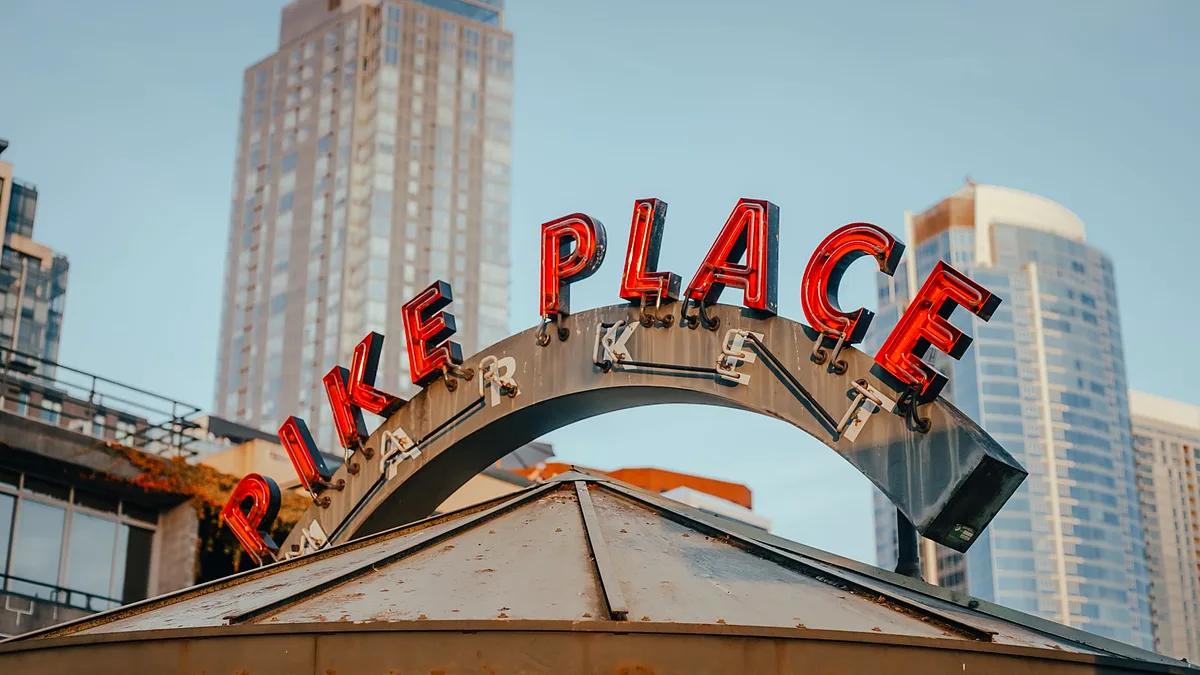
What to skip: The Space Needle observation deck runs $35–$40 and the line eats an hour; Smith Tower costs less and includes a bar. Pike Place Market between 11 a.m. and 2 p.m. is shoulder-to-shoulder, so go at 8 a.m. or skip to the lower levels. The Gum Wall is exactly what it sounds like. And skip the $150 "craft experience" packages sold through third-party booking sites, since every studio on this list sells directly for a fraction of that.
Frequently Asked Questions
Do I need to book Seattle glassblowing or pottery classes in advance?
Yes, for anything structured. Walk-in glassblowing at Seattle Glassblowing Studio is usually possible on weekday mornings, but multi-week pottery courses at Pottery Northwest sell out the day registration opens each quarter.
Which Seattle museums and heritage sites are free?
The Klondike Gold Rush National Historical Park and the Duwamish Longhouse are free, as is the Ballard Locks fish ladder. The Wing Luke and National Nordic museums are free on first Thursdays.
Is the Underground Tour worth it, or is it a tourist trap?
It's worth it if you take the first morning slot and go in expecting a history lecture with jokes rather than a polished attraction. Skip it if you're claustrophobic or short on time, and do the Smith Tower instead.
Can I visit Ballard and Pioneer Square without a car?
Easily. Link light rail covers Pioneer Square and the Chinatown-International District, and the RapidRide D Line runs from downtown to Ballard in about 25 minutes for $2.75.