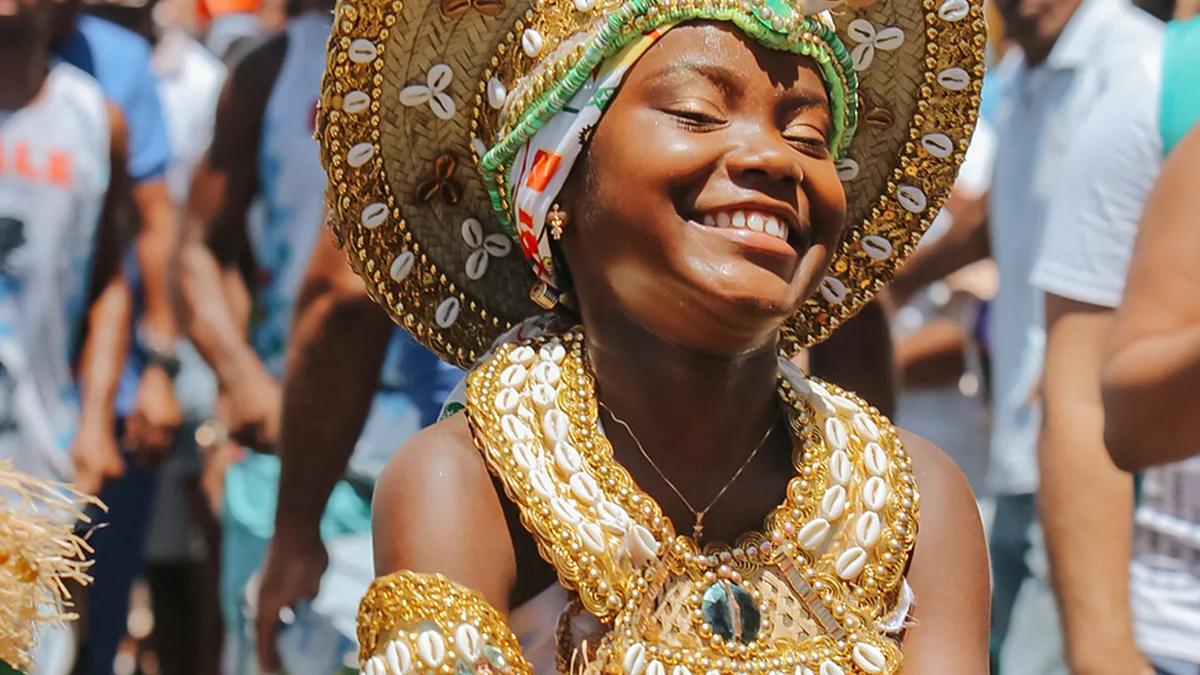

Salvador was Brazil's first capital, and it wears that history in public. Walk ten minutes through Pelourinho and you pass a 17th-century church, a woman stringing Candomblé beads at a folding table, and a drum rehearsal rattling the windows above her.
The artisan scene here is not a museum piece. It is a working economy tied to religion, Carnival and food, which means you can watch, buy, and often join in for the price of a coffee.
This guide covers the workshops and heritage sites actually worth your time, with honest prices and a few things to skip.
Unlimited High-Speed International Travel eSIM
Connect in seconds across 180+ destinations. Instant QR code activation with zero roaming surcharges.

- Best time to visit: September to November. Dry, warm, thinner crowds. Avoid Carnival week unless you love chaos and triple prices.
- Daily budget: R$220–500 (~$40–90) per person for a mid-range day: one paid site, one workshop, two proper meals.
- Getting around: Metro Linha 1 to Lapa, then walk or ride the Elevador Lacerda. Uber and 99 are cheap for cross-town hops.
- Vibe: Loud, warm, unhurried in the mornings and drum-heavy after 7pm.
Pelourinho Ateliers: Rua Gregório de Matos and Largo do Cruzeiro
The best concentration of working studios in Salvador sits on the slope between Largo do Cruzeiro de São Francisco and Rua Gregório de Matos. Look up. Many ateliers are on the first floor of colonial townhouses, with a small painted sign and a staircase that smells of old wood.
You will find filigree silver, Bahian lace, carved wooden orixá figures, and hand-rolled cigars from the Recôncavo. Prices start around R$40 (~$7) for a beaded bracelet and climb past R$600 (~$110) for a signed sculpture. Buying direct from the maker is normal and expected.
- Neighborhood: Pelourinho, Centro Histórico
- Cost: Free to browse; pieces R$40–600 (~$7–110)
- Best time: 10am–3pm on weekdays, when shops are open and the cruise crowds have not landed
- Getting there: Metro Linha 1 to Lapa, then a 12-minute uphill walk, or ride the Elevador Lacerda from Comércio for R$0.15 (~3 cents)
Insider tip: Skip the first two blocks of souvenir stalls on Ladeira do Pelourinho. Walk one street further to Gregório de Matos and ask shopkeepers who actually makes the pieces on the shelf. The ones who name a person are the real deal.
Igreja de São Francisco and the Black Brotherhood Churches
The Church of Saint Francis is the most photographed interior in Bahia, and it earns it. Roughly 800 kilos of gold leaf cover the nave, and the cloister's blue azulejo tiles were shipped from Lisbon in the 1740s. Give it 40 minutes, not 10.
Then walk five minutes to Igreja do Rosário dos Homens Pretos on Largo do Pelourinho. Built by enslaved and free Black parishioners in the early 1700s, it is still an active Afro-Brazilian Catholic church and often hosts evening Masses with drumming. That contrast is the whole story of Salvador in two buildings.
- Neighborhood: Pelourinho (São Francisco at Largo do Cruzeiro; Rosário at Largo do Pelourinho)
- Cost: São Francisco R$10 (~$2); Rosário is free, donations welcome
- Best time: Weekday mornings for São Francisco; Rosário at a scheduled evening Mass
- Getting there: Both are a 5-minute walk from Praça da Sé, inside the pedestrian core
Insider tip: São Francisco closes to tourists during Mass and stops admitting visitors around 4:30pm. Do not plan it as your last stop of the day.
Museu Afro-Brasileiro (MAFRO)
MAFRO occupies the ground floor of the old Faculty of Medicine building on Terreiro de Jesus, and it is the single best 90 minutes you can spend on Afro-Brazilian religion before visiting any workshop. The collection covers Candomblé, Umbanda, Carnival and the transatlantic slave trade without softening anything.
The reason to come is Carybé. His cedar panels of the 27 orixás are carved rather than painted, and standing in front of them makes the beadwork and carved figures in Pelourinho's shops suddenly readable.
- Neighborhood: Terreiro de Jesus, Centro Histórico
- Cost: R$10 (~$2), plus a small optional fee for the adjacent medical museum
- Best time: Right at opening, before the tour groups arrive
- Getting there: 2-minute walk from Praça da Sé; ask for Terreiro de Jesus
Insider tip: Read the orixá panels left to right and photograph the labels. You will recognise the same figures in shop windows all afternoon, and vendors respect a buyer who knows what they are looking at.
Feira de São Joaquim
This is where Salvador actually shops. Feira de São Joaquim sprawls across the Cidade Baixa near Água de Meninos, selling straw baskets, leather sandals, clay cooking pots, herbs, Candomblé supplies, and live chickens in the same aisle.
It is rough around the edges and not curated for visitors, which is exactly why craft prices here run 30–50% below Mercado Modelo. Come for the atmosphere and the materials, not for polished souvenirs.
- Neighborhood: Cidade Baixa, near Água de Meninos
- Cost: Free entry; baskets from R$25 (~$5), leather sandals R$80–140 (~$15–26)
- Best time: Saturday from 7am to 10am, when produce and people peak
- Getting there: Short Uber from Pelourinho (about R$20 / ~$4) or a local bus from Comércio; go with someone and keep phones out of sight
Insider tip: Bring cash and small notes. Ask before photographing any stall selling Candomblé items, and never haggle on food.
Olodum and the Pelourinho Drum Schools
Olodum's headquarters on Rua das Laranjeiras is a plain building with a world-famous sound coming out of it. The group runs a percussion school for local kids and holds public rehearsals that turn the Largo Tereza Batista into a wall of samba-reggae drums.
Several smaller blocos afro and samba schools around Pelourinho also open rehearsals and drop-in drum classes. If you play anything at all, an hour with a Bahian instructor will rewire your sense of rhythm.
- Neighborhood: Pelourinho
- Cost: Rehearsal tickets roughly R$40–60 (~$8–12); drop-in drum classes R$80–150 (~$15–28)
- Best time: Sunday evenings for rehearsals; weekday afternoons to ask about classes
- Getting there: Walkable from Largo do Pelourinho; ask the tourist police post for the correct door
Insider tip: Buy at the door rather than from online resellers, and arrive 30 minutes early to stand near the front. Earplugs are not a joke here.
Capoeira in Santo Antônio Além do Carmo
Cross the Ladeira do Carmo and the mood changes. Santo Antônio Além do Carmo is quieter, hillier, and full of small studios where capoeira is taught as a discipline, not a floor show. Evening rodas spill out of doorways onto the cobblestones.
Drop-in classes for visitors are common and usually welcomed if you call ahead. Wear trousers, bring water, and expect to be corrected constantly, which is the point.
- Neighborhood: Santo Antônio Além do Carmo
- Cost: Drop-in class R$50–80 (~$9–15); rodas are free, donations appreciated
- Best time: Weekday evenings from 6pm; sunset at Largo do Santo Antônio
- Getting there: 15-minute walk from Pelourinho along Ladeira do Carmo; Uber from Barra around R$25 (~$5)
Insider tip: The rodas staged on Praça da Sé and Terreiro de Jesus for tourists are fine to watch but partly performance. Ask at any studio for the next open roda and you will see the real thing.
Candomblé Heritage: Dique do Tororó and Terreiro Visits
Start with the free one. The Dique do Tororó holds eight monumental orixá sculptures standing in the water, and it is the clearest introduction to the deities whose colours and symbols fill every workshop in the city.
For a terreiro visit, houses such as Ilê Axé Opô Afonjá and Casa de Oxumarê receive guests by prior arrangement only. These are places of worship, not attractions, and dress and photography rules are strict.
- Neighborhood: Tororó for the Dique; São Gonçalo do Retiro and Vasco da Gama for the terreiros
- Cost: Dique is free; terreiro visits usually involve a donation or a guide's fee (R$50–100 / ~$9–18)
- Best time: Late afternoon at the Dique for light; terreiro visits on their scheduled open days
- Getting there: Dique do Tororó is a 20-minute walk from Campo Grande or a short Uber
Insider tip: Never photograph a terreiro ritual without explicit permission, and do not wear black or shorts to a formal visit. Ask your hotel to arrange the introduction; showing up unannounced is not acceptable.
Where to Eat and Drink Nearby
Cantina da Lua (Terreiro de Jesus) has been feeding the square since the 1960s and still serves a solid moqueca for R$70 (~$13). Go at 11:30am to beat the tour buses; the upstairs tables are calmer.
Acarajé da Cira in Rio Vermelho is the standard by which other acarajé is judged. Expect R$18–25 (~$3–5) for one split and stuffed with vatapá and shrimp, and an hour of standing around talking. Open evenings, Tuesday to Sunday.
Sorveteria da Ribeira has been scooping since 1931 in the Ribeira neighborhood, two streets from the water. A cone is R$12–18 (~$2–3) and the tamarind flavour is the one locals order.
For a nightcap, Bar do Cravinho in Pelourinho pours cachaça infusions for around R$10 (~$2) a shot, with live samba most evenings.
Practical Logistics and Budget Tips
Buy a SalvadorCard at any metro station for bus and metro integration. Linha 1 to Lapa is your gateway to the historic centre; from there it is a steep 12-minute walk or a R$0.15 elevator ride.
Uber and 99 work well and cost far less than you would expect: Pelourinho to Rio Vermelho is roughly R$25 (~$5), and the airport run is around R$90 (~$17).
| Item | Realistic cost |
|---|---|
| Hostel dorm bed | R$90–130 (~$16–24) |
| Simple lunch (prato feito) | R$25–40 (~$5–7) |
| Museum entry | R$10 (~$2) |
| Drum class or capoeira drop-in | R$50–150 (~$9–28) |
| Handmade artisan piece | R$40–600 (~$7–110) |
Cash still matters. Many ateliers, acarajé stands and market stalls take Pix or cash only, and card machines fail on rainy days.
What to skip: the R$200+ folklore dinner-and-show packages (you can see better capoeira for free), photo-menu restaurants on the main Pelourinho squares, and identical souvenir stalls at Mercado Modelo if you have already been to São Joaquim.
Honest heads-up: Pelourinho is fine by day and on the lit squares at night, but the side streets and the walk down toward Comércio get quiet fast after 9pm. Do not walk the Ladeira da Montanha with a phone in your hand, and firmly refuse anyone who ties a bracelet on your wrist and then asks for payment.
Frequently Asked Questions
Is Pelourinho safe to explore on foot?
Yes during daylight and on the main squares in the evening, where police presence is heavy. Use common sense after 9pm: stay on lit streets, avoid empty ladeiras, and take a short Uber instead of walking back to your hotel.
Can I buy directly from artisans in Salvador?
Almost always. Most Pelourinho ateliers are run by the maker, and buying direct is normal. Ask who made a piece, pay in cash for a small discount, and avoid shops that cannot name the artist.
Do I need to book a Candomblé terreiro visit in advance?
Yes, always. These are active houses of worship, not tourist sites, and visits happen by prior arrangement through a guide or your hotel. Do not show up unannounced or photograph rituals without permission.
How much does a drum or capoeira class cost in Salvador?
Expect R$50–150 (~$9–28) for a drop-in class, with drums at the higher end if an instrument is provided. Rehearsals and open rodas are usually free or cost a small donation.