
Puglia in winter belongs to the people who actually live there. The lidos are shuttered, the trulli car parks are half empty, and the region's cultural life moves indoors — into private palazzi, converted workshops and members' clubs that never bothered to advertise.
That is the trip worth planning between November and March. You get the same Romanesque churches and Baroque facades, plus something summer visitors rarely see: gallery owners with time to talk, ceramists mid-kiln, and club stewards who will pour you a glass of Primitivo if you turn up curious and polite.
This route runs from Bari down to Lecce with detours inland. It assumes you can handle 10°C, a day or two of rain, and the pleasure of having a room full of art to yourself.
Unlimited High-Speed International Travel eSIM
Connect in seconds across 180+ destinations. Instant QR code activation with zero roaming surcharges.

At a Glance
- Best time to visit: mid-November to mid-March, avoiding the Christmas week when Italians travel.
- Daily budget: €70–110 (~$75–120 USD) for budget travel; €140–200 (~$150–215 USD) mid-range with a rental car.
- Getting around: Trenitalia fast trains Bari–Lecce (75–90 min), Ferrovie del Sud Est for the Valle d'Itria, rental car €25–40/day for inland days.
- Vibe: quiet, indoor, conversational. Museums are empty and opening hours get shorter.
Fondazione Biscozzi Rimbaud, Lecce
Luigi Biscozzi spent fifty years collecting postwar Italian abstraction, then handed the whole thing to a foundation in his home city. The result is a small, beautifully lit museum in the centro storico that most Lecce visitors walk straight past on their way to Santa Croce.
Two floors, roughly ninety works, and a courtyard garden. You will see Vedova, Dorazio, Accardi and a room of Biscozzi's own canvases. On a weekday morning in January you may be the only person there.
- Where: Centro storico, Lecce, a short walk from Piazza Sant'Oronzo.
- Cost: €8 (~$9 USD); reduced €5 for students and over-65s.
- Best time: 10:00–11:30 on a Tuesday or Thursday.
- Getting there: 10 minutes on foot from Lecce station; city buses stop at Porta Rudiae.
Insider tip: Confirm the winter timetable before you go. The foundation sometimes drops to weekend-only openings in January, and the courtyard café closes without warning.
Fondazione Pino Pascali, Polignano a Mare
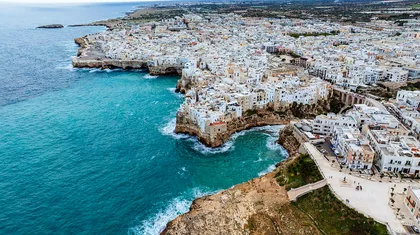
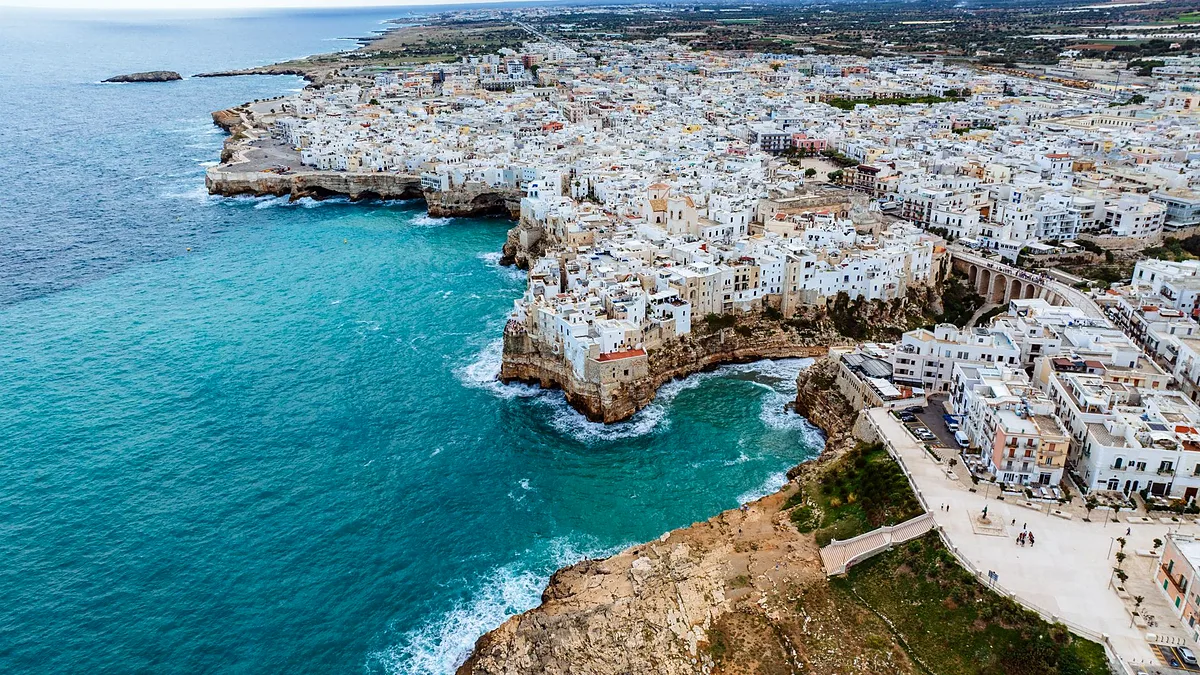
The best free art stop in Puglia sits above the sea in Polignano a Mare, in a former municipal slaughterhouse converted in the 1990s. Pino Pascali died at 32 in 1968; his playful, slightly strange sculptures — fake whales, fake weapons, a fake bridge — fill the upper floor.
Downstairs runs a rotating programme of Italian contemporary artists. The terrace over the water is the reason to come in winter, when the Adriatic is grey and loud and you have the windows to yourself.
- Where: Lungomare Domenico Modugno, Polignano a Mare.
- Cost: Free; donations welcome, some temporary shows charge €3–5 (~$3–6 USD).
- Best time: late afternoon, 16:00–18:00, when the light goes flat on the water.
- Getting there: 25 minutes by Trenitalia from Bari Centrale, then a 5-minute walk from Polignano station.
Insider tip: Sunday mornings bring local families, and the volunteer staff are chattiest then. Ask which artist is showing next before you leave.
The Ceramics Quarter, Grottaglie
Grottaglie's Quartiere delle Ceramiche is not a museum with a gift shop attached; it is forty-odd working workshops in a tangle of alleys below the Castello Episcopio. In winter the kilns run and the doors stay open, so you can watch a plate being thrown and then buy it warm.
The Museo della Ceramica inside the castle explains majolica, capasoni wine jars and the whole 600-year story in about an hour. Then walk the lanes and let yourself get mildly lost.
- Where: Quartiere delle Ceramiche, Grottaglie (Taranto province).
- Cost: museum €5 (~$6 USD); workshops free to browse, small pieces €15–45 (~$16–49 USD).
- Best time: Monday to Saturday, 09:30–13:00. Many workshops shut in the afternoon and on Sundays.
- Getting there: Ferrovie del Sud Est train from Bari or Taranto (60–80 min); the station is a 10-minute walk from the quarter.
Insider tip: Ask for seconda scelta — pieces with a tiny glaze flaw that sell for roughly half price. Nobody outside the trade asks, and the potters happily dig them out from the back room.
Bari's Quiet Picture Galleries
Bari gets written off as a port city with a good old town and a better focaccia. It also has the Pinacoteca Metropolitana Corrado Giaquinto, a collection on the lungomare with Veronese, Tintoretto and a room of Apulian painters that almost nobody visits in winter.
Pair it with Spazio Murat, a free contemporary space off Piazza del Ferrarese. Exhibitions rotate every couple of months and lean experimental — video, sound, installation — with zero ticket pressure and no queue.
- Where: Pinacoteca on Lungomare Nazario Sauro; Spazio Murat in the Murat quarter near the port.
- Cost: Pinacoteca €3–5 (~$3–6 USD); Spazio Murat free.
- Best time: weekday afternoons, calmest between 15:00 and 17:00.
- Getting there: walkable from Bari Centrale in 15–20 minutes, or one stop on any city bus toward the sea.
Insider tip: The Pinacoteca closes for a long lunch and shuts entirely on Mondays. Go before noon or after 16:00 — not at 13:30, when the door is locked.
The Circoli: Puglia's Private Members' Clubs
Every Apulian city has a circolo: a 19th-century members' club with a reading room, a bar and a rulebook older than the Italian Republic. Bari's Circolo Unione and Lecce's Circolo Cittadino are the two best known, and both are far less forbidding than they look from the street.
You do not simply walk in. But clubs host public concerts, book launches and small art shows through the winter, and a guest of a member can usually come for dinner. Dress neatly, put the phone away, and let someone else order the vermouth.
- Where: central Bari and central Lecce, both inside the historic grid.
- Cost: event tickets €0–15 (~$0–16 USD); guest dinners €35–50 (~$38–54 USD).
- Best time: the winter concert season, roughly November to March.
- Getting there: walk. Both sit within 15 minutes of the main squares.
Insider tip: Email the club secretary two weeks ahead, name the specific event, and ask about the dress code. A polite, precise request gets a yes far more often than a vague one.
A Masseria Wine Club Tasting
Inland from Brindisi, Le Vigne di Sammarco runs a wine resort in a 19th-century masseria where the tasting room works like a members' bar — locals drop in, pour themselves a glass and argue about vintage.
Winter is the good season here. You get the cellar tour without a coach group, the fireplace is lit, and the Susumaniello and Negroamaro taste better against cold stone walls. Book the seated tasting rather than the quick counter flight.
- Where: Cellino San Marco, about 25 km from Brindisi.
- Cost: tastings €25–40 (~$27–43 USD); bottles €9–30.
- Best time: Saturday lunchtime, when the local trade comes through.
- Getting there: car or taxi from Brindisi (25 min). No useful bus, so book a driver if you plan to drink.
Insider tip: Several masserie in this area run weekends only in January and February. Phone or WhatsApp ahead in Italian instead of trusting the website.
Where to Eat and Drink Nearby
Panificio Fiore, Bari Vecchia. A hole-in-the-wall bakery on Strada del Carmine making focaccia barese since the 1930s. A slab with tomato and olives costs €2.50 (~$3 USD). Go before 11:00 or after 15:00 to dodge the queue.
Alle Due Corti, Lecce. Tucked into a courtyard off Corte dei Giugni, this is where Lecce families eat ciceri e tria and slow-braised meat. Mains €10–16 (~$11–17 USD), house wine €4 a glass. Book for Friday or Saturday.
Il Mago del Gelo, Polignano a Mare. A pasticceria and gelateria on Piazza Aldo Moro that stays open all winter. Order a warm sfogliatella and an espresso at the counter for about €3.50 (~$4 USD), then walk to the Pascali foundation.
Practical Logistics and Budget Tips
Trains beat cars for the gallery circuit. Trenitalia's Frecciarossa and Intercity services link Bari and Lecce in 75–90 minutes for €10–25 (~$11–27 USD), while Ferrovie del Sud Est's slow line through Martina Franca and Locorotondo costs a few euros and is worth it for the Valle d'Itria views alone.
Rent a car only for the inland days: masserie, rural wineries, out-of-town workshops. Winter rates run €25–40 a day, roughly half the August price, and you will not fight for parking.
- Buy single tickets rather than multi-day passes. Regional pass deals rarely pay off in low season unless you are riding daily.
- Museum entry is often free on the first Sunday of the month. Check before you pay.
- Small galleries open by appointment in January. A WhatsApp message the day before saves a wasted trip.
- Cash still matters in workshops and at club bars. Carry €50–80 in small notes.
What to skip: paid trulli interior tours in Alberobello (€10–15 for three small rooms), the dinner-and-folk-dance packages in Ostuni, and any beach club advertising winter events — most are shut, and the ones that open charge summer prices for an empty terrace.
Honest heads-up: between January and mid-February some coastal towns feel genuinely closed. Polignano and Gallipoli can be very quiet midweek, with half the restaurants dark. Base yourself in Bari or Lecce and day-trip from there.
Frequently Asked Questions
Is Puglia worth visiting in winter?
Yes, especially if you care about art, food and wine rather than swimming. Crowds disappear and hotel rates drop 40–60%, but check hours carefully since some coastal venues run weekends only from January.
Are there free art galleries in Puglia?
Several. Fondazione Pino Pascali in Polignano a Mare and Spazio Murat in Bari are free year-round, and many regional museums waive entry on the first Sunday of the month.
Do you need a car to see Puglia's galleries and clubs?
No for the city circuit — Bari, Lecce, Polignano and Grottaglie all sit on train lines. Yes for masserie, wineries and rural workshops, where a two- or three-day rental makes sense.
How do you get into Puglia's private clubs?
Through a member, a public event, or a reciprocal arrangement with a club you already belong to. Look for winter concert and lecture listings, then email the secretary directly and ask about guest access.