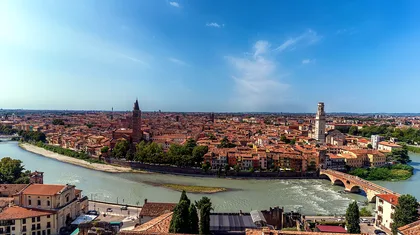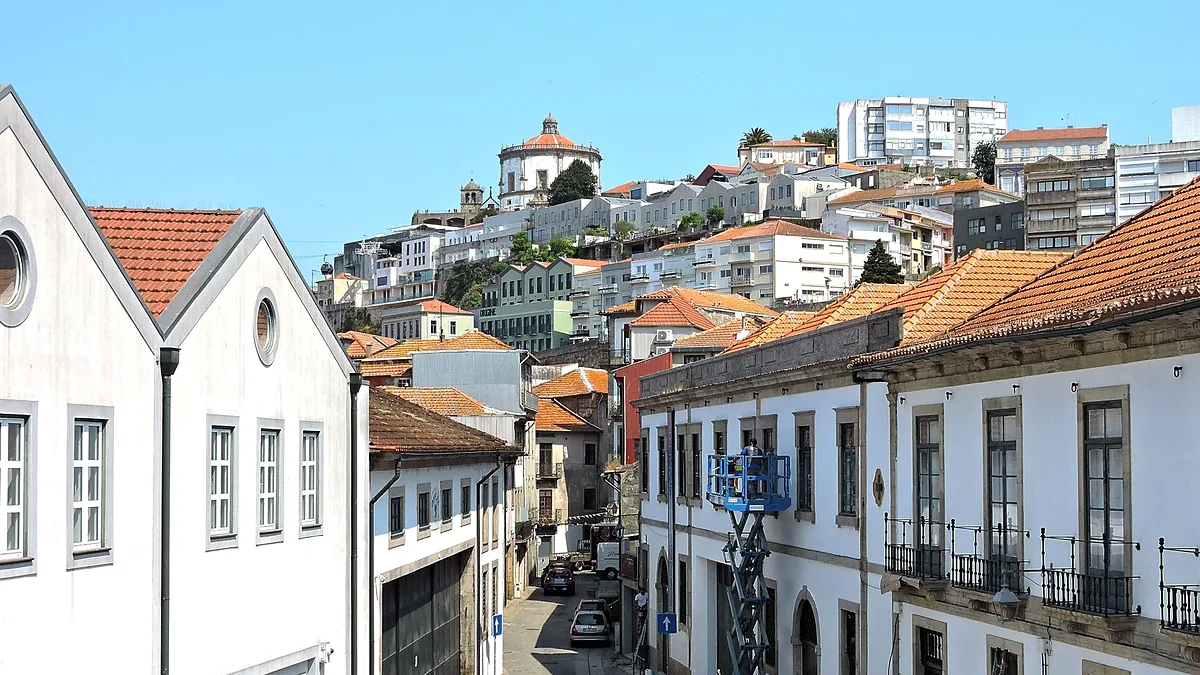

Porto in summer is a postcard you share with 40,000 other people. Porto in January is the same city with the volume turned down: no queue at the port cellars, empty tables at the restaurants locals actually rate, and hotel rates that drop by roughly a third. That is the whole trick to doing this city luxuriously on a normal salary — go when the crowds don't.
The luxury here isn't spa robes and turndown chocolates. It's a €15 port flight in a 200-year-old cellar, a €20 concert ticket in a Rem Koolhaas hall, and a three-course lunch that costs less than a sandwich in London. You spend where it counts, then walk everywhere else.
This guide is winter-specific: 8–16°C, dark by 17:30, and the occasional sheet of horizontal rain off the Atlantic.
Unlimited High-Speed International Travel eSIM
Connect in seconds across 180+ destinations. Instant QR code activation with zero roaming surcharges.

- Best time to visit: mid-January to early March — after the New Year crowds, before Easter
- Typical daily budget: €85–130 (~$92–140) per person, covering a central guesthouse, one paid sight and two proper meals
- Getting around: walk almost everything; get an Andante card for the metro and the 500 bus to the coast
- Vibe: quiet, damp, cosy — long lunches, port by a window, and no queue outside Livraria Lello
1. São Bento Station, the Sé, and a Free Viewpoint Crawl
Start at São Bento, which is a working train station and also the best free art gallery in Portugal. Around 20,000 azulejo tiles cover the entrance hall, telling the country's history in blue and white, and nobody checks a ticket. Trains run from roughly 5am to 1am, so it is genuinely open when everything else is shut.
From there it's a 10-minute uphill walk to the Sé cathedral. Entry costs about €3 (~$3.25) and includes the Gothic cloisters — arcaded, silent, and usually empty before 10am. Then follow the signs to Miradouro da Vitória, a free terrace above Ribeira where you get the postcard view without paying for a lift.
- Neighborhood: Sé / Baixa
- Cost: São Bento free; Sé €3 (~$3.25); viewpoints free
- Best time: 8:30–10am on a dry morning, before the day-trippers arrive
- Getting there: metro São Bento (Line D) or a 6-minute walk from Bolhão (Lines A, B, C, E, F)
Insider tip: Skip the paid Torre dos Clérigos queue. The free Miradouro da Vitória and the terrace at Serra do Pilar in Gaia give you the same skyline for nothing — and there's no turnstile at either.
2. Port Wine in Gaia: Skip the Biggest Name, Keep the View
Cross the Douro on the upper deck of Ponte Luís I — free, ten minutes, and better than any paid boat trip. On the Gaia side, the cellars line up along the waterfront and up Rua do Choupelo. Ramos Pinto is the smart pick: an art nouveau tasting room hung with vintage posters, and a flight of three ports for around €15.
Sandeman charges about €18 for a tour and tasting, Graham's around €22. In July you book days ahead. In January you can often walk in at 3pm and have the room to yourself.
- Neighborhood: Vila Nova de Gaia, Cais de Gaia
- Cost: €15–22 (~$16–24) per tasting
- Best time: 15:00–17:00, so you finish before the cellars close around 18:00
- Getting there: walk the top deck from the Sé, or metro Jardim do Morro (Line D)
Insider tip: If the tasting list includes an upgrade to a 20-year tawny for a few euros more, take it. It is the single best-value money you will spend in Porto, and the difference between a €5 pour and a €40 one is obvious in the glass.
3. Palácio de Cristal Gardens and the Miguel Bombarda Galleries
The Palácio de Cristal gardens are free, open roughly 8am–7pm from October to March, and almost deserted in winter. Peacocks patrol the lawns, a domed chapel sits at the far end, and the terrace looks straight down the Douro to the sea. Bring a coffee and take your time.
Then walk 15 minutes to Rua de Miguel Bombarda, Porto's contemporary art street. The galleries are free to enter, the shop windows are worth the stroll on their own, and you can see serious Portuguese work without a ticket desk in sight. If you want the big-name version, Serralves costs about €20 (~$22) for museum plus park in combination.
- Neighborhood: Lordelo do Ouro into Cedofeita
- Cost: gardens and galleries free; Serralves ~€20 (~$22)
- Best time: weekday late morning; galleries are busiest Thursday to Saturday afternoons and often shut Sunday and Monday
- Getting there: a 20-minute uphill walk from Aliados, or buses 201, 501 and 507
Insider tip: The Miguel Bombarda galleries hold simultaneous openings on selected Saturday afternoons every couple of months — free wine, actual locals, zero tourists. Check the street's notice boards or ask in any gallery for the next date.
4. Foz do Douro on the €2 Bus
Bus 500 leaves from near São Bento and crawls along the river all the way to the coast in about 35 minutes. It costs €2 on board (~$2.15), less with an Andante card, and it covers the same water the six bridges cruise charges €20 for. Get off near the Felgueiras lighthouse and walk the seafront promenade.
In winter this is the Atlantic at its most dramatic: grey water, wind, surfers in hoods. Walk three kilometres north to Matosinhos and you arrive at a street of grilled-fish restaurants where the locals eat on Sundays.
- Neighborhood: Foz do Douro, ending in Matosinhos
- Cost: €2 (~$2.15) single, or about €1.60 with Andante
- Best time: a dry weekday morning; sunset is around 17:15 in January
- Getting there: STCP bus 500, or the historic tram line 1 from Infante if you want the slow, pretty version
Insider tip: Piscina das Marés, the famous tidal pool, is closed from October to May. Plenty of blogs still send people there in winter — don't waste the trip.
5. Casa da Música: A Concert for the Price of Two Cocktails
Rem Koolhaas built a concrete beast on the Boavista roundabout, and it happens to have superb acoustics and surprisingly cheap seats. Classical, jazz, fado and electronic nights run €10–25 (~$11–27), and you can walk into the foyer for free to see the building itself.
Check the Coliseu do Porto and the Rivoli too — both sell €10–20 tickets for touring shows. A winter evening here beats a €14 cocktail in a hotel bar, and you get a story out of it.
- Neighborhood: Boavista, Avenida da Boavista
- Cost: €10–25 (~$11–27); foyer free
- Best time: Thursday to Saturday evenings; upper-circle seats are the value pick
- Getting there: metro Casa da Música (Lines A, B, C, E, F)
Insider tip: Restricted-view and standing tickets sell for around €10 and the sound is still excellent. Buy at the box office the same week — winter shows rarely sell out.
6. The Douro Valley on a €30 Train Ticket
Tour operators charge €110 and up for a Douro day trip. The train does it for about €14 each way to Peso da Régua, roughly two hours from São Bento, with the river running alongside the whole way. Then take the regional service from Régua to Pinhão for around €3 — 25 minutes of terraced hillsides that justify the entire day.
Winter strips the vines back to bare trellises, but the river is wide and empty and the viewpoints are yours alone. Leave on a morning train and you can be back in Porto by early evening.
- Where: Douro line, Porto to Pinhão
- Cost: roughly €30–35 (~$33–38) return
- Best time: a clear weekday, departing before 9am
- Getting there: CP regional trains from São Bento or Campanhã; buy at the machines, no reservation needed
Insider tip: Sit on the right-hand side heading east — the Douro stays on your side for most of the run. And bring food; the buffet car is a vending machine.
7. A Five-Star Drink Without the Room Bill
The Yeatman, up the hill in Gaia, has the best view back at Porto of any bar in the region. Cocktails run €14–18 (~$15–20), which is a lot for Portugal and a bargain compared with actually staying there. The lounge at Torel Avantgarde and the bar at The Rebello are two more good versions of the same move.
One drink, one sunset, no room bill. In January the terraces are shut, so ask for a window seat and order something brown and Portuguese.
- Neighborhood: Vila Nova de Gaia, Rua do Choupelo
- Cost: €14–18 (~$15–20) per cocktail
- Best time: 17:00–17:45 in winter, to catch the light
- Getting there: metro Jardim do Morro, then a 10-minute uphill walk
Insider tip: Book a table by phone rather than turning up. Walk-ins get the back row, and the back row has no view.
Where to Eat and Drink Nearby
Casa Guedes — Praça dos Poveiros
The pork sandwich that Porto argues about. Slow-roasted pork in a crusty roll, €5.50 plain or €6.50 with Serra cheese melted over the top. It's a canteen, not a restaurant: order at the counter, eat standing, be out in 20 minutes.
Mercearia das Flores — Rua das Flores 110
A tiny grocery-restaurant where lunch plates of cheese, cured meat and tinned fish cost €11–14 (~$12–15). It's a good introduction to Portuguese conservas without the boutique markup. Closed Sundays, and there are only about six tables.
Flor dos Congregados — Rua dos Congregados 11
Serving since 1851 across two cramped rooms reached through a corridor. Mains land at €13–18 (~$14–20); the bacalhau and the slow-cooked pork are the ones to order. Book ahead even in winter — it holds maybe 30 people.
For quick hits: a pastel de nata at Manteigaria costs about €1.40, and a coffee at the Art Deco Café Guarany on Avenida dos Aliados is around €2 with piano music included.
Practical Logistics and Budget Tips
Buy an Andante card at any metro machine for €0.60 and load it as you go. A single in zone 2 is about €1.40; a 24-hour Andante Tour pass costs around €7 and pays for itself after five rides. The Porto Card looks tempting but rarely earns its price in winter, when you're walking most of the day anyway.
From the airport, metro Line E to Trindade takes about 30 minutes for roughly €2.60. A taxi runs €25–30, so only worth it after midnight.
- Sleep cheap, sleep central: guesthouses in Cedofeita, Bonfim and around São Bento run €60–90 (~$65–97) in January for rooms that cost double in June
- Lunch is the splurge: the prato do dia at a proper tasca costs €8–12 and is the same kitchen that charges €20 at dinner
- Watch the couvert: bread, olives and cheese brought unasked cost €2–4. You can send it back, and nobody minds
- Rain plan: Mercado do Bolhão, the Soares dos Reis museum and the Ribeira arcades all work in a downpour
What to skip: the Livraria Lello queue unless you book online (€8–10, redeemable against a book) and go at opening; the Gaia cable car at €8 for five minutes; the six bridges cruise in January, when the wind makes the top deck miserable; and Café Majestic, where a coffee costs €6 and the service runs on geological time.
Frequently Asked Questions
Is Porto expensive in winter?
No — it's the cheapest season of the year. Accommodation drops by roughly a third between January and March, and flights from within Europe often fall under €60 return.
What is a realistic daily budget for Porto in winter?
€85–130 (~$92–140) per person covers a central guesthouse, transport, one paid attraction and two real meals. Tighten it to €60 by cooking breakfast and eating your main meal at lunch.
Do I need the Porto Card?
Usually not. Most of the city's best moments — the viewpoints, São Bento, the Ribeira waterfront, the gardens — are free, and the card's museum discounts rarely add up to its cost on a two or three-day trip.
What is the cheapest way to taste port wine in Porto?
Skip the guided tours and book a tasting flight directly with a smaller cellar such as Ramos Pinto, where three ports cost around €15. Cross the Ponte Luís I on foot rather than paying for a river cruise, and you've got a full afternoon for under €20.