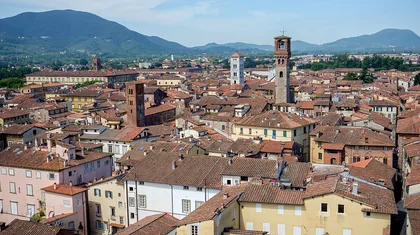

Porto gets sold as a postcard: blue tiles, red rooftops, a river doing its slow turn toward the Atlantic. Fair enough. But the version of Porto that stays with you is grittier and cheaper than the brochure — warehouse markets, tiled train stations, a tidal pool carved into rock, and port tastings that cost less than two cocktails back home.
This guide is for travelers who want the good stuff without the bill that usually comes with it. You'll pay €1.50 for a coffee with a river view, €4.50 for a sandwich locals actually queue for, and nothing at all to ride a metro across a bridge built by a student of Eiffel.
Here's how to do Porto properly on roughly €60–90 a day — and still leave feeling like you got away with something.
Unlimited High-Speed International Travel eSIM
Connect in seconds across 180+ destinations. Instant QR code activation with zero roaming surcharges.

At-a-Glance Snapshot
- Best time to visit: Late April–June and September–October. Same light, fewer people, room rates 30–40% below August.
- Typical daily budget: €60–90 (~$65–100) per person — guesthouse €35–55, food €25–35, transport €5–8.
- Getting around: Walk the center. Use the Andante card for metro, buses, and the historic tram.
- Overall vibe: A working city that happens to be beautiful. Early mornings are quiet; Ribeira is shoulder-to-shoulder by noon.
Mercado do Bolhão: Market Grit, Zero Entry Fee
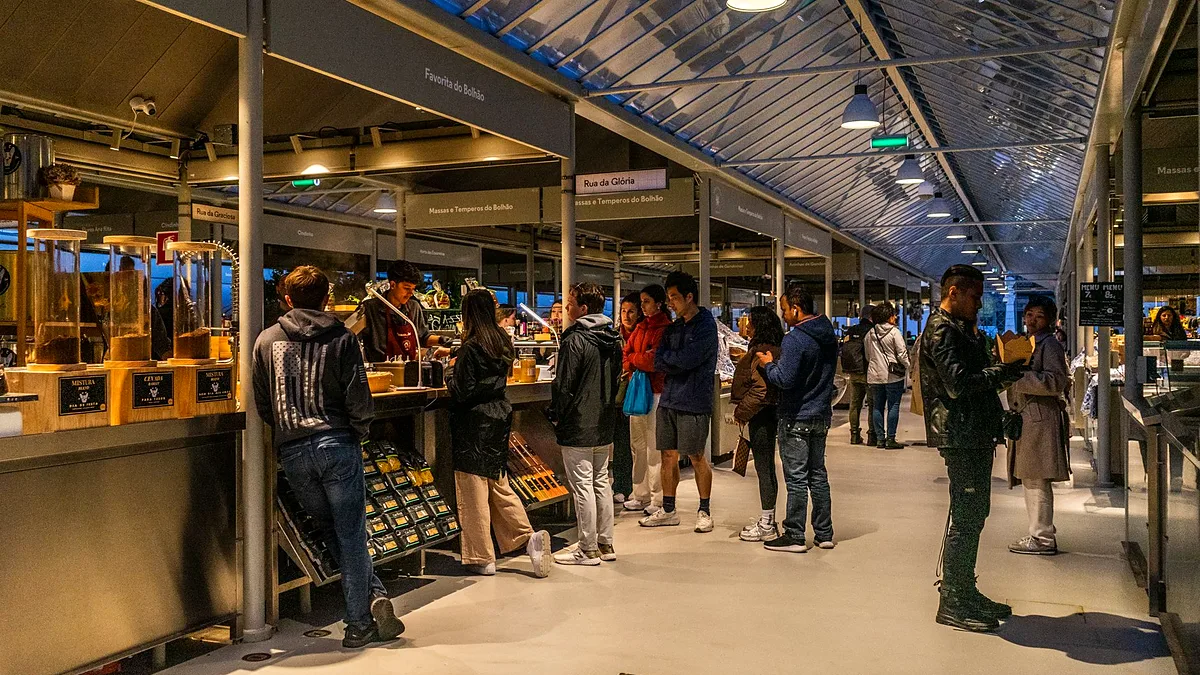
Bolhão reopened in 2022 after a long restoration, and the city held its breath waiting to see if it would turn into a food court. It didn't. The ground floor is still fishmongers, butchers, and produce stalls run by families who've been there for generations, and nobody minds if you wander through with a camera.
This is your cheapest introduction to Porto's food culture. Buy a wedge of sheep's cheese, a handful of olives, and a paper cone of tremoços for under €6, then eat standing up like everyone else. The upper floor has cafés and sit-down counters if you want a proper meal.
- Neighborhood: Baixa, Rua Formosa — two minutes from Bolhão metro (lines A, B, C, E).
- Cost: Free entry. Snacks €3–8 (~$3–9).
- Best time: Weekday mornings, 8–10am, when the stalls are actually working.
- Getting there: Metro to Bolhão, or a 10-minute walk from São Bento station.
Insider tip: The ground floor is where locals shop and prices stay low. The upper level is prettier and roughly 40% more expensive — grab your cheese downstairs and your coffee upstairs.
Rua de Miguel Bombarda: Free Art and Free Wine
This one street holds Porto's densest cluster of contemporary galleries, and on the first Saturday of every month they all open late together. It's called the Miguel Bombarda art walk. Galleries pour cheap wine, artists stand around looking nervous, and nobody checks whether you're a collector.
Even outside those nights, the street is worth an hour. You'll pass concept stores, a couple of excellent bookshops, and tiled facades that are half the reason people move here. It sits right between the Cedofeita shopping streets and the bombed-out charm of the Igreja da Lapa area.
- Neighborhood: Cedofeita / Miguel Bombarda, just west of the historic center.
- Cost: Free. Most galleries don't charge admission, ever.
- Best time: First Saturday of the month, 3–8pm; otherwise Tuesday–Saturday afternoons.
- Getting there: Walk 12 minutes from Aliados, or bus 202/502 to Rua de Cedofeita.
Insider tip: Many galleries close on Mondays and don't advertise it online. If a door is shut, don't assume it's closed forever — check the sign, then try the next one.
Serralves Museum and Park: The City's Best Value Ticket
Serralves is Porto's answer to a modern art museum done properly — a pink Art Deco villa, a Álvaro Siza-designed gallery, and 18 hectares of gardens, sculpture, and a treetop walkway. It's the kind of place people assume costs €40. It doesn't.
If you're short on time or cash, buy the park-only ticket and skip the exhibitions. The grounds alone are worth two hours: cork oaks, a rose garden, formal hedges, and a farmhouse cafe where you can sit for an hour with a €2 espresso and feel extremely smug.
- Neighborhood: Lordelo do Ouro, west side of the city.
- Cost: Park-only around €12 (~$13); museum plus park around €20 (~$22). Under-18s free.
- Best time: Weekday mornings; the park is quietest before noon.
- Getting there: Bus 201 or 203 from the center, or a 25-minute walk from Foz.
Insider tip: The museum is free for everyone on the first Sunday of the month — arrive at opening or you'll queue behind half of Porto.
Port Tasting in Gaia Without the Theme-Park Price
Cross the upper deck of Ponte Luís I and you're in Vila Nova de Gaia, where every lodge wants your €35. Most are fine. A few are excellent and cheaper. Ramos Pinto is the pick — a small, genuinely interesting house with an archive of vintage posters, a proper cellar tour, and tastings that start around €20.
Then walk ten minutes to Espaço Porto Cruz, whose rooftop bar looks straight back across the Douro at Porto's riverside. A glass of tawny there costs €7–9, which is roughly what you'd pay for a mediocre cocktail in any European capital. Go an hour before sunset.
- Neighborhood: Vila Nova de Gaia, riverside quay.
- Cost: Tastings €15–28 (~$16–30); rooftop glass €7–9 (~$8–10).
- Best time: Late afternoon, 5–7pm, before the tour groups arrive.
- Getting there: Walk the upper deck of Ponte Luís I, or metro line D to Jardim do Morro.
Insider tip: Your Andante ticket covers the metro across the upper bridge deck — that crossing is arguably the best free viewpoint in Portugal. Ride it once each direction just for the view.
Tram 1 to Foz and the Tidal Pool at Leça
The number 1 tram rattles along the river from Infante to Foz do Douro, past old warehouses, gardens, and the mouth of the Douro where it finally hits the Atlantic. It's a moving museum piece, and the ride costs less than a museum entry.
From Foz, bus 507 continues north to Leça da Palmeira, where Piscina das Marés — a tidal swimming pool cut into the rocks by architect Siza in 1966 — sits open to the ocean. It's open June to September and costs about €5 to swim in seawater while waves slap the concrete beside you.
- Neighborhood: Foz do Douro, then Leça da Palmeira.
- Cost: Tram fare with Andante around €2.50 (~$2.70); tidal pool around €5 (~$5.50).
- Best time: Weekday mornings in summer; check the tide tables before you go.
- Getting there: Tram 1 from Ribeira to Foz, then bus 507.
Insider tip: The pool closes when tides or weather turn. Check the day before — turning up on the wrong day is the single most common tourist mistake in this part of town.
Casa da Música and a Cheap Night Out
Casa da Música is a concrete slab of a building that shouldn't work and completely does. The main hall has no front, the foyer is free to wander, and the programming runs from classical to fado to electronic. Tickets for many concerts land between €10 and €20 — less than a decent dinner.
Even if you don't book anything, go up to the top floor bar for a drink and a view over the Boavista roundabout. There's a free guided tour on some weekday afternoons; ask at the desk rather than trusting the website.
- Neighborhood: Boavista, at Praça Mouzinho de Albuquerque.
- Cost: Foyer free; concerts typically €10–20 (~$11–22).
- Best time: Evening shows Thursday–Saturday.
- Getting there: Metro line A, B, C, E or F to Casa da Música station.
Insider tip: Under-30s get discounted tickets at the box office for many shows — but you have to ask, and you have to bring ID.
Where to Eat and Drink Nearby
Casa Guedes (Praça dos Poveiros 42) is a scruffy little tasca famous for one thing: the sande de pernil, a roast pork sandwich with cheese melted over the top. It costs about €4.50 (~$5) and it will ruin other sandwiches for you. Go before 12:30pm or after 3pm.
A Sandeira (Rua dos Caldeireiros 85) turns out proper sandwiches — octopus, tuna, cured ham — for €5–8 (~$5.50–9). It's tiny, it's popular with students, and it's a five-minute walk from São Bento.
Cervejaria Brasão (Aliados area) is where to try a francesinha, Porto's infamous beer-and-meat sandwich. Expect €13–15 (~$14–16) for a portion that genuinely defeats people. Order one between two and add a salad.
For pastries, skip the branded chains on Santa Catarina and hunt down a neighbourhood pastelaria. A pastel de nata runs €1.20–1.60, and a bica (espresso) about €0.80. Standing at the counter is always cheaper than sitting.
Practical Logistics and Budget Tips
- Buy the Andante card. It costs €0.60, is reusable, and covers metro, bus, and tram. A 24-hour pass for zone 2 runs about €4.75 (~$5), and single rides around €1.40.
- Airport to center: Metro line E to Trindade costs roughly €2.50 (~$2.70) including the card. A taxi is €25–30.
- Skip the Porto Card unless you're doing four or more museums in 48 hours. Most of Porto's best moments — viewpoints, Ribeira, the bridge, the galleries — are free.
- Do a free walking tour on day one (tips only, €5–10 is fair) purely to get your bearings, then never pay for a guide again.
- Book direct. Small guesthouses in Cedofeita and Bonfim routinely undercut booking sites by 10–15% when you email them.
What to skip: Livraria Lello charges around €8 for a timed entry voucher that's redeemable against a book, and the staircase is a scrum by 10am. Ribeira's riverside restaurants with photo menus are charging double for average food — walk two streets inland. And the €35 six-bridges cruises are largely redundant when the metro crosses the same river for €1.40.
Honest heads-up: Porto is hilly in a way photos never convey. Cobbles plus a 15% grade plus a suitcase is a bad combination. Wear flat shoes from day one and plan routes downhill.
Frequently Asked Questions
Is Porto expensive for travelers?
No — Porto is one of the most affordable cities in Western Europe. You can eat well, drink port, and see major sights on €60–90 (~$65–100) a day, and a coffee still costs about €1.
How much does a day in Porto cost?
Budget travelers manage on €50 (~$54) with a hostel, market food, and walking. Mid-range with a private room, one paid attraction, and a proper dinner lands around €90–110 (~$100–120).
What is the best free thing to do in Porto?
Ride metro line D across the upper deck of Ponte Luís I at sunset. Your Andante ticket covers it, and the view over the Douro and the Ribeira rooftops beats most paid viewpoints in Europe.
When is the cheapest time to visit Porto?
November to March, excluding New Year, is cheapest — expect room rates 40% lower than summer. Just pack for rain and accept that the tidal pool and some gardens close for the season.