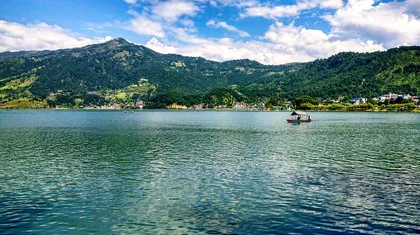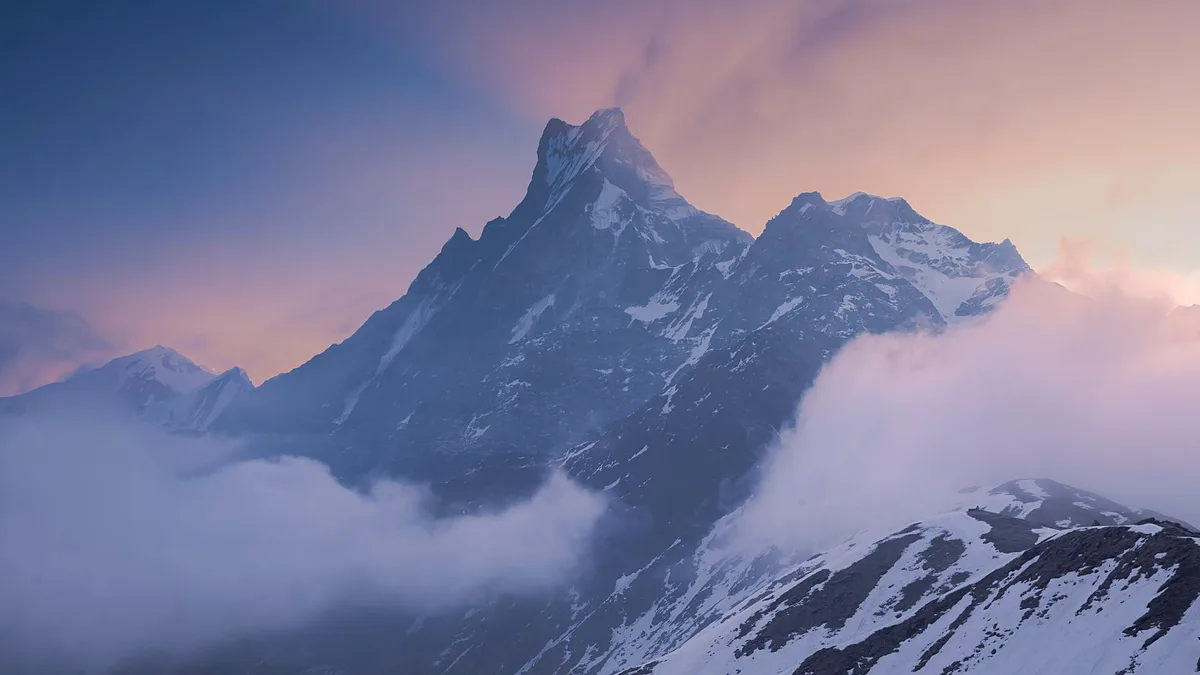

Pokhara usually gets sold as a lake with a mountain backdrop. Fair enough — the backdrop is exceptional. But the town has a working side most visitors never touch: Old Pokhara is a craft town, and its lanes have been turning out carved wood, beaten metal and woven wool for generations.
Winter is the season to see it properly. From November to February the peaks show themselves most mornings, the trekking crowds thin out, and the workshops are quiet enough that a weaver will stop mid-shuttle to explain what she is doing.
Build your days around that rhythm: cold, clear mornings for walking, midday for museums, late afternoon for tea. Opening hours drift with the sun and the occasional strike, so treat every time below as a target rather than a promise.
Unlimited High-Speed International Travel eSIM
Connect in seconds across 180+ destinations. Instant QR code activation with zero roaming surcharges.

Pokhara at a Glance
- Best time to visit: November to February. Mornings 4–8°C, afternoons 18–22°C, weekdays quietest.
- Daily budget: NPR 3,500–6,000 (~$26–45) covering transport, two museum tickets, lunch and a small purchase or donation.
- Getting around: walking plus e-rickshaws and the Pathao or InDrive apps. Local buses leave from Bagar for the Tibetan settlements.
- Vibe: unhurried. Dusty-clear mornings, tea-shop pacing, and long conversations that begin with come, sit.
Old Bazaar: Pokhara's Woodcarving Quarter
Bagar, the old town, sits about 3 km from Lakeside and is where Pokhara actually started. The lanes are narrow brick, the shop-houses wear carved window frames, and the same families have been beating copper and cutting wood in the same few square metres for decades. Nobody is performing for you here, which is exactly the appeal.
- Neighborhood: Bagar / Old Bazaar, south of the lake
- Cost: free to walk; chiya NPR 30 (~$0.25)
- Best time: 7:00–10:00, when shutters go up and morning puja happens
- Getting there: e-rickshaw from Lakeside, NPR 150–200 (~$1.10–1.50), or a 25-minute walk from Prithvi Chowk
Insider tip: Saturday is the Nepali weekend and most workshops are shuttered — come Sunday to Friday. And the carved windows you photograph from the street are mostly 20th-century reproductions; the genuinely old ones sit inside the temple courtyards, so step in.
Pokhara Museum, Bhimsen Tole
Housed in a century-old Newari building, this is a small, slightly dusty ethnographic museum with a big personality. Glass cases hold Gurung and Thakali dress, brassware, old bazaar photographs and a coin collection that will absorb anyone who likes that sort of thing.
Give it 45 minutes. It is the best primer in town for the ethnic mix of the Annapurna region, which makes the rest of your walk more legible.
- Neighborhood: Bhimsen Tole, Old Bazaar
- Cost: NPR 100–200 (~$0.75–1.50)
- Best time: 10:00–16:00; closed Tuesdays and public holidays
- Getting there: a five-minute walk from Bhimsen Temple
Insider tip: The upstairs gallery lights are usually switched off. Ask the caretaker on duty to turn them on and sign the guestbook — visitor numbers are how the museum justifies its budget.
Tashi Ling Tibetan Settlement, Chhorepatan
At the foot of the World Peace Pagoda hill sits one of Pokhara's two Tibetan settlements, and the draw is the carpet room: upright looms, bins of carded wool, and weavers working from a knot chart pinned to the frame. Weekday mornings are when the floor is at its fullest.
It is a residential settlement, not a theme park. Walk quietly, keep your voice down, and buy from the settlement's own sales room rather than the shops on Lakeside.
- Neighborhood: Chhorepatan, roughly 4 km south of Lakeside
- Cost: free entry; carpets priced per square foot, small woven items from NPR 1,500 (~$11)
- Best time: 9:00–16:00 on weekdays
- Getting there: taxi NPR 500–700 (~$3.80–5.30) one way, or walk down from the Peace Pagoda in about 40 minutes
Insider tip: Ask before photographing anyone at a loom. The sales room is cash only and pricing is fixed per square foot, so there is no haggling to navigate — which saves everyone an awkward conversation.
Tashi Palkhel, Hyangja
Thirteen kilometres north on the Baglung highway, Tashi Palkhel is the older and quieter of the two settlements, founded in the early 1960s. There is a monastery, a school, and a carpet centre where spinning, dyeing, knotting and clipping all happen in one courtyard.
Winter suits it: clean light, a quiet highway, and a decent chance you will be the only visitor on site. Pair it with a bowl of thukpa before heading back.
- Neighborhood: Hyangja, 13 km north on the Pokhara–Baglung highway
- Cost: free entry; local bus NPR 60–80 (~$0.50–0.60); taxi NPR 1,200–1,500 round trip
- Best time: 9:00–12:00, before the centre's afternoon lull
- Getting there: Baglung-bound bus from the bus park in Bagar, or a hired taxi for the half-day
Insider tip: Go to the Baglung bus park rather than flagging something on Lakeside Road. Ask for Hyangja Gumba — you will be dropped on the highway, then walk uphill for about ten minutes.
International Mountain Museum, Rato Pahare
Opened in 2002 by the Nepal Mountaineering Association, this is the one big-ticket museum in town and it earns the ticket. Halls cover Himalayan communities, expedition history and climbing gear through the decades, with a walk-in mountain model and an outdoor collection of aircraft and equipment that children love.
It leans dated in places — expect dioramas and laminated labels — but the archival photographs and first-hand summit accounts are worth your time. Budget 90 minutes.
- Neighborhood: Rato Pahare, about 6 km west of Lakeside
- Cost: NPR 500 (~$3.80) for foreign visitors, NPR 200 for SAARC nationals
- Best time: 9:00 opening, or after 14:00 once school groups have left
- Getting there: taxi NPR 400–600 (~$3–4.50) or a local bus toward Rato Pahare
Insider tip: The ticket counter closes at 16:30 and the outdoor exhibits are best before midday, when valley haze starts eating the view from the terrace. There is a decent café on site, so make it a half-day rather than a dash.
Gurkha Memorial Museum, North Lakeside
Near the Gurkha camp at the top of Lakeside, this museum tells the regimental story through medals, uniforms, photographs and a great deal of khukuri. It is text-heavy and personal — many exhibits are donations from families.
- Neighborhood: North Lakeside, Ram Bazaar side
- Cost: NPR 200–300 (~$1.50–2.25)
- Best time: Sunday to Friday, 9:00–16:00; closed Saturdays and public holidays
- Getting there: a 10-minute walk from the north end of Lakeside Road
Insider tip: Retired Gurkhas often volunteer at the desk — ask whether anyone is around, because ten minutes of conversation beats any audio guide. Buy your reading material here too; the shop's military-history shelf outclasses anything on the tourist strip.
World Peace Pagoda and Matepani Gumba
The Shanti Stupa on Anadu Hill is Pokhara's most photographed heritage site, and for once the crowd is justified: four Buddha statues, one from each of four countries, facing the Annapurna range across the lake. Arrive at sunrise in winter for cold air, clear peaks and almost nobody.
Then walk down instead of taking a taxi. The path drops through forest to Chhorepatan, landing you at the Tashi Ling looms for a second look. With another morning spare, Matepani Gumba — a Japanese-built monastery on a hill east of Bagar — is quieter still and keeps a small thangka room.
- Neighborhood: Anadu Hill, south of the lake; Matepani is east of Bagar
- Cost: free; taxi up to the pagoda NPR 800–1,000 (~$6–7.50)
- Best time: 6:30–8:00 for the pagoda, mid-morning for Matepani
- Getting there: taxi to the pagoda car park then walk down; Matepani is a 30-minute uphill walk from Bagar
Insider tip: The pagoda-to-settlement walk is a genuine half-day outing, but wear shoes with grip — those stone steps stay damp and slick on winter mornings.
Where to Eat and Drink Nearby
Byanjan, Lakeside
Dependable Nepali cooking with lake-facing tables, a few minutes from the north strip. Order a thali with gundruk ko achar and the smoked chicken; expect NPR 450–750 (~$3.50–5.50) per person. Open daily from late morning.
Caffè Concerto, Lakeside
Wood-fired pizza, pasta and properly made coffee, opening early enough for a pre-museum breakfast. A generous lunch lands at NPR 550–850 (~$4–6.50). It is the easiest place in town to sit for two hours with a notebook.
Old Bazaar tea stalls, Bagar
Sel roti, jeri and sweet chiya for NPR 30–60 (~$0.25–0.45) around Bhimsen Temple. Sit inside rather than on the street edge, and go before 10:00 while the trays are still warm.
Practical Logistics and Budget Tips
- Cash rules: museums, settlement sales rooms and local buses are cash only. Lakeside ATMs charge NPR 250–500 per withdrawal, so take out larger sums less often and keep NPR 100 notes for tickets.
- Ride-hailing: Pathao and InDrive both operate in Pokhara and usually undercut street taxi quotes by 30–40%. E-rickshaws are fine for short hops but do not climb the Hyangja highway.
- Winter clock: sunrise around 6:45 and sunset around 17:15 in December and January. Workshops shut by 17:00, so front-load your days.
- Saturdays: expect closures at the Gurkha museum and at many small workshops.
- Saving money: both Tibetan settlements and every temple site listed here are free. Two paid museums plus transport and food keeps a day under NPR 4,000 (~$30).
What to Skip
Lakeside's handicraft emporiums sell machine-made pashmina and imported carvings at handmade prices. For carpets, ask the knot count per square inch and confirm the per-square-foot rate before you commit.
Skip antique thangka sold without provenance, and skip the hotel cultural shows — the ticket money stays with the hotel, not the performers. Ignore touts selling Tibetan refugee camp tours, too: the settlements are free and a local bus costs NPR 80.
Frequently Asked Questions
Are Pokhara's artisan workshops open in winter?
Yes. Loom rooms, carving shops and museums run year-round, though hours shrink with daylight and some close on Saturdays. Weekday mornings between 9:00 and 12:00 are your safest window.
How do I get to the Tibetan settlements from Lakeside?
Tashi Ling at Chhorepatan is a short taxi ride south of the lake, NPR 500–700 (~$3.80–5.30). Tashi Palkhel near Hyangja is 13 km north and best reached by a Baglung-bound bus from the bus park in Bagar for NPR 60–80.
Do I need a guide for the Old Bazaar heritage walk?
No — it is a self-guided two-hour wander with plenty of tea stops. A local guide charges around NPR 2,000–3,000 (~$15–23) and is worth it if you want temple interiors explained or help talking to craftsmen.
Is the International Mountain Museum worth the ticket?
Yes, if you care about the peaks you have been staring at — NPR 500 (~$3.80) buys 90 minutes of expedition history and excellent archival photography. Skip it if you are short on time and only here for the lake and the viewpoint hikes.