
Niseko has a reputation problem. Everyone assumes it's a billionaire's playground, and Hirafu-zaka in January does its best to prove them right — ¥45,000 hotel rooms, ¥2,200 cocktails, and a queue of people in very expensive jackets arguing about first tracks.
Walk 20 minutes downhill, though, and the maths changes fast. Kutchan, the working town next door, has ¥1,100 ramen, ¥800 sashimi packs at the supermarket, and yakitori smoke rolling out of doorways at six in the evening. The public baths cost less than a coffee in Tokyo.
This guide is about taking the good parts of Niseko — the snow, the silence, the hot water, the food — and refusing to pay resort prices for any of it.
Unlimited High-Speed International Travel eSIM
Connect in seconds across 180+ destinations. Instant QR code activation with zero roaming surcharges.

At-a-Glance Snapshot
- Best time to visit: Late January to mid-February for the deepest snow; early December and late March for 30–40% cheaper beds
- Typical daily budget: ¥12,000–18,000 (~$78–117) per person without a lift pass; ¥22,000–28,000 (~$143–182) with one
- Local transport: No car needed. Niseko Bus between Kutchan and Hirafu (¥500), resort shuttles between the four ski areas, and a lot of walking in boots
- Vibe: World-class powder, Australian-accented après-ski, and a quietly excellent Japanese town next door that most visitors never see
Night Skiing at Grand Hirafu: Two Sessions for One Ticket
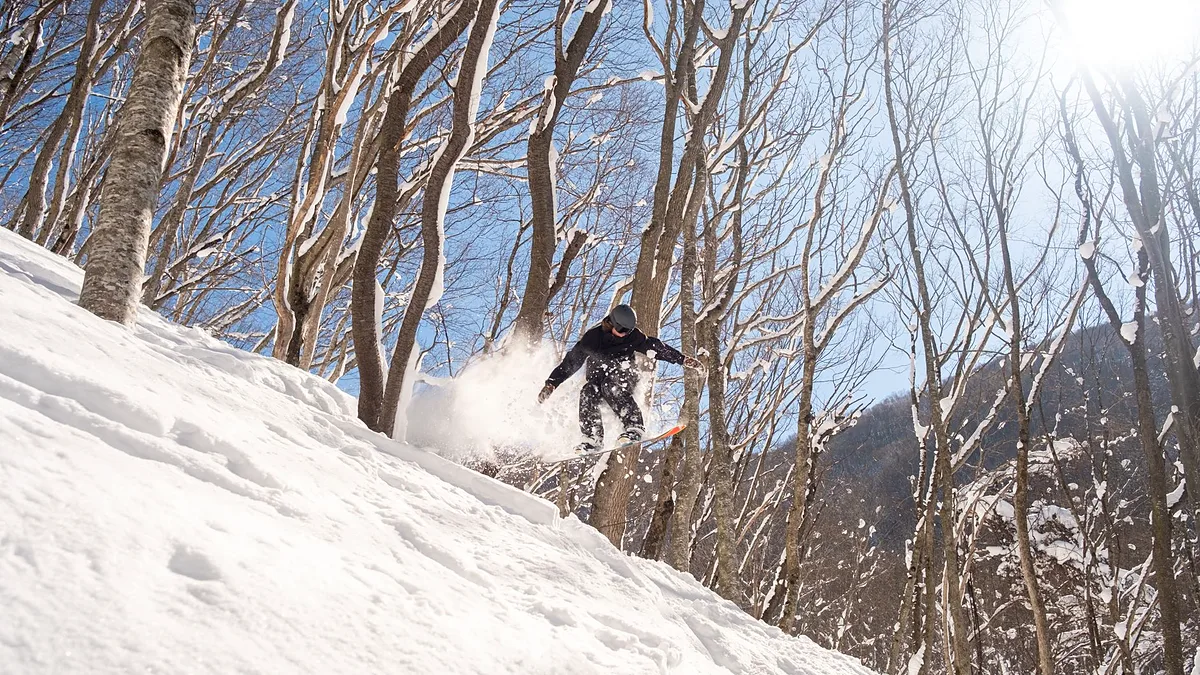
Most ski resorts shut the lifts at 4pm and push you straight into an expensive dinner. Hirafu keeps going until 8:30pm through the winter, and your day pass already covers it. Ski from first lift, take a long break, then head back out under the floodlights while everyone else queues for a ¥4,000 plate of pasta.
The snow gets faster after dark and the slopes empty out around 6:30pm. It's the single cheapest way to add skiing volume to a short trip, because the extra hours cost you exactly nothing.
- Neighborhood: Grand Hirafu base area, Hirafu-zaka, Kutchan
- Cost: Niseko United all-mountain day pass ~¥9,500 (~$62); Hirafu-only day pass ~¥7,800 (~$51); night-only pass ~¥4,200 (~$27)
- Best time of day: 6:30–8:30pm on a weekday, when the school groups have gone for dinner
- How to get there: A 10–15 minute uphill walk from Hirafu village, or the resort shuttle to the gondola base
Insider tip: If you're skiing two days or fewer, buy the Hirafu-only pass, not the all-mountain one. The all-mountain pass only pays off if you genuinely ride the shuttle over to Annupuri or Niseko Village — most people don't.
The Annupuri Side: Same Snow, Smaller Bill
Annupuri sits on the far western end of the same mountain and feels like a different resort altogether. There are two lifts at the base, one cafeteria, and none of the champagne-bar theatre you get on the Hirafu side.
Tickets are cheaper, the gates into the sidecountry are easier to reach, and the trees hold powder longer because fewer people ski them. If you came for snow rather than scene, base yourself here.
- Neighborhood: Annupuri, Niseko (western base of Mt Niseko Annupuri)
- Cost: Single-resort day pass ~¥6,500 (~$42); roughly ¥1,000–3,000 less than the Hirafu equivalent
- Best time of day: First lift at 8:30am on a weekday, before the shuttle buses from Hirafu arrive
- How to get there: Resort shuttle from Hirafu (~25 minutes) or the Niseko Bus along Route 66
Insider tip: Niseko Grand Hotel, five minutes down the road from the Annupuri base, sells day-use onsen entry for around ¥1,000 (~$6.50). Big outdoor bath, waterfall, towels rented at the front desk — the cheapest post-ski reset in the area.
Onsens Under ¥1,000: Yukichichibu and Kanro no Mori
A day pass at a Hirafu hotel bath will set you back ¥2,000 or more if you aren't staying there. Twenty-five minutes west, two public baths charge a fraction of that and are frankly better.
Yukichichibu Onsen in Rankoshi has milky, faintly green sulphur water and a wooden indoor bath that smells like the inside of a geology textbook. Kanro no Mori in Makkari is larger, with a garden rotemburo facing trees and snow, and it's the one locals drive to on a Sunday.
- Neighborhood: Rankoshi and Makkari, both 20–30 minutes west of Niseko
- Cost: Yukichichibu ~¥700 (~$4.50); Kanro no Mori ~¥800 (~$5); towel rental ¥200–300 extra
- Best time of day: 3–5pm, before the dinner rush and while it's still light enough to see the trees
- How to get there: Drive or taxi (roughly ¥3,000–4,000 from Annupuri); for Yukichichibu, a local bus or taxi from JR Kombu Station on the Hakodate Main Line
Insider tip: Bring your own towel from the hotel and save ¥300 every visit. Also note that tattoo policies at these rural baths are inconsistent — phone ahead if that's relevant to you rather than turning up and being turned away.
Kutchan After Dark: Street Smoke and the ¥500 Bus
Kutchan is where Niseko's lifties, chefs and dairy farmers actually live. From about six in the evening, smoke from charcoal grills drifts along the low-rise streets near the station, and the menus are in Japanese with prices to match.
The bus from Hirafu takes 20 minutes and costs ¥500 (~$3.30) — less than a single drink at a Hirafu bar. Come for dinner, wander the shopping streets, and catch the last bus back up the hill.
- Neighborhood: Kutchan town centre, within a 10-minute walk of JR Kutchan Station
- Cost: ¥500 each way on the bus; izakaya dinner with a couple of drinks ¥3,000–4,000 (~$20–26) per person
- Best time of day: 6–9pm, Thursday to Saturday, when the most counters are open
- How to get there: Niseko Bus from the Hirafu Welcome Center; services thin out after 9pm, so check the board before you go
Insider tip: Check the last bus time before you order a second beer. A taxi back to Hirafu runs roughly ¥3,500–4,500 (~$23–29) — fine split four ways, genuinely annoying on your own.
Fukidashi Park: Free Water and a Mountain View
In Kyogoku, a village about 30 minutes east of Niseko, spring water pours out of the base of Mt Yotei into a pond that stays partly liquid all winter. Locals pull up in kei cars and fill 20-litre jugs for nothing.
There is no ticket booth, no queue, and no gift shop worth mentioning. Just very cold, very soft, genuinely famous water and a volcano behind it. Bring a bottle, fill it, and move on.
- Neighborhood: Kyogoku village, Abuta District
- Cost: Free; parking free
- Best time of day: Before 10am, ahead of any tour coaches
- How to get there: A 30-minute drive east; there's no train, so go by car or split a taxi
Insider tip: The water runs all winter, but the boardwalk around it freezes solid. Wear boots with actual grip and skip the photo where you lean over the rail — that's how people end up in the pond.
Takahashi Dairy Farm and PRATIVO: Lunch With Yotei in the Window
Niseko makes excellent dairy, and Takahashi Farm in Niseko Town is where to taste it without the resort markup. Entry is free, there's a soft-serve counter by the shop, and the restaurant, PRATIVO, has floor-to-ceiling windows framing Mt Yotei.
A ¥400 (~$2.60) soft serve eaten in the car park is one of the best-value experiences in the region. Sit-down lunch — pasta, pizza, a cheese plate — lands at ¥1,800–2,500 (~$12–16), roughly half what the same view costs in Hirafu.
- Neighborhood: Niseko Town, about a 10-minute drive from JR Niseko Station
- Cost: Free entry; soft serve ~¥400; lunch ¥1,800–2,500
- Best time of day: 11:30am sharp, or after 1:30pm when the lunch crowd clears
- How to get there: Drive, or take a taxi from Hirafu (roughly ¥3,000)
Insider tip: Winter hours are shorter than summer — usually around 10am to 5pm with irregular closing days. Check before you drive out; the Milk Kobo shop next door is the reliable backup for cream puffs and ice cream.
Where to Eat and Drink Nearby
Abucha — Kutchan
A tiny miso ramen counter that locals queue outside before opening. Bowls run about ¥1,100 (~$7), the broth is thick and slightly sweet, and the shop closes as soon as it runs out. Bring cash and don't arrive at 1:30pm expecting luck.
Tsubara Tsubara — Hirafu
Hokkaido soup curry done properly, with a dozen vegetable toppings and heat levels you choose yourself. Expect ¥1,300–1,600 (~$8.50–10.50) and a 20-minute wait at peak lunch. It's the best sit-down meal in Hirafu under ¥2,000.
Rakuichi — Annupuri
The splurge that still counts as a bargain: a soba course of roughly ¥3,500–4,500 (~$23–29), lunch only, in a quiet room near the Annupuri base. Reserve ahead or turn up right at opening. Compare it to a tasting menu in Tokyo and it looks almost reckless.
Practical Logistics and Budget Tips
Getting there and around
The airport shuttle bus from New Chitose (CTS) to Hirafu takes 2.5–3 hours and costs around ¥4,500 (~$29) one way — book online in advance. The train route via Sapporo and Otaru is cheaper on paper but adds two changes and an hour.
Once you're here, the Niseko Bus between Kutchan and Hirafu (¥500) plus the resort shuttles cover almost everything. Hirafu village itself is walkable, though the upper village is a genuine uphill slog in ski boots.
What a day actually costs
| Item | Typical price (¥) | Approx. USD |
|---|---|---|
| Hostel dorm bed, Kutchan | 5,000–8,000 | $33–52 |
| Guesthouse room, Kutchan or Izumikyo | 8,000–12,000 | $52–78 |
| Hirafu hotel room, peak season | 25,000–60,000 | $163–390 |
| Hirafu day lift pass | 7,800 | $51 |
| Public onsen | 700–1,000 | $4.50–6.50 |
| Ramen lunch | 1,000–1,400 | $6.50–9 |
| Izakaya dinner with drinks | ~3,500 | $23 |
| Kutchan ↔ Hirafu bus | 500 | $3.30 |
What to skip, honestly
- Hirafu cocktail bars: ¥2,000+ for a drink that costs ¥700 in Kutchan. Go once for the atmosphere, then move downhill.
- Hotel rental desks: Ski sets cost 20–30% more than Rhythm or the independent shops in Hirafu. Book online before you fly for the multi-day rate.
- The all-mountain pass on a short trip: It only makes sense if you're actually skiing three or more areas.
- Peak New Year week: Beds and flights roughly double. The first week of December and the last two of March are the value windows.
- Concierge-booked tours: Guided backcountry days are worthwhile, but booking direct with a local operator beats hotel markups.
One honest warning: Niseko is not a cheap destination in February, and the snow is the reason. The budget play here is about tilt, not deprivation — spend on the lift pass and the boots, save hard on beds, baths, and dinner.
Frequently Asked Questions
Is Niseko expensive for a ski trip?
It can be, but only if you stay and eat inside Hirafu village. Sleeping in Kutchan and using the ¥500 bus cuts accommodation costs by half, and lift passes are comparable to major North American resorts.
When is the cheapest time to visit Niseko?
Early December and late March are the value windows, with beds often 30–40% cheaper than mid-January. The snow base is still strong in late March and the days are longer and warmer.
Do I need a car in Niseko?
Not for skiing, eating or onsens in the main villages — buses and shuttles handle all of that. You only need wheels for outlying spots like Kanro no Mori, Fukidashi Park and Yukichichibu Onsen, which you can reach by taxi or a day rental.
What's the cheapest way to get from New Chitose Airport to Niseko?
The reserved airport shuttle bus, at around ¥4,500 one way, is the best balance of price and speed at roughly 2.5–3 hours. The train via Otaru is slightly cheaper but adds transfers and about an hour.