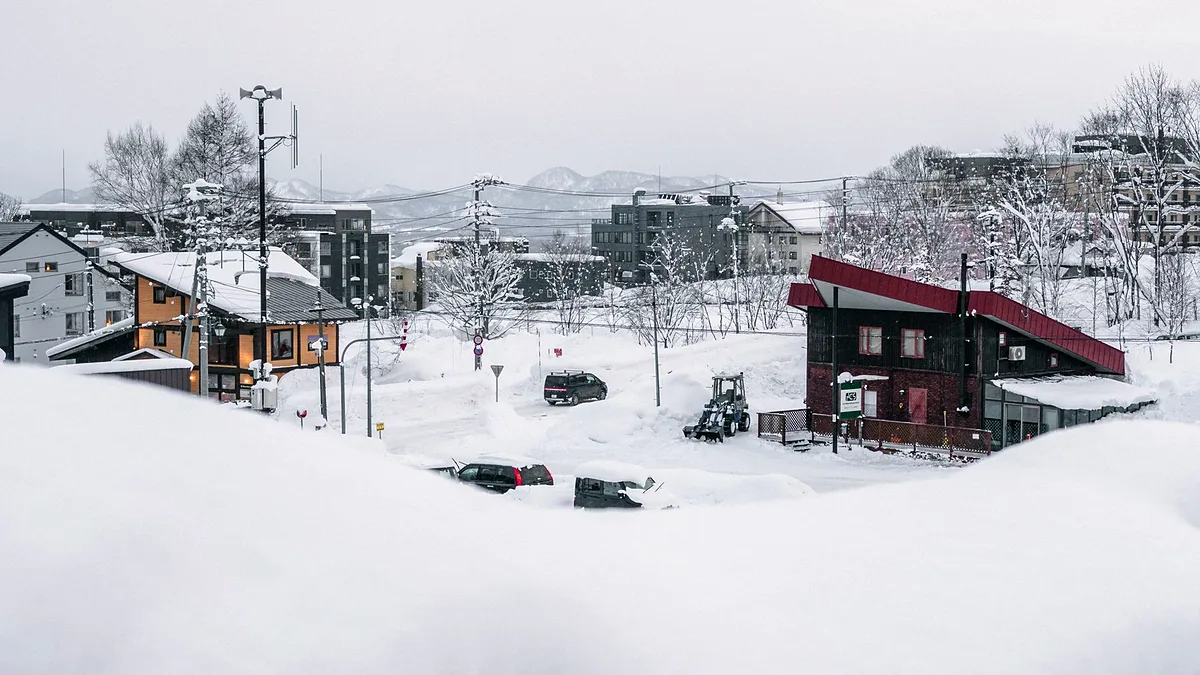

Most people file Niseko under powder snow, lift lines and ¥2,000 ramen. In summer the same valley empties out, lodging drops by half, and the real story shows up: people making things with their hands — soba cut on a wooden board, gin distilled from local botanicals, glass spun at 1,200°C.
This guide is for travelers who'd rather spend a rainy July morning churning butter or walking through a writer's 100-year-old farmhouse than queue for a gondola. Everything here is reachable from Kutchan, the valley's workaday town, with prices in yen and a rough USD conversion at ¥150 to $1.
- Best time to visit: Late June to early October. July is greenest; October brings the first snow dusting on Yotei and empty workshops.
- Daily budget: ¥9,000–15,000 (~$60–100) per person with a rental car share, one workshop, and casual meals.
- Getting around: Car-centric. Local buses link Kutchan, Hirafu and Niseko Station, but run every 1–2 hours and stop early.
- Vibe: Farming valley meets ski town in its off-season pajamas. Slow, friendly, slightly shuttered.
Arishima Takeo Memorial Museum, Niseko Town
Novelist Arishima Takeo bought farmland here in the 1910s, moved his family up from Tokyo, and tried to run a working estate while writing some of Japan's most argued-about fiction. The museum preserves his study, manuscripts and farm tools in a low concrete building looking straight at Mount Yotei.
Unlimited High-Speed International Travel eSIM
Connect in seconds across 180+ destinations. Instant QR code activation with zero roaming surcharges.

It's small — an hour, maybe ninety minutes — but it explains why this valley looks the way it does: stone-lined fields, drainage ditches, a grid of farm roads laid out by idealists. English signage is limited but the free pamphlet covers the essentials.
- Neighborhood: Arishima, Niseko Town (about 3 km south of Niseko Station)
- Cost: ¥500 (~$3.30) adult
- Best time: 9:00–10:30, before tour groups arrive
- Getting there: 25-minute walk from JR Niseko Station or a ¥1,200 (~$8) taxi; parking is free
Insider tip: Walk 10 minutes past the museum to the original Arishima Farm site markers in the fields. There's no gate, no ticket, and almost nobody there — it's the quietest heritage stop in the valley.
Craft Drinks: Niseko Distillery and Niseko Winery
Niseko Town has quietly become a drinks destination. The distillery produces gin and young whisky using local botanicals and spring water, and the winery works with cold-hardy grapes that survive Hokkaido winters. Both run short summer tours with tastings, and both are small enough that you'll be standing next to the tanks.
This is the easiest craft experience to fit into a half-day, and it works well in rain. Do note: these are working facilities, not theme parks. Tours run a few days a week from roughly June to October, and you must book ahead by phone or web form.
- Neighborhood: Niseko Town industrial edge, 10 minutes by car from Niseko Station
- Cost: Distillery tour and tasting ¥1,500–2,000 (~$10–13); winery tasting ¥500–1,000 (~$3–7)
- Best time: 13:00–15:00, then drive to Milk Kobo for soft cream
- Getting there: Car or taxi only — no useful bus stops nearby
Insider tip: Confirm dates the week you travel. Tours get cancelled for bottling days and staff shortages, and the websites are updated slowly.
Soba-Making at Rakuichi, Annupuri
Rakuichi is a small soba restaurant with a big reputation, and the owner makes every batch by hand in front of you. In quieter summer weeks the kitchen takes requests for soba-making sessions, where you knead, roll and cut your own lunch under supervision.
Even if you only eat here, it's worth the drive: the noodles are made from Hokkaido buckwheat, served cold with a clean dashi, and the room smells like toasted grain. Lunch runs about ¥1,500–2,500 (~$10–17).
- Neighborhood: Annupuri, on Route 66 near the gondola base
- Cost: Workshop ¥3,500–5,000 (~$23–33) with lunch, when available
- Best time: Arrive 11:15 to beat the noon rush
- Getting there: 15 minutes by car from Hirafu; limited Niseko Bus service to Annupuri
Insider tip: Bring cash and don't roll in at 13:30 — they close when the day's soba runs out, and that happens more often than the posted hours suggest.
Takahashi Farm (Milk Kobo), Niseko Town
This hilltop dairy is the valley's favourite low-effort stop: a wooden farm shop, a bakery counter, and soft-serve made from milk that was in a cow that morning. In summer the farm sometimes runs butter-churning and ice-cream sessions for small groups, usually on weekends.
The view from the lawn, straight across to Mount Yotei, is the postcard shot you'll actually take. It's family-heavy in August and dead quiet in June.
- Neighborhood: Niseko Town, Soga area, up a signed farm road
- Cost: Free entry; soft cream ¥400 (~$2.70); workshops ¥1,500–2,500 (~$10–17)
- Best time: 10:00 or after 15:30
- Getting there: 10 minutes by car from Niseko Station; free parking
Insider tip: Ask at the counter about workshop slots rather than relying on the website — the schedule is decided week to week based on staffing.
Makkari Station and the Naomi Uemura Museum
Twenty minutes from Kutchan, Makkari is a farming village with an early-1900s wooden station building that still serves two-carriage trains. The waiting room has a stove, a timetable on the wall, and no staff. It's a working relic, not a museum piece.
Makkari is also the birthplace of mountaineer Naomi Uemura, the first person to solo the North Pole and summit Denali alone. The village museum dedicated to him displays his sled, crampons and battered expedition gear — a strange, moving counterpoint to all the pottery and glass.
- Neighborhood: Makkari village centre, 15 minutes by car from Kutchan
- Cost: Station free; museum ¥500 (~$3.30)
- Best time: Morning, then lunch in Makkari
- Getting there: JR Hakodate Main Line to Makkari Station (a few trains daily) or a 15-minute drive
Insider tip: Check train times before you commit. Makkari gets roughly one train every two hours, and the last useful return to Kutchan is mid-afternoon.
Otaru Glass Day Trip: Taisho Glass and Kitaichi Glass
Otaru, an old herring-and-trade port an hour and change down the line, is where Hokkaido's glass craft actually lives. Taisho Glass runs bead-making and blowing sessions in a canal-side workshop, and Kitaichi Glass offers sandblasting and blowing in a converted stone warehouse.
Pair a workshop with the Herring Mansions on the hill above town — timber and stone houses built by 1900s fishing barons — and you've got a full, coherent heritage day. Sessions take 30–60 minutes and you'll carry the piece home in a padded box.
- Neighborhood: Otaru Canal district, Sakaimachi street
- Cost: Workshops from ¥1,800 (~$12) for sandblasting to ¥3,500 (~$23) for blowing
- Best time: Weekday mornings; the canal crowds arrive after 11:00
- Getting there: JR Hakodate Main Line Kutchan to Otaru, about 80 minutes, roughly ¥1,300 (~$9)
Insider tip: Book the workshop slot first, then plan the train around it. Walk-ins get pushed to late afternoon on weekends.
Where to Eat and Drink Nearby
Bang Bang (Hirafu) is the izakaya locals book for birthdays: skewers, sashimi, a wall of Hokkaido sake. Budget ¥3,500–5,000 (~$23–33) per person with drinks, and reserve a day ahead even in July.
Rakuichi (Annupuri) doubles as your soba workshop and your best lunch in the valley. Order the cold zaru soba and a side of duck.
Milk Kobo (Niseko Town) is the cheap win: ¥400 soft cream, ¥250 croquettes, and a lawn to eat them on. Skip the bakery's overpriced gift boxes — the same biscuits cost less at Kutchan's supermarkets.
Practical Logistics and Budget Tips
Rent a car. Summer rates run ¥7,000–10,000 (~$47–66) per day for a compact, and it turns a 40-minute bus wait into a five-minute drive. Book by early June for July and August; Kutchan's agencies sell out.
Public transport exists but is thin. JR's Hakodate Main Line links Kutchan, Niseko and Makkari every hour or two, and the Niseko Bus connects Kutchan Station with Hirafu for around ¥300–400 (~$2–3). From Sapporo, the highway bus takes about 2 hours 45 minutes for roughly ¥2,700 (~$18).
- Carry cash. Many workshops and farm stalls don't take cards. Kutchan's 7-Eleven and post office ATMs work with foreign cards.
- Cluster your days. Do Niseko Town (distillery, winery, museum, farm) in one loop, Annupuri and Makkari in another, and save Otaru for a rainy day.
- Book workshops a week out, not months. Summer schedules in Niseko are genuinely fluid.
What to skip: The summer sightseeing gondola on a cloudy day — you'll pay ¥2,000 to stare at fog. And don't plan on eating in Hirafu between 14:00 and 17:00; most kitchens close and reopen for dinner.
Honest heads-up: Shoulder seasons (May–June, late October–November) are cheap but half-shut. Expect "closed today" signs, and treat any confirmed booking as a small victory.
Frequently Asked Questions
Can you do craft workshops in Niseko without a car?
Yes, but only a handful — the glass and soba experiences cluster in Otaru and Annupuri, which are awkward by bus. Base yourself in Kutchan near the station and budget for two taxi rides, or join a tour.
How much do craft workshops cost in Niseko?
Expect ¥1,500–5,000 (~$10–33) per person depending on materials and whether lunch or a tasting is included. Museum entries are the cheapest stop at around ¥500 (~$3.30).
When is the best time to visit Niseko for heritage sites?
Late June through early October, when roads are clear and studios run summer hours. Avoid 13–16 August, when domestic holiday crowds push hotel prices up sharply.
Is Niseko worth visiting in summer?
Yes — lodging costs roughly half the winter rate, the landscape is green and walkable, and you get access to makers who are too busy to teach in December. Just set expectations for limited evening dining outside Hirafu.