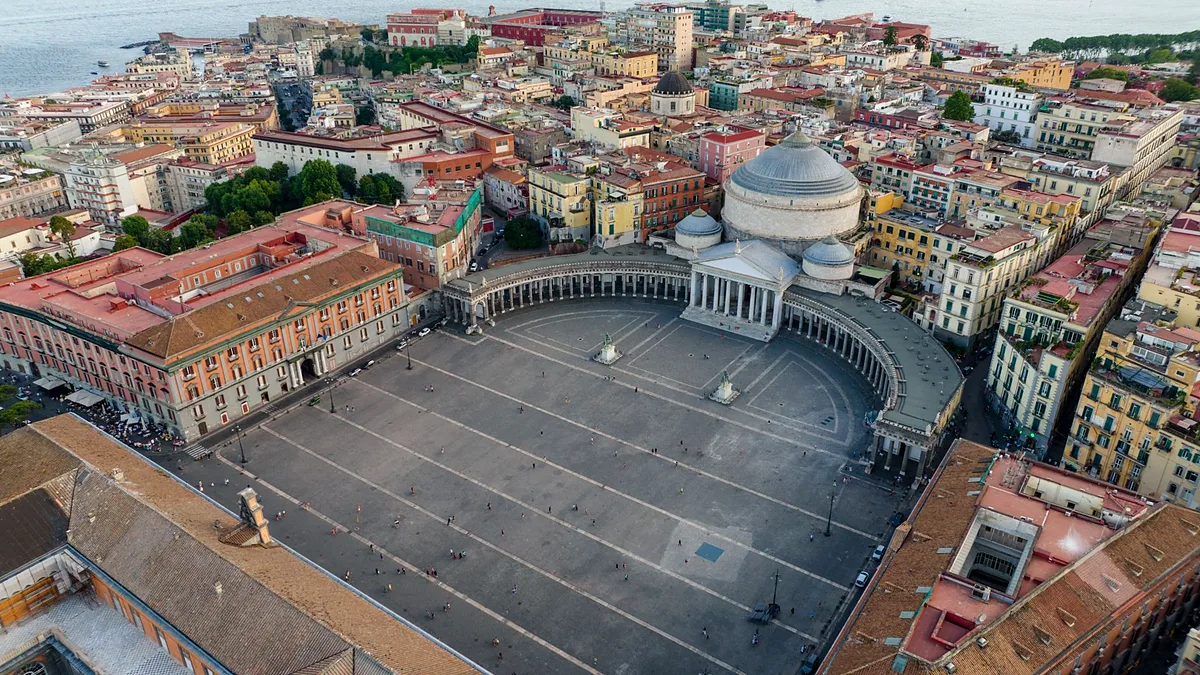

Naples has been making things by hand for roughly 2,800 years. The Greeks threw pots here, the Bourbons built porcelain kilns, and the nativity-scene carvers have passed workshops down through the same families since the 1700s.
So the best things to do in Naples aren't always behind a ticket booth. A lot of it happens in courtyards and side streets where someone is gluing a terracotta shepherd's beard at 9 a.m. Here's where to go, what it costs, and what to skip.
Naples at a Glance
- Best time to visit: April–June or late September–October. Avoid December on Via San Gregorio Armeno unless you enjoy shoulder-to-shoulder crowds.
- Typical daily budget: €60–€90 (~$65–$97) per person, covering a pizza lunch, two site entries and transport.
- Local transport style: Metro Linea 1 for the centro storico and Vomero, funiculars for the hills, walking for everything else. Taxis are a last resort.
- General vibe: Loud, warm, fast. Nobody in a workshop will rush you. The street outside will.
1. Via San Gregorio Armeno: The Nativity Carvers' Street
This narrow lane is the most concentrated craft street in Italy. Shop after shop sells presepi — nativity scenes — and the good ones are still carved, painted and dressed by hand in a back room you can often see into.
Unlimited High-Speed International Travel eSIM
Connect in seconds across 180+ destinations. Instant QR code activation with zero roaming surcharges.

Expect 18th-century-style shepherds with real fabric jackets, tiny copper pots, and the local tradition of slipping a miniature Maradona into the manger. It's free to walk and easily the most charming half-hour in the historic centre.
- Neighborhood: Centro Storico, between Via dei Tribunali and Via San Biagio dei Librai.
- Cost: Free. Small terracotta figures €5–€15 (~$5.40–$16); a hand-dressed signed figure €40–€90 (~$43–$97).
- Best time: Weekday 9:30–11:30 a.m., before the tour groups arrive.
- Getting there: Metro Linea 1 to Duomo, then a 6-minute walk.
Insider tip: Roughly half the shops near the Via dei Tribunali end now resell factory-made resin figures. Ask who made the piece — real workshops will walk you to the back bench and show you the tools.
2. Fondazione Made in Cloister: Workshops in a 1500s Cloister
A Renaissance cloister attached to Santa Caterina a Formiello sat half-collapsed until it was restored and reopened as a cultural foundation. The arcaded courtyard now hosts exhibitions, craft residencies and a small café under the portico.
It's the calmest spot in the Porta Capuana area, which is saying something given the market noise outside the gate. Come for a show, then sit with a coffee and watch the neighbourhood argue with itself through the archway.
- Neighborhood: Porta Capuana, Piazza Enrico de Nicola 48.
- Cost: Around €5 (~$5.40) for exhibitions; the courtyard and café are usually free.
- Best time: Tuesday–Saturday, 10 a.m.–1 p.m. Check online first — it closes between exhibitions.
- Getting there: 10-minute walk from Napoli Centrale; Metro Linea 1 to Garibaldi.
Insider tip: The gate often looks shut. Push it. And keep your phone in a front pocket on the walk over — the Porta Capuana market is fantastic and also a known pickpocket spot.
3. Museo Cappella Sansevero: The Veiled Christ
One room, one marble masterpiece. Giuseppe Sanmartino carved the Cristo Velato in 1753, and the veil over the dead Christ is so thin that visitors assume it's a chemical trick. It isn't — it's marble, cut by a 28-year-old.
The chapel was the project of Prince Raimondo di Sangro, an alchemist who filled the basement with two "anatomical machines": skeletons with allegedly preserved circulatory systems. Believe the story or not, they're the strangest thing in the centre.
- Neighborhood: Centro Storico, Via Francesco de Sanctis 19/21.
- Cost: €10 (~$10.80); free for under-18s.
- Best time: The 9 a.m. opening slot, or after 5 p.m.
- Getting there: Metro Linea 1 to Duomo or Dante, both a 5-minute walk.
Insider tip: Book a timed ticket online the day before. Walk-ups regularly wait 45 minutes for a visit that lasts 15. Don't skip the basement — most people photograph the veil and leave.
4. Certosa e Museo di San Martino: The View and the Presepe
A Carthusian monastery founded in 1325 sits above the city on the Vomero hill, with a terrace that gives you the whole sweep of the bay and Vesuvius. Most people come for the view and stumble onto one of the best museums in southern Italy.
The collection includes the Presepe Cuciniello, a nativity scene the size of a living room with hundreds of figures, plus huge ship models and paintings of Bourbon Naples. See this and Via San Gregorio Armeno and you've got the whole craft story.
- Neighborhood: Vomero, Largo San Martino 5.
- Cost: €6 (~$6.50). Closed Tuesdays.
- Best time: 3:30–5:30 p.m., when the light hits the bay from behind you.
- Getting there: Metro Linea 1 to Vanvitelli, then 10 minutes uphill; or the Chiaia funicular.
Insider tip: Walk down instead of riding back. Via Pedamentina is a stepped path dropping to Corso Vittorio Emanuele in about 20 minutes, with better views than any rooftop bar in town.
5. E. Marinella: A Working Tie Atelier on the Riviera di Chiaia
Eugenio Marinella opened this shop in 1914, and the family still cuts and hand-stitches ties in the back room from silk printed with their own designs. It's a working atelier, not a museum — the person folding stock is often the person who made it.
You don't need to buy anything. Browsing is welcome, and watching a trade survive four generations is legitimate sightseeing. Prices are high but fair for handmade silk.
- Neighborhood: Chiaia, Riviera di Chiaia 287, at Piazza Vittoria.
- Cost: Free to look. Ties €90–€180 (~$97–$195); pocket squares from about €45 (~$49).
- Best time: Weekday mornings. Closed Sundays.
- Getting there: Metro Linea 2 to Piazza Amedeo, then 12 minutes along the seafront.
Insider tip: Ask to see the archive silk patterns from past decades. It's the one thing staff genuinely enjoy being asked about, and it costs nothing.
6. Museo e Real Bosco di Capodimonte: Where Bourbon Porcelain Was Made
Charles of Bourbon built this palace in 1738 for his art collection and moved the royal porcelain factory up the hill to keep the glaze recipes secret. The result is a serious painting museum with a room of 18th-century porcelain most visitors never reach.
The 300-acre park around it is free and full of locals jogging and escaping traffic. It's the least stressful afternoon in Naples, which is an odd thing to say about a royal palace.
- Neighborhood: Capodimonte, Via Miano 2.
- Cost: €15 (~$16) for the museum; park free. Closed Wednesdays.
- Best time: Morning. First Sunday of the month is free but very busy.
- Getting there: Bus 178 from Piazza Dante, about 25 minutes; taxi roughly €15 (~$16).
Insider tip: The porcelain galleries sit near the end of the route, and most people run out of steam on the paintings. Head upstairs first, or pace yourself.
Where to Eat and Drink Nearby
Antica Pizzeria Da Michele — Via Cesare Sersale 1/3
Two pizzas on the menu, both €5.50 (~$6), running since 1870. The queue is real, so go at 3 p.m. or accept 30 minutes standing. You'll share a table and be out in 25 minutes.
Trattoria da Nennella — Vico Lungo Teatro Nuovo 103, Quartieri Spagnoli
A shouty, chaotic institution serving spaghetti alle vongole and genovese for €18–€25 (~$19–$27) a head with wine. No reservations, cash preferred, and the staff will yell at you affectionately.
Sfogliatella Mary — Galleria Umberto I, Via Toledo 66
Best sfogliatella riccia in the centre for €1.50 (~$1.60). Standing only, so eat it while it's warm. Caffè Gambrinus next door is worth one espresso at the bar (€1.20 / ~$1.30) — never at a table, where it costs €5.
Practical Logistics and Budget Tips
Getting around
A single 90-minute ANM ticket is €1.50 (~$1.60). A 24-hour Unico Campania ticket runs about €5.40 (~$5.80) and covers metro, buses and funiculars, so it pays off after three rides. Metro Linea 1 links Garibaldi, Duomo, Dante, Toledo, Municipio and Vanvitelli — most of this guide is a 10-minute walk from one of them.
The funiculars are the underrated hack: Funicolare Centrale runs from Via Toledo up to Vomero in five minutes for a normal metro fare. Skip taxis in the centro storico — the one-way streets turn a 1.5 km trip into a 20-minute crawl.
Money-saving notes
- Doing all six sites here costs about €36 (~$39) in entries. Pick four.
- The Campania Artecard (€24–€34 / ~$26–$37 for three days) includes transport and 2–3 free entries. Worth it only if you're combining Capodimonte with two other paid sites.
- Book Sansevero online; everything else you can walk into.
- Stand at the bar for coffee and pastries — table service roughly triples the price.
What to skip
Restaurants on Borgo Marinari and along Via Partenope with photo menus out front: you'll pay €22 for pasta that costs €9 three streets inland. Skip the "made in Naples" souvenir shops on Via Toledo, where much of the ceramic is imported, and skip the €70 pizza-making classes — several real pizzerias run informal sessions for €35–€45.
One honest heads-up: pickpocketing on Linea 1 around Garibaldi and Dante is genuinely common at rush hour, so wear a crossbody bag with the zip facing you. Some "artisan" shops in the centro storico also mix factory stock with handmade pieces, so ask before paying artisan prices.
Frequently Asked Questions
Which Naples artisan workshops can you visit without an appointment?
The nativity workshops on Via San Gregorio Armeno and E. Marinella's tie atelier on the Riviera di Chiaia both welcome walk-ins during normal hours. Fondazione Made in Cloister is also open Tuesday to Saturday, though it closes between exhibitions.
How much does it cost to see the Veiled Christ in Naples?
Entry to the Museo Cappella Sansevero is €10 (~$10.80) and free for under-18s. Book a timed slot a day ahead, because walk-up queues regularly run 45 minutes for a 15-minute visit.
Is Via San Gregorio Armeno free to visit?
Yes — it's a public pedestrian street with no ticket and no opening hours. Go on a weekday between 9:30 and 11:30 a.m. to see carvers actually working rather than posing for photos.
What is the best day to visit Naples' heritage sites?
Tuesday to Friday, starting at opening time, gives you shorter queues and better light. Avoid the first Sunday of the month if you dislike crowds — state museums like Capodimonte are free and locals turn out in force.