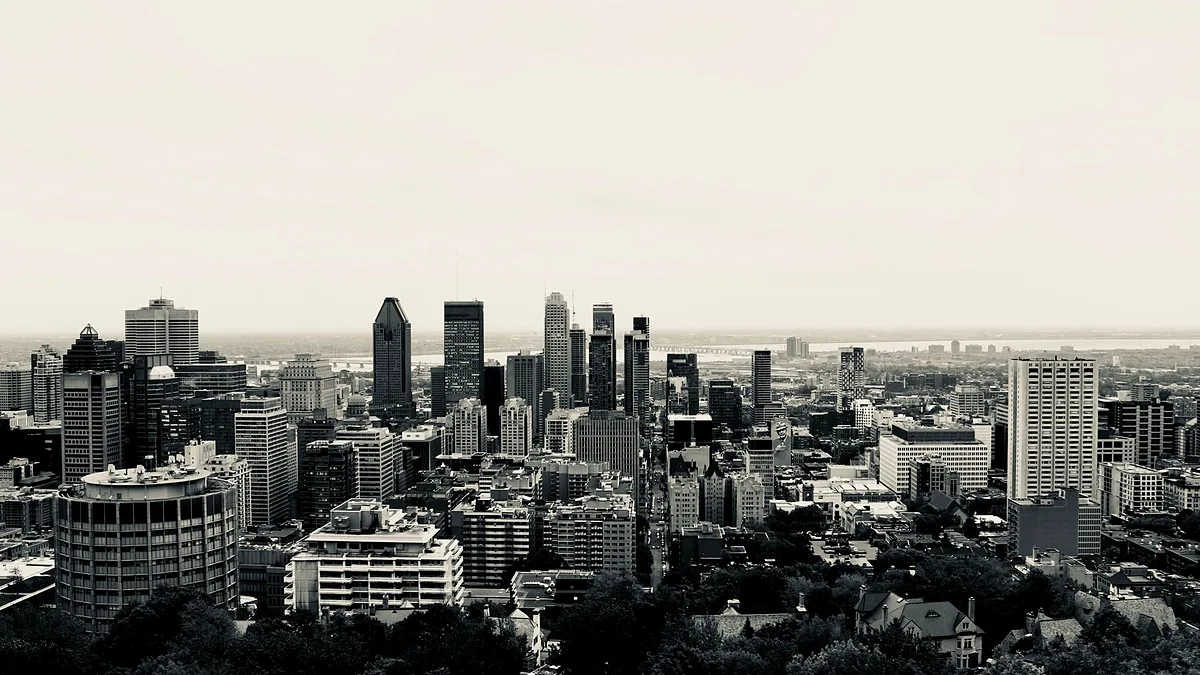

Montreal is one of the few cities in North America where you can throw a pot on a wheel in the morning and stand inside a 300-year-old stone cellar before dinner. The city's craft scene isn't staged for tourists, either. It grew out of real trade schools, guilds, and immigrant workshops that still operate in the same neighborhoods they always have.
This guide pairs the hands-on stuff (glass, clay, wood, leather) with the heritage buildings that give it context, so you understand why people here still make things by hand. Everything below is reachable by metro, priced in real dollars, and includes the parts that aren't worth your time.
- Best time to visit: Late May to mid-June, or September through mid-October. Warm enough for walking, quiet enough to book a workshop without a three-week wait.
- Typical daily budget: CA$110–$210 (~$80–155 USD) per person, including one workshop, one museum, transit, and two proper meals.
- Getting around: Metro plus walking. Old Montreal and the Plateau are flat and compact; the STM network fills in the rest.
- Vibe: Bilingual, unhurried, slightly scruffy in the best way. People will switch to English the second you hesitate in French.
1. Pointe-à-Callière: Start Underground, Then Walk Up
This is the museum that explains Montreal to you before you start wandering. It's built directly over the actual birthplace of the city, and you walk through excavated foundations, a buried cemetery, and a stone sewer line on glass floors. It's the rare archaeology museum where you never feel like you're reading plaques in a basement.
Unlimited High-Speed International Travel eSIM
Connect in seconds across 180+ destinations. Instant QR code activation with zero roaming surcharges.

Do this first. Every street you walk afterward, from Place Royale to the old port, makes more sense. Budget about 90 minutes, longer if you catch a temporary exhibition.
- Neighborhood: Old Montreal, 350 Place Royale
- Cost: CA$27 (~$20 USD) adult; under 18 free
- Best time: Weekday opening at 10 a.m., before school groups arrive
- Getting there: Métro Place-d'Armes (Orange line), three-minute walk
Insider tip: The outdoor section around Place Royale and the old wharves is free and often empty at 8 a.m. Do that loop with coffee first, then enter the museum when it opens.
2. Notre-Dame Basilica and the Quiet Side of Old Montreal
Yes, it's famous. It's also genuinely staggering inside, with a deep blue ceiling studded with gold stars and woodwork carved by hand in the 1800s. Arrive in the first hour after opening and you get something close to silence.
The trick is what you do next. Skip the souvenir stretch of Rue Saint-Paul east of Place Jacques-Cartier and walk Rue Saint-Sulpice, Rue Saint-Amable, or Place de la Dauversière instead. That's where the actual 18th- and 19th-century facades are, without the t-shirt racks.
- Neighborhood: Old Montreal, 110 Rue Notre-Dame Ouest
- Cost: CA$16 (~$12 USD) adult for a self-guided visit; the AURA light show runs CA$37 (~$27 USD)
- Best time: 9–10 a.m., or after 3 p.m. on weekday afternoons
- Getting there: Métro Place-d'Armes (Orange line), two-minute walk
Insider tip: AURA is a gorgeous projection show, but it's a spectacle, not a contemplative visit. If you want the basilica to yourself, go early and skip the evening ticket.
3. Espace VERRE: Blow Glass in a Working Studio
Espace VERRE is a glass arts center and teaching studio, not an entertainment venue. You'll be standing next to people who actually make their living blowing glass, which is exactly why the beginner sessions feel serious and satisfying.
Introductory workshops cover the basics: gathering molten glass from the furnace, shaping with jacks, and cooling your piece. You leave with a paperweight or small vessel, typically ready for pickup a few days later or mailed to you.
- Neighborhood: Near Griffintown, 1210 Rue Notre-Dame Ouest
- Cost: Discovery workshops generally CA$180–$320 (~$135–240 USD) depending on length
- Best time: Weekday evenings; weekend slots sell out first
- Getting there: Flat 10–12 minute walk from Métro Lucien-L'Allier (Orange) or Bonaventure (Orange)
Insider tip: Closed-toe shoes and long sleeves are non-negotiable, and cotton beats polyester every time. Book two to three weeks out in summer, and confirm whether your piece needs a second visit.
4. Les Affûtés: Wood, Clay, and Sewing in Villeray
Les Affûtés runs short, friendly workshops in manual skills, the kind of stuff most adults never got taught. Think hand-plane woodworking, wheel throwing, leather stitching, and basic mending in a bright workshop full of shared tools.
Classes are small and genuinely beginner-safe. Instructors switch between French and English without missing a beat, and nobody makes you feel bad for never having held a chisel.
- Neighborhood: Villeray, on Rue Saint-Denis north of Jean-Talon
- Cost: CA$65–$120 (~$50–90 USD) for a two- to three-hour session, materials usually included
- Best time: Weeknight sessions, which are easier to book than Saturdays
- Getting there: Métro Jean-Talon (Orange and Blue lines), then a 10-minute walk
Insider tip: Check the workshop description for a materials fee before you book. Wood sessions sometimes add CA$15–$25 for hardwood, and it's not always obvious on the listing.
5. Céramic Café Studio: The Low-Pressure Pottery Option
If a wheel sounds intimidating, this is the answer. You pick an unglazed piece off the shelf, paint it however you like, and the studio fires and glazes it for you. Stencils, stamps, and staff advice are all included, and nobody rushes you out.
It's a solid rainy-day plan and an easy one for mixed groups where one person is crafty and the other isn't. Expect to spend about two hours painting, plus a wait before pickup.
- Neighborhood: Plateau, 4335 Boulevard Saint-Denis
- Cost: CA$35–$65 (~$26–48 USD) total, covering the studio fee plus your chosen piece
- Best time: Weekday afternoons; weekends get loud with birthday groups
- Getting there: Métro Mont-Royal (Orange line), seven-minute walk
Insider tip: Firing takes roughly one week. If you're flying home sooner, ask about shipping before you start painting, not after you've paid.
6. La Guilde and Marché Bonsecours: Buy Work That's Actually Local
La Guilde has been representing Canadian fine craft since 1906, and the Peel Street gallery is free to walk into. Expect Inuit stone sculpture, hand-blown glass, woven textiles, and ceramics, all with maker names attached and prices to match the labor.
Pair it with Marché Bonsecours, the 1847 domed market building that now holds boutique stalls and event space. The building itself is the draw; the shopping is hit or miss.
- Neighborhood: La Guilde at 1465 Rue Peel (Downtown); Bonsecours at 350 Rue Saint-Paul Est (Old Montreal)
- Cost: Free entry to both; small ceramics start around CA$40 (~$30 USD)
- Best time: Late afternoon on a weekday, when the galleries are calm
- Getting there: Métro Peel (Green) for La Guilde; Métro Champ-de-Mars (Orange) for Bonsecours
Insider tip: Staff at La Guilde will tell you which pieces are made in Quebec versus elsewhere in Canada if you ask directly. It's a useful filter if you want something tied to the city.
7. Château Ramezay: A Small Museum With Real Rooms
Built in 1705 for a governor, this is one of the oldest surviving buildings in the province and now a compact history museum. The draw is the interiors: low ceilings, thick stone walls, and period furniture that make the scale of colonial life obvious.
It takes about an hour, which makes it an easy add-on after the basilica. The garden behind it is a quiet bench-and-flowers spot that most visitors walk straight past.
- Neighborhood: Old Montreal, 280 Rue Notre-Dame Est
- Cost: CA$14 (~$10 USD) adult
- Best time: Tuesday to Sunday, mid-afternoon
- Getting there: Métro Champ-de-Mars (Orange line), four-minute walk
Insider tip: The museum is generally closed Mondays outside high season. Check the schedule before you build a day around it.
Where to Eat and Drink Nearby
Olive et Gourmando — Old Montreal
A tiny bakery-cafe on Rue Saint-Paul Ouest that's been packed for two decades. The poached egg sandwich and the changing daily panini both land around CA$14–$18 (~$10–13 USD). No reservations, and weekend waits hit 25 minutes, so go at 11 a.m. or after 2 p.m.
La Banquise — Plateau
Open 24 hours and serving roughly 30 kinds of poutine, from classic to smoked meat-topped. A regular runs CA$14–$19 (~$10–14 USD). It's a five-minute walk from Céramic Café, which makes it the obvious post-pottery move.
Schwartz's — The Main
The smoked meat sandwich here is the benchmark, hand-cut and stacked on rye for about CA$13–$16 (~$10–12 USD). Expect a 15–25 minute line that moves fast, shared tables, and no atmosphere to speak of. Order the medium fat and don't overthink it.
Practical Logistics and Budget Tips
- Transit: A single STM ride is CA$3.75 (~$2.80 USD), a 24-hour pass is CA$11 (~$8 USD), and a three-day pass is about CA$22 (~$16 USD). Buy the pass if you're doing three or more trips a day; the OPUS reloadable card costs CA$6 and is worth it on longer stays.
- Bike share: BIXI docks are everywhere. A 30-minute one-way trip is around CA$4 (~$3 USD), and it's the fastest way between Old Montreal and the Plateau on a nice day.
- Walking reality check: Old Montreal to the Plateau is a 25-minute uphill walk. It's fine, but plan it as a leg of your day, not a quick hop.
- Museum math: The Passeport MTL (roughly CA$65 / ~$48 USD for three days) only pays off if you're hitting three or more participating museums. For two, buy individual tickets.
- Footwear: Cobblestones plus a construction season that never really ends. Flats with grip, always.
- What to skip: Rue Saint-Paul gift shops selling the same maple products at three price points, and any horse-drawn carriage offer (they're not legal anymore, so treat it as a red flag).
- Honest heads-up: Most workshops are small and bookable, not walk-in. Reserve pottery and glass sessions two to three weeks ahead, and check whether your class is taught in French, English, or both.
Frequently Asked Questions
Do I need to speak French to join a craft workshop in Montreal?
No. Most studios in central neighborhoods run classes bilingually or in English, and instructors switch automatically. Learning a few phrases like bonjour and merci goes a long way socially, even if the class is in English.
How far in advance should I book a pottery or glassblowing workshop?
Two to three weeks for weekend slots, and up to a month for glassblowing sessions in July and August. Weeknight classes are the easiest to grab last-minute, especially in spring and fall.
Can I see Montreal's heritage sites for free?
Yes, quite a few. Walking the streets of Old Montreal, the old port waterfront, the Notre-Dame Basilica exterior, and the Marché Bonsecours building all cost nothing, and La Guilde gallery is free to enter.
Is one day enough for craft workshops and heritage sites?
You can fit one museum, one workshop, and an Old Montreal walk into a single day if you start early and stay central. If you want two hands-on sessions, give yourself two days and keep both in the same neighborhood to cut travel time.