
Málaga gets sold as a beach-and-tapas stop, but the city has a working craft scene and a fortress that predates it by a thousand years. You can pull etchings in a Soho print studio in the morning and walk Moorish walls for €3.50 in the afternoon.
That mix is why I keep sending people here instead of Seville. The old centre is flat, compact and walkable, and most of the workshops are run by actual makers rather than actors in costume.
One honest warning before you start: plenty of "artisan" shops along Calle Larios sell imported souvenirs at three times the price. This guide points you to the rooms where things are still made.
Unlimited High-Speed International Travel eSIM
Connect in seconds across 180+ destinations. Instant QR code activation with zero roaming surcharges.

At a Glance: Málaga Craft and Heritage
- Best time to visit: March to May, or late September to early November. April and October are the sweet spot — 22–26°C and thin crowds.
- Typical daily budget: €60–€110 per person (~$65–$120 USD), covering a workshop or two, museum entries, three meals and local transport.
- Local transport style: Walk the centre, take EMT buses (€1.35 a ride) for El Palo and the east, and the Cercanías C1 train from the airport.
- General vibe: Unhurried and unpretentious. Shops close 14:00–17:00, dinner starts at 21:00, and nobody hurries you out of a bar.
The Alcazaba and Roman Theatre: Start Here
The Alcazaba is an 11th-century Moorish palace-fortress built on Roman foundations, and it is the single best €3.50 you will spend in Málaga. The walls, horseshoe arches and water channels are original, and the gardens smell of orange blossom most of the year.
Directly below the entrance sits the Roman Theatre, rediscovered in 1951 when the city cleared a car park. It is free to look at from the street, though you can walk down into the seating area during opening hours.
- Neighbourhood: Centro Histórico, entrance on Calle Alcazabilla.
- Cost: €3.50 (~$3.80) for the Alcazaba alone; €5.50 (~$6) combined with Gibralfaro Castle. Free on Sundays after 14:00 for EU citizens.
- Best time of day: The 09:00 opening, or after 17:00 when the tour groups thin out and the light goes gold.
- How to get there: A 10-minute walk from Plaza de la Marina. Buses 1, 3, 11, 16 and 37 stop at Paseo del Parque.
Insider tip: Climb straight to the top mirador first, then work your way down through the lower courtyards. Doing it in reverse means you queue on the narrow staircases behind everyone else.
Museo de Artes y Costumbres Populares: Where Crafts Get Taught
This is the museum Málaga locals forget exists, and it is exactly on theme. Housed in the 17th-century Mesón de la Victoria, it holds esparto grass weaving, ceramics, saddlery, marquetry and the city's own cacharros clay-pot tradition.
More importantly, it runs hands-on sessions through the year — esparto weaving, clay work, basic leather tooling. These are not staged for tourists; they are the same classes advertised to residents, and that is what makes them good.
- Neighbourhood: Pasillo de Santa Isabel, two minutes from Atarazanas market.
- Cost: €4 (~$4.30) entry, free on Sundays after 14:00. Workshops typically run €25–€60 (~$27–$65) for a two-to-three-hour session.
- Best time of day: Late morning, then walk straight into the market for lunch.
- How to get there: Walk from Alameda Principal; buses 1, 3, 11 and 16 stop within 400 metres.
Insider tip: Ask at the front desk for the current workshop calendar rather than trusting the website — the schedule changes by season and the site is often out of date. Most sessions run in Spanish, but the teaching is visual enough that non-speakers manage fine.
Taller Gravura and the Lagunillas Street-Art Block
Taller Gravura is a working printmaking studio in Lagunillas, the barrio just north of Soho. Founded by artist Paco Aguilar, it handles etching, linocut and screen printing, and opens courses to the public alongside its own production.
Spend a few hours carving lino and you will never look at a printed poster the same way again. Afterwards, walk the surrounding blocks: Lagunillas and Soho carry one of Spain's densest concentrations of large-scale murals, painted on the blind walls above the shutters.
- Neighbourhood: Lagunillas, roughly 10 minutes uphill from the Alcazaba.
- Cost: Weekend workshops from around €50–€70 (~$55–$75); longer courses run €150+ (~$165). Some sessions include materials.
- Best time of day: Weekday mornings for the murals; workshops are usually evenings or Saturdays.
- How to get there: Walk from the centre via Calle Victoria; buses 1, 36 and 37 serve the area.
Insider tip: Email before you book and ask whether your session will be Spanish-only. The team is friendly about it and will tell you straight, which saves you a confusing morning. Also: skip the €15 guided street-art tours and pick up the free mural map at CAC Málaga.
Museo del Vidrio y Cristal: An 18th-Century Palace Full of Glass
This private collection sits inside a restored palace off the main drag, and it holds around 3,000 pieces of glass and crystal spanning two millennia. You visit with a guide, which sounds off-putting and is actually the best part — the stories about how each piece was blown are what make it stick.
It is a quiet, cool hour and a half, which is exactly what you want at 15:00 in July. Check hours on the day; they shift with the season and the museum closes on Mondays.
- Neighbourhood: Centro Histórico, near Plaza del Santísimo Cristo de la Sangre.
- Cost: Around €10 (~$11) including the guided tour. Cash accepted, cards usually fine.
- Best time of day: First slot of the day — fewer people in the small rooms.
- How to get there: An 8-minute walk from the cathedral; the whole centre is walkable from here.
Insider tip: Groups are small and cap out fast in high season. Ring ahead in the morning rather than turning up at 16:00 and hoping.
CAC Málaga: Contemporary Art in a Former Wholesale Market
The Centro de Arte Contemporáneo occupies a 20th-century wholesale market building with a sawtooth concrete roof — heritage in itself, and a nicer space than most of the art inside it. Entry is free, which makes it the easiest gamble in the city.
Programmes rotate every few months and lean heavily on photography and installation. The museum also runs family workshops and print and drawing sessions; check the board in the entrance hall.
- Neighbourhood: Soho, on Calle Alemania along the river.
- Cost: Free entry. Workshops are usually free or under €10 (~$11).
- Best time of day: Weekday afternoons; weekends get busy with families.
- How to get there: 12-minute walk from Alameda Principal, or bus 3 to Alameda de Colón.
Insider tip: Combine CAC with the Soho murals immediately outside — the best of them are on Calle Casas de Campos and Calle Tomás Heredia, both within two minutes of the door.
Museo de Málaga in the Palacio de la Aduana
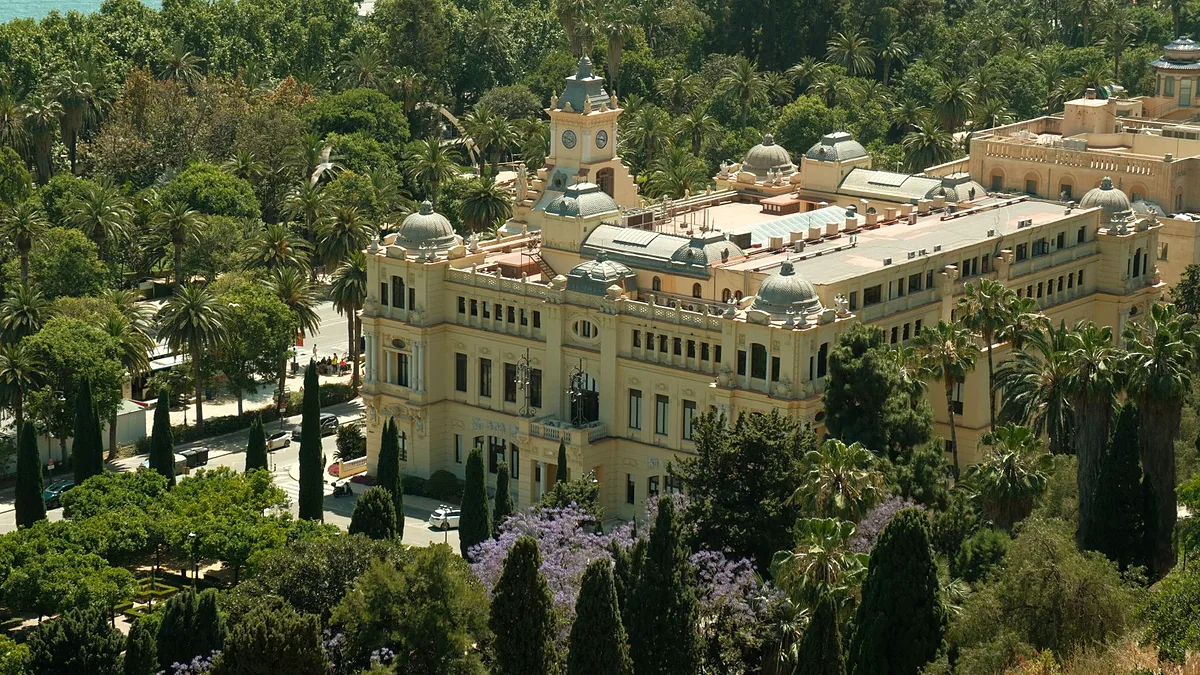
The city's main archaeological and fine art collections moved into the old customs house in 2016, and the building alone justifies the trip. Inside are Roman mosaics lifted from local villas, Phoenician pieces and a fine-art floor that explains Málaga's 19th-century painting school.
It is almost always quiet, air-conditioned and cheap. For anyone trying to understand why this city looks the way it does, it beats another gallery of modern prints.
- Neighbourhood: Plaza de la Aduana, beside the Alcazaba.
- Cost: Free for EU citizens; around €1.50 (~$1.60) for everyone else.
- Best time of day: Midday, when the Alcazaba is too hot to climb.
- How to get there: Two minutes from Paseo del Parque; buses 1, 3, 11, 16, 37.
Insider tip: Head to the upper floors first — the windows look straight across at the Alcazaba walls, and it is the best free view in the centre.
Mercado de Atarazanas and the Craft Shops Around It
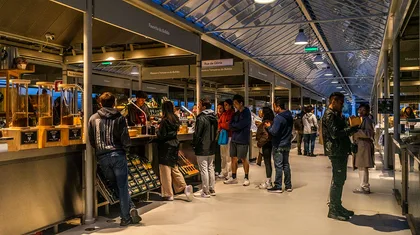
Atarazanas is a working market in a 1879 iron-and-glass hall, built around the surviving gate of a 14th-century Moorish shipyard. Come for the fish counters, the olives and the fact that locals still do their weekly shop here.
The streets north of the market — around Pasillo de Santa Isabel and Calle Andrés Pérez — hold the small craft suppliers: ceramics, rope, esparto, picture framing. These are working shops, not showrooms, so browse quietly and buy something.
- Neighbourhood: Atarazanas, at the top of Alameda Principal.
- Cost: Free to enter. A plate of fried fish at a counter stool runs €6–€12 (~$6.50–$13).
- Best time of day: 09:00–11:30, before the fish sells out and the coach groups arrive.
- How to get there: Metro lines 1 and 2 to Atarazanas station, or a 6-minute walk from Calle Larios.
Insider tip: The counters at the back of the hall are noticeably cheaper than the ones facing the entrance. Same fish, lower rent.
Where to Eat and Drink Nearby
Antigua Casa de Guardia
Málaga's oldest bar, pouring sweet wines from oak barrels since 1840, on Alameda Principal. There is no menu — tell them sweet or dry, and they will pour. A small glass is about €2 (~$2.20), and the cured olives are free with it.
Casa Aranda
A churros institution on Calle Herrería del Rey, running since 1932. Order churros and a coffee for roughly €6 (~$6.50), stand at the bar, and be out by 10:30 before the queue forms. The thicker porras are the local choice.
El Tintero
A seafood hall on the beach at El Palo where waiters circulate with plates and you flag down what you want — an auction, basically. Expect €20–€25 (~$22–$27) per person with wine. Take bus 11 from the centre, about 20 minutes east.
Practical Logistics and Budget Tips
- Walk the centre: Plaza de la Marina to Atarazanas is 15 minutes on foot. You will wait longer for a bus than it takes to walk it.
- Bus fares: EMT single tickets cost €1.35; a multi-trip bono card cuts that by roughly 40% and is worth it if you are here more than three days.
- Airport: The Cercanías C1 train reaches Centro-Alameda in about 12 minutes for under €2. Ignore the taxi queue unless you are arriving after midnight.
- Free museum slots: City-run sites are free on Sunday afternoons; state museums are free for EU citizens. Plan your Sunday around it.
- Book workshops early: Small studios fill one to two weeks ahead in spring and autumn. Budget €25–€60 for a short session, €150+ for multi-day courses.
- Skip the hop-on-hop-off bus. The historic core is smaller than the route suggests and you will see more on foot.
- Skip the photo-menu restaurants on Plaza de la Marina and the lower end of Calle Larios. Walk two streets inland and pay half.
- Honest heads-up: August hits 35–40°C and the Alcazaba has almost no shade. Small shops genuinely close from 14:00 to 17:00, so do not plan a workshop crawl across siesta.
Frequently Asked Questions
Can tourists join craft workshops in Málaga?
Yes. Printmaking at Taller Gravura, and esparto weaving or ceramics sessions at the Museo de Artes y Costumbres Populares, are open to visitors. Email or call one to two weeks ahead, and confirm whether the session is Spanish-only.
Which heritage sites in Málaga are free?
CAC Málaga is free every day, the Roman Theatre is free to view, and the Alcazaba is free on Sundays after 14:00 for EU citizens. The Museo de Málaga is also free for EU visitors.
How many days do you need for Málaga's craft and heritage sights?
Three full days covers the Alcazaba, two museums, one workshop and the market at a relaxed pace. Two days works if you drop a museum and book your workshop before you arrive.
What is the best time of day to visit the Alcazaba?
Go at the 09:00 opening or after 17:00 in summer. Midday is brutally exposed, and the narrow staircases become a slow single file once the tour groups arrive.