
Hwange doesn't sell itself well. Most travellers blast through town on the Bulawayo–Victoria Falls highway without stopping, aimed at the elephants in the national park next door. That's understandable, but the craft and heritage side of this place is worth half a day, and almost nobody tells you where it is.
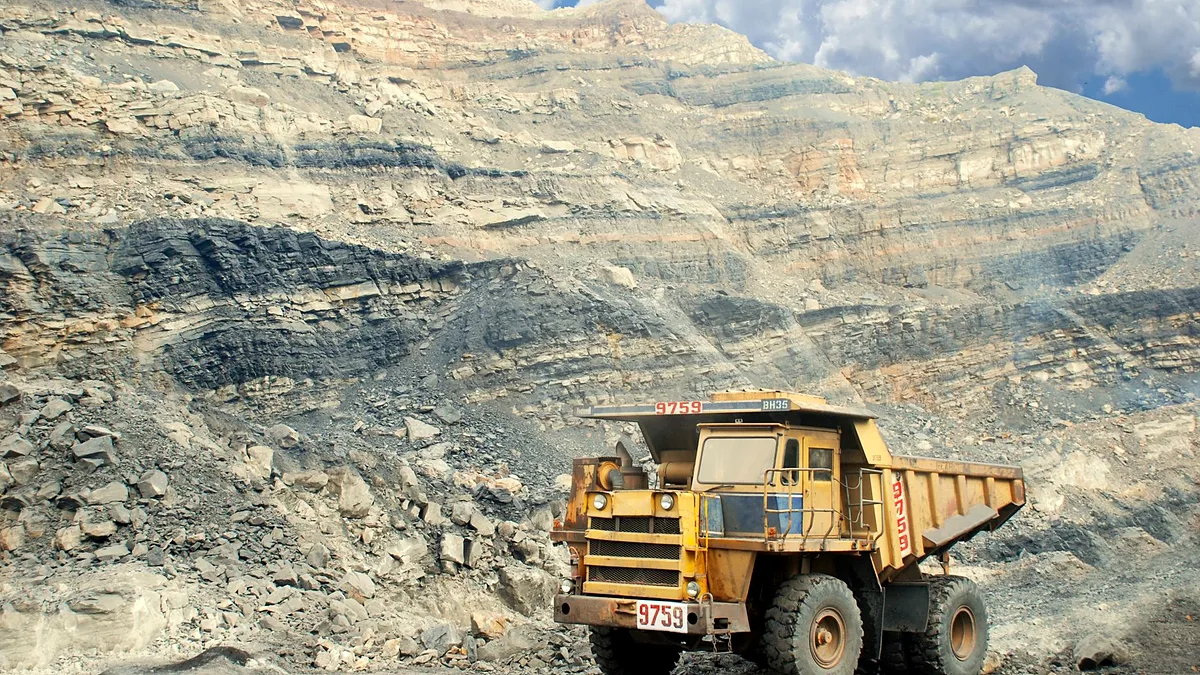
What you get here isn't a polished cultural village. It's a working coal town where confiscated snare wire gets cut and reworked into jewellery, where 200-year-old stone walls sit at the end of a faint two-track, and where the park's famous elephants drink from pans that people built by hand in the 1930s.
Bring cash, patience and a car that can handle gravel. Here's how to do it properly.
Unlimited High-Speed International Travel eSIM
Connect in seconds across 180+ destinations. Instant QR code activation with zero roaming surcharges.

Hwange at a Glance
- Best time to visit: June to October. Dry season means animals crowd the pumped pans and the bush is thin enough to actually see them. November is punishing.
- Typical daily budget: US$60–90 (~ZiG equivalent) self-driving and self-catering; US$250+ if you're sleeping inside the park with game drives included.
- Local transport style: No ride-hailing apps. You need your own high-clearance vehicle, a hired driver, or a lodge transfer. Combis run town routes for about US$1.
- General vibe: Diesel, dust, football on a Saturday afternoon, elephants 30 km away. Zero pretence.
1. Painted Dog Conservation Centre, Cross Dete
Hwange holds one of Africa's most important wild dog populations, and this centre on the Bulawayo road is the reason. It runs a rehabilitation facility, anti-poaching snare sweeps and a children's bush camp. It is a working site, not an attraction, which is exactly why it's good.
The craft angle is the part most people miss. Wire snares pulled out of the bush are stripped, cleaned and reworked by local artisans into keyrings, bracelets and small animal figures. You can watch the workshop and buy direct, and the money goes back into the same community anti-snare unit that collected the wire.
- Location: Cross Dete, roughly 30 km southeast of Hwange town on the Bulawayo highway.
- Cost: About US$10 per person (approximately ZiG 140 at recent rates) as a donation. Cash only.
- Best time of day: Weekday mornings, 9–11am, before the school groups arrive.
- Getting there: Own car, or a taxi from Hwange town for roughly US$25–30 return.
Insider tip: Phone ahead the day before. The rehab pens are off-limits when dogs are in quarantine, and the office sometimes assumes you're a school booking if you just walk in.
2. Bumbusi National Monument
Bumbusi is the heritage site that earns Hwange its history. It's a dry-stone settlement built by the Nambya people, with walls laid without mortar and roughly two centuries of age on them, plus rock engravings on the surrounding sandstone. There is no ticket booth, no signage worth the name, and no one to explain it to you.
That emptiness is the appeal. You'll likely have the whole place to yourself, and the silence out there on the escarpment is the kind you remember longer than any museum label.
- Location: Inside the park's northern sector, about an hour's drive from Sinamatella camp.
- Cost: Covered by your park entry fee (around US$20 per person per day for international visitors, plus a vehicle fee — confirm current ZimParks rates).
- Best time of day: Early morning. The track is easier to read and the light on the walls is better.
- Getting there: 4x4 only in the wet months, and best with a ZimParks ranger from Sinamatella — the turn-off is unmarked.
Insider tip: Don't climb or sit on the walls. They're unconsolidated and a hand placed in the wrong spot does real damage — the rangers notice.
3. Colliery Heritage: Museum, No. 3 Township and the 1972 Memorial
Coal has been pulled out of this ground since 1903, and the town exists because of it. The small colliery museum tells that story with old photographs, lamps and machinery, and it's opened by arrangement rather than by a permanent staff of guides. Ask at the Colliery offices; a short, honest tour is usually possible.
The harder, better stop is the memorial to the 1972 Wankie disaster, when an underground fire killed 427 miners. It's a quiet, understated site with names on it, and it explains more about Hwange than any craft stall will.
- Neighbourhood: The colliery precinct and the No. 3 township, on the western edge of Hwange town.
- Cost: Free to nominal. Small tips for a local guide, US$5–10.
- Best time of day: Morning for the museum, late afternoon for the township walk when the light softens.
- Getting there: A short drive or cheap taxi (US$3–5) from the town centre.
Insider tip: Ask before you photograph the headgear, plant or security gates. This is a live industrial site and the guards are serious about it. People are friendlier when you ask first.
4. Main Camp Curio Line and the Soapstone Carvers
At the entrance to Hwange Main Camp, a loose line of vendors sells mukwa wood carvings, soapstone animals and the tall, tightly woven ilala palm baskets traded down from Binga. It is not curated, and you will be asked to buy the moment you slow down.
Quality swings wildly. Some of the soapstone work is genuinely good — clean lines, honest proportions — and some of it is knocked out in twenty minutes. Take your time, and expect to bargain; the first price is not the real one.
- Location: Hwange Main Camp gate, about 25–30 km from Hwange town, the last stretch on gravel.
- Cost: Small soapstone pieces US$5–8, mid-size wooden bowls US$15–25, good Binga baskets US$20–60.
- Best time of day: Mid-morning, before the heat and before the afternoon game-drive traffic.
- Getting there: Own vehicle; no public transport on the camp road.
Insider tip: Bring small US dollar notes and refuse anything sold as "ivory" — it's bone or plastic, and illegal either way. Buy the basket with the tightest weave, not the one with the brightest dye.
5. Walking Safaris and the Pumped Pans
A walking safari here is the real thing: three to four hours on foot with an armed ranger, reading tracks, dung and bird calls rather than ticking off animals from a seat. Walks leave from Main Camp and Sinamatella, and the pace is slow by design.
The heritage story underneath it is worth knowing. Hwange's elephants survive on water pumped by windmill and borehole, a system started by the park's first warden in the late 1920s. Guvalala Platform, a raised hide over one of those pans near Main Camp, is the easiest place to see the whole chain working at sunset.
- Location: Hwange Main Camp, or Sinamatella about two hours north on the Binga road.
- Cost: Roughly US$40–60 per person for a ranger-led walk, on top of park fees.
- Best time of day: First light for tracks; late afternoon at Guvalala for the pan.
- Getting there: Book at the camp office; you cannot walk unescorted in the park.
Insider tip: Book the afternoon before, wear dull colours, and stay quiet for the first twenty minutes — almost every group talks too much and misses the best sighting of the walk.
6. Nambya Weaving and Clay Work with Local Women's Groups
The Nambya are the indigenous people of this district, and around Dete and the Lwendulu township, women's groups still coil clay pots, weave sleeping mats and make baskets for sale. It's genuine craft, made to be used, not to be photographed.
This is the least formalised item on this list, and honesty matters: there is no fixed address, no opening hours and no guarantee anyone is expecting you. Arrange it through the conservation centre, a lodge manager or the Main Camp office a few days ahead.
- Location: Dete village and Lwendulu township, on the edge of Hwange town.
- Cost: A workshop visit usually runs US$10–20 per person; pots and mats US$8–30.
- Best time of day: Mid-morning, when the day's work is already underway.
- Getting there: Taxi from town, US$5–10, or a stop en route to Cross Dete.
Insider tip: Pay the asking price without haggling here. These groups get no grant funding, and the difference between US$10 and US$7 is not a game.
Where to Eat and Drink Nearby
Hwange Safari Lodge sits on the road toward Main Camp and has the only proper sundowner deck in the area. Lunch runs US$12–20 (~ZiG 170–280); the terrace view over the waterhole is the point. Chicken Inn on the main street in Hwange town is the reliable quick option at US$3–6, and it's where half the town eats at lunch. For the real thing, find a township kitchen in Lwendulu or Empumalanga and order sadza with roadrunner chicken and greens for US$2–3 — ask your driver which one is good that week. Inside the park, the Main Camp shop is basic but serviceable for self-catering, so bring your own coffee.
Practical Logistics and Budget Tips
Get there: Intercity coaches run Bulawayo to Hwange in about four to five hours for US$8–12, dropping you in town, not at the park. There are no scheduled flights to Hwange; most people fly to Victoria Falls and drive the roughly 100 km south, which takes 1.5–2 hours.
Fuel and cash: Fill up in Hwange town at around US$1.55 a litre — there is no fuel inside the park. ATMs are unreliable for foreign cards, so carry US dollar cash in small notes, plus a little ZiG for township purchases.
| Item | Rough cost |
|---|---|
| Park entry (international, per day) | US$20 (~ZiG 280) |
| Ranger-led walk | US$40–60 |
| Taxi across town | US$3–5 |
| Sadza and chicken | US$2–3 |
| Craft spend (realistic) | US$20–40 |
What to skip: Don't expect a visitor-centre experience at the colliery — it's a working mine with a museum attached, arranged in advance. Skip the park's gravel loops in a sedan; you will bottom out. And skip any "cultural village" tour that appears only when a tour bus is in town.
Honest heads-up: Hwange is a malaria area, so sort prophylaxis before you fly. The rainy-season tracks between Main Camp and Sinamatella turn to soup, and the Bulawayo–Victoria Falls passenger train runs only intermittently — confirm the week you travel rather than trusting an old timetable.
Frequently Asked Questions
Is Hwange town safe for tourists?
Yes, with normal city sense: it's a working town, not a tourist strip, so keep valuables out of sight and don't wander the colliery perimeter. Ask before photographing people, industrial sites or security gates.
How do I visit the Bumbusi ruins?
Drive to Sinamatella camp and arrange a ZimParks ranger to take you, since the turn-off is unmarked and the track is rough. A high-clearance vehicle is essential and a 4x4 is wise in the wet season.
Where can I buy genuine local crafts in Hwange?
The Painted Dog Conservation Centre at Cross Dete sells snare-wire pieces made on site, and the curio line at Main Camp gate is best for soapstone, mukwa wood and Binga baskets. For pottery and woven mats, arrange a visit to a women's group in Dete or Lwendulu in advance.
Do I need a guide for a walking safari in Hwange National Park?
Yes — walking unescorted is not permitted, and rangers carry a rifle for a reason. Book a ranger-led walk at the Main Camp or Sinamatella office the day before, and budget US$40–60 per person on top of park fees.