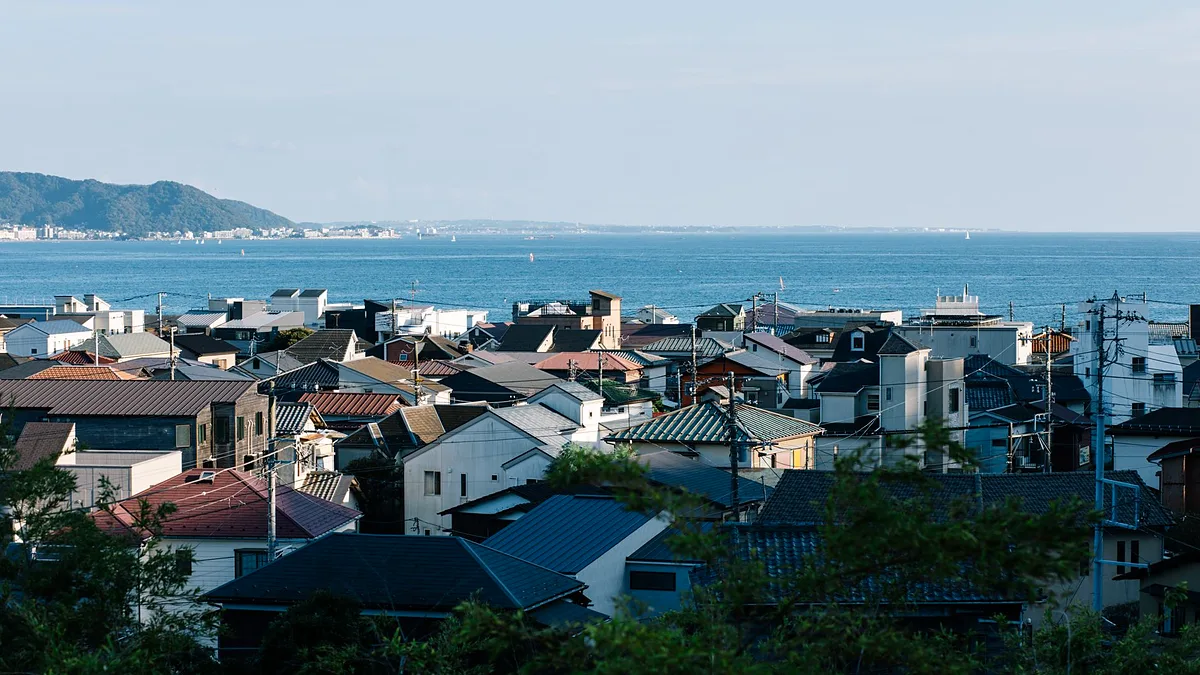

Himarë sits on the Albanian Riviera between Vlorë and Sarandë, where the Ceraunian mountains drop straight into water so clear it looks filtered. The town splits in two: a stone kastro (old town) climbing the hill, and a beachfront strip below it that runs from Spile round to the port. Neither one will drain your wallet.
Here is the trick. In high season, two sunbeds and an umbrella on the main beach cost around 1,000–1,500 lek (~$11–17 USD). A family-run double room five minutes from the sea costs less than a hostel dorm in Italy. The food is the same grilled octopus and cold white wine you would pay triple for across the water in Corfu.
This guide is about spending like a local while living like you are not. Everything below is priced in lek (roughly 90 to the US dollar, 100 to the euro — check the rate before you go), and August prices are always the outlier.
Unlimited High-Speed International Travel eSIM
Connect in seconds across 180+ destinations. Instant QR code activation with zero roaming surcharges.

At a Glance
- Best time to visit: Late May to mid-June, or the whole of September. Sea is warm, prices drop 30–40%, and the beach has room to breathe.
- Typical daily budget: 4,500–7,000 lek (~$50–78 USD) per person for a comfortable day — swim, sit-down lunch, sunbeds, dinner with wine.
- Local transport: Furgon minibuses along the SH8 coastal road, paid in cash on board. Inside town, you walk. Everything is 10–20 minutes on foot.
- Vibe: Pebble coves, family tavernas, Euro beach-club looks without the beach-club bill. Quiet at 9am, alive at 9pm.
The Old Town Kastro: Best Free Sunset on the Coast
The kastro is the original Himarë — a knot of stone lanes, laundry lines and half-restored Ottoman-era houses stacked above the bay. Nobody charges you to walk in. You climb staircases between whitewashed walls, pass the church of Panagia, and come out on castle walls with the whole coastline laid out below you.
It takes about 20 minutes to wander properly, and it is worth doing twice: once at midday when the alleys are empty and once at 7pm when the light goes orange and the swallows come out. Bring water, because the tiny bar at the top opens when the owner feels like it.
- Neighborhood: Kastro hill, directly above the main square and taxi rank.
- Cost: Free. Coffee at the top 150 lek (~$1.70 USD).
- Best time: 6:30–8pm for light and cool air.
- How to get there: Find the stone stairs behind the main square, not the vehicle road. It is a 10-minute uphill walk from the port roundabout.
Insider tip: Most visitors follow the road up, which adds 15 sweaty minutes. Take the stairs behind the taxi rank instead — locals use them and they drop you straight into the oldest part of the kastro.
Filikuri Beach: The Cove With No Road
Filikuri is what people picture when they say Albanian Riviera: a crescent of white pebbles jammed between limestone cliffs, a shallow cave at one end, and absolutely no development. There is no bar, no sunbeds, no music. Just water so clear the boats look like they are floating on air.
Because you cannot drive there, it stays quiet even in August. You arrive by boat from Himarë port or by kayak, and you leave when the skipper says so. Bring everything you need, including shade, because the sun hits that cove hard from 11am.
- Location: Between Potam and Llaman, about 3 km south of Himarë town.
- Cost: 1,000–1,500 lek (~$11–17 USD) return per person by water taxi. Kayak rental is similar.
- Best time: Before 10am or after 4pm. Midday is beautiful and brutal.
- How to get there: Boats leave from the small jetty near the port. Ask at the kiosk the day before, not on the morning, and confirm the return time in writing or on your phone.
Insider tip: Boats only run when there are enough passengers, so go early and be flexible. If you have four people, negotiate a private run for roughly the same per-head price and you control the schedule.
Porto Palermo Castle: A Fortress for Pocket Change
About 7 km south of town, a low peninsula holds a fortress built for Ali Pasha, the Ottoman governor who ran this coast like a private kingdom. You walk in across a causeway, climb the walls, and get a 360-degree view of a bay that looks like it was designed for swimming. Inside, a small chapel still carries faded frescoes.
Entry is 300 lek. That is not a typo. You can spend an hour here, swim off the rocks below the walls, and still have change from a five-dollar bill.
- Location: Porto Palermo bay, on the SH8 heading toward Qeparo.
- Cost: 300 lek (~$3.30 USD). Parking is free.
- Best time: 8–10am. Tour buses arrive around 11am and the walls get crowded.
- How to get there: Any furgon heading south toward Qeparo or Sarandë will drop you on the main road; it is a 10-minute walk to the gate. By car it is 15 minutes.
Insider tip: The frescoed chapel is tucked behind the main gate and easy to walk straight past. Also, the restaurant on the bay with the postcard view charges roughly double the town rate — eat before or after, not there.
Livadhi Beach: Where Locals Go on Sunday
Two kilometres north of the centre, Livadhi is the beach Himarë residents actually use. It is pebbly, the water deepens quickly, and the crowd is Albanian families with coolers rather than sunburned tourists. Sunbeds here undercut the main strip by a few hundred lek.
It is not glamorous. There is one beach bar, a car park that turns to chaos in August, and no shade unless you pay or walk. But it is the cheapest proper swim close to town, and the afternoon light on the cliffs opposite is genuinely lovely.
- Neighborhood: Livadhi, on the SH8 north toward Vlorë.
- Cost: 800–1,200 lek (~$9–13 USD) for two loungers and an umbrella. Beach access free.
- Best time: 9–11am, or after 5pm when the day-trippers leave.
- How to get there: A 25-minute walk along the road from town, or any northbound furgon for around 100–200 lek.
Insider tip: Walk 200 metres past the last row of sunbeds and you hit tamarisk trees with natural shade and free rocks to sit on. Same water, zero cost.
Gjipe Canyon: The Beach at the End of a Hike
Gjipe is a slot where a canyon meets the sea, and the cliffs on either side are tall enough to make you feel small. There is a ruined monastery perched above the entrance and almost nothing at beach level, which is exactly the appeal.
You get there one of two ways: a 30–40 minute walk down a rough dirt track from the SH8, or a short water taxi from Jale beach. The walk down is fine. The walk back up, at 2pm, in flip-flops, is the mistake everybody makes once.
- Location: Between Dhërmi and Vuno, about 20 km north of Himarë.
- Cost: 300 lek (~$3.30 USD) parking on the road, or roughly 1,000 lek (~$11 USD) return by boat from Jale.
- Best time: Arrive by 9am. Leave by noon.
- How to get there: Furgon north to the Gjipe junction, then walk. Or drive and park at the top.
Insider tip: Wear actual shoes and carry more water than feels reasonable. There is one small stall at the beach, it runs out, and the nearest shop is a 40-minute climb away.
Pilur and the Llogara Pass: Views That Cost Nothing
Six kilometres uphill from Himarë, the village of Pilur sits at around 700 metres with stone houses, a couple of tavernas, and a panorama over the whole bay. Further north, the Llogara Pass climbs to just over 1,000 metres through black pine and cedar forest, and on a clear day you can see Corfu on the horizon.
Both are free. This is the kind of half-day that makes Himarë feel much bigger than a beach town — you swim in the morning and eat lamb in a mountain village by lunch.
- Location: Pilur village (6 km up), Llogara National Park (about 35 km north).
- Cost: Free. Lunch in Pilur 1,000–1,500 lek (~$11–17 USD) for a main.
- Best time: Late afternoon for the pass; midday for Pilur when the tavernas are firing.
- How to get there: Limited furgons to Pilur, so check times at the bus stop the day before. Otherwise hitchhike (normal here) or drive.
Insider tip: The Llogara viewpoint car park is where the tour buses stop. Drive five minutes past it and you get the same view with nobody in your photo.
Where to Eat and Drink Without the Sea-View Surcharge
Restaurants with a view charge for the view. Walk one street back and prices drop by a third. These three are where the value sits.
- Taverna Kastro (old town): Family-run, a few tables, no printed cocktail list. Order the grilled octopus (1,200–1,500 lek / ~$13–17 USD), the tavë kosi (baked lamb with yogurt), and accept the free raki. Dinner for two with wine, roughly 3,500 lek (~$39 USD).
- Taverna Panorama, Pilur: The name is not marketing. Grilled lamb, giant beans, village salad, and a view over the entire coast. Mains 1,000–1,500 lek (~$11–17 USD). Go at lunch, not dinner — the drive back in the dark is not fun.
- Bakery and byrek counter near the main square: Open from about 7am and sold out by 11am. Byrek is 100–150 lek (~$1.10–1.70 USD), petulla with honey a little more. This is breakfast, and it is the single best-value meal in town.
Insider tip: Ask if the fish is fresh (i freskët) before you order it, and ask the price per kilo. Some waterfront places quote by weight and the bill surprises people. Cash is still king at small tavernas.
Practical Logistics and Budget Tips
There is no train and no airport. You arrive by bus, furgon or car, and the journey is part of the trip because the SH8 is one of the great coastal roads.
- Getting there: Tirana to Vlorë by bus, roughly 1,500–2,000 lek (~$17–22 USD), 2.5 hours. Then Vlorë to Himarë by furgon, about 700 lek (~$8 USD), 2 hours. From Sarandë it is 500 lek and one hour.
- Local transport: No transit card, no app. You pay the driver in cash. Furgons along the coast stop running around 6–7pm, so plan the last ride back deliberately.
- Car rental: 3,000–4,000 lek (~$33–44 USD) per day in shoulder season, easily double in August. Parking in town is tight — pick accommodation with a space.
- Cash: ATMs in town are few and can run dry on weekends. Withdraw in Vlorë or Sarandë. Cards work at bigger hotels and supermarkets, not at beach kiosks.
- Water: Tap water is not reliably drinkable. A 1.5-litre bottle costs 60–80 lek, so buy in shops, not at the beach.
What to skip: The beach club at the south end of Spile, where a pair of sunbeds plus a minimum spend can hit 3,000–4,000 lek. The boat excursions sold on the promenade for 3,500 lek that simply circle Filikuri — you can do that yourself for a third of the price. And the first two weeks of August, when prices double, the road jams, and the charm evaporates.
Honest heads-up: Himarë has no sandy beach. It is pebbles and rocks all the way, so bring water shoes or accept the wince. The town also has a construction habit — expect some drilling somewhere between May and June.
Frequently Asked Questions
Is Himarë expensive compared to Greece or Italy?
No — it typically runs 30–50% cheaper than comparable beach towns in Corfu or Puglia for accommodation, food and sunbeds. The gap narrows in the first three weeks of August, when Albanian domestic tourism peaks.
How do you get to Filikuri Beach?
By water taxi from Himarë port, usually 1,000–1,500 lek return per person, or by kayak. There is no road access, and the steep footpath from above is eroded and not recommended.
What is the cheapest way to get from Tirana to Himarë?
Bus to Vlorë, then a furgon along the coast — roughly 2,200–2,700 lek (~$25–30 USD) total, taking four to five hours. Direct minibuses exist in summer but cost more and need booking a day ahead.
When is the best time to visit Himarë for lower prices?
June and September, when the sea is still warm but rooms drop 30–40% and beaches empty out on weekdays. September is the better bet — the water has had all summer to heat up.