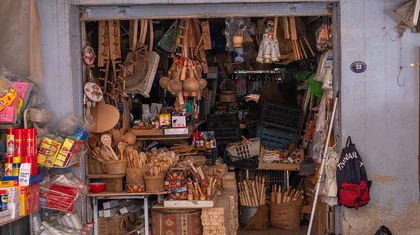

Early spring. The island is half-slow. Fog off the bay. Sun breaks nice and lazy. I walk Santo Antônio de Lisboa before the galleries wake. Church bells. Wet cobbles. Salt in the air. The smell of pastel and milho mingles with sawdust from a nearby marcenaria. Shops with hand-thrown ceramics. Not shiny craft fair kits. Weathered wood. Faded paint. This is the side where generations still repair boats and carve surfboards in the same courtyard where teenagers learn to surf. You get oysters raw and rude — cheap if you haggle, around R$6–R$20 each. The Mercado Público is a bruise of noise: fish scales, frying oil, vendors shouting, cachaça on the counter.
Pastel often R$8–R$15. Buses run cheap; get a cartão de transporte at a kiosk and expect fares roughly R$4–R$6. Angeloni and Giassi are where locals buy basics. The tech park keeps the lights safe at night. That’s the odd balance: startup notices on glass buildings; next door a 100-year-old shop fixing nets with a bone needle. Rain on pavement cleans the smells and makes the colours sing. Go for texture. The carved doors. The chipped tiles. The blunt honesty of workshops where tools sit like relics. Be ready for some places to be closed midweek. Tourist gloss is here, sure. But the real pull is the functional: the worn bench, the bell at noon, the man who keeps the kiln going. That’s the island. Stick to the edges, not the glossy shops in the main drag. Thank me.
Santo Antônio de Lisboa
Neighborhood
Unlimited High-Speed International Travel eSIM
Connect in seconds across 180+ destinations. Instant QR code activation with zero roaming surcharges.

Cobblestones and a small church square. Low, painted houses with peeling pastel paint. Ceramic shops with hands still stained by clay. Bells ring slow. The smell of pastel and fried milho stalls competes with sawdust from a marcenaria down the street. Sun hits the harbour-side verandas late, turning the wooden shutters orange. Expect kids on bikes and old men repairing nets by hand. There are craft stalls aimed at visitors, yes, but also secret benches where potters unload cracked pieces to be fixed. Downside: the main street gets crowded when coaches show up; the prettiest shops can be oddly curated for quick sales. The truth is in the narrow alleys behind the waterfront. There you’ll hear a hammer, a radio with samba, the soft scrape of a rasp on a surfboard. Texture wins: warped planks, ceramic glazes dulled by salt, chipped roof tiles. Locals will warn you about the touristy kiosks; listen. Good for late afternoon wandering, small purchases, and watching the sun bounce off fishing boats.
Ask to see unshelved work — makers often keep better pieces in a back room.
Ribeirão da Ilha & Ostradamus
Village / Oyster Row
Low Azorean houses, red roofs, and heavy salt in the air. Boatyards tucked behind whitewashed facades. The sound here is slow: gull clucks, a distant hammer, the murmur of people hunched over platters. Oysters sold raw, by the dozen or single, cold and briny. Ostradamus is the loud, tourist-facing shack where plates pile up and song plays; it smells of metal trays and lemon. Walk past the main storefronts and you’ll find small farms and family tables where shells pile and kids run on packed earth. Texture again: mossed stone steps, rope handles, rough wooden benches. A downside: some places push fixed menus on visitors; the best stands are simple and require patience. Also, parking and access can be tight on busy days. The village is a slow craft machine — boatbuilders, net menders, people who still use old chisels. For hands-on watchers: many carpenters won't mind a question or two, but don’t expect formal demos. Bring cash. The light late in the day splashes the bay silver; eat standing up, let the salt drip on your sleeve.
Skip the busiest shack lines; ask locals where fishermen sell off-peak.
Mercado Público de Florianópolis
Market
Austere tile floors. Vendors who have been here forever. The market smells like fried dough, fish tanks and old wood. Cash registers click alongside the hiss of hot oil. Listen: vendors calling names, a knife on a wooden block, church bells from the plaza beyond. Pastel stalls, cod fritters, cold beer in cans—this is where locals eat when they mean it. Look for tiny marcenarias selling carved spoons and a few stalls with handmade jewelry. The building's interior is worn—tiles chipped, counters stained—familiar, not pretty. Downsides: touristy times dilute the authenticity; some stands have a 'for-tourist' feel with overpriced kitschy trinkets. Shoulder season calms the crowd but expect a condensed set of vendors. For photos: don't be shy but ask before shooting faces. Pick a corner table and watch the procession of plates. Quick, blunt, intoxicating — a market that prefers feeding people to being polite about it.
Order at the counter, watch who locals sit with — follow them for better food.
Feira da Lagoa (Lagoa craft fair)
Market / Fair
A winding fair that follows the Lagoa edge. Hammocks, ceramics under tarps, and açaí stands that hand over bowls in a minute. The sound is soft—talk, a guitar, the slap of flip-flops. The smell is sweet from grilled fruit and coconut oil. Crafts are varied: macramé, hand-painted boards, small leatherworks. Not everything is home-forged; some stalls are traders who rotate through fairs across Brazil. The vibe is less polished than the waterfront boutiques—more immediate, more local. Downsides: sudden rain will shut down some stalls; tarps and plastic make photography tricky. Expect to haggle gently and to find better work on side streets rather than the main walkway. Good for gifts, casual browsing and late-afternoon cocktails by the water. Bring small notes and coins; many sellers prefer cash despite cards being common at the bigger stalls.
Head past the main aisle to find makers who display their tools and unfinished pieces.
Palácio Cruz e Sousa / Museu Histórico de Santa Catarina
Museum / Historic Building
A pink, neo-Gothic façade that reads like an old postcard. Marble floors, high ceilings, wood banisters worn by decades of hands. The museum feels hushed; you're in a room with records and objects that trace the island's social arc. There's a faint smell of dust and waxed wood. Light filters through tall windows in the afternoon, scattering on ornate frames. The emotional tone is restrained—less spectacle, more careful preservation. Downsides: parts of the building have limited accessibility and the curated rooms can feel dry if you expect bright, interactive displays. But the quiet is its asset; on a rainy spring day the place becomes introspective. For makers and curious types, the museum archives hint at how craft and commerce braided together here: net-making, boat repair, communal kitchens. Look for small labels that point to local trades. A slow, careful visit will reward details: a chipped inkwell, a ledger, a hand-stitched sail sample.
Ask staff about less-visible collections—local guides often point to small, overlooked artifacts.
Museu Victor Meirelles
Museum
Small, serious and seaside-close. Portraits, maritime scenes, and the lacquer scent of old varnish. The building sits with one foot toward the city and another toward the bay—you can hear distant water while reading placards. The tone is sober; the gallery prefers contemplative visitors. Light is often pale; walls keep a gentle hush. Downsides: small galleries mean quick visits and a few rooms can feel dated in presentation. Still, the museum anchors a corner of civic pride and gives context to artists who painted the island’s faces over generations. Great for rainy afternoons when markets feel too noisy. Linger on the benches and watch light move across frames. If you’re into symbology and how makers present place, this is useful; otherwise it’s a brief, cultured stop.
Check temporary exhibits for local craftspeople showing small series work.
Forte de Santa Cruz de Anhatomirim (Anhatomirim Fort)
Heritage Fort / Island
Stone, salt, cannon mouths staring to sea. You arrive by boat into wind and squint at moss on old stairs. The fort is loud in history—footsteps on flagstones, gulls, the slap of waves against the island. Touch the metal rings and feel centuries of weather. The light here is harsh; midday sun will bleach details, so plan for gentler skies if you want texture. Downside: getting over requires a boat and a bit of stamina—the steps are uneven and there’s no modern lift. In shoulder season services thin out and the fort can feel abandoned in the best way. Pack water and expect spray. The real pleasure is tactile: cold iron, rough mortar, the echo when you shout down a passage. If you like ruins with audible sea, this is a prized stop.
Bring non-slip shoes; stone gets slippery with sea spray.
Sambaqui archaeological sites
Archaeological / Coastal Site
Mounds of shell and earth—ancient refuse turned monument. The scent here is of sea and damp sand. Boards and small interpretive signs try to explain centuries of coastal living. In wind, you can hear a high keening of gulls and the shuffle of small creatures in the grass. The sites are quiet; few crowds, more drifting local walkers. Texture is central: compacted shells underfoot, weathered timbers from past digs, and a gritty, almost metallic tang in the air after rain. Downside: signage is sometimes sparse and lighting poor; you need a curious bent to appreciate fragmentary displays. For tactile people, the sites are a reminder that people were working these shores long before postcards. Respect the stakes and keep to paths; erosion is a genuine problem. Bring sensible shoes and leave the loud groups at the car park.
Read a local panel before wandering—context concentrates small finds.
Boatbuilding & Marcenaria clusters (Ribeirão and island yards)
Workshops / Craft Cluster
Sawdust, resin, and the steady thunk of mallets. Small yards where wooden boats and boards are still made with hand tools. The smell is sharp—fresh-cut cedar, varnish, the tang of epoxy in modern shops. Tools hang like worn ornaments; clamps live on benches for years. Walk in and it feels like stepping into a long conversation between wood and hand. Downside: many workshops are production-focused and won't stop work for a demo; some owners are wary of phones and photos. But ask kindly and you might be shown a shaping block, a numbering system, or a half-finished hull. These are the places that keep utilitarian craft alive: net-making, boat repair, surfboard shaping. You will come away with a memory of granular texture—the rasp’s scratch, the yield of timber, a fleck of resin on your palm. Cash is handy for small buys; big commissions come with lead times.
Wear old clothes; the spaces are honest and will stain you.
Casa da Alfândega & Marco Zero waterfront
Historic Quay / Events Space
A plain, sturdy warehouse-turned-public-space by the old pier. Evening lights gloss the stone and make reflections on slick pavements. The building hosts small markets, rotating exhibitions and the sort of civic events that feel grown-up and slightly fussy. You’ll smell frying snacks from nearby kiosks and the damp of harbour stone. Texture: iron rings in the quay, rusted bolts, the slick edge where tide meets pavement. Downsides: when events are off, the space can feel empty and mildly windswept. Also, the commercialized stalls that pop up for festivals can overshadow small local sellers. Still, it’s useful for a quick loop: look at shipping notices etched in brass, read a plaque and move on to the fish stalls. The spot stands as a practical link between trade past and the city’s modern face.
Check local listings for small design markets that pop up at the Alfândega.
Praça XV & Rua Felipe Schmidt (historic downtown strip)
Historic Street / Civic Core
A stretch of old shops, municipal buildings and tired cafés. Church bells punctuate the day. The pavement alternates between modern slabs and old tile with uneven edges. Street vendors sell sweets, small prints and occasionally a carved spoon. The area feels civic and a little tired—useful more than charming. Textures: sun-polished stone, brass door handles rubbed smooth, the occasional rusted balcony. The downside is predictable: shops swap to souvenir mode when tour buses pull up. But the alleyways off the main street hide small bookshops and second-hand tool sellers where the real local smells linger—coffee, old paper, lemon oil on wood. Good for a quick cultural snapshot and for linking other sites like the museum cluster. Best in the murmur of weekday life rather than a weekend performance.
Peel into side streets for honest makers and small repair shops.