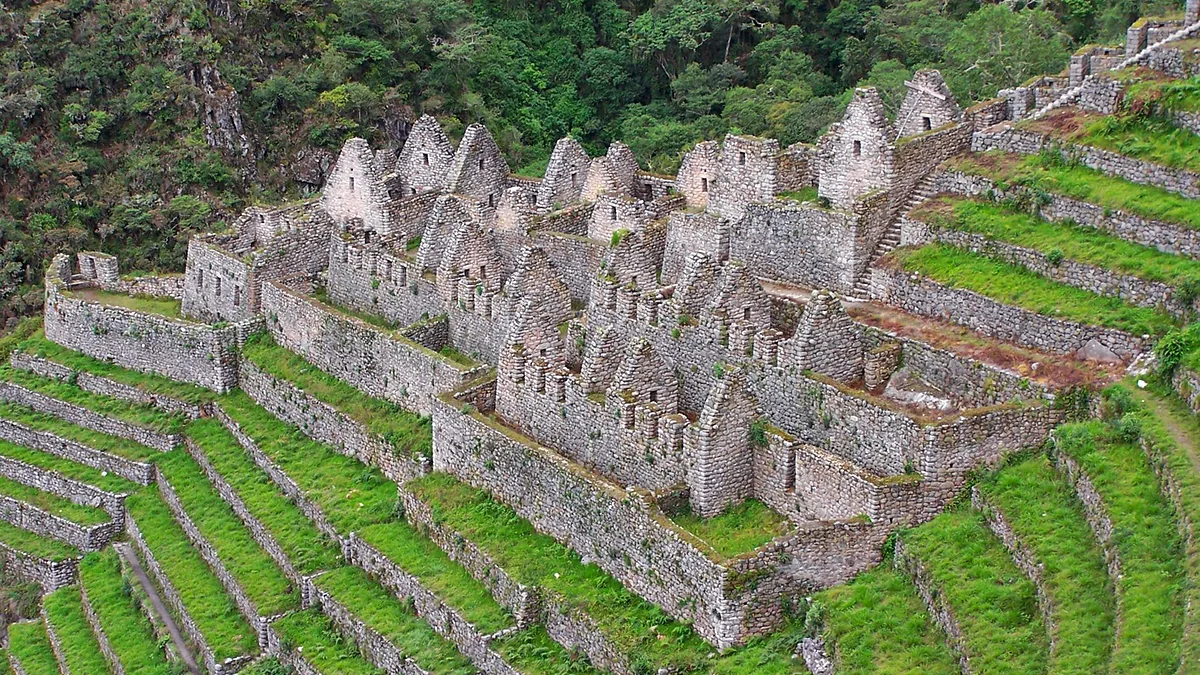

Choquequirao gets somewhere between 5,000 and 10,000 visitors a year. Machu Picchu gets well over a million. That gap is the entire reason to come: you can stand on a 500-year-old stone terrace above the Apurímac canyon, hear nothing except wind and a distant mule bell, and spend less on five days here than on two nights in a mid-range Sacred Valley hotel.
Here is the honest part. "Budget" doesn't mean easy. Reaching Choquequirao takes four or five days of walking, roughly 2,000 meters of knee-wrecking descent, and the same amount of climbing back out. There is no road, no cable car, and no lodge with a spa menu at the end.
What you get instead is the kind of luxury that actually holds up: ruins to yourself at dawn, a cook handing you hot soup at 3,000 meters, mules carrying your bag, and a total bill that a two-star Machu Picchu tour would laugh at. This guide shows you how to build that trip yourself, without an agency markup.
Unlimited High-Speed International Travel eSIM
Connect in seconds across 180+ destinations. Instant QR code activation with zero roaming surcharges.

Choquequirao at a Glance
- Best time to go: May through September for dry trails and cold nights. April and October are emptier and greener, but expect mud.
- Typical daily budget: S/90–160 (~$25–45 USD) per person on a self-arranged, mule-supported trek. Group tours run $400–600 for four days.
- Getting around: Bus and colectivo to Cachora, then your own two feet. Mules carry gear on the steep sections, not people.
- Vibe: Huge views, thin air, almost nobody around, very basic facilities. Bring cash, a headlamp, and patience with mule traffic.
1. Mirador de Capuliyoc: The Viewpoint That Resets Your Expectations
Most treks start with a warm-up. This one starts with a gut punch. Twenty-five minutes by taxi from Cachora, the road ends at Capuliyoc, and the ground simply drops away — a 1,300-meter plunge to the Apurímac River, with the trail you're about to walk scratched across the far slope like a pencil line.
There's a small kiosk here selling coca tea and hard-boiled eggs, plus a ticket checkpoint and a mule corral. Stand still for ten minutes and you'll see the scale of what you've signed up for. Most people take their photo, feel briefly sick, and then start walking down.
- Area: End of the Cachora–Capuliyoc road, Cusco region
- Cost: S/60 (~$16 USD) adult entry to the Choquequirao complex, paid in cash here or in Cachora
- Best time of day: 6:30–9am, before cloud builds in the canyon
- Getting there: Taxi from Cachora's plaza, 25–30 minutes, S/50–70 (~$14–19 USD) per car
Insider tip: Pay your entry fee here, not at the ruins, and keep the paper receipt dry in a plastic bag — a second control near Santa Rosa checks it. Also ignore anyone at the trailhead offering a "faster shortcut" after rain. The main trail is longer and far safer.
2. Playa Rosalina and the Apurímac Crossing
The bottom of the canyon is a different climate: hot, dusty, buzzing with insects, and usually 15°C warmer than where you woke up. A swaying suspension bridge crosses the Apurímac River, and the water below is loud enough to drown out conversation. Torrent ducks bounce through the rapids, and if you're lucky you'll spot them from the bridge.
This is where trekking logistics get charming. Families run tiny stalls selling cold drinks, and someone is always grilling river trout over charcoal. Camp here, swim in the pool below the bridge, and eat a proper dinner before the brutal climb tomorrow.
- Area: Canyon floor, 5–6 hours' walk from Capuliyoc
- Cost: Camping S/10–15 (~$3–4 USD) per person; grilled trout S/18–25 (~$5–7 USD); bottled water S/8 (~$2 USD)
- Best time of day: Arrive by 3pm to claim shade and a flat pitch
- Getting there: On foot only — mules overnight here too
Insider tip: That S/8 bottle of water isn't a rip-off; it came down by mule. Skip it anyway and refill your bottle from the comedores for S/2–3. And bring earplugs — the river is genuinely loud all night.
3. Marampata: The Last Village Before the Ruins
Five hours of switchbacks above the river, Marampata appears as a scatter of tin roofs and stone walls on a green shelf at 2,900 meters. About fifteen families live here, farming potatoes and running tiny hospedajes out of their front rooms. Showers are cold or bucket-style, beds are thin, and the view is absurd.
Late in the afternoon, the ruins of Choquequirao catch the light on the ridge opposite. Nobody tells you this is coming, which is why it hits so hard.
- Area: Marampata village, roughly two hours below the ruins
- Cost: Hospedaje S/30–40 (~$8–11 USD) per person; set dinner S/15–20 (~$4–6 USD)
- Best time of day: Arrive by 4pm for the alpenglow on the ruins
- Getting there: 4–5 hours uphill from Playa Rosalina
Insider tip: The hospedajes closest to the trail entrance fill first and charge the most. Walk five more minutes into the village for cheaper beds and quieter nights. Then climb to the upper terrace around 5:30pm and look east — the ruins glow for about ten minutes and then it's gone.
4. Sleeping at Sunchupata: Dawn Among the Ruins
Sunchupata is a set of grassy terraces about 20 minutes below the archaeological complex, with flat ground, a cold stream, and basic toilets. It's the closest legal camping to Choquequirao, which means you can be up at the gates before anyone arrives from Marampata.
This is the budget-luxury move that matters most. Instead of paying for a lodge, you pay S/10 for a pitch and get something money rarely buys: an entire Inca complex in morning silence.
- Area: Sunchupata terraces, directly below the Choquequirao complex
- Cost: Camping S/10–15 (~$3–4 USD) per person; arriero overnight S/20 (~$5 USD)
- Best time of day: Set up by 4pm; walk to the gate by 6:30am
- Getting there: 20–25 minute uphill walk from the campsite
Insider tip: Don't build your whole morning around a sunrise entry — guards sometimes don't open until 7am. The dependable show is 4–5pm, when the sun rakes low across the terraces and the day groups have already started back to Marampata.
5. Sector Las Llamas: The Twenty-Four White Stone Llamas
On a steep zigzag of terraces in the lower southwest corner of the complex, white quartz stones are set into the walls to form two dozen llama figures. It's the most photographed spot at Choquequirao and, on a quiet afternoon, the most surreal.
The llamas are hard to read in flat midday light. Come later, when the sun is low and sideways, and the animals suddenly jump out of the grey stone.
- Area: Lower southwest sector, 15 minutes down from the main plaza
- Cost: Included in the S/60 (~$16 USD) entry
- Best time of day: 3:30–5pm
- Getting there: Follow the signed path down from the Usnu; the return is a 20-minute climb
Insider tip: Photographers all stop on the first switchback and block each other. Keep descending two more terraces. The angle is better, the figures frame cleaner, and you'll likely have them completely alone.
6. Suntur Wasi and the Upper Plaza: Watch for Condors
The ceremonial heart of Choquequirao sits on the highest terraces: the tall Suntur Wasi structure, a stone Usnu platform, and water channels that still carry water in the wet season. The stonework is rougher and less restored than Machu Picchu's — that's the appeal. Moss grows on everything, and orchids sprout from wall joints.
Andean condors ride the thermals in the Apurímac canyon below. They are not a guaranteed sighting, but mid-morning is your best window, and when one passes it tends to empty the plaza.
- Area: Upper sector of the complex, 10 minutes uphill from the main gate
- Cost: Included in the S/60 (~$16 USD) entry
- Best time of day: 9–11am for condors; 3–5pm for photographs
- Getting there: Walk up from the main gate past the lower terraces
Insider tip: Sit on the western edge of the upper plaza with your back to the mountain. Condors circle on thermals below your feet, not above your head — most visitors scan the sky and miss every one of them.
7. The Vilcabamba Exit: Walk Out to Machu Picchu Instead
If you've already paid the price of admission — the descent, the climb, the altitude — extending to Machu Picchu adds real value. The route continues from Choquequirao through Pinchiunuyoc, over the Yanama pass, down to Colpapampa and Santa Teresa, then along the railway to Aguas Calientes. Seven to nine days total.
The payoff is Cocalmayo hot springs near Santa Teresa, three steaming pools over a river, and the strange satisfaction of walking into Machu Picchu instead of taking a bus.
- Area: Vilcabamba range, La Convención province
- Cost: Adds roughly S/150–300 (~$40–80 USD) for transport, hospedajes, and hot springs entry (S/10–15 / ~$3–4 USD)
- Best time of day: Cocalmayo is emptiest at 7am
- Getting there: Continue on foot from Choquequirao; exit by train from Hidroeléctrica or Santa Teresa
Insider tip: You need a separate Machu Picchu entry ticket (from around S/152 / ~$41 USD) and the popular circuits sell out weeks ahead. Book it before you leave Cusco, not from a hostel in Santa Teresa.
Where to Eat and Drink Nearby
The Trout Stalls at Playa Rosalina
Charcoal grills, plastic chairs, and river trout that was swimming an hour ago. Order it a la plancha with rice and a cold Cusqueña for S/18–25 (~$5–7 USD). This is the best meal on the entire trek and it costs less than a coffee in Miraflores.
Family Kitchens in Marampata
Knock on any door with a hand-painted sign and you'll get a set dinner: quinoa soup, rice, fried egg, sometimes chicken, always coca tea. S/15–20 (~$4–6 USD). Portions are huge because everyone assumes you're starving, which you are.
Plaza Comedores in Cachora
The night before and the afternoon after, eat on the plaza where the buses stop. Menu del día runs S/12–15 (~$3–4 USD) and usually includes soup, a main, and a jug of chicha morada. Order cuy a day ahead if you want it.
One more: if you're provisioning in Cusco, hit Mercado San Pedro for coca leaves, granola, dried fruit, and an S/8 almuerzo. You'll save S/40–60 on trail snacks compared with buying in Cachora.
Practical Logistics and Budget Tips
- Getting to Cachora: Buses run from Cusco's Santiago terminal area to Abancay (4–5 hours, S/30–40 / ~$8–11 USD), then a colectivo or shared taxi to Cachora (45 minutes, S/10–15 / ~$3–4 USD). A few companies run an early direct Cusco–Cachora service around 4–5am.
- Mules and arrieros: Arrange them in Cachora the night before through your hospedaje — the local association sets rates, so there's little to negotiate. Expect S/70–90 (~$19–24 USD) per mule per day plus S/80–100 per arriero. One mule carries about 20–25kg, enough for two people's gear.
- Hire a cook: S/350–500 (~$95–135 USD) for the whole trek, food bought separately. It sounds indulgent and it isn't — three hot meals a day at altitude changes the entire experience.
- Gear rental in Cusco: Sleeping bags S/25 per day, trekking poles S/10, headlamps S/8. The cluster of shops on Calle Plateros and Pasaje Procuradores is the cheapest, and haggling is normal.
- Cash only: There is no reliable ATM past Abancay. Carry small bills — nobody at 1,500 meters can break S/100.
- Knees, not lungs: The descent to the river is the hard part. Poles aren't optional here, whatever your pride says.
What to Skip
Skip the $1,000-plus "luxury lodge" Choquequirao packages — they use the same trail, the same campsites, and the same mules, with a nicer tent. Skip the helicopter day trips entirely. And skip any "2-day Choquequirao tour": you cannot reach the ruins and return in two days, so those trips stop at a viewpoint and call it done.
Also ignore the long-running cable car talk. It has been announced, delayed, and re-announced for years. Plan the walk as if it will never exist, and if it opens, that's a bonus.
Frequently Asked Questions
How much does the Choquequirao trek cost?
A self-arranged, mule-supported four-day trek runs S/500–900 (~$135–245 USD) per person, including entry, transport, mules, food, and a cook. Guided group tours from Cusco start around $400 and climb to $700 for private departures.
Can you do Choquequirao without a guide?
Yes. Independent trekking is legal and common, the trail is well marked, and camping is permitted at designated sites. You do need decent Spanish for arranging mules and food in Cachora and Marampata.
Is Choquequirao harder than the Inca Trail?
It's shorter in total distance but far steeper, with roughly 2,000 meters of descent and re-ascent. Most people find the downhill to the Apurímac harder than the climb, and the altitude at Marampata catches people out.
When is the best time to visit Choquequirao?
May through September brings dry trails and clear canyon views, with cold nights at camp. April and October are quieter and greener but expect mud, and December through March is genuinely risky for landslides.