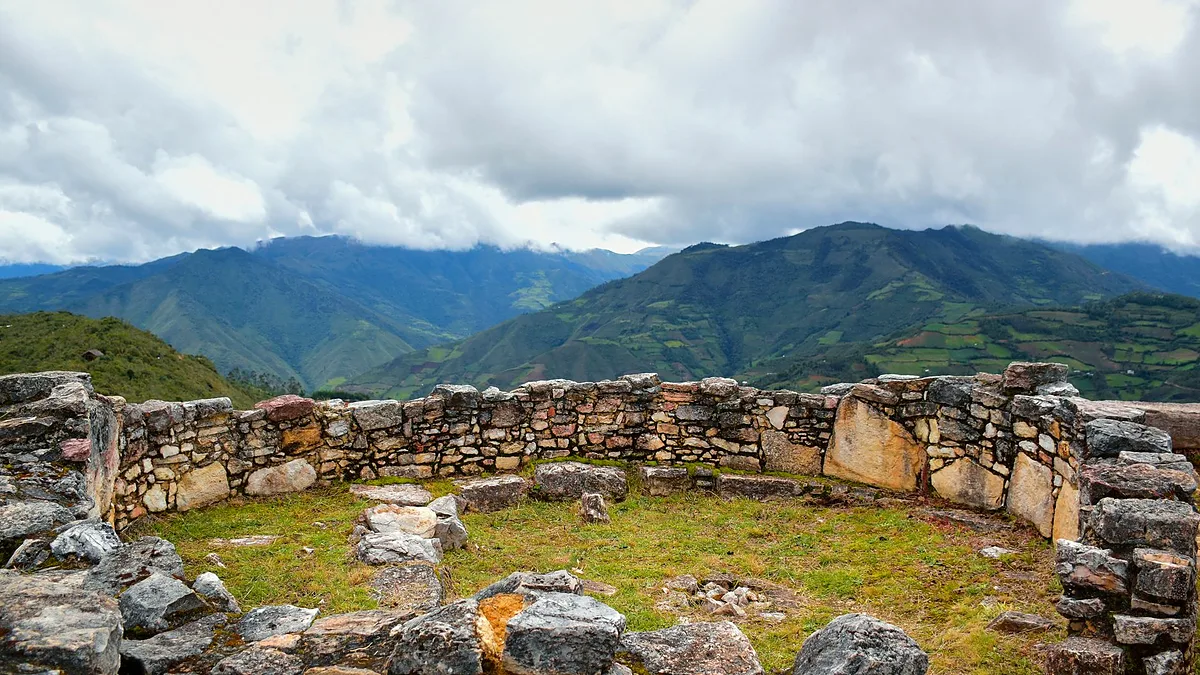

Choquequirao is what Machu Picchu looked like before the buses, the wristbands and the 5,000-person daily cap. It sits at 3,050 meters on a ridge above the Apurímac River, roughly 60 percent still under vine and scrub, and it gets somewhere between 30 and 80 visitors on a normal day. The only way in is on foot, which is exactly why it stays that way.
Here's the part that surprises people: "luxury" at Choquequirao doesn't mean spa robes. It means a mule carrying your pack, a cook handing you hot quinoa soup at 2,900 meters, and a S/45 bed with a window over the Vilcabamba range. Put that package together yourself and you're looking at S/250–350 (~$65–95 USD) a day. A Cusco outfitter charges four times that for the same animals and the same trail.
This guide is the do-it-yourself version, with real prices, honest walking times, and the details the brochures skip.

At-a-Glance Snapshot
- Best time to visit: May and September. Dry trails, quiet ruins, cold but manageable nights. June–August is doable but busier and colder. December–March brings mud, leeches at the river and landslide delays on the Cachora road.
- Typical daily budget: S/180–320 (~$48–85 USD) trekking independently. Add S/200–280 (~$53–74 USD) per day if you want a mule, a muleteer and a cook, which is still a bargain.
- Local transport style: Colectivos and combis to Cachora, then your own legs. Mules handle the weight you don't want to.
- General vibe: Empty terraces at dawn, condors on the thermals, no Wi-Fi, no queue, no selfie sticks. Bring cash, because there are no ATMs past Abancay.
1. Sunrise at the Main Citadel (Plaza Hanán and the Usnu)
The upper plaza is the postcard shot, and you want it before 7 a.m. when mist still sits in the gorge below and the terraces slide out of the dark one row at a time. The stone usnu, a raised ceremonial platform, catches the first light and gives you a 360-degree read on why the Incas picked this ridge: you can see three river valleys and two snow peaks from one spot.
Because so few people make the trek, sunrise here is often you, a guard and a couple of German hikers. Compare that to the Machu Picchu gate queue and you'll understand the appeal.
- Where: Upper citadel, Choquequirao Archaeological Park, Cusco region
- Cost: S/60 (~$16 USD) adult foreign visitor, S/30 for Peruvians and Andean Community citizens. One ticket, one entry.
- Best time of day: 6:15–8:00 a.m. for light and silence
- How to get there: Two hours of uphill walking from Marampata. Leave at 4:45 a.m. with a headlamp.
Insider tip: The control point that checks tickets is about 15 minutes below the ruins, not at the citadel itself. Keep the paper dry in a zip bag, and don't assume you can re-enter later the same day without asking first.
2. The Llama Terraces (Sector de las Llamas)
Two dozen white stone llamas climb a steep terrace wall on the downhill side of the site. They were only cleared and documented in 2004, which tells you how much of Choquequirao is still buried. The figures are built from white granite set into dark fieldstone, and they read as a herd in motion from thirty meters away.
Almost everyone skips this sector. The walk down takes 20 minutes; the walk back up at 3,000 meters takes considerably longer and involves swearing.
- Where: Eastern terraces, below the lower plaza
- Cost: Included in your S/60 entry
- Best time of day: 8:30–10:00 a.m., sun behind you for photos
- How to get there: 20–25 minute descent from Plaza Hurín, then the climb back
Insider tip: Budget a full 45 minutes for the return leg and carry water. People underestimate this detour more than any other part of the site.
3. Mirador de Capuliyoc, the Condor Balcony
This is the free viewpoint at the end of the Cachora road, and it's the moment the whole trek lands. The Apurímac canyon opens below you, the trail zigzags down 1,350 meters of switchbacks, and Andean condors ride the morning updraft along the far wall. On a clear day you can just make out the ridge where the ruins sit.
Most guided groups snap a photo and march on. Stay 40 minutes, drink a coffee, and let the scale settle in.
- Where: Capuliyoc trailhead, end of the Cachora access road, Apurímac region
- Cost: Free (S/0). Colectivo from Cachora plaza costs S/15 (~$4 USD).
- Best time of day: 6:00–9:00 a.m., before the canyon clouds build
- How to get there: 30–40 minute colectivo or a 90-minute walk from Cachora
Insider tip: The small comedor at Capuliyoc sells cold drinks and fried trout. Buy two liters of water here, because the next reliable supply is at the river four hours down.
4. Marampata: Sleep Above the Clouds for S/45
Marampata is a farming hamlet at 2,900 meters, about 90 minutes below the ruins, and it is the single best value on the entire trek. A dozen family hospedajes offer basic rooms, most with a shared cold shower and a glassed-in dining room facing the canyon. Waking up here, with cloud pooling below the window and the ridgeline turning pink, is the closest thing to a luxury lodge experience the mountain offers.
Dinner is whatever the family cooked: soup, rice, fried eggs, sometimes trout from a pond down the hill. You eat at a long table with the other trekkers and nobody looks at a phone.
- Where: Marampata village, Huanipaca district side of the trail
- Cost: S/35–60 (~$9–16 USD) per bed; dinner S/15–25 (~$4–7 USD)
- Best time to arrive: By 3:00 p.m. before the best rooms go
- How to get there: Two hours of steady climbing from Playa Rosalina
Insider tip: Ask to see two rooms before you pay. The ones with wooden floors and a downhill-facing window are noticeably warmer than the concrete annex rooms, which hold the cold all night.
5. Playa Rosalina and the Apurímac Crossing
The bottom of the canyon sits at roughly 1,500 meters and feels like a different country: hot, green, loud with water. A suspension bridge crosses the Apurímac, and a cluster of stalls and campsites has grown up around it. There's a swimming hole, hammocks, and cold beer, and it's the one place on the trek where you can stop pretending to be tough.
It's also the sandfly capital of Peru. Plan accordingly.
- Where: Playa Rosalina, Apurímac river crossing
- Cost: Campsite S/10–15 (~$3–4 USD); lunch S/15–20 (~$4–5 USD); beer S/8–10
- Best time of day: Cross between 10:00 a.m. and 2:00 p.m. before the heat peaks
- How to get there: 3–4 hours of knee-punishing descent from Capuliyoc
Insider tip: The jejenes (sandflies) bite straight through thin socks. Long sleeves and repellent between 4 and 6 p.m. are not optional, and don't sit in the shade closest to the water.
6. Phaqcha: The Water Channels That Still Run
The Phaqcha sector has a working canal system that has moved water across this ridge for over 500 years. You can follow the stone channels from a spring-fed fountain down through the terraces, and the sound of running water is the soundtrack to the whole site. A small waterfall feeds the lower section.
It's a 15-minute walk from the main plaza and it's where the engineering clicks. These weren't decorative ruins; this was a functioning estate until the Spanish arrived.
- Where: Phaqcha sector, north side of the citadel
- Cost: Included in your S/60 entry
- Best time of day: Midday, when the site is warm and the light is harsh everywhere else
- How to get there: Short signed path from the main plaza
Insider tip: The water looks pristine and isn't. Treat or filter anything you drink up here, including what comes out of the top channel.
7. Hire a Muleteer and a Cook in Cachora
This is the actual budget-luxury move, and almost nobody does it. Cusco agencies sell four-day Choquequirao treks for $700–1,400 USD per person. In Cachora, you can walk to the Plaza de Armas the evening before, negotiate directly with an arriero, and have a mule carrying 40 kilos of your gear plus a cook producing three hot meals a day for a fraction of that.
You get the same trail, the same tents and better food, because your cook is cooking for four people instead of fourteen.
- Where: Cachora Plaza de Armas, Abancay province
- Cost: Mule + muleteer S/90–120 (~$24–32 USD) per day; cook S/120–150 (~$32–40 USD) per day plus groceries (S/40–60 per person per day). Split between three or four people, it's cheap.
- Best time to arrange: 5:00–7:00 p.m. the evening before you start
- How to get there: Colectivo from Cusco (5–6 hours, S/50 / ~$13 USD) or bus to Abancay then a combi
Insider tip: Write the price in soles, per day, on paper, and confirm out loud whether the muleteer's own food and the animals' feed are included. That single question prevents 90 percent of trail arguments.
Where to Eat and Drink Nearby
Cachora Plaza de Armas comedores
Three or four family kitchens ring the square, and they all serve a set menu at lunch and dinner: soup, trout or chicken, rice, potatoes, coca tea. S/10–15 (~$3–4 USD). Pick the table with the most muleteers at it; they eat where the food is honest.
Marampata family kitchens
Dinner at your hospedaje runs S/18–25 (~$5–7 USD) and usually includes fresh trout from the ponds below the village. Breakfast of fried eggs, bread and unlimited coca tea is S/10–12. Ask for the house honey if there is any.
Playa Rosalina riverside stalls
The stalls at the crossing serve river trout, fried rice and cold Cusqueña for around S/15–20 (~$4–5 USD). It's the only genuinely cold drink between Capuliyoc and Marampata, and it tastes better than it has any right to.
Practical Logistics and Budget Tips
Getting there without a tour
Buses and colectivos leave Cusco for Abancay throughout the morning, and from Abancay you catch a combi to Cachora (about an hour). Some operators run a direct Cusco–Cachora service for S/50–60. From Cachora, a colectivo to Capuliyoc costs S/15 and leaves when it fills, which is early.
What it actually costs
| Item | Price (PEN) | Approx. USD |
|---|---|---|
| Colectivo Cusco to Cachora | S/50–60 | ~$13–16 |
| Colectivo Cachora to Capuliyoc | S/15 | ~$4 |
| Park entry (foreign adult) | S/60 | ~$16 |
| Mule + muleteer, per day | S/90–120 | ~$24–32 |
| Cook, per day | S/120–150 | ~$32–40 |
| Bed in Marampata | S/35–60 | ~$9–16 |
| Food and water, per day | S/40–60 | ~$11–16 |
| Camping near the ruins | S/10–15 | ~$3–4 |
What to skip, honestly
- The $1,200 Cusco package. You are paying for an office, a website and a T-shirt. The mules and the cooks come from Cachora either way.
- Gate-side guide add-ons. Local guides at the ruins often quote S/150 for an hour and deliver less than the plaque text. Read up beforehand instead, or hire a certified Cusco guide for the whole trek.
- Cheap rental sleeping bags in Cusco. Marampata nights sit around 0–5°C in the dry season. A bag rated for +5 will ruin your sleep, and a rental rated for −5 costs the same.
- Doing it on day one in Peru. Give yourself two to three nights in Cusco first. Cachora is already at 2,850 meters.
One thing to check before you go
The long-promised Choquequirao cable car has been announced, delayed and re-announced for years and still isn't carrying passengers. Confirm locally in Cusco, because if it ever opens, the entrance fee and the whole trekking calculus will change overnight.
Frequently Asked Questions
How much does the Choquequirao trek cost without a tour?
Most independent trekkers spend S/180–320 (~$48–85 USD) per day, covering transport, food, a bed and the S/60 park entry. Add a shared mule, muleteer and cook and you're at roughly S/450–550 (~$120–145 USD) daily, split between a few people.
Is Choquequirao harder than the Machu Picchu trek?
Yes, considerably. You descend 1,500 meters to the Apurímac and climb back up over two brutal days, with far less infrastructure and no trains or lodges. Fitness matters more here, and a mule for your pack is money well spent.
Can you do Choquequirao in three days?
Three days is possible if you're fit, but it means a rushed visit and a very long day three. Four days is the sweet spot, and five lets you actually sit with the ruins at sunrise instead of sprinting through them.
Do you need a guide for Choquequirao?
No. Independent trekking is legal and common, and there's no permit lottery like Machu Picchu. A guide adds real value for the history, but a muleteer and a decent guidebook will get you a long way for much less.