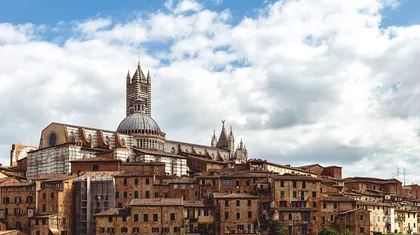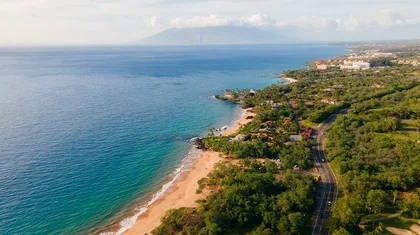

Cartagena has two reputations, and both are true. One is the postcard: bougainvillea spilling over coral-stone balconies, horse carts rattling past a 400-year-old cathedral, and hotels where one night costs more than a week of groceries. The other is the city locals actually live in, where you can eat like a king for eight dollars and sleep two blocks from the Plaza de Bolívar for a third of the postcard price.
This guide is about the second version. It's written for travelers who want the rooftop sunset, the salsa night and the boat to a Caribbean island without putting all of it on a credit card. Every price below reflects what you should realistically expect in 2024–2025, quoted in Colombian pesos with a rough dollar figure.
Here's the single most useful thing to know before you book: the walled city is tiny. You can walk from the Clock Tower to the far edge of Getsemaní in twelve minutes flat. That makes location the biggest budget hack in Cartagena — a cheap room in the right neighborhood beats an expensive upgrade every single time.
Unlimited High-Speed International Travel eSIM
Connect in seconds across 180+ destinations. Instant QR code activation with zero roaming surcharges.

The 30-Second Snapshot
- Best time to visit: December to April — dry, breezy, low humidity. Avoid Christmas, New Year and Semana Santa, when room rates triple.
- Typical daily budget: COP 260,000–420,000 (~$65–105 USD) for a decent mid-range room, three real meals, one paid attraction and a couple of beers.
- Getting around: On foot inside the walls. In-town taxis run COP 10,000–18,000 (~$2.50–4.50). There's no metro; the Transcaribe bus is genuinely useful for Bazurto market.
- Vibe: Caribbean slow-motion until about 10pm, then loud. May through October is sticky and humid, with October the wettest month.
1. Walk the City Walls at Golden Hour (Free)
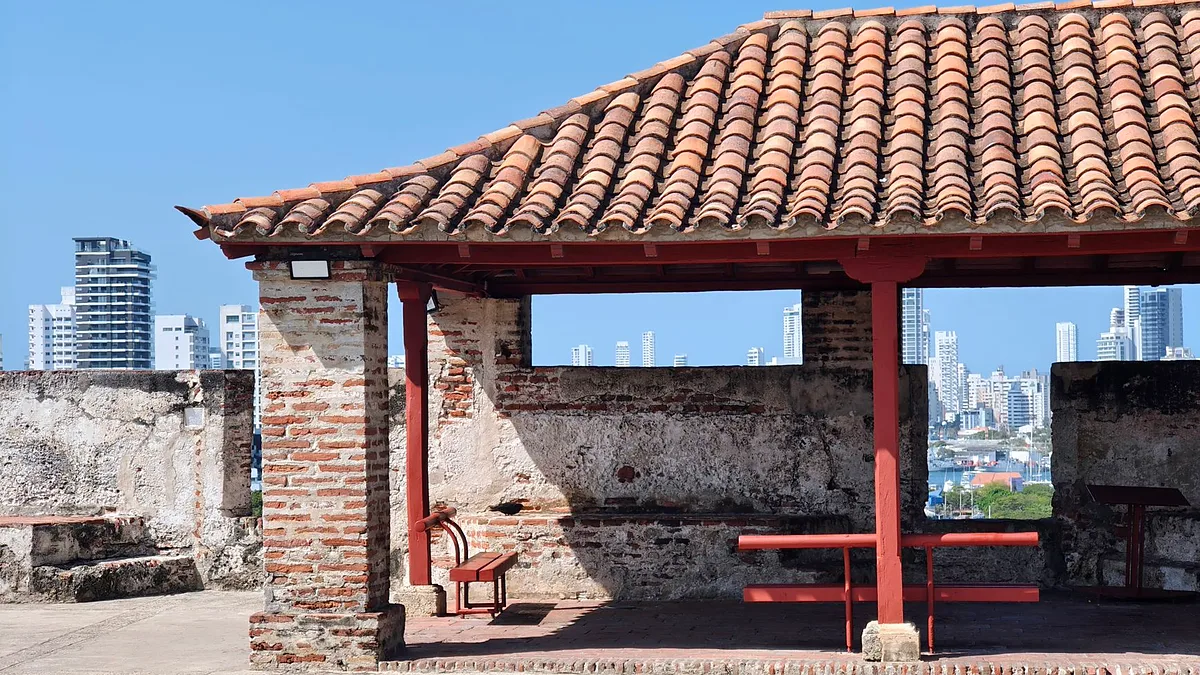
Las Murallas is 11 kilometers of defensive wall that Spain rebuilt after Francis Drake sailed in and took the city in 1586. You can walk almost all of it for nothing. The stretch from the Baluarte de San Francisco Javier up to Las Bóvedas is the most photogenic 20 minutes in Cartagena, especially when the light turns copper around 5:30pm.
Vendors work the wall selling mango biche — green mango sliced with salt and lime — and cold beer out of buckets. Buy something small, find a gap between the cannons, and watch the sun drop behind Bocagrande. This is the view people pay $400 a night for at the hotels below you.
- Neighborhood: Centro Histórico and San Diego, running down to Getsemaní.
- Cost: Free. Mango biche COP 5,000 (~$1.25); beer COP 5,000–8,000 (~$1.25–2).
- Best time: 4:45–6:15pm. Sunset is roughly 6pm year-round, so don't trust your phone's weather app.
- How to get there: Enter near the Puerta del Reloj and head north along the rampart, or climb up at the Baluarte de Santo Domingo.
Insider tip: The stretch directly behind Café del Mar is a scrum of selfie sticks. Walk five minutes north toward Las Bóvedas instead — same sunset, a third of the people, and nobody standing in your shot.
2. Castillo San Felipe de Barajas Before the Heat
The biggest Spanish fort in the Americas sits on a hill above Getsemaní, and its network of tunnels and sloping battlements is genuinely fun to explore. It's also a giant slab of stone with almost no shade, which is why the time you go matters more than anything else.
Arrive at opening and you get two gifts: soft light and temperatures ten degrees cooler than midday. The tunnels are dark and echoey, built so defenders could move unseen between batteries. Bring a phone torch and walk the zigzag route — it makes the whole fort click into place.
- Neighborhood: Pie del Cerro, at the base of Cerro de San Lázaro, a 12-minute walk from Getsemaní.
- Cost: COP 30,000 (~$7.50) adult entry. Audio guide is extra at roughly COP 15,000 — skip it and read the plaques.
- Best time: 8:00–10:00am, right at opening. By noon the stone radiates heat like an oven.
- How to get there: Walk from Getsemaní, or take a taxi from Centro for about COP 8,000 (~$2).
Insider tip: Bring a refillable water bottle. The one vendor inside charges COP 10,000 for a small bottle that costs COP 3,000 at any tienda on the street below.
3. Do the Rosario Islands Without the Package Tour
Every hotel and street vendor in Cartagena sells the same Rosario Islands day trip for COP 250,000 to 400,000. You can do it yourself for a third of that. Head to Muelle de la Bodeguita, buy a round-trip seat on one of the shared speedboats at the counter, and pick your own island.
The water is the point: turquoise, warm, and shallow enough to stand in at Playa Tranquila on Barú. The DIY version does mean fewer frills — no welcome cocktail, no guide herding you between five stops where you don't want to be. It also means you control when you leave.
- Neighborhood: Muelle de la Bodeguita, Avenida Blas de Lezo, a 10-minute taxi from Centro (COP 10,000 / ~$2.50).
- Cost: COP 70,000–90,000 (~$18–23) round-trip boat, plus a COP 20,000–30,000 (~$5–8) island or beach fee. All-in, COP 100,000–130,000 versus COP 250,000+ for a package.
- Best time: Tuesday to Thursday. Arrive at the dock by 7:45am — boats fill and leave between 8:30 and 9:30am.
- How to get there: Taxi from Centro or a 25-minute walk along the waterfront from Bocagrande.
Insider tip: Buy the return leg from the same captain and confirm the departure time twice — boats leave the islands at 3pm sharp and they will not wait. Also note that Playa Blanca on Barú is shoulder-to-shoulder on weekends; go midweek or pick Isla Grande instead.
4. Getsemaní: Murals, Plaza de la Trinidad and Cheap Coffee
Getsemaní used to be the neighborhood outsiders avoided. Now it's where the artists, cooks and musicians actually live, and the street art along Calle de la Sierpe tells that story better than any museum. Wander without a plan for an hour and you'll pass a dozen murals, three tiny galleries and somebody's grandmother selling coconut candy from a window.
The heart of it is Plaza de la Trinidad. After dark, the church steps turn into an open-air dinner table: arepas de huevo, grilled skewers, fruit cups and a Colombia-versus-everyone football argument happening at full volume. Coffee here is excellent and costs a fraction of the hotel rate.
- Neighborhood: Getsemaní, between Calle 25 and Calle 30.
- Cost: Free to walk. Specialty coffee COP 8,000–12,000 (~$2–3); an arepa de huevo COP 6,000 (~$1.50).
- Best time: 4–7pm for murals in soft light, then stay for street food once the plaza fills.
- How to get there: An 8-minute walk from the Puerta del Reloj, crossing the Camellón de los Mártires.
Insider tip: The densest run of murals is the two blocks of Calle de la Sierpe just off Calle 29 — most people walk the wider Calle del Guerrero and miss it entirely.
5. Eat Your Way Through Bazurto Market
Bazurto is the market that feeds Cartagena, and it is not polished, air-conditioned or remotely interested in your comfort. It's loud, wet underfoot, and smells of fish, coriander and diesel. It also serves the best food in the city for under six dollars.
Come hungry and go straight for the food aisles behind the fish counters. Order chócoro de mazorca, a soupy corn and cheese stew, or a shrimp ceviche made while you watch. You'll eat standing up, next to market workers who have been here since 5am, and it will be the best meal of your trip.
- Neighborhood: Bazurto, east of Manga, about 10 minutes by road from Centro.
- Cost: COP 15,000–25,000 (~$4–6) per plate. A guided market tour with a local outfit runs COP 150,000–200,000 (~$38–50) and is worth it if you're nervous.
- Best time: 8–11am on a weekday. Weekends are chaos; afternoons are picked over.
- How to get there: Taxi from Centro for COP 15,000–20,000 (~$4–5), or the Transcaribe bus to the Bazurto station with a COP 3,000 (~$0.75) fare card.
Insider tip: Leave the jewelry and the big camera at the hotel, keep your phone in a front pocket, and ask before photographing anyone. A friendly ¿puedo? gets you a yes nine times out of ten.
6. Museo del Oro Zenú and the Free Vaults of Las Bóvedas
The Gold Museum sits right on Plaza de Bolívar and costs less than a coffee back home. It's small — 45 minutes covers it — but the Zenú goldwork and the air conditioning are both excellent, which makes it the perfect midday escape when the street is unbearable.
Five minutes away, Las Bóvedas are 23 vaults built into the city wall that once held munitions and prisoners. They're now craft shops selling hammocks, mochilas and filigree jewelry. Entry is free, and the stone archways are one of the most photographed corners of the old town.
- Neighborhood: Centro Histórico — both sit between Plaza de Bolívar and Plaza de Santa Catalina.
- Cost: Museo del Oro Zenú COP 8,000 (~$2). Las Bóvedas free.
- Best time: 11am–2pm, when you want shade and cold air.
- How to get there: A five-minute walk apart; no transport needed.
Insider tip: The museum's card machine is unreliable — bring COP 10,000 in cash. And in Las Bóvedas, the fixed prices are inside the shops, so don't bother haggling with the people selling on the rampart outside.
7. Salsa and Champeta Without the Club Markup
You don't have to be good at salsa to have a great night in Cartagena — you just have to be willing to look foolish for 45 minutes. Crazy Salsa in the old town runs drop-in group classes most evenings for around COP 45,000, and instructors pair up with solo travelers so nobody sits out.
Afterwards, walk to Café Havana in Getsemaní, a corner bar with live son and salsa and no sign on the door. It's the real thing: cramped, sweaty, and full of people who came to dance rather than to be seen. For a cheaper night, Donde Fidel by Plaza de la Aduana has no cover charge and beer at tienda prices.
- Neighborhood: Getsemaní and Centro Histórico, both walkable from each other.
- Cost: Class COP 45,000 (~$11). Café Havana cover COP 25,000–40,000 (~$6–10) plus drinks at COP 15,000–25,000 (~$4–6). Donde Fidel has no cover.
- Best time: Thursday to Saturday. Arrive at Café Havana by 9pm; the band starts around 10pm and the queue gets long.
- How to get there: On foot. Both are within 10 minutes of Plaza de la Trinidad.
Insider tip: Café Havana has no visible sign — look for the corner of Calle de la Media Luna and Calle 30. Doormen start turning away flip-flops and beach shorts after 9pm, so wear actual shoes.
Where to Eat & Drink Nearby
La Mulata — Getsemaní
Cheerful, tiled, and packed at lunch with office workers and families. The set menu — soup, fish or chicken, coconut rice, patacón and a drink — runs COP 28,000–35,000 (~$7–9). Come for lunch, not dinner; the value disappears after 4pm.
La Cocina de Pepina — Getsemaní
Home-style Caribbean cooking from Colombia's coast, served in a narrow room with maybe eight tables. Mains run COP 45,000–60,000 (~$11–15). Order the mote de queso or the posta negra and share a patacón. Book ahead for Friday and Saturday.
El Boliche Cebichería — San Diego
A tiny cevichería with an open kitchen and a serious case of confidence, all of it earned. Ceviches sit at COP 40,000–55,000 (~$10–14). Go at 12:30pm for the first sitting, when the fish is freshest and you can walk in without a reservation.
Practical Logistics & Budget Tips
Getting in and around
From Rafael Núñez airport, a licensed taxi to Centro or Getsemaní is a fixed COP 45,000–55,000 (~$11–14) — agree the price before you get in. App-based rides are usually cheaper but can't always pick up inside the terminal, so you may need to walk to the departures level.
Inside the city, walk. The walled city and Getsemaní fit inside a 20-minute radius. For Bocagrande or the bus terminal, use a taxi (COP 10,000–18,000) or the Transcaribe BRT, which costs about COP 3,000 a ride but needs a rechargeable card bought at station kiosks.
Realistic daily costs
| Item | Price (COP) | Approx. USD |
|---|---|---|
| Hostel dorm bed | 45,000–70,000 | $11–18 |
| Boutique double room, Getsemaní | 230,000–350,000 | $58–88 |
| Menu del día lunch | 28,000–35,000 | $7–9 |
| Dinner at a good local restaurant | 60,000–90,000 | $15–23 |
| Beer from a tienda / at a bar | 4,000 / 12,000 | $1 / $3 |
| Taxi across the old town | 10,000–15,000 | $2.50–4 |
Money and what to skip
Use ATMs inside bank branches — Bancolombia and Davivienda are the most reliable — and expect a fee around COP 20,000 (~$5) per withdrawal, so take out larger amounts less often. Cards are widely accepted in restaurants now, but taxis, market stalls and street food are cash only.
Now the honest part. Skip Café del Mar — the sunset is free from the wall ten meters away, and a cocktail there costs COP 35,000 with service that moves at geologic speed. Skip the horse-drawn carriages: you'll pay COP 150,000+ for 30 minutes and the horses work in brutal heat. Skip the chiva party buses and the Bocagrande public beach, which is all jet skis and vendors. Also ignore anyone on the street selling emeralds or "black coral" — it's glass.
One more heads-up: Cartagena is hot and humid almost year-round, and the midday sun between 11am and 3pm is genuinely punishing. Plan two outdoor blocks — early morning and late afternoon — and use the middle of the day for museums, long lunches or a nap. That's not laziness; it's how the city works.
Frequently Asked Questions
Is Cartagena expensive for travelers?
No. A comfortable mid-range day — private room, three meals, one attraction and drinks — lands around COP 260,000–420,000 (~$65–105 USD). The luxury reputation comes from a small cluster of high-end hotels, not from the city's actual price level.
How many days do you need in Cartagena?
Three to four days is the sweet spot: two days inside the walls and Getsemaní, one full day on the islands, and a half day for the fort and Bazurto. Anything less and you'll spend your trip rushing between the same five photo spots as everyone else.
Can you visit the Rosario Islands without booking a tour?
Yes. Go to Muelle de la Bodeguita, buy a round-trip shared speedboat ticket at the counter for COP 70,000–90,000 (~$18–23), and pay the island fee on arrival. It's a third of the package price, though you do give up the guide and included lunch.
Is Cartagena safe for tourists?
Yes, within the walled city, Getsemaní and Bocagrande, using the same street sense you'd use in any big city — no flashing your phone at night, no walking dark side streets alone. The main annoyances are persistent street vendors and overpriced taxis, not violent crime.