
Budapest in winter does two things at once: it strips the tourist gloss off the big sights and pushes everyone indoors into small rooms where people still make things by hand. That second version of the city is the one worth flying for.
Between November and March you can pull your own screen print, learn a folk stitch from someone who has done it for forty years, and then thaw out in a 16th-century Turkish pool. Crowds drop by half, prices calm down, and the workshop leaders actually have time to talk to you.
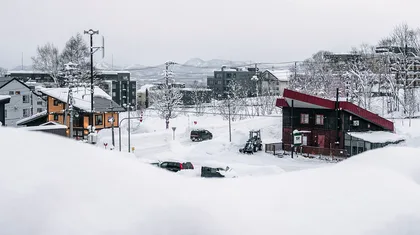
One honest warning: January and February are properly cold — around -3°C to 5°C, grey skies, snow that turns to slush by noon. Build each day around indoor anchors, not long boulevard walks.
Unlimited High-Speed International Travel eSIM
Connect in seconds across 180+ destinations. Instant QR code activation with zero roaming surcharges.

At a Glance
- Best time to visit: mid-November to mid-December (markets running, crowds manageable) or late January (cheapest and quietest)
- Typical daily budget: 25,000–45,000 HUF (~$70–125) per person, covering one workshop, one museum, two meals and transit
- Local transport style: trams and the M1–M4 metro lines; buy a 72-hour pass and walk everything else
- General vibe: unhurried, indoorsy, quietly creative — fewer selfie sticks, more scarves
Hagyományok Háza: Folk Craft That Is Still Taught, Not Just Sold
Corvin tér is a small, elegant square on the Buda side with a view up to the castle, and one corner of it holds the House of Traditions. Run as a national folk heritage institute, it does the thing most cultural centres fail at: real teaching, not display. On a weekday you might find a table of women stitching, a fiddle lesson down the hall, and a workshop leader showing a group how to press a felted pattern.
Winter is when it works best. The building is warm, the groups are small, and the Friday táncház (folk dance house) fills the hall with a live band until late. You do not have to dance — standing at the back with a cup of tea is completely acceptable.
- Neighborhood: District I, Corvin tér 8 (Buda side, two minutes from Clark Ádám tér)
- Cost: exhibition entry free; craft workshops roughly 3,000–6,000 HUF (~$8–17); dance house around 2,000 HUF (~$6)
- Best time of day: weekday mornings for workshops; Friday from 19:00 for the táncház
- Getting there: tram 19 or 41 to Clark Ádám tér, then a 3-minute uphill walk; or bus 16 from Deák Ferenc tér
Insider tip: Email ahead at least a week and ask directly whether the session will be in English — many are Hungarian-only by default, and nobody will think to tell you.
Printa: Pull Your Own Screen Print on Ráday utca
Printa began as a screen-printing studio and grew into one of Budapest's best-known design labels, with a shop on Ráday utca in District IX. The back room still runs printing sessions, and they take absolute beginners.
You draw or pick a design, burn it onto a screen, and pull your own two-colour print onto paper or a tote bag. Expect roughly three hours, small groups, and a souvenir you made yourself — a rare thing in a city selling thousands of identical fridge magnets.
- Neighborhood: District IX (Ferencváros), Ráday utca 22
- Cost: roughly 12,000–18,000 HUF (~$33–50) per person, materials included
- Best time of day: weekday afternoons; Saturday slots go first
- Getting there: M3 or M4 to Kálvin tér, then a 5-minute walk down Ráday utca
Insider tip: Wear something you do not love — the ink is permanent — and bring a stiff flat folder if you want the print to survive the flight home.
Museum of Ethnography: Free Folk Collection, Excellent Craft Programme
The Néprajzi Múzeum moved into its curved green-roofed building in City Park a few years back, and the roof garden alone justifies the trip. It is free to walk on, it looks out over Városliget and the ice rink below, and almost nobody uses it in winter. Inside, the permanent collection of Hungarian and regional folk objects costs nothing either.
What makes it essential for this kind of trip is the weekend programme: craft sessions covering gingerbread decorating, straw work, felt and more. They are built for families, but adults turn up solo constantly and nobody blinks.
- Neighborhood: District XIV (City Park / Városliget), Dózsa György út 35
- Cost: permanent collection free; temporary exhibitions around 2,500–3,500 HUF (~$7–10); workshops usually 2,000–4,000 HUF
- Best time of day: weekday mornings to dodge school groups; check the online calendar for weekend workshops
- Getting there: M1 to Hősök tere, or trolleybus 72/75/79 to Dózsa György út
Insider tip: The roof garden stays open even when the exhibitions close — it is the quietest viewpoint over City Park, and the light at 14:00 in December is superb.
Kiscelli Museum: Applied Craft in a Baroque Monastery
Kiscelli is a former Baroque monastery on a hill above Óbuda, and the walk up through the old streets is half the experience. Inside, the Budapest History Museum's applied-arts and city-history collections sit in bare stone rooms that are beautiful and genuinely cold, so keep your coat on.
In January you may have entire galleries to yourself. The collection leans hard on craft — furniture, metalwork, printing history — and the small 20th-century sculpture display in the monastery church is the highlight.
- Neighborhood: District III (Óbuda), Kiscelli utca 108
- Cost: around 1,800 HUF (~$5)
- Best time of day: weekday afternoons, 13:00–15:00, when light comes through the church windows
- Getting there: H5 HÉV from Batthyány tér to Szentlélek tér, then a steep 15-minute uphill walk
Insider tip: Wear shoes with real grip. The final stretch is cobbled and shaded, so it stays icy for days after snow.
Falk Miksa utca: The Antique Row Where Locals Actually Buy
Five minutes from Parliament, Falk Miksa utca is one street of antique dealers, galleries and restorers. This is where Hungarians buy Zsolnay vases, Herend figures and pre-war furniture — not the airport-style stock on Váci utca.
Winter suits it because everything is indoors: three hours of shop-to-shop browsing without freezing. Prices are real antique prices, so anything decent starts around 40,000 HUF, but browsing is free and dealers enjoy a conversation.
- Neighborhood: District V (Lipótváros), Falk Miksa utca, between Szent István körút and the river
- Cost: free to browse; serious pieces from 40,000 HUF (~$110) upward
- Best time of day: Tuesday to Friday, 11:00–16:00, when owners are in and not rushed
- Getting there: tram 2 or 4/6 to Jászai Mari tér, then a 4-minute walk
Insider tip: Ask before photographing and never open a display case yourself. It is a small trade, and dealers remember who was polite.
Ecseri Piac: The Flea Market That Rewards an Early Start
Ecseri is Budapest's big outdoor flea market out in District XIX, and it is where the good junk lives: enamel signs, folk ceramics, Soviet cameras, tools, lace, the occasional taxidermy fox. On a clear Saturday in winter it is cold enough to make your eyes water and still busy enough to justify the trip.
Half the stalls shut by early afternoon when the temperature drops, and Sunday is close to a ghost town. Go early, bring gloves, and treat it as a treasure hunt rather than a shopping list.
- Neighborhood: District XIX (Kispest), Nagykőrösi út 156
- Cost: free entry; bring 20,000–30,000 HUF (~$55–85) in cash
- Best time of day: Saturday, 7:00–10:00, before the crowd and the cold win
- Getting there: bus 54 or 55 from Boráros tér (M2, tram 2/4/6) to the Nagykőrösi út stop, then a short walk
Insider tip: Vendors quote tourists double. Counter at about half, stay friendly, and be willing to walk away slowly — it usually brings the price down.
Rudas Baths: The Heritage Reset at the End of the Day
Rudas has sat at the foot of Gellért Hill since the 16th century, and the octagonal Turkish pool under the dome is the most atmospheric swim in the city. Steam, shafts of light through small windows, older men playing chess on the marble edge — that is the whole scene, and it has not changed much.
After a morning of workshops it is the perfect reset, and winter makes the contrast better: freezing streets outside, 36–42°C water inside. The modern rooftop hot tub with the Danube view costs extra and is worth doing once.
- Neighborhood: District I, Döbrentei tér 9
- Cost: roughly 7,500 HUF (~$21) weekday, 8,500 HUF (~$24) weekend; rooftop pool supplement separate
- Best time of day: weekday 7:00–9:00, or after 18:00 when the day-trippers have gone
- Getting there: tram 19 or 41 to the Rudas Gyógyfürdő stop, right outside the door
Insider tip: Some days still run single-sex only. Check the schedule on the morning you plan to go, especially if you are visiting as a mixed couple.
Where to Eat and Drink Without Wrecking the Budget
Frici Papa Kifőzdéje (Király utca 55, District VII) is the honest answer to where locals eat cheaply. It is a plain canteen-style room with paper tablecloths, and mains like chicken paprikash or stuffed cabbage run 2,200–3,200 HUF (~$6–9). No bookings, no scene, card and cash both fine.
Kéhli Vendéglő (Mókus utca 3, District III) has fed Óbuda since 1899 and sits ten minutes downhill from Kiscelli. Order the goulash soup and anything with nokedli; mains land at 4,500–7,000 HUF (~$13–20). Warm, wood-panelled and unapologetically old-fashioned.
Bors GasztroBár (Kazinczy utca 10, District VII) does soup plus a baguette for 1,500–2,500 HUF (~$4–7). There is usually a queue out the door, but it moves fast and the daily soups are genuinely good. Arrive around 14:30 to dodge the lunch crush.
Practical Logistics, Passes and What to Skip
Budapest transit is cheap and reliable, and the 72-hour pass (about 5,500 HUF / ~$15) covers metro, trams, buses and the HÉV inside city limits. A single ticket is around 500 HUF and must be validated — inspectors are common and fines run 25,000 HUF.
For the airport, bus 100E runs to Deák Ferenc tér for 2,200 HUF (~$6). A taxi should cost 9,000–12,000 HUF; use the official stand outside arrivals and ignore anyone approaching you inside the terminal.
- Cash: draw 30,000 HUF from a bank ATM, not a standalone Euronet machine with its brutal fees.
- Opening days: nearly every state museum closes Monday. Schedule Kiscelli and the Ethnography Museum from Tuesday onward.
- Booking: reserve workshops 5–7 days out. January sessions fill slowly; December ones do not.
- Tipping: 10% is standard and often already added for tables of six or more.
What to Skip
The Budapest Card rarely pays off if you walk well — do the maths on the three sights you will actually enter before buying. Váci utca souvenir shops sell imported goods at triple Ecseri prices, and the folk show with dinner packages are staged performances rather than craft.
Also skip the Christmas market crowds after 1 January. Most stalls pack up, leaving the squares cold and half-empty for the rest of the season.
Frequently Asked Questions
Are there craft workshops in Budapest in English?
Yes. Printa runs screen-printing sessions with English-speaking staff, and Hagyományok Háza can arrange English instruction if you email ahead. Always confirm the language when you book, because it is not automatic.
Is Ecseri Piac worth visiting in winter?
Yes, but only on a Saturday morning and only if you dress for real cold. Vendor numbers fall sharply after noon and on Sundays, so an early start is the difference between a good haul and an empty field.
What is open in Budapest on a Monday in winter?
Thermal baths such as Rudas, most restaurants, and the antique dealers on Falk Miksa utca all stay open. Almost every state museum, including Kiscelli and the Museum of Ethnography, closes on Mondays.
How much cash should I carry for markets and workshops?
Around 30,000 HUF (~$85) covers a workshop deposit, a flea market find and a couple of coffees. Ecseri vendors and small studios are often cash-first, even though cards are accepted almost everywhere else in Budapest.