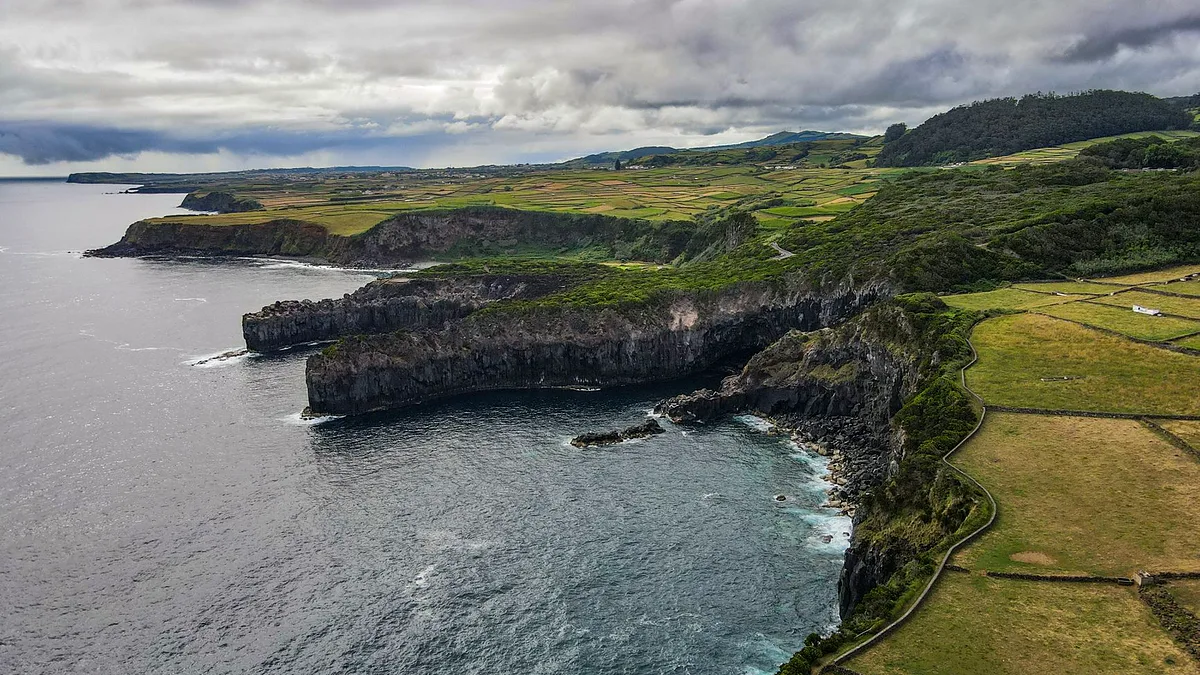

Most Azores trips chase crater lakes and hot springs. That is fine, but the islands’ real texture shows up in places that smell of wet clay, old cedar, and machine oil: family pottery works, tea factories with belt-driven rollers, whaling museums in whitewashed old factories, and fortress towns that have taken a beating from Atlantic weather and kept going. This guide is for travelers who would rather watch a potter pull a handle than stand in a queue for a photo.
The workshops and heritage sites are spread across the archipelago, so pick an island or two. São Miguel has the strongest cluster of craft and tea sites. Terceira delivers UNESCO-listed townscapes and a huge fortress. Pico adds whaling history and vineyard landscapes. Ferries and short flights make island-hopping possible, but do not try to cover all of them in a week.
At a Glance
- Best time to visit: April to June and September to October for fewer crowds, mild weather, and open workshops; July and August are busiest.
- Typical daily budget: €70–€120 / about $75–$130 per person, sharing a rental car and eating local.
- Local transport style: rental car first, local buses second, taxis for short hops; ferries and flights between islands.
- General vibe: slow, weather-beaten, practical, and best when you book workshop visits ahead.
Cerâmica Vieira: Working Pottery in Lagoa, São Miguel
Cerâmica Vieira is a working pottery in Lagoa, not a polished museum. Clay dust settles on the floor, and stacks of plates, tiles, and jugs crowd the shelves. You can watch pieces being shaped and painted, then buy a bowl that feels like it came from a real workshop.
Unlimited High-Speed International Travel eSIM
Connect in seconds across 180+ destinations. Instant QR code activation with zero roaming surcharges.

The style is traditional Azorean: simple forms, blue and yellow brushwork, and practical kitchenware. Do not expect a theme-park tour; the pleasure is in the small scale and the staff who know the kiln schedule.
- Neighborhood: Lagoa, São Miguel, about 15 minutes east of Ponta Delgada.
- Cost: free to browse; short tours around €5 / $5.50; pieces from €10 / $11.
- Best time: weekday morning, before the lunch break.
- How to get there: drive or take a Varela bus toward Lagoa from Ponta Delgada, then walk or take a short taxi.
Insider tip: Call ahead if you want to see the kiln area. Drop-in shoppers are welcome, but the working side of the pottery runs on its own schedule.
Gorreana Tea Factory: Belt-Driven Heritage in Maia
Gorreana is the oldest tea factory still operating in Europe, and it looks the part. The building sits in green tea rows, and inside you can follow the old belt-driven machines that roll, dry, and sort leaves. It is free, self-guided, and far more interesting than a standard plantation visit.
The tea tasting is simple, not fancy. You get a small cup, a view over the fields, and a sense of how a family business has kept 19th-century equipment running. On wet days, the factory smell of hot metal and dried leaves is worth the drive alone.
- Neighborhood: Maia, Ribeira Grande, São Miguel.
- Cost: free entry; tea packs €3–€7 / about $3.30–$7.70.
- Best time: 9–11 a.m., before tour buses arrive.
- How to get there: 30–40 minutes by car from Ponta Delgada; bus to Ribeira Grande then taxi is possible but slow.
Insider tip: Walk the tea rows first, then visit the factory. The tasting room gets crowded at midday, and the fields are quieter.
Museu dos Baleeiros: Whaling History in Lajes do Pico
This museum sits in an old whaling factory in Lajes do Pico, and it does not soften the story. You will see hand-thrown harpoons, open boats, scrimshaw, and photographs of men who rowed out into the Atlantic. It is a heritage site about labor and risk, not a cute maritime exhibit.
The building itself is part of the experience: whitewashed walls, heavy timbers, and the feeling of a place that processed whales until the industry collapsed. Give it an hour, then walk the harbor where the boats once launched.
- Neighborhood: Lajes do Pico, Pico Island.
- Cost: around €3–€4 / $3.30–$4.40.
- Best time: early afternoon, after the lunch rush.
- How to get there: fly to Pico or ferry from Faial; from Madalena, drive or taxi about 30 minutes.
Insider tip: Do not skip the scrimshaw cases upstairs. They are easy to miss and show the small, careful craft that grew around the whaling crews.
Angra do Heroísmo: UNESCO Streets and the Museum of Angra
Angra do Heroísmo is the Azores at its most weathered and urban. Its central streets are UNESCO-listed, with painted churches, old merchant houses, and black-and-white cobbles that shine in the rain. The Museum of Angra do Heroísmo, in a former convent, adds context with religious art, maps, and local history.
This is a place to wander rather than tick off. Walk Rua da Sé and the back lanes near the cathedral, then step into the museum when the weather turns. The town feels lived-in, not preserved under glass.
- Neighborhood: central Angra do Heroísmo, Terceira.
- Cost: museum around €2–€3 / $2.20–$3.30; streets free.
- Best time: weekday morning; many museums close on Mondays.
- How to get there: fly to Terceira, then take a Mocar bus or taxi from the airport to the center.
Insider tip: Check the museum’s lunchtime closure before you plan your day. Angra is compact, so a short walk beats moving the car.
Fortaleza de São João Baptista: A Fortress That Feels Used
The Fortaleza de São João Baptista do Monte Brasil is a huge 16th-century fort above Angra, and it still belongs to the military. That means you get real ramps, thick walls, and wind-bent grass rather than a sanitized ruin. The views back over the town and harbor are some of the best on Terceira.
It is free to walk through much of the site, though some buildings are off-limits. Go late in the day when the light softens and the tour groups thin out. Bring a jacket; the exposed ridge catches the wind.
- Neighborhood: Monte Brasil, above Angra do Heroísmo, Terceira.
- Cost: free.
- Best time: late afternoon, before sunset.
- How to get there: 25-minute walk uphill from Angra center, or a short taxi ride.
Insider tip: Wear shoes with grip. The cobbles and stone ramps are slick after rain, and the wind can make the walk feel longer than it looks.
Centro Regional de Artesanato dos Açores: Buy Less, Buy Better
If you want one reliable stop for Azorean crafts, use the Centro Regional de Artesanato dos Açores in Ponta Delgada. It is a sales point for certified work from different islands: embroidery, wicker, ceramics, wool, and small food products. Think of it as quality control, not a souvenir warehouse.
Prices are higher than airport magnets, but you can see the difference in the stitching and finish. Staff can usually tell you which island a piece comes from, which helps if you want your shopping to support a specific workshop.
- Neighborhood: Ponta Delgada city center, São Miguel.
- Cost: free entry; crafts from €5 / $5.50 upward.
- Best time: weekday opening hours, before the cruise crowds.
- How to get there: walkable from the harbor and central hotels.
Insider tip: Ask for makers from the island you are visiting next. It turns a souvenir stop into a useful map for the rest of your trip.
Pico Vineyard Landscape and Museu do Vinho: Heritage You Can Drink
Pico’s vineyard landscape is a UNESCO site built from black volcanic stone walls that protect grapes from sea wind. The currais are small walled plots, and walking among them feels like crossing a giant, half-ruined grid. The Museu do Vinho in Madalena explains the wine history and the hard work behind it.
The museum is small, so pair it with a tasting at a local winery. Pico wines are distinct: salty, acidic, and often made from old vines. This is heritage you can drink, and it makes more sense when you see the walls up close.
- Neighborhood: Madalena and the surrounding Criação Velha area, Pico.
- Cost: museum around €2–€3 / $2.20–$3.30; tastings €5–€10 / $5.50–$11.
- Best time: late afternoon, then dinner in Madalena.
- How to get there: walk or taxi from the Madalena ferry port; drive for the vineyard roads.
Insider tip: Do not try to walk the whole vineyard area in soft shoes. The stone paths are uneven, and a car lets you reach quieter walls away from the main road.
Where to Eat and Drink Nearby
A Tasca, Ponta Delgada: a busy, honest seafood spot on Rua do Aljube. Order lapas grilled with garlic and butter, then share a fish stew. Expect €20–€30 / $22–$33 per person without wine.
Bar Caloura, Caloura: a south-coast lunch stop with grilled fish, limpets, and ocean views. It is not cheap, but a plate of fresh tuna and a glass of white lands around €25–€35 / $27–$38 per person.
Casa de Chá Gorreana, Maia: simple tea, cakes, and sandwiches at the factory. It is the right low-cost pause after the tea tour: €3–€6 / $3.30–$6.60 per person.
Practical Logistics and Budget Tips
You need a car for most workshop and heritage sites. São Miguel and Terceira have rental desks at the airports; book an automatic early, because manuals are common and automatics sell out. For city days, Ponta Delgada and Angra are walkable. Buses are cheap but sparse, especially on weekends; use them for fixed runs and taxis for short connections. On Pico, a car is nonnegotiable if you want Lajes do Pico and the vineyards in one day.
Inter-island travel works by SATA/Azores Airlines flights or Atlânticoline ferries. The central group—Faial, Pico, São Jorge—is easiest by ferry, but crossings can be rough. Book flights early in summer. Museum entries are usually €2–€5 / $2.20–$5.50; tea factory visits are free; pottery pieces start around €10 / $11. A shared rental car plus modest meals lands around €70–€120 / $75–$130 per person per day.
What to skip: airport souvenir shops selling the same magnets and packaged cookies. They are convenient but not local craft. Skip trying to see every island in a short trip, and skip midday visits to Gorreana in July and August unless you like tour buses. Do not assume every pottery or workshop has drop-in tours; call or email a day ahead.
Honest heads-up: weather changes fast, many small museums close for lunch, and English signage can be thin. Some heritage sites are free but have limited opening hours. Bring a windproof layer and wear shoes with grip for wet cobbles and fortress ramps.
Frequently Asked Questions
Are Azores artisan workshops open year-round?
Some are, but family-run pottery and craft studios often keep shorter hours in winter and close for lunch. Check Google or call ahead, especially on weekends and public holidays.
Do I need a car to visit Azores heritage sites?
For most workshops, tea factories, and rural museums, yes—a car saves hours. In Ponta Delgada and Angra do Heroísmo you can walk between central sites, but buses are too sparse for a full day of stops.
How do I travel between islands for these sites?
Use SATA/Azores Airlines for longer hops and Atlânticoline ferries within the central group. Book both early in summer, and keep a weather buffer for ferry cancellations.
What crafts should I buy in the Azores?
Look for hand-painted ceramics, embroidered linen, wicker, wool blankets, and small-batch liqueurs. Buy from the Centro Regional de Artesanato or directly from workshops so more money stays with makers.