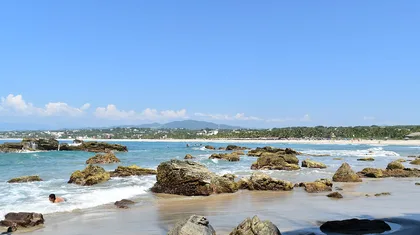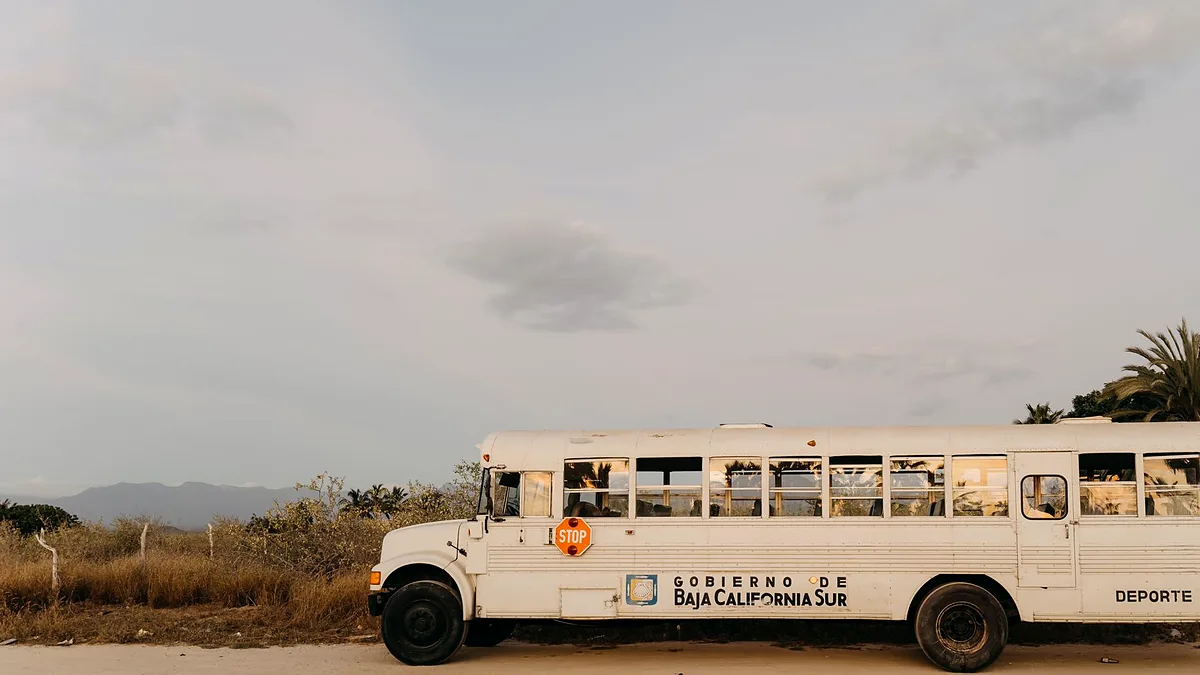

Baja California is 1,500 kilometers of desert pinned between two oceans — the cold Pacific on the west, the warm Sea of Cortez on the east. Jacques Cousteau called that gulf "the world's aquarium," and the nickname stuck for good reason: whale sharks, sea lions, grey whales, and the region's only hard-coral reef all sit within a few hours of each other.
Here's what most people miss. The peninsula's best experiences cost less than a hotel breakfast in Los Cabos. A whale shark swim runs about $90. A wine tasting in Valle de Guadalupe runs $15. A dive on a protected reef runs $100.
This guide is about getting the luxury out of Baja without the resort bill — what to book, what to pay, and what to walk past.
Unlimited High-Speed International Travel eSIM
Connect in seconds across 180+ destinations. Instant QR code activation with zero roaming surcharges.

Baja at a Glance
- Best time to visit: November–April for whales, whale sharks, and clear water; avoid August on the gulf side.
- Typical daily budget: MXN 1,200–2,000 (~$70–115) per person, double that on a big tour day.
- Local transport: Rental car for the peninsula, ABC/Águila buses between towns, Uber and DiDi inside cities.
- Vibe: Dusty roads, fish tacos at 10am, and water you'd pay ten times more to see anywhere else.
Tijuana: Pasaje Rodríguez and the CECUT
Most travelers treat Tijuana as a border crossing and nothing else. That's a waste. Ten minutes from the San Ysidro gate, Pasaje Rodríguez is a covered arcade off Avenida Revolución packed with tiny galleries, a vinyl shop, a mezcal bar, and tattoo studios.
A short Uber away in Zona Río, the CECUT is a curved white complex with an IMAX dome and the Museo de las Californias, a compact walk through peninsula history. Entry is around MXN 60 (~$3.50), with free admission on Sundays.
- Neighborhood: Zona Centro (Pasaje) and Zona Río (CECUT)
- Cost: Free to browse the arcade; MXN 60 / ~$3.50 for the museum
- Best time: Saturday afternoon, when gallery owners are on hand
- Getting there: 12-minute walk from the San Ysidro crossing, or Uber (~MXN 90 / ~$5)
Insider tip: The Pasaje is easy to walk straight past — look for the arched entry on Avenida Revolución between calles Tercera and Cuarta. Skip the pharmacy-tout stretch of Revolución while you're at it.
Valle de Guadalupe Wine Country
Mexico's largest wine region sits on a dusty road 30 minutes northeast of Ensenada, and it looks nothing like Napa. Tasting rooms are repurposed shipping containers, vineyards sit behind wire fences, and the whole place feels like a working farm that happens to pour excellent Nebbiolo.
Tastings run MXN 250–500 (~$14–28), and most wineries waive the fee if you buy a bottle — which usually costs about the same. Vena Cava is built from upside-down boat hulls; Lechuza does wood-fired pizza with a valley view.
- Neighborhood: Francisco Zarco / San Antonio de las Minas, off Highway 3
- Cost: MXN 250–500 / ~$14–28 per tasting; bottles from MXN 350 / ~$20
- Best time: Weekday afternoons; harvest runs August–October
- Getting there: 30 min from Ensenada, 90 min from Tijuana; no rideshare coverage
Insider tip: Hire a driver (MXN 1,500–2,000 / ~$85–115 for the day) rather than DIY-ing it. Rideshare doesn't reach the valley, Highway 3 has sobriety checkpoints, and the roads go pitch black after sunset.
Ensenada's Mercado de Mariscos
The market on Avenida Alvarado is a working fish hall with a row of upstairs stalls that will fry, ceviche, or shuck whatever came off the boats that morning. A shrimp quesadilla costs MXN 80 (~$4.50); a sea urchin tostada runs about MXN 90.
The waterfront is fully walkable. Hussong's Cantina has been pouring since 1892 and still gets loud on weekends, with beers at MXN 60–80 (~$3.50–4.50). Two blocks over, the malecón delivers pelicans, fishing charters, and the cheapest sunset on the peninsula.
- Neighborhood: Zona Centro, around Avenida Alvarado and Calle Primera
- Cost: MXN 80–200 / ~$4.50–12 for a full meal
- Best time: 9am–noon, when the market is loudest and freshest
- Getting there: 10-min walk from the cruise pier; ABC bus from Tijuana is 2 hrs (MXN 220 / ~$13)
Insider tip: Don't burn a half-day on La Bufadora — it's 45 minutes each way to a blowhole ringed by souvenir stalls. Put that time into the market and one winery instead.
La Paz: Whale Sharks and Isla Espíritu Santo
From October to February, whale sharks cruise the bay right off the malecón — the largest fish in the sea, filter-feeding in water you could nearly stand up in. Licensed operators run three- to four-hour snorkel trips for MXN 1,400–1,800 (~$80–105), gear included.
The other big day is Isla Espíritu Santo, a UNESCO biosphere reserve an hour offshore. Boats leave around 9am, stop at Los Islotes to swim with a sea lion colony, then anchor at Playa Ensenada for lunch. Budget MXN 1,700–2,200 (~$95–125).
- Neighborhood: Marina La Paz and the malecón, Zona Central
- Cost: MXN 1,400–2,200 / ~$80–125 per tour
- Best time: November–April; whale sharks peak December–February
- Getting there: Operator offices line the malecón; fly into LAP or drive Highway 1
Insider tip: Book at the operator's own counter, not through your hotel — concierges add 30–50%. Confirm the boat carries a whale shark permit bracelet, or you'll be watching from the dock.
Playa Balandra
Balandra is two shallow, glassy bays about 25 minutes north of La Paz, and the water looks retouched even in person. It's a protected area with a daily visitor cap of roughly 1,200 people, so crowds are managed but not eliminated.
Entry is free; you pay only for parking, around MXN 50–100 (~$3–6). There are a few palapas and almost no vendors, so pack water and food. Kayak rentals run about MXN 300 an hour (~$17).
- Neighborhood: Balandra, off Highway 11 toward Playa Tecolote
- Cost: Free entry; MXN 50–100 / ~$3–6 parking
- Best time: Weekdays by 9am; low tide is better for wading
- Getting there: 25 min by car; round-trip taxi from La Paz is MXN 250–350 / ~$15–20
Insider tip: Walk five minutes over the sandbar to Balandra II — same water, a third of the people. Never attempt it during Semana Santa; the cap fills before 7am.
Cabo Pulmo's Coral Reef
Cabo Pulmo is a village of roughly 200 people with dirt streets and no ATM, and just offshore sits the only hard-coral reef in the Gulf of California. Locals pushed for protection in 1995 after the reef was fished nearly empty, and fish numbers have since rebounded by several hundred percent.
A two-tank dive costs MXN 1,600–2,000 (~$90–115) and regularly delivers bull sharks, jacks, and clouds of reef fish. Non-divers can snorkel the same water for MXN 800–1,000 (~$45–57).
- Neighborhood: Cabo Pulmo village, Parque Nacional Cabo Pulmo
- Cost: Dives MXN 1,600–2,000 / ~$90–115; park wristband around MXN 100
- Best time: November–May for visibility; skip August, which is hot and murky
- Getting there: 2 hrs from San José del Cabo via La Ribera; the last stretch is unpaved
Insider tip: Bring cash for everything — the nearest ATM is 40 minutes away and card machines fail often. Book your dive the day you arrive, before the Los Cabos day-trippers fill the boats.
Grey Whales at Laguna Ojo de Liebre
Every winter, grey whales travel 10,000 kilometers from the Bering Sea to three Baja lagoons to calve. Laguna Ojo de Liebre near Guerrero Negro is the easiest to reach, and the whales here are unusually curious — they swim up to the pangas and let people touch them.
Trips run about two hours with a local cooperative and cost MXN 1,200–1,600 (~$70–90) per person. The season runs January through mid-April, peaking in February and March.
- Neighborhood: Laguna Ojo de Liebre, 20 min south of Guerrero Negro town
- Cost: MXN 1,200–1,600 / ~$70–90 including boat and guide
- Best time: February–March; mornings have the calmest water
- Getting there: Highway 1; break the drive at San Quintín or fly to Loreto and drive
Insider tip: Book with the lagoon cooperative directly, not a reseller in town. Bring a windproof layer — you will get splashed, and the lagoon is cold.
Where to Eat and Drink Without Blowing the Budget
La Guerrerense — Ensenada
Sabina Bandera's street cart at Avenida Alvarado and Calle Primera has drawn lines for decades. Order the sea urchin tostada for about MXN 90 (~$5), or the clam version for MXN 60.
Arrive before noon to beat the cruise-ship crowd. It's cash only and usually shuts by early evening.
Tacos El Franc — Tijuana
The adobada trompo spins all day at this Tijuana institution, and a taco costs MXN 35–45 (~$2) with grilled onions and a charred chile on the side. The Avenida Revolución branch stays open past midnight.
Bismarkcito — La Paz
A malecón seafood hall where locals order callo de hacha (pen-shell scallop) tostadas for around MXN 320 (~$18) and split them. The 1pm–3pm rush tells you everything.
Practical Logistics and Money-Saving Tips
Getting In
Fly into Tijuana (TIJ), La Paz (LAP), or Los Cabos (SJD). From San Diego, the CBX pedestrian bridge drops you inside the TIJ terminal for about $25 one-way, which often beats flying.
Getting Around
Rent a car for the peninsula — roughly MXN 700–1,100 (~$40–63) daily before mandatory Mexican liability insurance, which adds MXN 300–400 (~$17–23) a day. The cheap online rate almost never includes it.
Buses are excellent value. ABC and Águila run Highway 1, with Tijuana to Ensenada around MXN 220 (~$13) and La Paz to Cabo around MXN 400 (~$23).
What to Skip
- Avenida Revolución's main drag in Tijuana — pharmacies and shot bars, not much else.
- La Bufadora — a half-day gone for a blowhole with a souvenir market attached.
- Puerto Nuevo lobster — MXN 600+ (~$35) for a plate that's half rice.
- Hotel-concierge tours — 30–50% over the operator's own counter price.
- August on the gulf side — hot, sticky, and storm-prone.
Cash and Common Sense
Carry pesos. Markets, cooperatives, and small towns run on cash, and ATMs outside cities are unreliable. Use bank ATMs inside branches, decline the offered conversion rate, and tip 10–15% at restaurants.
Baja is fine for travelers who stick to main roads and avoid night driving, but the empty stretch of Highway 1 is genuinely remote. Fuel up at every PEMEX and keep water in the car.
Frequently Asked Questions
Is Baja California safe for tourists?
Yes, for travelers staying in tourist corridors and driving in daylight. The real risks are highway remoteness and petty theft in crowded areas, not violence aimed at visitors.
How much does a week in Baja California cost?
Budget travelers get by on roughly MXN 1,200 (~$70) a day; adding a whale shark or dive tour pushes it to MXN 2,000–2,500 (~$115–145). A comfortable week with a rental car and two tours lands near $800–1,000 per person.
When is the best time to swim with whale sharks in La Paz?
December through February is the peak, with the season generally running October to April. Morning departures get calmer water and fewer boats crowding the sharks.
Do I need a car in Baja California?
For the full road trip, yes — buses reach the towns but not the lagoons, wineries, or reefs. If you're only doing Tijuana, Ensenada, and La Paz, fly between them and use rideshare locally.