
If you want pyramids, a museum the size of an airport, and a city that never lowers its voice, Cairo wins and it isn't close. But if what you actually want from a winter break is 20°C afternoons, walkable lanes, a good riad and a bill that doesn't make you wince, Taroudant does a convincing Cairo impression at roughly half the daily cost.
What you gain is silence, 7.5 km of pink mud-brick ramparts you can walk in an afternoon, souks where nobody calls you "my friend" twice, and air you can actually breathe. What you sacrifice is scale: no Nile, no Giza plateau, no 22-million-person momentum, and very little nightlife. Taroudant is a market town of about 80,000 people, not a capital, and by day three you'll have seen most of it.
The Quick Verdict: Side-by-Side Scorecard
| Feature | Cairo | Taroudant |
|---|---|---|
| Average Daily Cost (stay + meals) | $85–130 (~EGP 4,000–6,200) for a mid-range hotel, three meals and transport | $60–85 (~MAD 600–850) for a riad with breakfast, three meals and taxis |
| Atmosphere & Aesthetic | Dense, vertical, 1,000 years of Islamic architecture stacked on itself; dust haze and constant horns | Horizontal, ochre-washed, low-rise; almond blossom, argan groves and snow on the High Atlas behind it |
| Crowd Density & Seasonality | Peak October–April; Khan el-Khalili and the Pyramids are shoulder-to-shoulder by 10am | Almost no foreign visitors year-round; busiest during February almond blossom and the weekly souk |
| Flight & Transit Accessibility | Direct long-haul hub; metro, tram and Uber across the city | No airport; fly Agadir (60 km / 1 hr) or Marrakech (3.5 hrs), then drive. A car is essential for day trips |
| Best For | First-timers, history obsessives, photographers who want chaos, anyone needing a real food and bar scene | Couples, slow travellers, writers, budget-conscious road-trippers heading for the Anti-Atlas |
Scenery & Atmosphere: How Similar Are They Really?
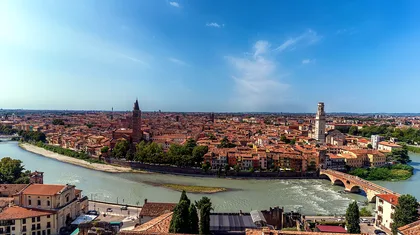
The honest answer is: they share a colour palette and almost nothing else. Both are built from warm earth — Cairo's sandstone and grime, Taroudant's rose-coloured pisé walls — and both reward you for wandering without a plan. But Cairo is a vertical city you experience in fragments: a Mamluk minaret above a mobile-phone shop on Al-Muizz Street, a Coptic chapel in Old Cairo, the Nile sliding past at dusk.
Unlimited High-Speed International Travel eSIM
Connect in seconds across 180+ destinations. Instant QR code activation with zero roaming surcharges.

Taroudant is flat and legible. Founded in the 11th century and ringed by Almohad-era walls with 11 bastions, it earned the nickname "Little Marrakech" decades ago, back when Marrakech was still a working market city. Walk from Bab El Kasbah to Place Assarag in 15 minutes and you've crossed the whole historic core.
What Cairo gives you is awe. The Giza plateau, now paired with the fully open Grand Egyptian Museum, is a genuinely world-class morning. What Taroudant gives you is texture — a man unloading figs from a donkey cart at 8am, the smell of orange blossom in February, the call to prayer bouncing off the ramparts from four directions at once.
If you need one big monument to justify a flight, book Cairo. If you need to sit still in the sun with a mint tea and hear birds, book Taroudant.
The Wallet Test: Real Cost Breakdown
Here's where the swap gets interesting, and where the conventional wisdom is slightly wrong. Cairo's floor is lower than Taroudant's — Egyptian street food and the metro are astonishingly cheap. But Cairo's mid-range is where budgets blow up, because decent hotels near the centre cost real money.
| Line Item | Cairo | Taroudant |
|---|---|---|
| Double room, mid-range, per night | $55–95 (~EGP 2,600–4,600) | $40–70 (~MAD 400–700), breakfast included |
| Street lunch (koshari / tagine) | $2–3 (~EGP 80–140) | $5–7 (~MAD 50–70) |
| Sit-down dinner for two | $14–22 (~EGP 650–1,050) | $18–26 (~MAD 180–260) |
| Coffee / mint tea | $1.50 (~EGP 70) | $1.10 (~MAD 11) |
| Beer or glass of wine | $4–6 (~EGP 190–290), widely available | $5–8 (~MAD 50–80), only in licensed riads and a few hotels |
| Major sight entry | $24 (~EGP 1,200) for the Grand Egyptian Museum | $2–4 (~MAD 20–40) for the tannery, gardens or a rampart walk |
| Local transport | Metro $0.25; cross-town Uber $4–6 | Petit taxi in town $1–2; hire car $35/day (~MAD 350) |
A realistic Taroudant day lands around $70–85 all-in, including a rental car split between two people. The equivalent Cairo day — Zamalek or Downtown hotel, museum tickets, Ubers, a proper dinner — runs $100–130. Multiply by a week and the swap saves you roughly $250.
Two caveats worth flagging. First, alcohol: Taroudant is a conservative town and only a handful of riads and hotels hold licences, so email ahead if a glass of wine at dinner matters to you. Second, Taroudant's cheapness comes with fewer services — no ATMs inside the walls that reliably work, so bring cash from Agadir.
Crowds, Authenticity, and Tourist Footprint
Cairo's headline sights are congested and aggressively commercial. The Pyramids come with a gauntlet of camel handlers and ticket-upsellers; Khan el-Khalili's main lanes are a performance. Step three streets back into Islamic Cairo, though, and you'll find real neighbourhood life — bread ovens, barbers, kids playing football under a 600-year-old sabil. Cairo rewards people who walk away from the itinerary.
Taroudant has the opposite problem: near-zero foreign tourism, which means near-zero tourism infrastructure. You will likely be the only non-Moroccan in the café on Place Assarag. Menus are in French and Arabic, English is patchy, and some places shut without warning between 12:30pm and 3pm, then again after dark.
That's the trade. In Cairo you're a customer in a well-oiled machine. In Taroudant you're a guest in a working town, and you'll need to be comfortable with a bit of guesswork.
How to Experience the Best of Taroudant
Where to stay
Stay inside the walls, ideally within a five-minute walk of Place Assarag or Bab El Kasbah. The riad cluster there — Palais Oumensour, Riad Taroudant and Dar Zahia are three reliable names — puts you near the souks and the best stretch of ramparts. Rooms run $45–75 with breakfast; book direct and ask about winter heating, because these thick-walled buildings get genuinely cold at night.
What to do instead of monuments
- Walk the ramparts at golden hour. Start at Bab El Kasbah and follow the wall south; the High Atlas turns pink behind the palm groves.
- Hit the weekly souk. The market outside the walls is the real event — livestock, argan oil, saffron from Taliouine, and pottery from the surrounding villages.
- Day-trip to Tiout oasis. About 30 km south, with a palmery, a hilltop kasbah and a donkey ride for around $8 (~MAD 80).
- Drive to Taliouine. Two hours into the mountains for Morocco's saffron cooperatives, best visited late October to November.
- Book a hammam. Local hammams cost $8–15 (~MAD 80–150); the riads offer plusher versions for $25–35.
What to order
Breakfast is bissara — a thick fava bean soup with olive oil and cumin — or msemen flatbread with amlou, the argan-almond-honey spread that beats any Nutella. Lunch is a tagine of the day, usually chicken with preserved lemon and olives; Friday means couscous, and you should plan around it. Fresh orange juice is $1 and grilled sardines from the coast arrive most mornings.
Who Should Still Choose Cairo?
Plenty of people, and you should be honest with yourself about which camp you're in. If it's your first trip to North Africa or the Middle East, Cairo delivers more in five days than most cities manage in two weeks. If you want the Egyptian Museum, Coptic Cairo, a Nile dinner, and a rooftop bar with a view, Taroudant cannot substitute for any of it.
Choose Cairo if you're flying long-haul and want direct connections, if you need a city with genuine nightlife and reliable alcohol, if you're travelling with kids who want the Pyramids, or if you're a photographer chasing density and chaos. Taroudant is a poor fit for anyone who needs a checklist of sights to feel a trip was worthwhile.
Choose Taroudant if you've already done Cairo, if you want to combine a quiet base with a road trip through the Souss Valley and Anti-Atlas, or if your idea of a winter escape involves reading on a rooftop and spending $70 a day without thinking about it.
Frequently Asked Questions
Is Taroudant actually cheaper than Cairo?
On accommodation and tours, clearly yes — a good riad runs $40–70 a night versus $55–95 for a comparable Cairo hotel. On food and transport, Cairo's street level is cheaper. Overall a week in Taroudant saves roughly $250–350 for a couple, mainly on lodging and sightseeing.
Is Taroudant worth visiting in winter?
Yes, and it's arguably the best season. Days sit around 19–22°C with clear skies, and the almond trees bloom in February. Nights drop to 6–9°C, though, so confirm your riad has heating and pack a warm layer.
How do I get to Taroudant?
Fly into Agadir Al Massira (AGA), 60 km away, then take a grand taxi for roughly $30–40 (~MAD 300–400) or pick up a rental car at the airport. Marrakech Menara (RAK) is a 3.5-hour drive via the A7 motorway. Taroudant has no airport and no train station.
Can I visit Taroudant as a day trip from Agadir?
You can — it's about an hour each way and buses run regularly — but a day trip misses the point. The town's appeal is early mornings and empty evening lanes, which you only get by sleeping inside the walls.