
The Quick Verdict
Seoul is not Rio, and it never pretends to be. There is no beach, no Carnival, no Sugarloaf Mountain, and the weather swings between a humid monsoon and a genuinely freezing winter. But as a stand-in for the parts of Rio that eat your budget — long nights out, live music, street food, dramatic architecture, cheap drinks — Seoul is a stronger swap than most travelers expect.
What you give up is obvious: the Atlantic Ocean, samba, the caipirinha at a Copacabana kiosk, and that specific feeling of a mountain city that ends in sand. What you gain is a 3 a.m. city where the subway still runs, food is available at every hour, palaces cost about $2 to enter, and you can walk home without checking over your shoulder. Seoul is the better dupe for Rio's energy and its everyday price floor. Rio still wins the landscape contest by a wide margin.
Side-by-Side Comparison Scorecard
| Feature | Rio de Janeiro | Seoul |
|---|---|---|
| Average Daily Cost (Stay + Meals) | $75–120 for a budget-to-mid trip; hotels spike 2–3x during Carnival and New Year | $95–140 for the same comfort level; rooms cost more, food and transit cost much less |
| Atmosphere & Aesthetic | Granite peaks, Atlantic beaches, Niemeyer's modernist curves, colonial leftovers, samba spilling out of bars | Painted palace eaves framed by glass towers, hanok rooftops, neon alleys, riverside parks, karaoke at 4 a.m. |
| Crowd Density & Seasonality | Peak December–March (Carnival, New Year, summer holidays). Best months: April–May and September–November | Peak early April (cherry blossom) and October (autumn leaves). Avoid late July–August monsoon and January cold |
| Flight & Transit Accessibility | GIG (international) and SDU (domestic, with a spectacular landing over Guanabara Bay). Metro Lines 1, 2 and 4 plus the VLT tram; ride-hailing is cheap | ICN and GMP. Airport Express to Seoul Station in 43 minutes (about ₩11,000 / ~$8). Nine subway lines, buses every few minutes, safe to use alone at night |
| Best For | Beach-centered days, big landscapes, live Brazilian music, Carnival, hiking with ocean views | Food-first travel, all-night nightlife, palaces and history, hiking, efficient city-hopping on a fixed budget |
Scenery & Atmosphere: How Similar Are They Really?
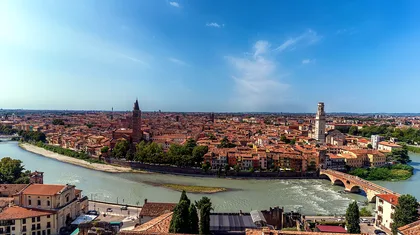
Rio's beauty is geological. The city is squeezed between the Atlantic and a wall of granite — Dois Irmãos, Pedra da Gávea, the Tijuca Forest sitting inside the city limits — and almost every viewpoint is a postcard. The architecture serves the landscape: Niemeyer's flying saucer of a museum across the bay in Niterói, the cone-shaped Metropolitan Cathedral downtown, and Burle Marx's black-and-white wave mosaic running the length of Copacabana.
Unlimited High-Speed International Travel eSIM
Connect in seconds across 180+ destinations. Instant QR code activation with zero roaming surcharges.

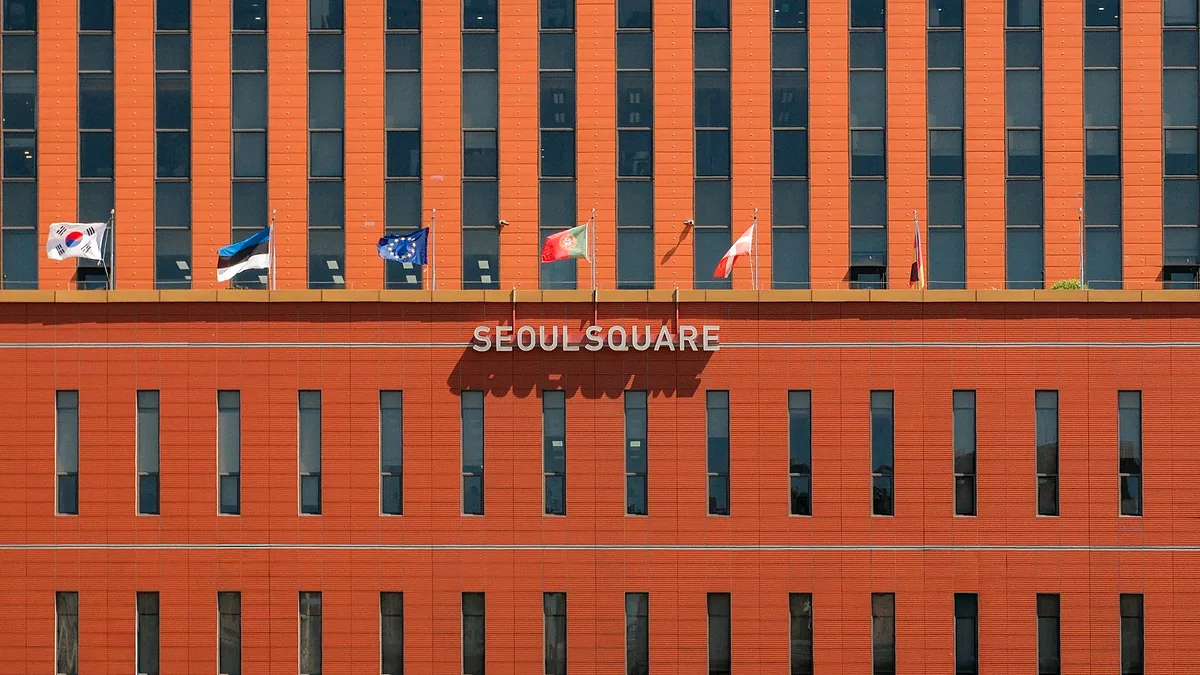
Seoul's beauty is built, stacked, and historical. Gyeongbokgung's painted eaves sit a few hundred metres from Gwanghwamun's glass office towers, and Bukchon's tiled hanok roofs look straight down at the traffic. Wander Seongsu-dong and you get 1960s shoe factories turned into concrete-and-steel cafés; walk the Naksan fortress wall and you get 600-year-old stone with the city skyline behind it.
The street life works differently too. Rio lives outside — kiosks, footvolley, beach vendors, bar tables on the pavement from 10 a.m. Seoul lives inside: cafés, barbecue joints, PC rooms, singing rooms. The city only spills outdoors at Cheonggyecheon stream and the Han River parks, where families, couples and office workers with convenience-store beer take over the grass at sunset.
Here is the honest verdict: if you travel primarily for natural scenery and the feeling of a landscape, nothing in Seoul comes close to Rio. If you travel for cities that wear their history in the street plan, Seoul is richer and far easier to explore on foot and by train.
The Wallet Test: Real Cost Breakdown
This is where the comparison gets uncomfortable, because Seoul is not the budget paradise people assume. Hotel rooms in Seoul now cost more than Rio's outside of peak season. The savings come from everything else — meals, drinks, transport, and attractions.
| Typical Cost | Rio de Janeiro | Seoul |
|---|---|---|
| Hostel dorm bed | R$90–130 (~$16–24) | ₩28,000–40,000 (~$21–30) |
| Mid-range double room | R$380–550 (~$70–100) in Botafogo or Flamengo; R$700+ (~$130+) in Ipanema | ₩100,000–160,000 (~$75–120) in Myeongdong or Jongno |
| Cheap sit-down meal | R$45–60 (~$9–11) at a kilo buffet or prato do dia | ₩7,000–10,000 (~$5–8) at a market stall or neighborhood diner |
| Beer or cocktail | Caipirinha R$22–32 (~$4–6); draft beer R$12–18 | Draft beer ₩4,000–6,000 (~$3–4.50); soju bottle ₩5,000 in a restaurant, ₩1,800 at a convenience store |
| Public transport ride | Metro R$5.30 (~$1); Uber from Ipanema to Lapa about R$35 (~$7) | Metro base fare ₩1,400 (~$1.05), transfers included within the time window |
| Big-ticket attraction | Sugarloaf cable car ~R$135 (~$27); Corcovado train ~R$110 (~$22) | Gyeongbokgung ₩3,000 (~$2.20), free if you wear a rented hanbok; Changdeokgung plus Secret Garden tour ₩8,000 (~$6) |
Rough daily totals: about $75–120 in Rio and $95–140 in Seoul for a similar comfort level. Seoul charges you more for the bed and then quietly refunds it at every meal and every subway ride.
Rio's cheap drinks are genuinely cheap, and a beach kiosk caipirinha at sunset is one of the great bargains in world travel. But eating well in Rio gets expensive fast, while in Seoul a ₩4,000 gimbap roll plus free banchan at a ₩9,000 lunch keeps a full day of eating under $25.
Crowds, Authenticity, and Tourist Footprint
Both cities are heavily visited, and both have neighborhoods that have been reshaped by tourism. Rio's Copacabana and Ipanema beaches are packed solid from December to February, and Carnival week triples hotel rates while turning Lapa into a crush. Santa Teresa has drifted boutique, and the Selarón Steps are shoulder-to-shoulder by 10 a.m. Lapa on a Friday is a genuine street party; on a Tuesday it is empty enough to feel awkward.
Seoul's pressure points are different. Bukchon Hanok Village now runs restricted visiting hours and asks visitors to keep quiet, because residents were being photographed through their windows. Gyeongbokgung is a sea of rented hanbok on weekends, and Insadong's main street is mostly souvenir shops. Locals drink in Euljiro's back alleys, eat in Mangwon-dong and Yeonnam-dong, and shop in Seongsu.
Where Seoul wins is escape velocity. The city spreads out across 25 districts, the subway runs until roughly midnight and taxis are everywhere, so you can leave a crowded area and be somewhere local in 15 minutes. In Rio, safety geography pushes you into the same few comfortable zones, which makes the tourist footprint feel heavier than it is.
How to Experience the Best of Seoul (Without Rio's Price Tag)
Where to stay
- Jongno / Insadong: walk to two palaces, hanok guesthouses from ₩120,000 (~$90), quieter evenings.
- Myeongdong / Euljiro: the most central option, ₩110,000–150,000 (~$80–110), subway interchange, late-night food everywhere.
- Hongdae: the budget and nightlife pick, dorms from ₩30,000 (~$22), 20 minutes to the centre on Line 2 or the Airport Express.
- Skip Gangnam on a first trip. It is fine, but you will spend an hour a day commuting to the things you came for.
Activities that rival Rio's big-ticket days
- Sunrise on Bukhansan: a 4-hour round trip to Baegundae peak (836 m) with granite views over the whole city. Free. This is Seoul's answer to the Pedra da Gávea hike.
- Han River picnic at Yeouido: convenience-store beer, fried chicken, a mat by the water at sunset. Seoul's Ipanema moment, minus the sand.
- Gyeongbokgung and the guard change: ceremonies at 10:00 and 14:00, entry ₩3,000. Rent a hanbok nearby for ₩15,000–20,000 and entry is waived.
- Changdeokgung Secret Garden: ₩8,000, limited English tour slots, book online a few days ahead. Closed Mondays.
- Euljiro nognari alley: plastic stools, dried fish, ₩5,000 beers in the alleys behind the print shops. Seoul's version of a Lapa night, with better plumbing.
- Gwangjang Market and Noryangjin fish market: the food-hall equivalent of a Rio feijoada lunch, at a third of the price.
What to order
At Gwangjang, get mayak gimbap (₩3,500), bindaetteok mung-bean pancakes (₩5,000) and a bowl of handmade kalguksu. For dinner, samgyeopsal pork belly runs ₩18,000–22,000 per person with endless refills, and a bottle of makgeolli in Insadong costs about ₩5,000. Winter street stalls sell hotteok for ₩1,500; tteokbokki anywhere is ₩4,000.
Who Should Still Choose Rio de Janeiro?
Book Rio instead if the beach is the point of the trip rather than the backdrop. Seoul cannot replace three days of swimming, beach football and sunset kiosks, and it does not try.
Choose Rio if you want Carnival in February or March, New Year's Eve on Copacabana, live samba, or hiking that ends with an ocean view. Book Rio if you can travel in the shoulder months — April–May and September–November — when hotel rates drop 30–40% and Rio's accommodation advantage over Seoul becomes real.
One practical note: flights matter more than daily costs on a short trip. From the US East Coast, Rio is a 9–10 hour flight while Seoul is 14–15 hours; from Europe it is closer to even. Factor that in before you decide the daily budget is the deciding number.
Frequently Asked Questions
Is Seoul actually cheaper than Rio de Janeiro?
Only partly. Seoul's hotels cost more, but meals, drinks, metro fares and attraction tickets are significantly cheaper. On a food-and-nightlife trip, Seoul usually comes out ahead; on a beach holiday with a cheap Airbnb, Rio wins.
Which city has better nightlife?
Seoul's is longer, safer and more varied — Hongdae for clubs, Euljiro for alley drinking, Itaewon for international bars, and norebang until dawn. Rio's is warmer and more musical: Lapa's street party and samba clubs beat anything in Seoul for atmosphere, but you will take more taxis and watch your phone.
Do I need to speak Korean in Seoul?
No, but a few phrases help. Subway signs, menus and announcements are in English in tourist areas, and translation apps handle the rest. Outside Jongno and Myeongdong, English drops off quickly, so screenshot your addresses in Korean for taxi drivers.
When is the cheapest time to visit each city?
Rio is cheapest from May to August, outside Carnival and the summer holidays, when rooms can fall to R$300 (~$55). Seoul is cheapest in the deep winter of January–February and during the July–August monsoon, when mid-range rooms drop to around ₩80,000 (~$60).