
The Quick Verdict
Palawan is not Tokyo with palm trees. It is the trade you make when you want Tokyo's restraint and considered beauty — the timber, the stone, the soft lighting — but you would rather spend your money on silence than on a Shibuya hotel room the size of a wardrobe. On numbers alone, you win: a good mid-range stay plus three proper meals in Palawan runs about $80–$130 a day. The same standard in Tokyo starts near $200 and climbs fast.
What you give up is the machine. Tokyo's trains run to the second, world-class food exists at every price point, and rain never ruins your plan. Palawan runs on island time, brownouts, and vans that leave when they are full. If you need 24-hour convenience, you will be irritated. If you want warm water, empty beaches, and a room cheaper than a Tokyo business hotel, this swap is genuinely smart.
Side-by-Side Comparison Scorecard
| Feature | Tokyo | Palawan |
|---|---|---|
| Average Daily Cost (Stay + Meals) | $180–$260 (¥27,000–¥39,000) for a mid-range room and three meals | $80–$130 (₱4,500–₱7,300) for a comfortable room and three meals |
| Atmosphere & Aesthetic | Precision, neon, cedar and concrete, immaculate service | Rattan, salt air, barefoot luxury, open-air everything |
| Crowd Density & Seasonality | 14 million people; busy year-round, brutal during cherry blossom | Thin outside El Nido town; dry season Nov–May is peak, June–Oct is monsoon |
| Flight & Transit Accessibility | Direct long-haul flights to Haneda and Narita; metro is flawless | Fly to Puerto Princesa or Busuanga, then a 5–6 hour van or a short ferry hop |
| Best For | Food, design, museums, solo travel, rainy days | Beaches, diving, slow mornings, couples, photographers |
Scenery & Atmosphere: How Similar Are They Really?
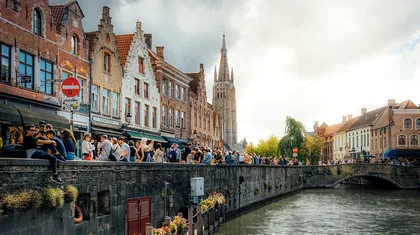
Tokyo's beauty is made by people. Walk Yanaka at 8am and you get wooden houses, temple gates, and a shopkeeper hosing down the pavement. Daikanyama gives you low-slung concrete and quiet coffee. Then Shinjuku at night hits you with a wall of light so dense it feels structural. The city is never still, but it is always controlled.
Unlimited High-Speed International Travel eSIM
Connect in seconds across 180+ destinations. Instant QR code activation with zero roaming surcharges.

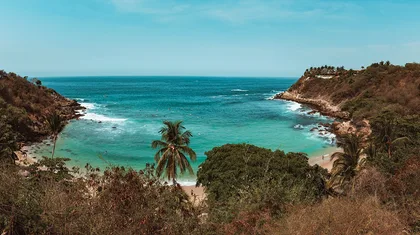
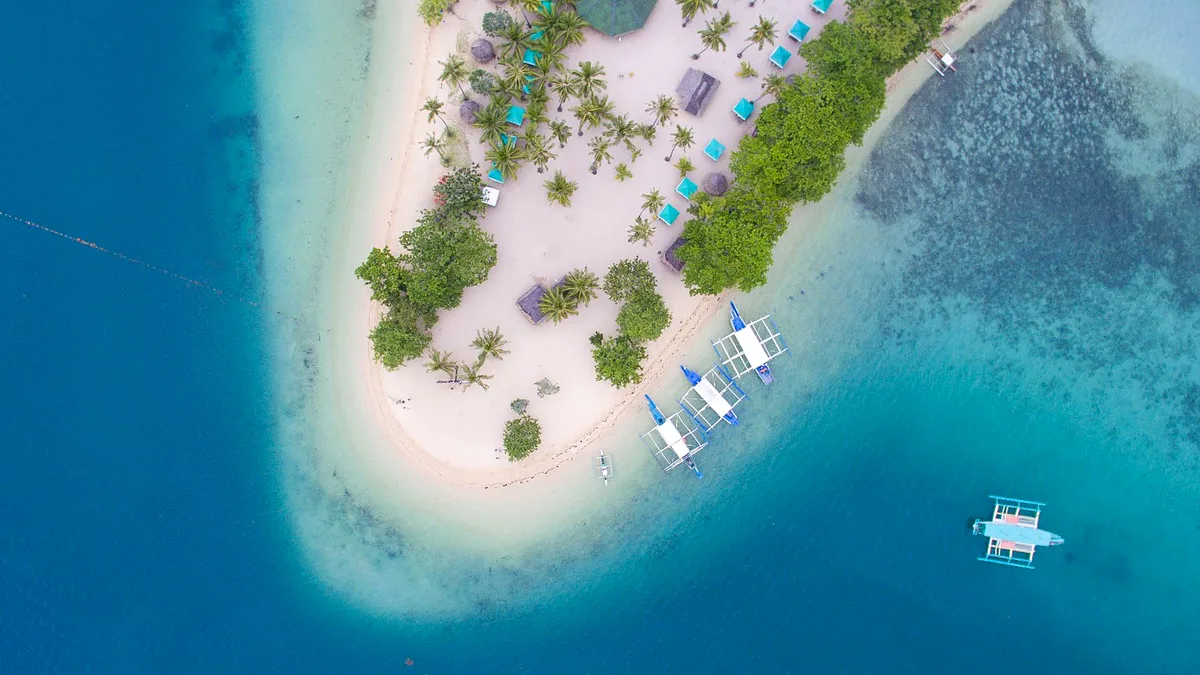
Palawan's beauty is geological. El Nido is a cluster of limestone towers rising straight out of turquoise water, with lagoons hidden behind the walls. San Vicente's Long Beach runs roughly 14 kilometres with almost nothing on it. Port Barton is a single sandy lane, a handful of guesthouses, and boats pulled up at dusk. The mood overlaps with Tokyo more than the look does: both reward slow observation and small details.
The honest difference is in the street life. Tokyo hands you order — a crossing that empties and refills in perfect rhythm. Palawan hands you tricycles, roosters, stray dogs sleeping in the road, and a sari-sari store selling sachets of shampoo next to cold beer. One is engineered calm. The other is accidental calm, and it occasionally smells like drying fish.
The Wallet Test: Real Cost Breakdown
These are realistic mid-2024 to 2025 numbers, not promotional rates. Palawan's cheapness is real, but flights and transfers eat a bigger share than people expect.
| Item | Tokyo | Palawan |
|---|---|---|
| Business-style hotel, double | ¥11,000–16,000 (~$70–105) | ₱2,800–5,500 (~$50–98) in El Nido town |
| Mid-range boutique room | ¥22,000–35,000 (~$145–230) | ₱5,000–9,000 (~$88–160) in Corong-Corong or Port Barton |
| Cheap, excellent meal | ¥1,100 ramen (~$7) | ₱180 carinderia plate (~$3) |
| Sit-down dinner for two | ¥9,000–14,000 (~$58–90) | ₱1,200–1,800 (~$21–32) |
| Beer | ¥900–1,200 craft (~$6–8) | ₱80–110 San Mig (~$1.50–2) |
| Signature activity | teamLab Planets ¥3,800 (~$25) | El Nido Tour A ₱1,200–1,800 (~$21–32), plus ₱400 eco fee (~$7) |
| Getting around | Metro ¥180–320 per ride (~$1.20–2.20) | Tricycle ₱50–150 in town (~$1–2.60) |
Two costs are easy to underestimate. First, flights: Manila to Puerto Princesa is cheap (₱2,500–5,000 / ~$45–90), but AirSWIFT's direct Manila–El Nido hop often runs ₱7,000–13,000 (~$125–230) and cancels in bad weather. Second, transfers: the Puerto Princesa to El Nido van is ₱700–900 (~$12–16), but it takes five to six hours.
Tokyo's hidden cost is not the metro — it is the ¥4,500 (~$30) izakaya dinner that becomes ¥8,000 after two more rounds. In Palawan the same evening costs ₱900 (~$16) and ends earlier, because the bars shut when the generator does.
Crowds, Authenticity, and Tourist Footprint
Tokyo absorbs crowds professionally. Yes, Takeshita Street is a crush, but step one block sideways and you are alone. The city has enough depth to spread 20 million annual visitors around without anyone feeling cheated.
Palawan does not have that buffer. El Nido town is loud, dusty, and short on parking; by 9am the Big Lagoon has 40-plus boats queued, and it stops feeling remote. The fix is simple — go early or go elsewhere. Tour boats launch from 6:30am, so a private or early-start Tour A gets you into the lagoon before the armada. Better yet, base yourself in Corong-Corong, Nacpan, or Port Barton and day-trip in.
What is authentic here is real, not staged. Fishermen still sell catch on the beach, and a barrio fiesta will shut the main road for a night. But there are honest downsides: plastic waste in town centres, patchy Wi-Fi, power cuts, and very limited medical facilities outside Puerto Princesa. Travel insurance with evacuation cover is not optional.
How to Experience the Best of Palawan
Where to stay
- Corong-Corong, El Nido: ten minutes by tricycle from town, sunset-facing, quieter, ₱5,000–9,000 (~$88–160) for a good boutique room.
- Port Barton, San Vicente: the slow version of El Nido. Beachfront guesthouses ₱2,000–4,000 (~$35–70) and almost no traffic.
- Nacpan Beach: 20 kilometres north of El Nido, rustic and breezy; expect fans over aircon and cash-only payments.
- Coron Town: the base for wreck diving, 45 minutes by van from Busuanga airport (USU).
- Taytay: a genuinely quiet town with a Spanish fort, and a 90-minute drive from Puerto Princesa.
Activities that rival Tokyo's highlights
Where Tokyo gives you teamLab and Shibuya Sky, Palawan gives you the Big Lagoon by kayak (₱400–800 rental) and the Puerto Princesa Underground River. Coron Bay is the sleeper hit: it holds a cluster of Japanese WWII shipwrecks from the 1944 air raids, now coral-encrusted. A two-dive boat trip costs ₱3,500–4,500 (~$62–80), and it is a strange, moving echo of the country you almost flew to instead.
What to order
Start with kinilaw — raw fish cured in vinegar, ginger, and chilli, the local answer to sashimi. Order lato (sea grapes), grilled tambakol, and adobong pusit. In Puerto Princesa, Kalui serves seafood in a wooden house for about ₱600–900 (~$11–16) a head, and tamilok (a woodworm eaten raw in vinegar) is the dare dish you can politely skip.
Who Should Still Choose Tokyo?
Choose Tokyo if your trip is shorter than ten days, if you are travelling with kids who need reliable bathrooms and hospitals, or if food is the point. Tokyo's range — a ¥1,100 ramen at 2am, a ¥30,000 kaiseki — cannot be matched by a province where the fish is superb but the variety is thin.
Go to Tokyo if you want museums, live music, shopping, and rain-proof days. Palawan has no answer to a typhoon afternoon in the National Museum or an evening in Shimokitazawa. And if you have never been to Japan, do not let a spreadsheet talk you out of it — Palawan is an alternative, not an upgrade.
Frequently Asked Questions
Is Palawan actually cheaper than Tokyo?
Day to day, yes — roughly half. Expect $80–$130 daily in Palawan against $180–$260 in Tokyo for a comparable mid-range standard. But Palawan's internal flights and long van transfers can add $150–$300 to a week-long trip, which narrows the gap fast.
How many days do I need in each?
Tokyo rewards five to seven days minimum; Palawan needs seven to ten because moving between El Nido, Coron, and Puerto Princesa eats whole half-days. A rushed four-day Palawan trip is worse value than four days in Tokyo.
When is the best time to visit Palawan?
November to May is dry season, with December to April busiest and priciest. June to October brings the habagat monsoon: cheaper rooms, greener hills, but boat tours get cancelled by the Coast Guard and ferries to Coron are unreliable.
Can I do Palawan on a strict budget?
Yes. With fan rooms, carinderia meals, and shared tours, ₱2,500–3,500 (~$45–62) a day is realistic in Port Barton or Coron town. Bring cash — ATMs in El Nido run empty, and GCash or Maya is the local workaround.