
The Quick Verdict
Niseko is not Lisbon's architectural twin. Anyone who has stood in Alfama's tiled lanes and then in Hirafu's snow-cleared car park knows that. Lisbon is 500-year-old Manueline stone and azulejo facades stacked up a river hill; Niseko is a ski village of timber chalets and concrete apartment blocks, most of it built after 1985.
So here is the honest version: Niseko works as a Lisbon swap for roughly half the year, and for a specific kind of traveler. In green season (May to October) you get the same slope-built town, the same viewpoint culture, the same ten-minute walkable eating strip — for around 15–25% less per day than Lisbon in high summer. Book in January and the math flips brutally, because Niseko becomes one of the most expensive small towns in Japan.
The Side-by-Side Scorecard
| Feature | Lisbon | Niseko |
|---|---|---|
| Average Daily Cost (Stay + Meals) | €120–150 / ~$130–165 mid-range; €70–85 budget | ¥18,000–26,000 / ~$120–175 in green season; ¥38,000–55,000 / ~$250–370 in Jan–Feb |
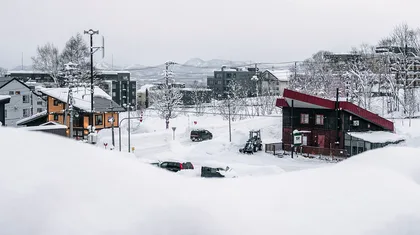
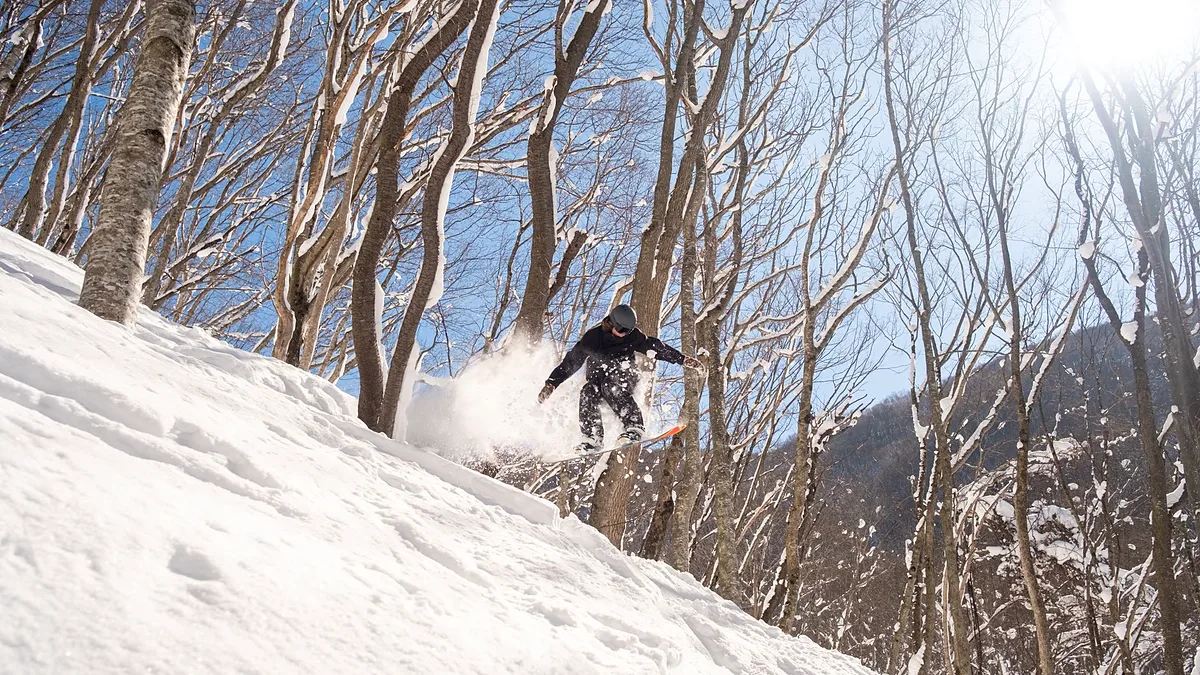
| Atmosphere & Aesthetic | Pastel facades, azulejo tiles, calçada cobbles, trams, river light, rooftop miradouros | Steep-roofed chalets, birch forest, snow walls in winter, volcano views, onsen steam |
| Crowd Density & Seasonality | Busy year-round; July–August and cruise-ship mornings are the worst | Very quiet May–June and Sept–Oct; packed on powder weekends Jan–Feb |
| Flight & Transit Accessibility | LIS airport is 20 minutes by metro; 4 metro lines, trams, funiculars, walkable core | CTS airport is 2.5–3 hours by bus; getting around needs the JR line, local buses, or a car |
| Best For | Food, museums, nightlife, city energy, winter sun | Hiking, onsen, snow sports, silence, and a slower pace |
Scenery & Atmosphere: How Similar Are They Really?
On topography, the comparison holds up better than you'd expect. Both towns are built on slopes, both reward walking uphill, and both organize daily life around views. Lisbon has its miradouros — Senhora do Monte, Santa Luzia, São Pedro de Alcântara — and Niseko has the Annupuri panorama and the flat-out sight of Mount Yotei filling the end of every street in Hirafu.
Unlimited High-Speed International Travel eSIM
Connect in seconds across 180+ destinations. Instant QR code activation with zero roaming surcharges.

On buildings, the dupe collapses. Lisbon's Baixa is a planned Pombaline grid from 1755, Belém is carved limestone, and half the city wears hand-painted tile. Niseko's built landscape is chalets, pensions from the 1980s bubble, and a handful of early 20th-century wooden merchant buildings down the road in Kutchan. If architecture is the reason you booked Lisbon, Niseko will disappoint you.
Street life is the other gap. Lisbon has kiosks, trams, tiled corner bars, and people outside at 11pm. Niseko has one crossing in Hirafu, a convenience store, and dinner that ends by 9pm because the lifts open early. Swap the city hum for forest quiet, not for an equivalent buzz.
The Wallet Test: Real Cost Breakdown
Numbers matter more than adjectives here, so here are 2025 figures you can actually budget against.
- Lisbon hotel, 3-star double in Baixa or Alfama: €110–160 / ~$120–175 per night. A Príncipe Real boutique room runs €180–260.
- Lisbon hostel dorm: €28–45 / ~$30–50 in summer.
- Niseko studio, green season: ¥12,000–20,000 / ~$80–130 per night. The same room in late January: ¥30,000–55,000 / ~$200–370.
- Niseko hostel dorm, winter: ¥9,000–14,000 / ~$60–95. Beds sell out by September for peak weeks.
Food is where Niseko claws back ground. A bowl of soba in Kutchan costs ¥1,100–1,400 (~$8–9), ramen ¥1,000–1,300, and a convenience-store onigiri ¥150. A sit-down jingisukan dinner runs ¥2,500–3,500 per person (~$17–23), and draft beer is ¥350 in a Kutchan izakaya versus ¥700–900 in Hirafu village.
Lisbon is still the better value for eating out. A bifana is €3, a pastel de nata €1.50, a bica €1, and a mid-range dinner for two with wine lands at €55–75. Add a €2 ginjinha and a €1.85 metro fare (~$2), and a full day of city eating rarely breaks €40.
Excursions tilt the other way. Niseko's 1-day all-mountain lift pass is around ¥9,500 (~$63), rental gear ¥7,000, a guided Yotei hike ¥12,000, and Shiribetsu River rafting about ¥6,500. In Lisbon, a 24-hour transit pass is €6.80, Tram 28 costs €3.10 on board, and most of the best afternoons — Mouraria, Graça, the riverfront — cost nothing.
Rough daily total for a mid-range traveler: Lisbon €130–150 (~$140–165). Niseko ¥18,000–23,000 (~$120–155) in green season, ¥40,000+ (~$270+) in peak winter.
Crowds, Authenticity, and Tourist Footprint
Lisbon has a genuine over-tourism problem. Short-term rentals have hollowed out parts of Alfama and Mouraria, Tram 28 is a pickpocket conveyor belt, and the restaurant strip facing Praça do Comércio is best skipped entirely. Locals eat in Campo de Ourique, Alvalade, and Estrela, which are also the neighborhoods worth your evenings.
Niseko's crowding is narrower but real. Hirafu is heavily foreign-owned and runs on Australian school holidays, so a powder Saturday in February feels like a queue, not a village. Kutchan — ten minutes away — is where people actually live, with cheaper izakayas and a proper high street.
Authenticity, then, is a matter of which street you stand on. Niseko's local life lives in Kutchan, Annupuri, and the onsen hamlets, not in the chalet belt. Lisbon's lives one hill back from the tram line.
How to Experience the Best of Niseko
Where to stay
Lower Hirafu is the walkable choice, close to the Seicomart and most restaurants. Izumikyo offers better value a ten-minute walk from the lifts, Annupuri suits anyone who wants quiet and onsen access, and Kutchan town has the cheapest beds plus a 15-minute bus to the slopes.
What to do instead of a miradouro crawl
Ride the Grand Hirafu gondola in green season for the Yotei view, walk the Shinsen-numa marsh boardwalk, or hike the Nakayama Pass across in Kyogoku. Soak at Goshiki Onsen (about ¥500) or the Niseko Grand Hotel's outdoor bath, and rent a bike for ¥4,000 a day to link the villages.
What to order
Handmade soba at Rakuichi in Hirafu — lunch only, cash only, book ahead — is the meal people remember. Order jingisukan (grilled lamb), an ikura-don with Hokkaido salmon roe, and sweet corn in August. Finish with soft serve at Takahashi Dairy Farm in Niseko town, which is worth the detour on its own.
Who Should Still Choose Lisbon?
Choose Lisbon if you're traveling between November and March and want 15°C afternoons rather than −8°C mornings. Choose it if you want museums, fado, late dinners, and a city that stays awake — Niseko's kitchens close early and its nightlife is a fireplace.
Choose Lisbon if you don't want to rent a car or plan around infrequent local buses. And choose it if the architecture is the point, because a 1755 earthquake grid and a Manueline monastery have no equivalent in Hokkaido. The extra spend buys you something Niseko genuinely cannot supply.
Frequently Asked Questions
Is Niseko actually cheaper than Lisbon?
Only in green season, roughly May to October, when daily costs land 15–25% below a July Lisbon trip. From December to March, Niseko costs about twice as much per day.
Is Niseko a real architectural substitute for Lisbon?
No. The hilltop setting and viewpoint culture are similar; the buildings are not. Niseko's charm is timber, snow, and onsen, not tile and carved stone.
When is the cheapest time to visit Niseko?
Late May, June, and September are the sweet spots — lodging drops 40–60% from winter rates and the hiking is at its best. Avoid Golden Week and the January powder rush.
How do you reach Niseko without a car?
Take the Chuo Bus from New Chitose Airport to Hirafu (about ¥4,000 / ~$27, 2.5–3 hours), or the JR rapid to Kutchan (around ¥2,500) plus a ¥300 local bus. Niseko Bus links the four resort villages, though services thin out after 8pm.