
Bali and Naples are not twins. One is a Hindu island where temple gates open onto rice paddies, the other a 2,700-year-old Mediterranean port built on volcanic rock. But strip both down to what people actually photograph — cliff-edge sanctuaries, terraced green hillsides, a volcano on the skyline, and street food eaten standing up — and the comparison stops being a joke.
Here is the trade in plain terms. Naples saves you anywhere from 10 to 20 hours of flying, cuts your daily spend by roughly a third, and hands you a historic centre you can cross on foot instead of on a scooter. You lose the tropics: no surf, no 30°C in January, no rice-field sunrises. If you were going to Bali for architecture, views and good eating, Naples holds up well. If you were going for the beach, book the beach.
Side-by-Side Comparison Scorecard
| Feature | Bali | Naples |
|---|---|---|
| Average Daily Cost (Stay + Meals) | $55–95 (~870,000–1,520,000 IDR) for a guesthouse and warung meals | €85–125 (~$92–135) for a centro storico B&B and trattoria dinners |
| Atmosphere & Aesthetic | Hindu temples, thatched roofs, terraced rice fields, volcanic coastline | Baroque churches, basalt alleys, cliffside villas, wide bay views |
| Crowd Density & Seasonality | Heavy in Canggu and Ubud; April–October dry season is busiest and priciest | Heavy in the centro storico; best in late April–May and September–October |
| Flight & Transit Accessibility | 12–24 hours from Europe or the US; scooter needed once you land | 2–3 hours from most of Europe; metro, funicular and ferries locally |
| Best For | Beaches, surf, wellness retreats, tropical slow travel | Art, food, archaeology and city energy on a mid-range budget |
Scenery & Atmosphere: How Similar Are They Really?
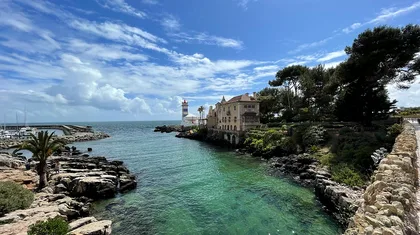
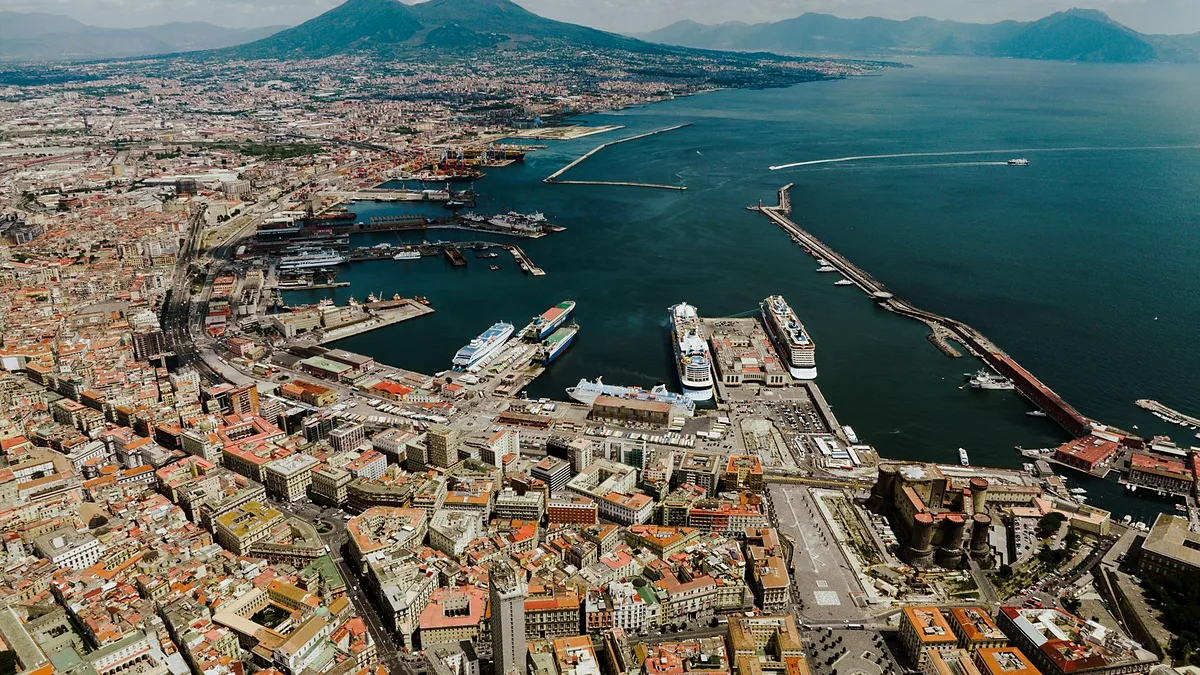
Start with the cliffs. Uluwatu temple sits roughly 70 metres above the Indian Ocean on a limestone promontory, and the rim walk at sunset is the most photographed view in Bali. Naples has its own version: the terrace outside the Certosa di San Martino, up on Vomero hill, looks straight down over the bay, Vesuvius and a thousand rooftops. Different ocean, same geometry.
Unlimited High-Speed International Travel eSIM
Connect in seconds across 180+ destinations. Instant QR code activation with zero roaming surcharges.

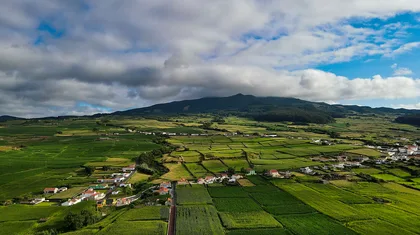
The terraces are the other genuine match. Tegallalang's rice steps outside Ubud and the lemon groves stacked above Positano and Amalfi were both cut by hand over centuries to hold soil on steep ground. Neither is natural. Both reward a slow walk with a camera and punish anyone wearing smooth-soled shoes.
Where the two split hardest is architecture. Balinese building is low, horizontal and open: thatched alang-alang roofs, carved meru towers, split gates that frame a view instead of blocking it. Naples builds upward and inward — yellow tufa façades, basalt paving, church interiors stacked with marble and gold. You will not mistake one for the other.
Street life is where they rhyme again. Naples runs on Vespas threading the Quartieri Spagnoli's grid of laundry lines; Canggu runs on scooters threading rice-field lanes. Both honk constantly, both ignore lane markings, and both feel chaotic in a way that is genuinely fun for about four days.
The Wallet Test: Real Cost Breakdown
Bali's budget reputation is only half true. Guesthouses are cheap; anything aimed at foreigners is not. A clean double in Ubud or Sanur runs 400,000–700,000 IDR (~$25–44) a night, while a pool villa in Canggu or Uluwatu is 1,200,000–2,500,000 IDR (~$75–156) — still less than a mid-range Naples hotel.
Naples charges more for the room and less for the day. A B&B in the Decumani is €90–130 (~$98–140) for a double with breakfast; Chiaia and Santa Lucia push €180–250. You claw it back at the table: a real margherita is €6–8 (~$6.50–8.70), an espresso at the bar €1.30 (~$1.40), a spritz €5–6, and a seafood pasta dinner €14–22.
| What you pay for | Bali | Naples |
|---|---|---|
| Mid-range double room | 400,000–700,000 IDR (~$25–44) | €90–130 (~$98–140) |
| Cheap street meal | 30,000–50,000 IDR (~$2–3) | €6–8 pizza (~$6.50–8.70) |
| Sit-down dinner | 150,000–250,000 IDR (~$9–16) | €18–30 (~$20–33) |
| Coffee or local beer | 40,000 IDR beer (~$2.50) | €1.30 coffee, €5 spritz |
| Local transport per day | 70,000–100,000 IDR scooter (~$4.50–6.50) | €1.30 metro ticket, €5 airport bus |
| Headline sight entry | 50,000 IDR Uluwatu (~$3) | €18 Pompeii (~$19.50) |
| One-hour massage | 150,000 IDR (~$9) | €45–60 (~$49–65) |
| Realistic daily total | $55–95 | €85–125 (~$92–135) |
Two Bali costs are easy to forget: the 500,000 IDR (~$32) visa on arrival and the 150,000 IDR (~$10) tourist levy, both paid at the airport. Naples adds a city tax of €3–5 per person per night, usually collected in cash when you check in.
The biggest line item is the flight. Return fares to Bali run €650–950 (~$700–1,030) from European hubs and $950–1,400 from the US, often with a Gulf or Southeast Asian connection. Naples is €40–120 return from London on Ryanair or easyJet, and $450–750 from New York via Rome. That gap alone pays for a week of Italian dinners.
Crowds, Authenticity, and Tourist Footprint
Bali received more than 6 million foreign visitors in 2024 and the pressure shows. Canggu's shortcut lanes jam solid from 4pm, Ubud's Monkey Forest Road is a souvenir conveyor belt, and warungs near the main strips now quietly price in dollars. Quiet corners remain — Sidemen, Amed, the north coast — but they demand a scooter and patience.
Naples handles tourism differently because it was never designed around it. The centro storico is genuinely packed from March to October, but walk three streets off Spaccanapoli and you are in a residential alley where nobody is selling you anything. The city is still a working port and a university town, so the local economy does not fold up in the off-season.
Seasonality is the wider gap. Bali is warm all year, with a dry season from April to October that is also the most crowded and expensive stretch. Naples has a real winter: November to February is grey and wet, many coastal ferries stop running, and plenty of Amalfi businesses shut entirely.
Honest downside, because someone has to say it: Naples is louder, dirtier and rougher than any Balinese resort strip. Expect graffiti, uneven pavements, pickpockets on the Circumvesuviana train, and bin bags stacked on corners when collections slip. It is a city, not a resort, and it does not pretend otherwise.
How to Experience the Best of Naples
Where to base yourself
First-timers should stay in the Decumani, the grid of streets around Via dei Tribunali and Spaccanapoli. It is walkable to almost everything, rooms are cheapest here, and the evening passeggiata happens outside your door. Choose Chiaia if you want quieter nights, a five-minute walk to the lungomare, and better coffee bars; Vomero if you prefer a hilltop neighbourhood with a funicular down to the centre and almost no tourists at dinner.
What to do that rivals Bali
- Pompeii and Herculaneum in one day. Take the Circumvesuviana from Napoli Garibaldi to Ercolano Scavi (about 20 minutes, €2.20) first thing, then continue to Pompei Scavi. Entry is €18 (~$19.50) at Pompeii and €13 at Herculaneum. Bring water and start early, because the site has almost no shade.
- Certosa di San Martino at golden hour. €6 entry, and the terrace view over the bay beats any rooftop bar in Canggu. Take the Funicolare Centrale from Via Toledo up to Vomero.
- A ferry to Capri or Ischia. Fast ferries leave Molo Beverello from roughly 7am, around €21–24 each way. Ischia is cheaper, greener and far less crowded than Capri.
- MANN, the archaeology museum. Around €20 (~$22) and worth three hours. Everything pulled out of Pompeii ended up here.
- Walk Posillipo to Marechiaro. Free, coastal, and the closest Naples gets to a cliff path with sea views.
What to order
Pizza margherita at L'Antica Pizzeria da Michele near Forcella (about €6.50, no bookings, expect a queue) or Sorbillo on Via dei Tribunali. Get pizza fritta from a street stand, cuoppo fritto from a friggitoria, and a sfogliatella riccia from Pintauro on Via Toledo while it is still warm. Finish with a babà drenched in syrup and a caffè sospeso — a coffee you pay forward for a stranger.
Who Should Still Choose Bali?
Book Bali over Naples if the water is the point. Surf at Batu Bolong, dive with manta rays off Nusa Penida, or spend a week in a $90 pool villa that would cost €400 a night in Italy. Naples has no equivalent, and its city beaches at Bagnoli are not a substitute.
Choose Bali if you are travelling November to February and need guaranteed warmth, if you want a yoga or wellness retreat with daily classes, if you are working remotely on a long stay, or if you are travelling with kids who need a pool and space. The Hindu ceremony calendar alone — temple anniversaries, cremations, full-moon processions — has no Mediterranean counterpart.
Choose Naples if your trip is short, your budget is mid-range, and your interests sit in art, ruins, food and cities that stay awake after 10pm. Six days in Naples plus Pompeii and one island is a complete holiday. Six days in Bali is barely a warm-up.
Frequently Asked Questions
Is Naples actually cheaper than Bali?
It depends on where you fly from. From Europe, Naples wins outright: a €60 flight and €85–125 a day usually beats a €750 flight and $55–95 a day on a one-week trip. From the US or Australia, Bali's lower daily costs can close the gap on stays longer than two weeks.
Is Naples a good alternative to Bali for a beach holiday?
No. Naples is a city destination with a rocky waterfront. If sand and swimming are non-negotiable, look at Puglia or Sardinia for a Mediterranean swap, or stay with Bali.
How many days do you need in Naples versus Bali?
Five to seven days covers Naples, Pompeii, Herculaneum and one island comfortably. Bali rewards two to three weeks because the island's regions are hours apart and traffic eats whole afternoons.
When is the best time to visit Naples instead of Bali?
Late April to May and September to October. You get 20–25°C days, open ferries, and thinner crowds. Avoid July and August, when the centro storico is shoulder-to-shoulder and hotel rates peak.