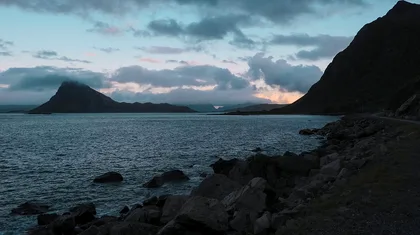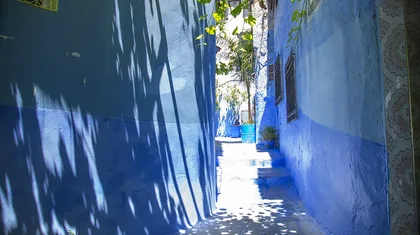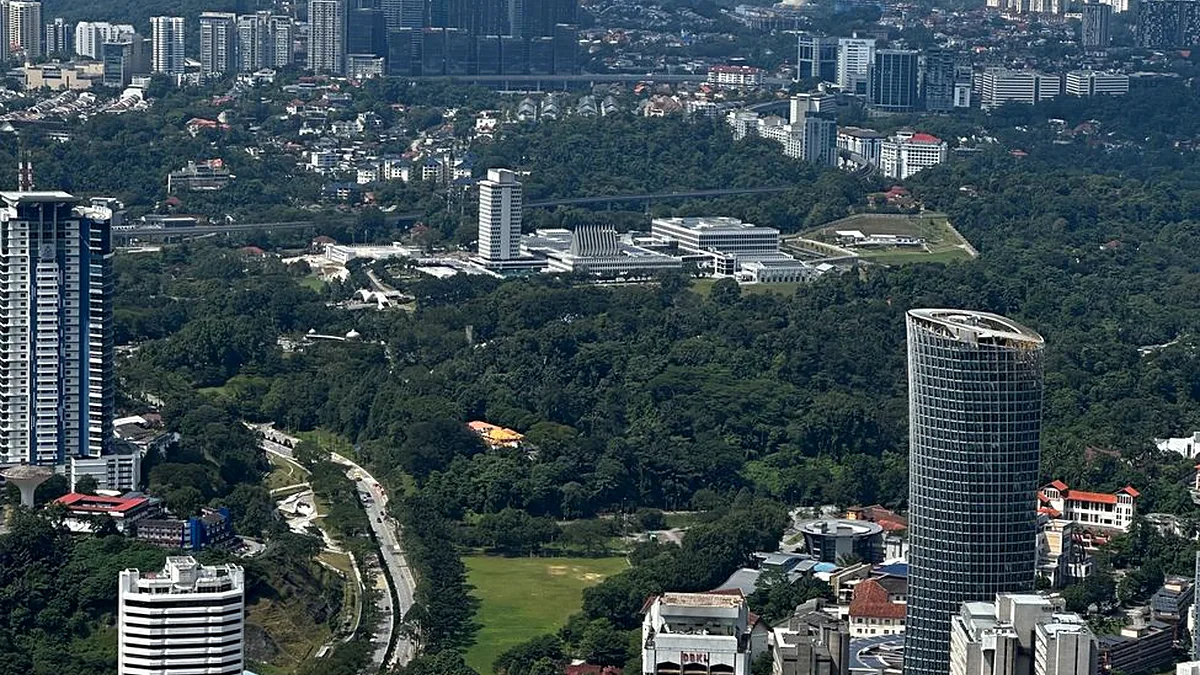

If you want Lisbon's tiled facades, hilltop viewpoints and long café mornings without paying €180 a night for a room the size of a wardrobe, Kuala Lumpur is the swap that genuinely holds up. KL runs the same formula — tiled frontages, a viewpoint on a hill, cheap espresso, pastries at 8am — at roughly half the daily cost, with better food variety and a hotel upgrade you could never afford in Alfama.
What you give up is the Atlantic. Lisbon's cool 22°C summers, its walkable medieval core and its 90-minute flights to the rest of Europe don't travel. KL is hot, spread out, and built for trains and cars rather than wandering. Go in knowing that and the trade is excellent. Expect a carbon copy and you'll spend a week disappointed.
The Scorecard: Lisbon vs Kuala Lumpur at a Glance
| Feature | Lisbon | Kuala Lumpur |
|---|---|---|
| Average Daily Cost (Stay + Meals) | €190–250 / ~$205–270 for two, mid-range | RM450–650 / ~$100–145 for two, mid-range |
| Atmosphere & Aesthetic | Azulejo tiles, calçada mosaics, wrought iron, Atlantic light. Melancholy and photogenic. | Peranakan shophouses, Mughal-revival domes, 678m towers, tropical rain and neon. Bigger, hotter, more modern. |
| Crowd Density & Seasonality | Heavy June–September. Cruise ships, Tram 28 queues, 45-minute waits at Jerónimos. | Busy year-round but spread thin. Quietest in Ramadan and late August. Rain peaks Nov–Jan; haze possible Aug–Oct. |
| Flight & Transit Accessibility | Cheap from Europe (€40–120 from the UK), long-haul from North America. Metro, trams, 25-minute airport bus. | Cheap from Asia and Australia (RM300–700 regional), 13–14 hours from Europe. MRT, LRT, RM55 airport train. |
| Best For | First-timers, walkers, wine lovers, anyone pairing Portugal with Spain. | Budget-conscious architecture lovers, food obsessives, Southeast Asia stopovers, remote workers. |
Scenery & Atmosphere: How Similar Are They Really?
The shared visual DNA
Both cities run the same visual joke: a hill, a viewpoint, and a jumble of tiled rooftops below it. Lisbon does it with azulejo panels, calçada portuguesa mosaics and wrought-iron balconies that look drawn by hand. KL does it with Peranakan shophouses, patterned floor tiles, pastel shutters and the five-foot covered walkways that keep the rain off your shoulders.
Unlimited High-Speed International Travel eSIM
Connect in seconds across 180+ destinations. Instant QR code activation with zero roaming surcharges.

The colonial architecture is a closer match than most people expect. The Sultan Abdul Samad Building's copper onion domes, the old KL Railway Station and Masjid Jamek all come from the same late-1800s British-Mughal playbook. Masjid Jamek sits exactly where Chinese tin miners landed at the Klang and Gombak river junction in 1857. Lisbon got its Pombaline grid after the 1755 earthquake; KL got a grid too, just with more air conditioning and fewer churches.
Where the illusion breaks
Scale is the first giveaway. Lisbon's skyline tops out at church towers and the Santa Justa Lift. KL's is Merdeka 118 at 678.9 metres — the second-tallest building on earth — with the Petronas Twin Towers half a kilometre behind it. You never forget you're in a metro area of about 8 million people rather than a European capital of 550,000.
Then there's the water. Lisbon's mood comes from the Tejo estuary and Atlantic light, and you can walk from Alfama to the river in ten minutes. KL has no swimmable coast nearby. The nearest decent beach is Port Dickson or Morib, roughly 1.5 hours away, and neither is worth the trip if sand is the point of your holiday.
The heat is the third break. Lisbon in June is 25°C and dry; KL is 32°C with 80% humidity and thunderstorms that arrive between 3pm and 5pm like a scheduled train. Locals plan around them, and so should you.
The Wallet Test: Real Cost Breakdown
| What You Pay For | Lisbon | Kuala Lumpur |
|---|---|---|
| Mid-range double room, per night | €130–190 / ~$140–205 | RM220–380 / ~$48–84 |
| Boutique or quiet-luxury room | €350–500 / ~$380–540 | RM550–850 / ~$120–185 |
| Morning coffee | €1.00–1.40 bica / ~$1.10–1.50 | RM3–6 kopi / ~$0.70–1.30 |
| Breakfast | €4–7 pastel de nata + coffee / ~$4–8 | RM8–12 nasi lemak + kopi / ~$1.70–2.60 |
| Sit-down lunch | €12–18 prato do dia / ~$13–19 | RM15–25 coffee shop / ~$3–5.50 |
| Dinner for two with wine | €60–90 / ~$65–97 | RM120–180 / ~$27–40 |
| Cocktail at a good bar | €10–14 / ~$11–15 | RM40–60 / ~$9–13 |
| Local transport, single ride | €1.85 metro / ~$2 | RM1.20–4 MRT/LRT / ~$0.30–0.90 |
| Signature paid attraction | Jerónimos Monastery €12 / ~$13 | Petronas observation deck RM98 / ~$22 |
A comfortable day for two in Lisbon lands around €190–250 once you add a museum and a glass of wine. The same day in KL lands around RM450–650. That's not a rounding error — it's a fourth night on your trip, or a room with a rooftop pool instead of a stairwell view.
The gap is widest at the top end. In Lisbon, €400 buys a small designer room with a shared terrace. In KL, RM700 buys a suite in a restored 1930s shophouse in Chinatown with a plunge pool and breakfast cooked to order. If your version of luxury is space, quiet and good linen rather than a postcode, KL wins without much of a fight.
Where Lisbon claws it back: wine. A decent Douro red costs €5–8 in a shop and €22 on a list. Malaysian wine is heavily taxed and starts around RM90 a bottle in a restaurant, so drink local beer (RM15–20 a pint), kopi, or the excellent fresh juices instead.
Crowds, Authenticity, and Tourist Footprint
Lisbon's problem is success. The city now draws well over 4 million overnight visitors a year, plus cruise ships unloading at Santa Apolónia, and the pressure shows. Alfama has lost a chunk of its resident population to short-term rentals, tuk-tuks clog the lanes below Graça, and Tram 28 is a pickpocket's commute with a view.
That doesn't make Lisbon fake — the Mouraria backstreets and the Cais do Sodré market still feel like a working city. But you'll be queueing, and you'll pay tourist-menu prices anywhere within 200 metres of Praça do Comércio. Walk 15 minutes uphill and everything improves.
KL's crowds are concentrated rather than everywhere. Bukit Bintang, the KLCC park and Petaling Street absorb most visitors, which leaves Chow Kit, Kampung Baru, Pudu and Brickfields remarkably local. Eat where the plastic stools are and nobody hands you an English menu.
The honest downside: KL's charm is diffuse. You can't amble from one neighbourhood to the next the way you can from Chiado to Príncipe Real. You'll take the MRT between pockets of interest, pass plenty of mall and empty pavement, and the café-terrace culture — real, but concentrated in Bangsar and Damansara Heights — is younger and thinner than Lisbon's.
How to Experience the Best of Kuala Lumpur
Where to stay
- Chow Kit: the closest thing to Alfama in feel — wet market, shophouses, a handful of sharp boutique hotels. Central and quiet at night.
- Chinatown / Petaling Street: restored shophouse stays, murals at Kwai Chai Hong, five minutes from Pasar Seni MRT.
- Bukit Bintang: best transit, best late-night food, most noise. Use it as a base, not a retreat.
- Bangsar and Damansara Heights: residential, leafy, café-dense. Where KL's quiet luxury actually lives.
- Titiwangsa: lake views, MRT access, a fraction of the price of KLCC.
Do the Lisbon equivalents, but cheaper
Swap the miradouros for the Heli Lounge Bar, a working helipad on the 34th floor where a RM45 drink buys the sunset. Replace Tram 28 with the MRT Putrajaya Line to Kampung Batu, or ride the free GoKL buses around the centre. Instead of Belém, take the KTM Komuter from KL Sentral to Batu Caves (RM2.60, 30 minutes) and climb the 272 steps before 9am.
For the tile-and-craft fix, the Islamic Arts Museum charges RM20 and is worth three times that. Thean Hou Temple and the Perdana Botanical Gardens are free. Merdeka 118's observation deck costs around RM128 — the priciest ticket in town, and genuinely spectacular on a clear morning.
What to order
Start with nasi lemak (RM8–15) and roti canai (RM2.50–3.50) at any coffee shop. Get banana leaf rice in Brickfields for RM12–18, char kway teow at Jalan Alor for about RM12, and Hokkien noodles at Kim Lian Kee in Chinatown. Finish with cendol at ICC Pudu, where the food court is the cheapest lunch in the city.
Who Should Still Choose Lisbon?
Pay the premium if you want a compact city you can cross on foot in 40 minutes, if you're travelling with older parents or young kids who wilt in humidity, or if you only have a long weekend and you're already in Europe. Lisbon also wins outright if you want Atlantic beaches (Cascais is 40 minutes and €2.30 by train), wine country in Sintra and Setúbal, or a cool-weather city break in July.
Choose Lisbon too if heritage-per-square-metre matters more to you than space and service. KL gives you two or three gorgeous streetscapes per neighbourhood; Lisbon gives you entire districts. And if you want a European café rhythm — the two-hour lunch, the terrace, the unhurried waiter — KL hasn't quite grown into that yet.
Frequently Asked Questions
Is Kuala Lumpur really cheaper than Lisbon?
Yes, substantially. Expect 40–55% less on accommodation and 60–70% less on food and transport. A two-week KL trip often costs about what ten days in Lisbon does, even allowing for the pricier long-haul flight.
Is KL a good substitute for Lisbon?
For architecture, viewpoints, café mornings and cheap eating, yes. For Atlantic beaches, Portuguese wine, walkable medieval streets and cool summer weather, no — book Lisbon.
How many days do you need in each city?
Three to four days covers Lisbon's core plus Sintra. KL deserves four to five, including Batu Caves and a day trip to Melaka or the Genting Highlands, and it's the cheapest gateway to Penang, Langkawi and Borneo.
When is the best time to visit?
Lisbon: April to June and September to October, when it's warm but not overrun. KL: any month works, though February to April and June to September are driest. Avoid the east coast monsoon from November to January and keep an eye on haze from August to October.