
The Quick Verdict
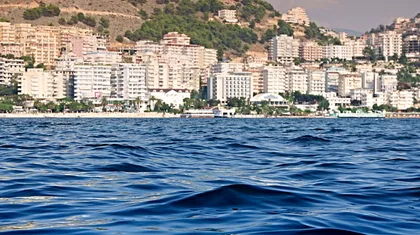
Straight answer first: Kauai and Tulum are not architectural twins. Tulum has Mayan stone ruins on a limestone bluff and a sandy road lined with palapa-roofed boutiques. Kauai has plantation-era storefronts, lava-rock heiau, and not a single cenote. Anyone selling you a perfect match is overselling.
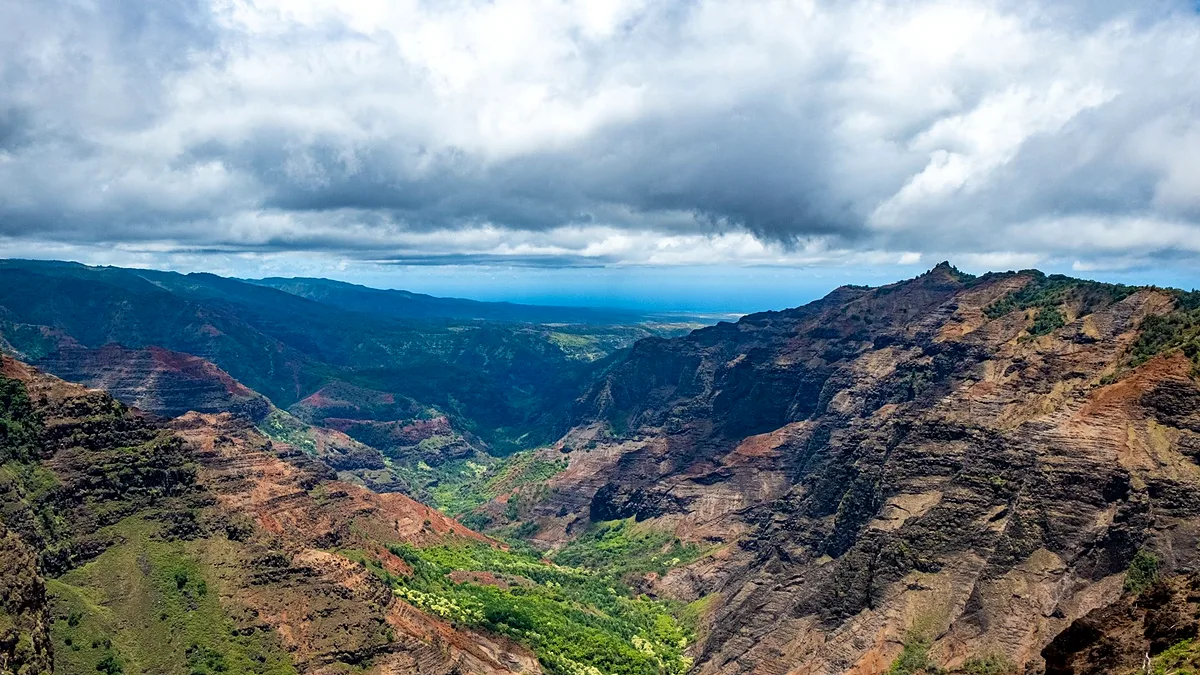
What they do share is the view. Stand above Kalalau Valley or look down on Ke'e Beach and you get the same thing Tulum charges a premium for: ridgelines of wet green rock dropping into water so turquoise it looks edited. The difference is the bill and the logistics — and on both counts, Kauai plays a cleaner game.
Side-by-Side Comparison Scorecard
| Feature | Tulum | Kauai |
|---|---|---|
| Average Daily Cost (Stay + Meals) | $110–160 lean, $280–380 mid-range | $200–270 lean, $450–600 mid-range |
| Atmosphere & Aesthetic | Mayan ruins, boho beach road, jungle cenotes | Lava cliffs, plantation towns, rainforest plus dry canyon |
| Crowd Density & Seasonality | Heavy December–March; sargassum April–August | Steady year-round; north shore rain November–March |
| Flight & Transit Accessibility | TQO or CUN plus ADO bus and Tren Maya; scooter in town | LIH nonstop from 10+ US cities; rental car required |
| Best For | Ruins, cenote swimming, nightlife, short trips | Hiking, dramatic coast, quiet, families |
Scenery & Atmosphere: How Similar Are They Really?
Start with the cliff, because that's the whole comparison. Tulum's ruins sit on a modest bluff above the Caribbean, and that single image does most of the marketing for the entire town. Kauai's Na Pali Coast does the same job at a far bigger scale — fluted cliffs running 17 miles along the northwest shore with no road in or out.

The water color matches surprisingly well. Both get that milky turquoise from limestone and coral sediment, and both look best in flat morning light. Kauai's north shore is cooler and greener; Tulum's is bathwater-warm year-round. That's a genuine trade, not a tie.
Architecture is where the dupe falls apart. Tulum's hotel zone is curated rusticity: unpaved road, no streetlights, thatched roofs, open-air lobbies, eight-room boutique hotels. Kauai's built environment is plantation and paniolo — wooden false-front shops in Hanalei, low-rise 1950s blocks in Kapaa, and resort towers in Poipu that look like Florida with better plants.
Street life is the bigger gap. Tulum Pueblo has taquerias, a night-market rhythm, and people walking around at 11pm. Kauai's towns shut down by 9pm. If wandering out for a late drink matters to you, Tulum wins and it isn't close.
The Wallet Test: Real Cost Breakdown
This is where the value claim needs defending with numbers. Expect roughly 18% in Hawaii taxes stacked on any quoted room rate — the general excise tax plus the transient accommodations tax hit every booking on the island.
Sleeping in Tulum: A clean double room in Tulum Pueblo runs $70–120 in low season and $130–180 in January. An Aldea Zama rental with a pool sits at $90–160. The Zona Hotelera is the expensive part: $250–600 for a boutique room, $700+ for the beachfront names in high season.
Sleeping in Kauai: Kapaa hotels run $230–320. A Poipu or Koloa one-bedroom condo is $320–480, and Princeville starts at $400. Hostel dorms in Kapaa are $55–75, and state park camping is $30–50 per site — the only real budget play here.
Eating: Tulum tacos go for 35–45 pesos each (~$2–2.50), and a sit-down dinner in the pueblo lands at $18–30 per person. Hotel-zone dinners are $50–90, cocktails $14–20. In Kauai a plate lunch is $14–18, a poke bowl $16–20, dinner $35–55, and a mai tai $14–16. Groceries run 25–40% above mainland US prices.
Getting around: Tulum is a $25–35 scooter day or $6–10 in colectivos and ADO buses; Cancun to Tulum by ADO is about $15. Kauai requires a rental at $55–95 per day plus gas near $4.80 a gallon. No car, no island.
Doing things: Tulum's ruins cost about $12 with the park fee; Gran Cenote is ~$26, Dos Ojos ~$40, and beach clubs want $40–80 minimum spend. Kauai's Haena State Park entry is $5 per person plus a $10 parking reservation, Waimea Canyon is $10 per vehicle plus $5 per person, and a Na Pali boat tour runs $170–260. A helicopter is $330–450.
Add it up and the gap is obvious. A lean Tulum day lands near $110–160. A lean Kauai day is $200–270 once the car is counted.
Crowds, Authenticity, and Tourist Footprint
Tulum's problem is scale. The ruins take maybe 45 minutes to walk and absorb a crush of tour buses between 10am and 2pm, mostly day-trippers from Cancun and Cozumel. The beach road is one lane each way and grinds to a stop by 5pm. In high season the town feels like a brand rather than a place.
It also has seasonal misery that doesn't make the brochure. Sargassum seaweed piles up from April through August — worst in May and July — and the smell is rough. Power cuts in the hotel zone are common, and plenty of "eco" hotels have no air conditioning to lose in the first place.
Kauai has its own choke points, just different ones. The road to Hanalei narrows to one lane and backs up behind every school bus. Ke'e Beach parking releases 30 days ahead at midnight Hawaii time and vanishes in minutes; the first two miles of the Kalalau Trail need that same reservation.
But the island absorbs people better. There are no beach clubs with velvet ropes, no minimum spends, and every beach is public by law — you can park at Tunnels or Anini and swim without buying a $22 smoothie. Locals are visible and present. Kauai is a real county with real schools, not a resort corridor.
The honest downside: north shore rain. Princeville gets 75–100 inches a year, so a February beach day in Hanalei can turn into a book-and-coffee day. Poipu on the south shore is far drier at around 30 inches.
How to Experience the Best of Kauai
Where to stay. Pick Poipu or Koloa for sun and easy kid-friendly snorkeling. Kapaa is the mid-range sweet spot, with the Ke Ala Hele Makalae coastal bike path running through it. Hanalei and Princeville give you the postcard at the cost of rain and a 45-minute drive to the airport. Lihue is cheapest and least charming.
What to do instead of cenotes. Swap swimming holes for canyon and coast. Kayak the Wailua River to Uluwehi Falls on a guided tour ($90–120), drive Waimea Canyon at sunrise before the clouds build, and snorkel Tunnels Beach in summer or Anini in winter. Koloa Rum Company in Kalaheo pours free tastings if you reserve ahead, and Kauai Coffee's self-guided walk is free.
What to eat. Order poke at Koloa Fish Market ($16–20), saimin at Hamura Saimin in Lihue ($10), a plate lunch at Mark's Place ($14–18), and shave ice at Jojo's in Waimea ($7). Try loco moco once, lilikoi anything, and Kauai-grown chocolate. Skip the resort dining rooms unless you're celebrating.
One thing to book early. Haena State Park and the Kalalau Trail. Set an alarm for 30 days out, midnight Hawaii time, card ready.
Who Should Still Choose Tulum?
Plenty of people, and for good reasons. If you want Mayan ruins, cenote swimming, and a walkable town with actual nightlife, Kauai cannot substitute — it just can't. Tulum also wins on total trip cost for anyone working with a sub-$150 daily budget, and the Latin American context is part of the point.
Choose Tulum if you're flying from the US East Coast or Mexico City, if your trip is four nights rather than ten, or if you want a spa-and-wellness rhythm without driving everywhere. Choose Kauai if you want hiking, cliffs, and infrastructure that works — and you can absorb $450 a day without flinching.
Skip Kauai in February if guaranteed sun is non-negotiable, and skip it entirely if you refuse to rent a car.
Frequently Asked Questions
Is Kauai actually cheaper than Tulum?
No. Kauai typically runs 50–100% more per day once you add the rental car, roughly 18% lodging taxes, and higher food costs. It wins on value — free public beaches, no beach-club minimums, no seaweed — not on price.
Which has better beaches, Tulum or Kauai?
Tulum's sand strip is longer and the water warmer, but sargassum ruins it from April to August. Kauai's beaches are smaller and rougher in winter swell, but they're free, public, and seaweed-free all year.
Do I need a rental car in Kauai?
Yes. There's no useful public transit between the north, east, and south shores, and rideshares are thin outside Lihue. Budget $55–95 a day and book before you fly, because summer rates climb.
When is the best time to visit each?
Tulum: November to February for dry weather and peak prices, or September for discounts and hurricane risk. Kauai: April–May and September–October for the best mix of dry days, thinner crowds, and softer room rates.