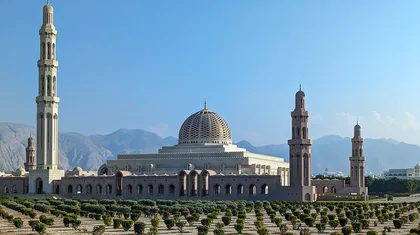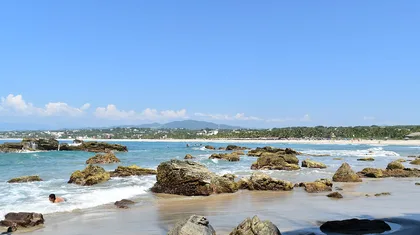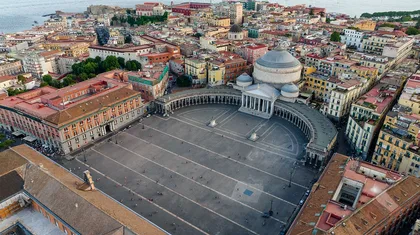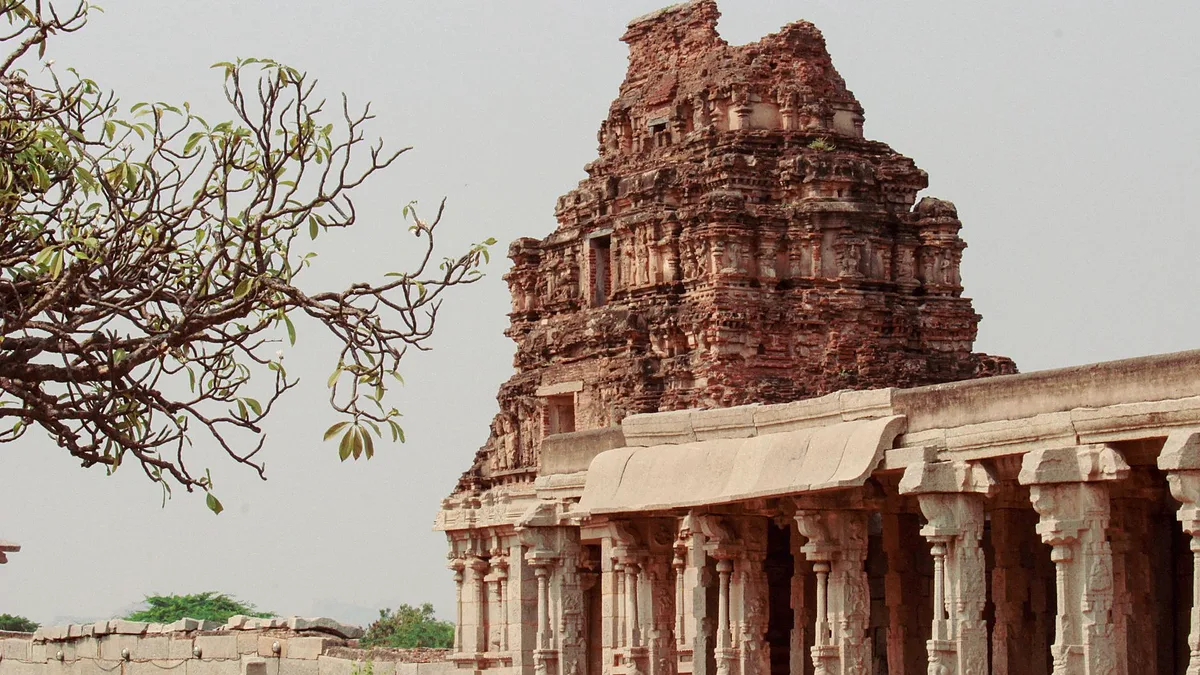

Here's the short version: Hampi is not Mykonos with cheaper hotels. It's a different trip that happens to hit the same nerve — hard sunlight on old stone, water you swim in, sunsets you plan your day around — for roughly a fifth of the money.
What you give up is the sea. There's no Aegean, no beach club sound system, no 10pm dinner reservation. What you gain is a UNESCO-listed boulder landscape studded with 14th-century temples, a riverside rhythm that hasn't been optimized for social media, and a daily spend that makes a two-week trip possible on a one-week Mykonos budget.
If your ideal day is a paid sunbed, a €22 cocktail and a table booked for 10pm, book Mykonos and don't overthink it. If your ideal day is sunrise on a granite hill, a $4 breakfast, a coracle ride and a nap in the shade, keep reading.
Unlimited High-Speed International Travel eSIM
Connect in seconds across 180+ destinations. Instant QR code activation with zero roaming surcharges.

Side-by-Side Comparison Scorecard
| Feature | Mykonos | Hampi |
|---|---|---|
| Average Daily Cost (Stay + Meals) | €280–550 (~$300–600) per person in July–August; €130–250 (~$140–270) in June and late September | ₹2,500–5,000 (~$30–60) per person for a comfortable day, guesthouse included |
| Atmosphere and Aesthetic | Whitewashed Cycladic lanes, curated glamour, beach clubs, a dress code nobody admits exists | Granite boulders, temple ruins, dusty river paths, no dress code at all |
| Crowd Density and Seasonality | Brutal in July–August with cruise surges; calm and lovely in May, June and October | Busy weekends November–February; genuinely quiet on weekday mornings; avoid April–May heat |
| Flight and Transit Accessibility | Direct seasonal flights into JMK from major European cities; 2h40–5h ferry from Athens | Fly to Hubballi (3.5h drive) or Bengaluru (6–7h drive, or overnight train to Hosapete) |
| Best For | Beach days, nightlife, celebrations, honeymoons with spa expectations | Slow travel, history, budget backpacking, photography, solo trips |
Scenery & Atmosphere: How Similar Are They Really?
The visual DNA is closer than you'd expect. Mykonos is white cubic houses stacked above a blue bay; Hampi is granite boulders stacked above the Tungabhadra River. Both reward slow walking, both look best in low light, and both make you stop every 50 meters to take a photo.
The difference is what the stone is doing. In Mykonos, the architecture is the attraction — the lanes of Chora, the windmills at Kato Mili, the little domed church of Paraportiani. In Hampi, the stone is a ruin: colonnades, bazaars, and the stone chariot at Vittala Temple, which is famous enough to appear on the ₹50 note.
Atmosphere splits after dark. Mykonos switches on — sunset at Little Venice, then bars, then a crowd that's still going at 2am. Hampi switches off. Most kitchens close by 10pm, the temple side of town is silent by 9, and the loudest thing you'll hear is a scooter.
The water is different in kind, too. Mykonos gives you swimming at Elia, Agios Sostis and Fokos. Hampi gives you a river you cross by coracle and a rock-edged lake at Sanapur. Refreshing, yes. A beach day, no.
The Wallet Test: Real Cost Breakdown
Mykonos pricing is seasonal and unforgiving. A clean double room in Chora in mid-July runs €300–500 (~$325–540) a night, and that is not a luxury property. In June or late September the same room drops to €140–250 (~$150–270).
Hampi's ceiling is most people's floor. A guesthouse double with a rooftop and a fan runs ₹700–1,500 (~$8–18). A polished boutique stay around Kamalapur or Anegundi with AC and a small pool runs ₹4,000–9,000 (~$48–108) — Mykonos hostel money for a private room.
| What you're buying | Mykonos | Hampi |
|---|---|---|
| Double room, high season | €300–500 (~$325–540) | ₹700–1,500 (~$8–18) |
| Sit-down lunch for two | €50–80 (~$54–87) | ₹500–900 (~$6–11) |
| Coffee | €4–6 (~$4.30–6.50) | ₹60–120 (~$0.70–1.45) |
| Beer or cocktail | €7 beer / €18–25 cocktail | ₹250–450 beer (~$3–5.50); almost no cocktail scene |
| Sunbed, boat trip or day activity | €40–300 (~$43–325) with minimum spends at the big clubs | Coracle ride ₹200–300 (~$2.40–3.60); scooter ₹300–500 a day |
| Main entry ticket | Delos €20 plus €20–30 for the boat | ASI combined monument ticket: ₹40 Indian / ₹600 foreign (~$7) |
Two things surprise first-timers. First, Mykonos still has cheap eats — a €5 gyros in Chora will feed you properly — but one beach club afternoon can cost more than three days in Hampi. Second, Hampi's ₹600 foreigner ticket sounds steep until you remember what a sunbed costs on Psarou.
The real gap is duration. ₹5,000 a day in Hampi buys a room with a view, three good meals, a scooter and two temples. The same money in Mykonos covers a shared hostel bunk and a supermarket dinner.
Crowds, Authenticity, and Tourist Footprint
Mykonos is a victim of its own success. In July and August, Chora's lanes fill to a shuffle, and on days when several cruise ships dock, thousands of day visitors pour in between 10am and 4pm. Many old-town houses are now short-term rentals, and the shops sell the same linen shirt at eight different prices.
Hampi has a tourism economy of its own, but it's smaller and spread thin. The UNESCO core around Hampi Bazaar and Vittala Temple fills between 9am and noon in peak season, then empties out. Cross the river to Anegundi and Virupapur Gaddi and the pace drops to rooftop cafes and bicycle bells.
Here's the honest part: Hampi is not undiscovered. Domestic weekend traffic from Bengaluru and Hyderabad is heavy, and the bazaar strip is scruffy — litter, persistent guides, touts working the parking lots. But you can still walk 20 minutes and be alone among ruins, which is close to impossible on Mykonos in August.
Both places push locals to the edges. Families were relocated out of Hampi's heritage zone years ago; in Mykonos, workers commute from neighboring islands because they can't afford rent. Traveling in shoulder season and staying in locally run guesthouses helps in both.
How to Experience the Best of Hampi
Where to stay
Three areas, three different trips. Hampi Bazaar, next to Virupaksha Temple, is the budget-and-walking option: simple rooms, temple bells at 6am, everything on foot. Kamalapur, 4 km east, is quieter and closer to Vittala Temple with more mid-range choices. Anegundi and Virupapur Gaddi across the river are where you go for boulder views and the feeling of being off the clock.
Book ahead for December and January. That's holiday and wedding season in India, and the good guesthouses fill with domestic travelers.
What to actually do
- Climb Matanga Hill for sunrise. A 20-minute scramble from Hampi Bazaar, done with a phone torch. This is Hampi's answer to a Mykonos sunset, just at 6am instead of 8pm.
- Vittala Temple at opening. Arrive at 6am when the light is soft and the buses haven't landed. The musical pillars are no longer open to tapping, for good reason.
- Coracle ride on the Tungabhadra. Round woven boats, ₹200–300 (~$2.40–3.60) per person for a short spin. Not glamorous, entirely memorable.
- Cycle the ruins loop. Rent a bicycle (₹150–250 a day) or scooter (₹300–500) and link Hampi Bazaar, Hemakuta Hill, the Queen's Bath, Lotus Mahal and the Elephant Stables in one morning.
- Sanapur Lake. Twenty minutes from Anegundi by scooter. Locals jump off the rocks; the water is deep and cold.
What to eat
Order a Hampi thali — rice, sambar, rasam, two vegetable curries, curd and papad on a banana leaf, ₹150–250 (~$1.80–3). Try jolada rotti, a jowar flatbread served with brinjal palya, a Karnataka staple that keeps you full for hours.
Breakfast is idli, dosa and filter coffee for under ₹120. The cafes on the Anegundi side do solid pancakes and Israeli plates for ₹250–400. Practical catch: most guesthouses and cafes are vegetarian and dry, and alcohol is limited to a handful of licensed spots.
Who Should Still Choose Mykonos?
Choose Mykonos if the sea is the point. Swimming off a rock platform into clear Aegean water, eating grilled octopus ten meters from the sand, and dancing past 2am are things Hampi cannot fake.
It's also the better call for a honeymoon with spa expectations, a group trip where nobody wants to rent scooters, or anyone traveling with people who need a five-star bed and a 15-minute airport transfer. Mykonos is expensive, but it is genuinely excellent at being Mykonos.
A fair compromise: do four nights in Mykonos in June or late September, then put the savings toward a week in Hampi later in the year. These two trips don't compete — they pair.
Frequently Asked Questions
Is Hampi really a good alternative to Mykonos?
For scenery, slow days and photography, yes — granite boulders and ancient temples deliver the same big-landscape feeling. For beaches, nightlife and fine dining, no. Treat it as a cultural swap, not a beach swap.
How much cheaper is Hampi than Mykonos?
Roughly 70–85% cheaper on the ground. A comfortable day in Hampi (room, three meals, scooter, one entry ticket) runs ₹3,000–5,000 (~$36–60). The equivalent in high-season Mykonos is €350–600 (~$380–650).
When is the best time to visit Hampi?
November to February for cool, dry weather. October and March are workable but hotter. Skip April and May, when temperatures hit 40°C (104°F) and the boulders hold the heat until dark.
How do you get to Hampi from the nearest airport?
Hubballi Airport (HBX) is about 165 km away, roughly 3.5 hours by road. Bengaluru (BLR) is about 350 km, or an overnight train to Hosapete Junction, 13 km from Hampi. Vidyanagar Airport near Toranagallu is closest at around 40 km but has limited, irregular service.