
The Quick Verdict
If you want whitewashed walls, turquoise water, a lagoon town with real espresso and beach clubs with a DJ at 4pm — but you don't want to hand over a mortgage payment to get it — Florianópolis is the swap that genuinely holds up. Brazil's Santa Catarina island has 42 beaches, an oyster culture that would make a Greek taverna owner nervous, and beach clubs charging a fraction of what Psarou charges for the same view of the sea.
Here's the honest trade. Mykonos still wins on polished architecture, hotel design and the sheer concentration of a perfect week: you can walk everything, dress up every night, and never touch a steering wheel. Florianópolis wins on everything you actually pay for — food, space, empty sand on the southern beaches, and the sensation of not being priced by your passport. The catch is logistics. You will need a car, and the island's main road can eat an hour of your afternoon in January.
Side-by-Side Comparison Scorecard
| Feature | Mykonos | Florianópolis |
|---|---|---|
| Average Daily Cost (Stay + Meals) | €400–750 / ~$430–810 for a mid-range room plus two restaurant meals | R$600–1,000 / ~$110–185 for a good pousada plus two meals, wine included |
| Atmosphere & Aesthetic | Cycladic whitewash, blue shutters, curated glamour, sunset windmills, Little Venice at golden hour | Azorean village bones mixed with Brazilian beach modernism: Atlantic rainforest, dunes, lagoons, low-rise designer condos in Jurerê. Less photogenic, much more lived-in. |
| Crowd Density & Seasonality | July–August: the island swells from roughly 10,000 residents to well over 100,000 visitors. Cruise crowds land 10am–5pm. November to March, most of Chora shuts. | Peak is January–February (Brazilian summer and Carnival). June–August is quiet, mild at 12–20°C, with empty beaches and a handful of reduced restaurant hours. |
| Flight & Transit Accessibility | Seasonal direct flights from major European hubs; 45 minutes from Athens by air, 2.5–5 hours by ferry. Very few taxis, limited buses, steep transfer prices. | Hercílio Luz (FLN) is 20–30 minutes from Centro and Lagoa. Direct flights from São Paulo (1h), Rio (1h40), Buenos Aires (2h). Buses exist but are slow; a rental car is close to essential. |
| Best For | A four-night design-led escape, nightlife, honeymoons, anyone who wants zero driving and maximum polish. | Two-week slow stays, surfers, families, remote workers, and travelers who'd rather spend on food than on a room. |
Scenery & Atmosphere: How Similar Are They Really?
Mykonos is a stage set, and I mean that as a compliment. Chora is a tight knot of whitewashed cubes, blue doors and bougainvillea spilling over alley walls wide enough for two people to pass sideways. Every corner is framed for a camera. Little Venice puts tables six feet from the water, and the Kato Mýli windmills give you the postcard shot at sunset with a few hundred other people taking it.
Unlimited High-Speed International Travel eSIM
Connect in seconds across 180+ destinations. Instant QR code activation with zero roaming surcharges.

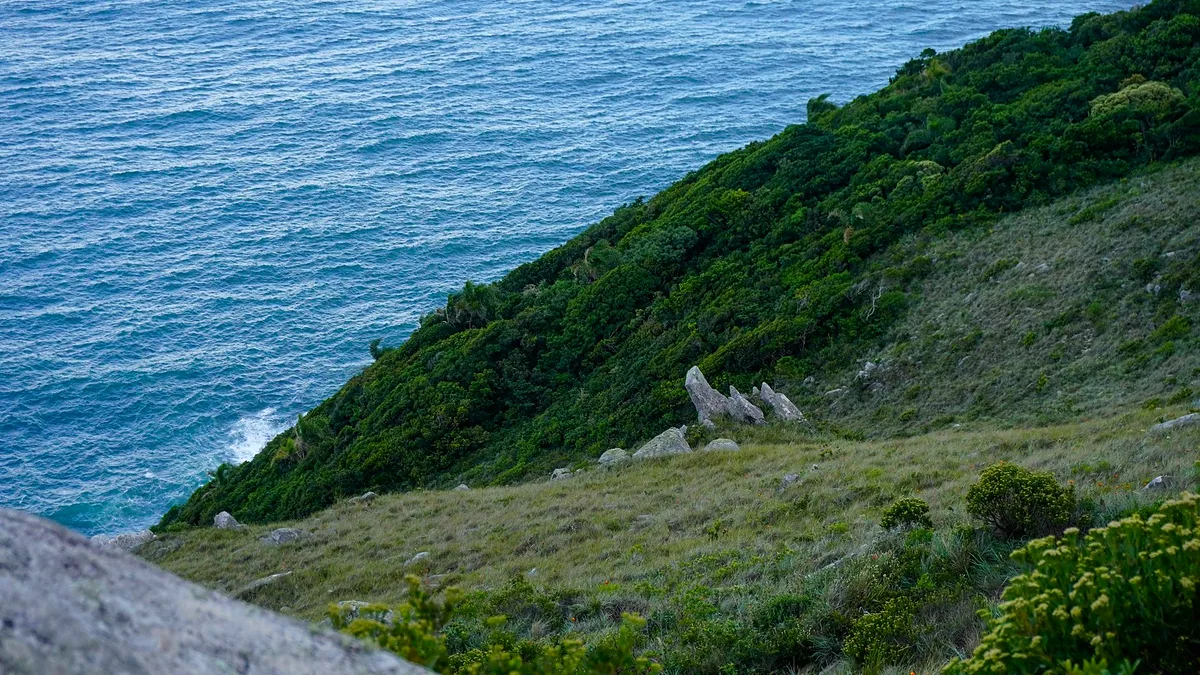
Florianópolis doesn't do that. It's an island roughly 54 km long, and its beauty is spread out and messier. The historic center has colonial Portuguese buildings from the 1700s and a public market worth an hour. Santo Antônio de Lisboa has stone streets and sunset views over the bay that rival anything in the Cyclades, minus the whitewash. The southern beaches — Campeche, Praia Mole, Galheta, Santinho — have dunes, thick Atlantic forest and water so clear you can see your feet in chest-deep.
The aesthetic you're actually swapping into is Brazilian beach modernism: glass, timber, low-rise condos, palm gardens, and beach clubs that look Danish rather than Greek. Jurerê Internacional is the closest thing to a Mykonos vibe, and it was literally designed that way in the 1990s by a developer who wanted a Brazilian answer to the French Riviera.
The scenery isn't the same postcard. It's a bigger, greener, emptier island — and on a good day at Praia Mole, you'll have more of it to yourself than you would ever get in Chora.
The Wallet Test: Real Cost Breakdown
Both destinations have a cheap lane and an expensive lane. The difference is where the ceiling sits.
What Mykonos Actually Costs
- Mid-range hotel in Chora, August: €400–550 per night (~$435–600). Same room in May or late September: €180–260.
- Beach club sunbed, Psarou or Paraga: €60–150 minimum spend per person. Front-row tables go far higher.
- Taverna dinner for two with house wine: €90–130 (~$98–142).
- Freddo espresso: €5–6. Cocktail at a sunset bar: €20–25.
- Airport transfer: €45–65. The local bus to town is about €2 but runs on island time.
- Delos day trip: €25–35 plus entrance.
What Florianópolis Actually Costs
- Pousada or small hotel in Lagoa da Conceição, January: R$550–900 per night (~$100–165). In June: R$280–450 (~$52–83).
- Beach club day use in Jurerê: R$80–200 minimum spend (~$15–37).
- Dinner for two with a bottle of Brazilian sparkling at Santo Antônio de Lisboa: R$200–320 (~$37–59).
- Prato executivo lunch: R$35–55 (~$6–10). Caipirinha: R$20–30 (~$4–6).
- Uber from FLN airport to Lagoa: R$70–100 (~$13–18). Rental car: R$120–220 per day (~$22–40).
- Schooner trip to Ilha do Campeche: R$120–180 (~$22–33). Dozen oysters at Ribeirão da Ilha: R$70–110 (~$13–20).
Run the math on a seven-night trip for two and the gap is brutal: Mykonos in high season lands around €6,000–8,000 all-in with flights excluded. Florianópolis, even in January with a rental car and one fancy dinner a day, usually comes in under R$14,000 (~$2,600).
Crowds, Authenticity, and Tourist Footprint
Mykonos is a resort economy and doesn't pretend otherwise. Year-round population sits around 10,000; in August the island hosts well over 100,000 visitors, and Chora at midnight is shoulder-to-shoulder from the taxi square to Little Venice. Cruise ships dump thousands of day-trippers between 10am and 5pm, which is exactly when you should be at a beach on the far side of the island.
The flip side: from November to March, Mykonos becomes a real Greek island again — cheap rooms, closed shutters, a handful of tavernas, and locals who finally have their town back. If you can handle 15°C and wind, that's the authentic version.
Florianópolis is a working city of around 500,000 people with a university, a fishing tradition and neighborhoods where Portuguese and the local maneozinho accent dominate. That means it never feels like a theme park. But its own peak is punishing: January and February turn the SC-401 highway into a slow-moving car park, and Jurerê and Canasvieiras get genuinely packed with Brazilian and Argentine holidaymakers.
Be honest with yourself about the downsides, too. Some beaches near the Lagoa da Conceição have had sewage and water-quality problems after heavy rain — check the state's daily bathing reports before swimming. Petty theft happens in Centro at night. And outside the main season, a fair number of restaurants close two days a week.
How to Experience the Best of Florianópolis
Where to Stay
Base yourself in Lagoa da Conceição if you want walkable restaurants, bakeries and nightlife without driving every evening — it's the closest thing to Chora in spirit. Choose Jurerê Internacional for the polished, quiet-luxury version: gated streets, design apartments, beach clubs, and a distinctly monied calm. Campeche suits longer stays and surfers, while Santo Antônio de Lisboa is for sunsets and seafood at a slower pace.
What to Do
Spend a morning at Praia Mole, then walk the trail over to Galheta, a clothing-optional beach with no buildings and no vendors. Book the schooner to Ilha do Campeche for the clearest water on the island — go early, permits are capped. Take a beginner surf lesson at Barra da Lagoa, paddle a stand-up board across the Lagoa at sunset, and drive south to Pântano do Sul for a grilled fish lunch that costs less than a Mykonos cocktail round.
What to Order
Start with ostras — fresh oysters from Ribeirão da Ilha, served with lime and a dash of hot sauce. If you're visiting between May and July, order tainha na brasa, the grilled mullet that anchors the island's winter food calendar and comes with pirão and farofa. Also get sequência de camarão (a nonstop parade of shrimp plates), bolinho de berbigão at the Mercado Público, and a pastel de camarão eaten standing up.
Who Should Still Choose Mykonos?
Pay the Mykonos premium if your trip is short. Four nights, a carry-on, walking distance to dinner, a hotel with a pool carved into a cliff — Florianópolis can't compete with that density of polish, and a two-hour drive between beach and bed will annoy you.
Choose Mykonos if design hotels are the point, if you want Delos and a guaranteed dry, sunny July, if you're honeymooning, or if you want a proven LGBTQ+ nightlife scene with decades of infrastructure behind it. Choose it too if nobody in your group wants to drive on foreign roads, or if a destination with a lower crime profile matters more to you than value.
Skip it if you're traveling in August on a mid-range budget, if crowds drain you, or if you've already done the Cyclades once. In those cases the swap isn't a compromise — it's an upgrade.
Frequently Asked Questions
Is Florianópolis really cheaper than Mykonos?
Yes, by a wide margin — typically 55–70% less on accommodation and food. A good pousada night in Lagoa costs roughly $100–165 in peak season, versus $435–600 for a comparable Mykonos room in August. Restaurant meals and drinks run about a third of Greek island prices.
Is Florianópolis warm enough in winter?
June to August is mild, not hot: air temperatures sit around 12–20°C and the sea drops to 17–19°C. It's beach-walking weather rather than swimming weather, but prices fall by up to half, the trails are empty, and it's prime tainha season. Come in November or March for warm water with fewer people.
Do I need a car in Florianópolis?
Strongly recommended. Uber works well around Lagoa, Centro and Jurerê, but rides get scarce late at night near Praia Mole and in the south of the island. A rental car costs about R$120–220 per day (~$22–40) and saves you hours.
Does Florianópolis have Mykonos-level nightlife?
No, and it doesn't try to. Expect beach-club day parties in Jurerê, lively bars around the Lagoa, and a strong electronic scene in summer. It's cheaper and more Brazilian, with sunrise sets instead of €25 cocktails — different energy, same late nights.