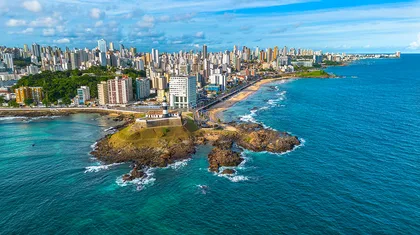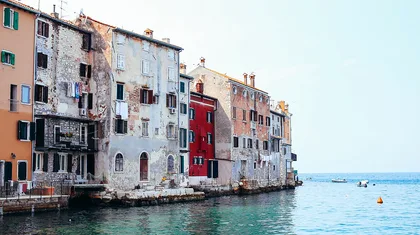

Here's the honest version first: Choquequirao is not a Bali substitute for anyone who wants a beach, a pool, or a spa morning. It's a remote Inca site in the Apurímac canyon of southern Peru, and the only way in is a steep two-day hike. No hotels, no restaurants, no phone signal for most of the route.
But if the part of Bali you actually wanted was the old stone, the temple courtyards, the terraced hillsides, and the cheap food, Choquequirao delivers that half of the trip at roughly a third of the price, with about fifty other people around you instead of six million. You trade comfort and ease for history and silence. Whether that's a good trade depends entirely on your knees.
The Quick Verdict
Choquequirao wins on historical value per dollar by a wide margin. Entry costs about S/60 (~$16 USD) versus a full day of Bali temple tickets, scooter rental, and ₤10 coffees. You also get something Bali can no longer sell at any price: the feeling of standing in a stone plaza with nobody else in it.
Unlimited High-Speed International Travel eSIM
Connect in seconds across 180+ destinations. Instant QR code activation with zero roaming surcharges.

What you sacrifice is everything soft. Bali has 4-star villas for $90, a dozen beaches within an hour, and a smooth airport-to-hotel pipeline. Choquequirao has a tent, a mule, and 1,500 meters of climbing in each direction. This is a swap for hikers and history obsessives, not for a honeymoon.
Side-by-Side Comparison Scorecard
| Feature | Bali | Choquequirao |
|---|---|---|
| Average Daily Cost (Stay + Meals) | $45–90 for a mid-range guesthouse and warung meals | $15–25 self-supported on the trail; $55–75/day all-in on a guided trek |
| Atmosphere & Aesthetic | Carved temple gates, wet rice terraces, beach clubs, scooters, constant traffic hum | Dry cloud forest, cactus slopes, white granite terraces, condors, near-total quiet |
| Crowd Density & Seasonality | Roughly 6 million foreign arrivals a year; July–August and late December are packed | Around 5,000–10,000 visitors a year total; dry season May–September |
| Flight & Transit Accessibility | Direct international flights to Denpasar (DPS) from 20+ cities | Fly to Lima, connect to Cusco, 4-hour bus to Cachora, then two days of walking |
| Best For | Beaches, cafés, surf, remote work, first-time Asia travelers, families | Fit hikers, Inca archaeology, solitude, tight budgets |
Scenery & Atmosphere: How Similar Are They Really?
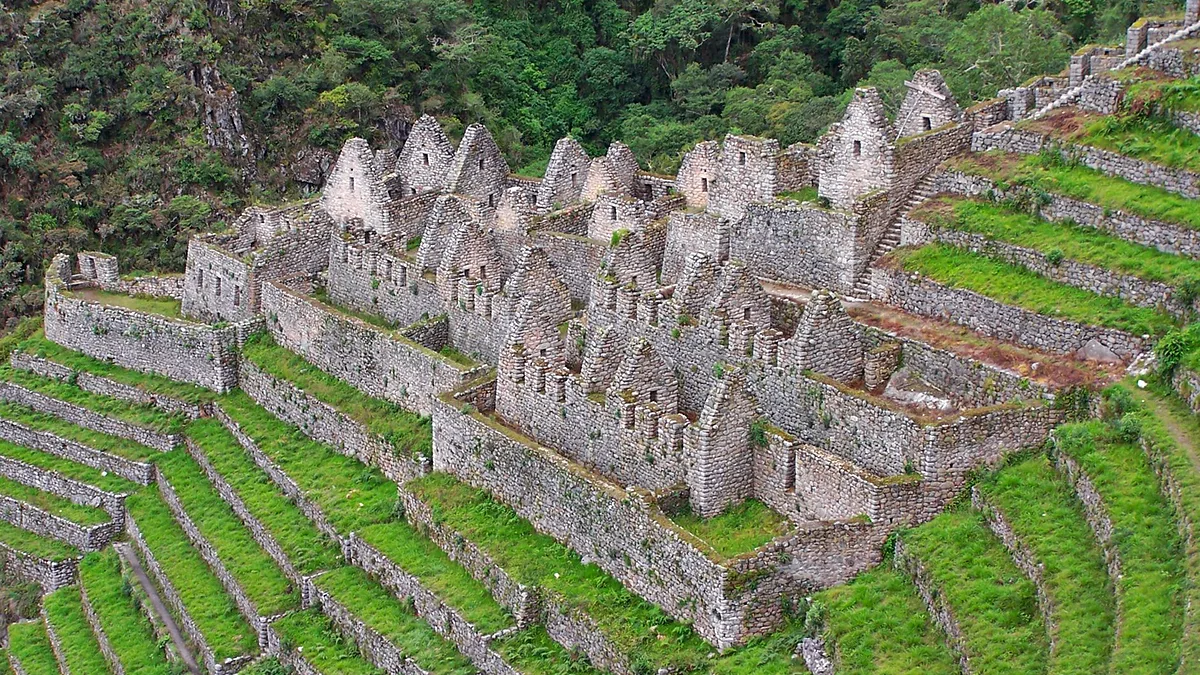
Both places are defined by terraces, and that's where the resemblance mostly ends. Bali's rice terraces at Jatiluwih are wet, emerald, and sculpted by centuries of cooperative farming. Choquequirao's terraces are dry stone and high-altitude, cut into a ridge at 3,050 meters with the Apurímac River roaring 1,500 meters below.
Bali's architecture is devotional and active. You'll see offerings on the pavement, processions on the road, and temples like Tirta Empul still functioning as bathing sites. Choquequirao is archaeology — roughly 30 to 40 percent excavated — so much of what you walk past is rubble, brush, and half-revealed walls.
Street life is the biggest gap. Bali hands you warungs, scooters, and a constant low-level hum of commerce. Choquequirao hands you mule trains, Quechua-speaking arrieros, and a campsite at Marampata where the loudest thing at 5 a.m. is a rooster.
The Wallet Test: Real Cost Breakdown
Bali looks cheap until you add up the small stuff. A guesthouse in Ubud runs $35–70 a night; a flashpacker villa in Canggu is $90–150. Nasi campur at a warung costs 35,000–50,000 IDR ($2.20–3.10 USD), but a sit-down dinner with a drink lands at 150,000–250,000 IDR ($9–16 USD).
Add the fixed costs: visa on arrival at 500,000 IDR (~$31 USD), the Bali tourist levy of 150,000 IDR (~$9.50 USD), a scooter at 70,000–100,000 IDR a day, and temple entries. Tirta Empul is 50,000 IDR and Uluwatu is 50,000 IDR. A comfortable five days in Bali runs $500–900 before flights, and flights from the US start around $900–1,400.
Choquequirao inverts the math. The bus from Cusco to Cachora is S/30–50 ($8–13 USD), site entry is about S/60 (~$16 USD), and food in Cachora runs S/15–25 per meal. A mule and arriero cost S/80–120 per day, and a licensed guide is S/250–400 per day if you split him across a group.
Most people book a four-day organized trek from Cusco for S/1,000–1,600 ($270–430 USD), covering transport, food, tents, and a cook. Do it independently and you can shave that to under $150 in-country. Flights to Lima are often $400–700, and Lima–Cusco adds $70–140.
Real total for five days at Choquequirao, including Cusco hostels and transit: $350–600 from the US. That's Bali money, but it buys a genuine expedition instead of a beach club pass.
Crowds, Authenticity, and Tourist Footprint
Bali's south is genuinely saturated. Kuta and Seminyak are traffic-choked, Ubud's center is a one-way crawl, and the Instagram queue at the Gate of Heaven in Karangasem has become its own attraction. That doesn't mean Bali is ruined, but it does mean you have to work for quiet — Sidemen, Amed, Munduk, and West Bali National Park still deliver it.
Choquequirao has the opposite problem: it's so obscure that infrastructure is thin. On a peak August day, 30 to 50 people pass through the ruins. On a random Tuesday in May, you may have the Llama Terraces entirely to yourself, which is a thing no amount of money buys in Bali.
Two honest caveats. First, Choquequirao is not a living village; the culture you'll remember is in Cachora and Curahuasi, not on the stone. Second, the trail is not undiscovered — it's been marketed as "the next Machu Picchu" for a decade, and litter plus mule droppings are real features of the walk.
How to Experience the Best of Choquequirao
Where to base yourself
Spend two nights in Cusco's San Blas neighborhood first — at 3,400 meters, it's the right place to acclimatize, and hostels run S/40–70 ($11–19 USD). Then move down to Cachora (2,800 m), where simple guesthouses cost S/50–90 and the bus drops you at the plaza.
Curahuasi, an hour further down the valley, is warmer, cheaper, and the center of Peru's anise industry. It's a smarter base if you're arriving from Abancay rather than Cusco.
The activities that rival Bali's temples
- The Llama Terraces (Sector de las Llamas): Twenty-four white stone llamas set into a hillside, only fully documented in the 2000s. Climb early; the sun hits hard by 10 a.m.
- The Usnu plaza: A ceremonial platform with water channels and a view down the whole canyon. This is the photo that beats any Bali temple gate, and there's no queue.
- Sunrise at Marampata: The last campsite before the ruins. Wake at 4:30 a.m. and you'll have the site to yourself for an hour.
- The Saywite monolith: A carved stone map two hours by road from Cachora, covered in tiny carved terraces, animals, and channels.
- Anís de Curahuasi: Small distilleries in town sell the anise liqueur for around S/25 ($6 USD) a bottle. Ask at the hotel — there's no visitor center.
What to eat
Order chiri uchu, Cusco's cold festival dish of guinea pig, chicken, corn, and rocoto. Trucha frita — river trout — shows up on every menu near the Apurímac, and choclo con queso (giant corn with cheese) costs about S/8 ($2 USD). Drink chicha de jora from a red-flagged doorway; it's S/3–5 a glass and far more interesting than a Bali smoothie bowl.
Who Should Still Choose Bali?
Choose Bali if you want water, comfort, or ease. Surfers, divers, remote workers, families with small kids, anyone with knee or altitude issues, and travelers who want a spa at 7 p.m. after a temple morning should book Bali and not look back.
Bali also wins on living religion. Its Hindu-Balinese ceremonies are active, daily, and woven into ordinary life, while Choquequirao's spirituality is archaeological and interpretive. And if you're traveling in December or January, Bali's rainy season is manageable while Choquequirao's is genuinely dangerous — landslides and river crossings close the route.
One more fair point: Bali's food scene is broader by an order of magnitude. Twenty world cuisines and a hundred warungs sit within a 20-minute scooter ride, and that variety has real daily value.
Frequently Asked Questions
Is Choquequirao actually cheaper than Bali?
Yes on the ground, sometimes no on the flights. Once you're in Peru, five days at Choquequirao costs roughly $200–430 including a guided trek, versus $500–900 in Bali. But from North America, Choquequirao requires two flights plus a bus, and from Europe or Australia, Bali's direct routes often close the gap.
Can you hike Choquequirao without a guide?
Yes, and plenty of people do. The route from Cachora to Marampata is well defined, but bring cash (no ATMs in Cachora), a water filter, and a map download. Go with a guide if you're solo, unsure of the altitude, or hiking in the shoulder season.
How hard is the Choquequirao trek compared to Bali's hikes?
Much harder. Mount Batur is a two-hour pre-dawn walk; Choquequirao is four days with around 1,500 meters of descent and climb in each direction, plus 3,050-meter altitude at the site. Train for hills and arrive fully acclimatized to Cusco first.
Is Choquequirao a good replacement for Bali if I want history?
For history specifically, it's better value than Bali's temples, and it's often compared to Machu Picchu. Entry is cheaper, crowds are a fraction, and the ruins are more mysterious because so much is unrestored. Just budget the four days — it isn't a day trip from anywhere.