
The Quick Verdict
Bordeaux is the closest thing Europe offers to Iceland's moody waterfront mood at a discount. You get the same slate-grey light on pale stone, a centre built around a wide river, and slow evenings over a glass of something local — except the glass costs €5 instead of $14 and your hotel room does not have a shared bathroom down the hall.
What you give up is the geology. There are no lava fields, no steaming valleys, no midnight sun in June. In exchange you get an 18th-century waterfront, the largest reflecting pool on earth, wine country 45 minutes away by train, and the Atlantic coast an hour beyond that. If your Iceland plan was really about atmosphere, walkability and good photos rather than glaciers, this swap saves roughly €120 (~$130) per person per day without hurting the vibe.
Side-by-Side Comparison Scorecard
| Feature | Iceland | Bordeaux |
|---|---|---|
| Average Daily Cost (Stay + Meals) | €250–320 (~$270–350) per person; mid-range rooms start near €180 | €140–180 (~$150–195) per person; mid-range doubles from €110 |
| Atmosphere & Aesthetic | Basalt, moss, black sand, weather that flips every 20 minutes | Honey limestone, river light, symmetrical 18th-century façades |
| Crowd Density & Seasonality | Peaks July–August; over two million visitors a year against 390,000 residents | Year-round city crowds; avoid mid-August heat and the cruise-ship peak |
| Flight & Transit Accessibility | 4–6 hours from the US East Coast; Keflavík is 50 minutes from town via Flybus (ISK 3,999) | 2h10 on the TGV from Paris; airport is 30 minutes from the centre on tram A (€1.80) |
| Best For | Geology, northern lights, big empty landscapes | Food, wine, walking, city breaks on a real budget |
Scenery & Atmosphere: How Similar Are They Really?
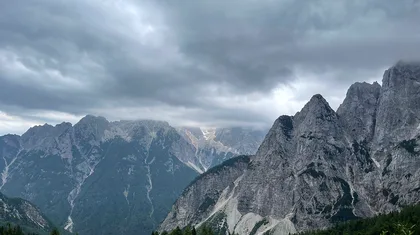
Iceland's beauty is wild and empty. Reykjavík sits beneath Hallgrímskirkja, a church carved to look like basalt columns, and the harbour in front of it is grey water, cranes and trawlers. Drive forty minutes out and you are standing on moss-covered lava with nothing else in the frame.
Unlimited High-Speed International Travel eSIM
Connect in seconds across 180+ destinations. Instant QR code activation with zero roaming surcharges.

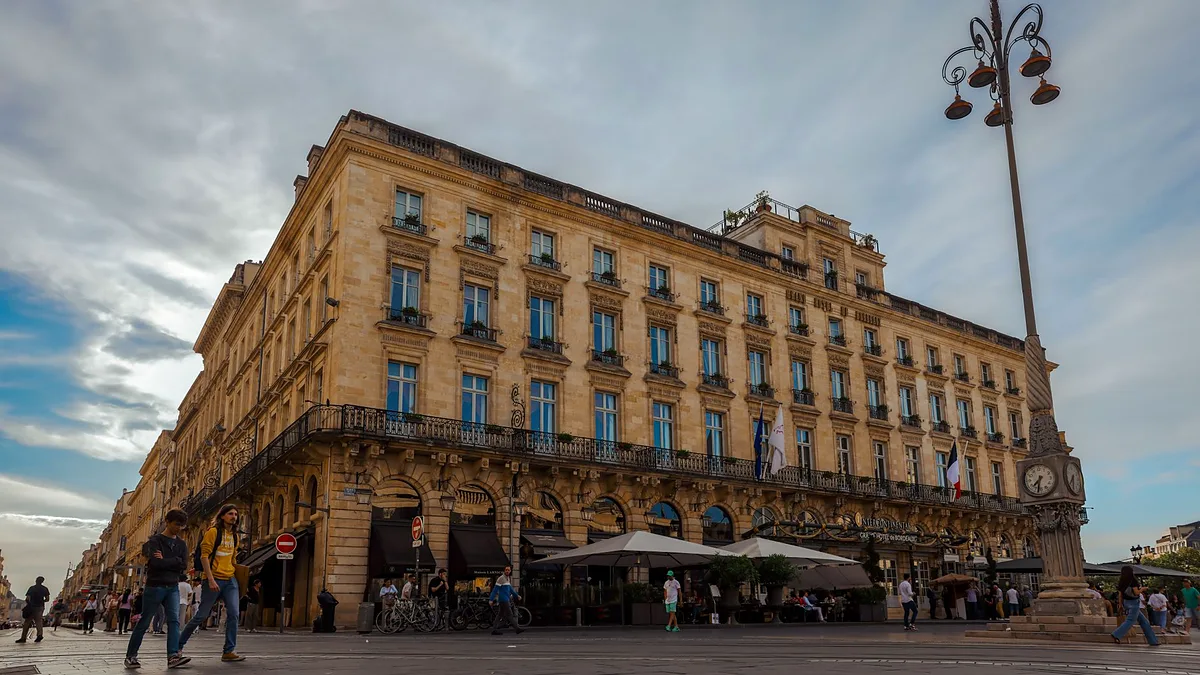
Bordeaux's beauty is built and human-scaled. The limestone along the Garonne has been cleaned since the 1990s, so the whole riverside glows at 7pm in a way that photographs suspiciously well. Place de la Bourse is the postcard: a long, symmetrical façade reflected in the Miroir d'Eau, 3,450 square metres of shallow water over granite that cycles between mirror and mist every 15 minutes.
The Pont de Pierre does the rest. Napoleon ordered it in 1819 and it still carries trams across 17 arches. Iceland's water is dramatic and slightly dangerous; Bordeaux's is calm, navigable, and lined with joggers, cyclists and people carrying baguettes.
Where the comparison breaks down is scale and silence. Iceland hands you emptiness. Bordeaux hands you a city of 260,000 people where every view has a café in it. If you need the silence, no French city will fake it for you.
The Wallet Test: Real Cost Breakdown
Numbers beat adjectives here. This is what a normal day costs per person in each place, in local currency and rough USD at the time of writing.
- Bed: A good double in Bordeaux's Saint-Pierre or Chartrons runs €110–160 (~$120–175) a night. A comparable Reykjavík guesthouse room runs ISK 26,000–38,000 (~$190–275).
- Lunch: Bordeaux's menu du jour — two or three courses, sometimes with wine — is €16–20 (~$17–22). In Iceland a bowl of soup with bread is ISK 2,400–3,200 (~$17–23).
- Dinner: Two courses with a glass of wine in Bordeaux costs €25–35 (~$27–38). A main course in Reykjavík is ISK 4,000–5,500 (~$29–40) before you order a drink.
- Drinks: A glass of red in a Bordeaux bar is €5–7. A pint in Reykjavík is ISK 1,500–1,900 (~$11–14).
- Coffee: €2.50–3.50 in Bordeaux; ISK 550–700 (~$4–5) in Reykjavík.
- Getting around: Bordeaux's tram is €1.80 a ride or €5.40 for a day pass, and you rarely need a car. Iceland without a rental is hard work — budget ISK 12,000–20,000 (~$85–145) a day plus gravel and ash insurance.
- Excursions: Cité du Vin €22 (~$24), Bassins des Lumières €15–16, a return train to Saint-Émilion around €12, the Dune du Pilat by train and bus about €20. Iceland's Blue Lagoon starts at ISK 9,990 (~$72) and a Golden Circle coach tour at roughly ISK 12,000 (~$87).
Add it up and Bordeaux lands near €140–180 (~$150–195) per person per day; Iceland nearer €250–320 (~$270–350). Over five days that is a gap of €550–700 — a second holiday, basically.
Bordeaux's free list is unusually strong, too: the Miroir d'Eau, the riverside quays, the Jardin Public, the Darwin skate park and the Friday market at Capucins cost nothing to wander. In Iceland, almost every memorable stop has a car park, a fee or a tour attached.
Crowds, Authenticity, and Tourist Footprint
Iceland has roughly 390,000 residents and welcomes more than two million visitors a year, most of them between June and August. The imbalance shows: Reykjavík's better restaurants book out weeks ahead in July, the Blue Lagoon sells timed slots, and the south coast's main waterfalls turn into coach parks by 11am.
Bordeaux gets its own crowds but absorbs them better. The city has been a UNESCO site since 2007 with more than 350 listed buildings, and cruise ships dock on the Garonne all summer. Rue Sainte-Catherine — at 1.2 km, the longest pedestrian shopping street in Europe — is genuinely unpleasant on a Saturday afternoon.
The honest downsides: August can hit 38–40°C, and plenty of independent bakeries and restaurants close for two or three weeks mid-month. Many shops shut on Sundays. The Miroir d'Eau at 9pm in July is shoulder to shoulder, and the blocks around Gare Saint-Jean are not somewhere to wander at 1am.
Off-season, though, Bordeaux is quietly excellent. Locals actually shop, students fill the cafés, and you can cross the Pont de Pierre at sunset with room to spare. That is the version of the city worth booking.
How to Experience the Best of Bordeaux
Where to Stay
Saint-Pierre is the postcard district — narrow lanes, wine bars, €130–180 for a good double. Chartrons, north along the river, is calmer and slightly cheaper at €110–150, with antique shops and a Sunday market. Saint-Michel is the budget pick at €90–130 and has the best North African food in the city.
Bassins à Flot suits anyone who wants modern buildings, water views and a ten-minute walk to Cité du Vin. Skip hotels directly on Rue Sainte-Catherine unless you enjoy tram bells at 6am.
Signature Activities
- Sunset at the Miroir d'Eau, then dinner in Saint-Pierre — this is your Iceland-style waterfront photo, minus the wind.
- Cité du Vin (€22), a 20-minute tram ride from the centre, with a glass of wine included on the rooftop.
- Bassins des Lumières (€15–16), a World War II submarine base turned digital art venue. Book a late slot.
- Saint-Émilion by TER, around 45 minutes and €12 return. Climb the monolithic church bell tower.
- Dune du Pilat, Europe's tallest sand dune at about 110 metres — train to Arcachon, then bus 1, roughly 90 minutes door to door.
- Darwin Écosystème on the right bank: skate park, organic canteen, bike workshops, river terrace.
What to Order
Start with cannelés — small caramelised rum cakes, €1.50–2 each — and oysters from Arcachon Bay with a glass of Entre-Deux-Mers. Entrecôte bordelaise arrives with bone marrow and shallots. At Marché des Capucins you can eat oysters and white wine standing up for under €15.
Skip any restaurant offering a three-course tourist menu above €30 near the Miroir d'Eau. Walk four streets inland and the cooking improves as the price drops.
Who Should Still Choose Iceland?
If you want the northern lights, book Iceland. September to March, away from Reykjavík's glow, nothing in France comes close. The same goes for the midnight sun, glaciers you can actually walk on, the Laugavegur trail, and the strange thrill of standing in a geothermal valley with steam rising out of the ground.
Iceland also wins for families with volcano-obsessed kids, for anyone who wants a three-night stopover from the US East Coast, and for travellers who would rather drive empty roads than ride trams.
Choose Iceland when the trip is landscape first, city second. Choose Bordeaux when you want to eat well, walk everywhere, drink better wine for a third of the price, and still come home with moody waterfront photographs.
Frequently Asked Questions
Is Bordeaux actually cheaper than Iceland?
Yes, by a wide margin. Expect roughly €140–180 (~$150–195) per person per day in Bordeaux against €250–320 (~$270–350) in Iceland once you add a rental car, fuel and excursions.
Can Bordeaux replace an Iceland trip?
For atmosphere, waterfront scenery and city time, yes. For glaciers, lava fields, hot springs and the northern lights, no. Those need Iceland.
When is the best time to visit Bordeaux instead of Iceland?
May, June, September and early October. You get 20–26°C days, harvest activity in the vineyards and thinner crowds. Avoid mid-August if you dislike heat and closed restaurants.
How many days do you need in Bordeaux?
Three full days covers the city comfortably. Add two more for Saint-Émilion and the Dune du Pilat. The equivalent Iceland loop needs at least seven days by comparison.