
Here is the thing nobody tells you before you start comparing these two: the price tags run in the opposite direction of the rumor. Bora Bora is not a budget stand-in for Tulum. It is the more expensive trip by a wide margin, often two to four times the daily spend. If you came looking for a cheaper version of Tulum with the same palm-thatch glow, the swap goes the wrong way.
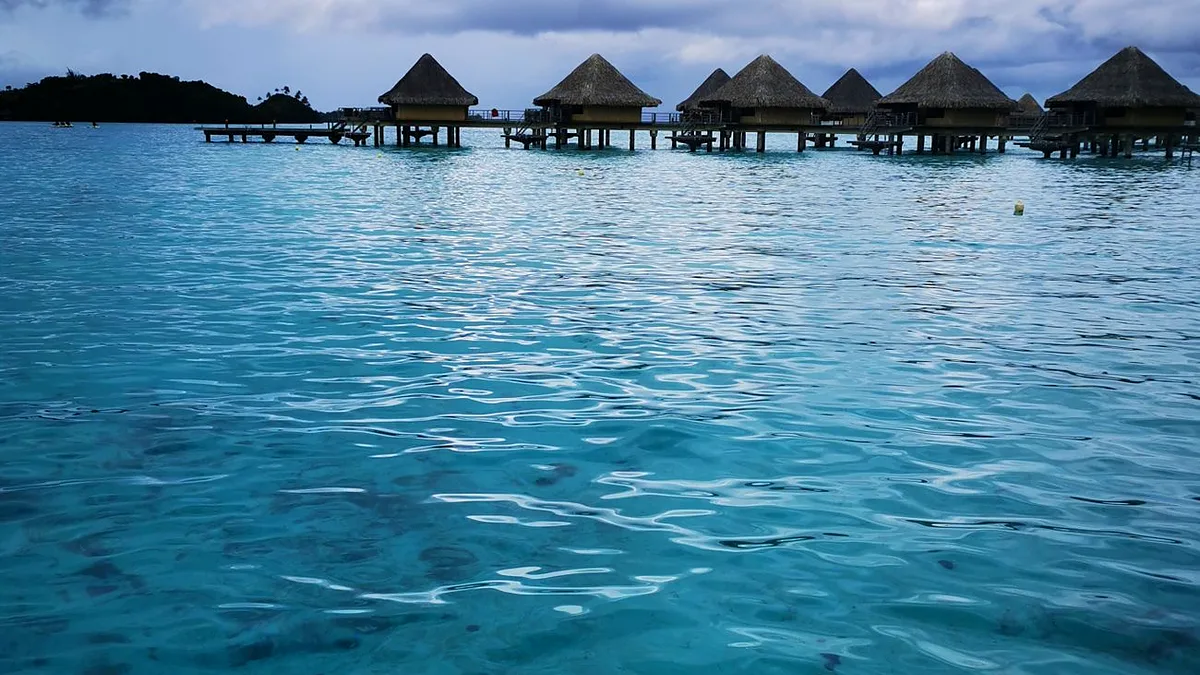
What Bora Bora genuinely duplicates is the visual language. Open-air thatch pavilions, rooms that open straight onto water, timber decks, no glass between you and the lagoon. Tulum does it with jungle and limestone. Bora Bora does it with a volcano and a lagoon the color of a swimming pool. The vibe rhymes. The invoice does not.
Quick verdict: pick Bora Bora if you want the waking-up-over-water shot with silence, cleaner water, and zero seaweed. Pick Tulum if you want ruins, mezcal, a real restaurant scene, and a bill you can defend. Anyone whose only reason for switching is cost should stay in Mexico — the numbers below explain why.
Unlimited High-Speed International Travel eSIM
Connect in seconds across 180+ destinations. Instant QR code activation with zero roaming surcharges.

Side-by-Side Comparison Scorecard
| Feature | Tulum | Bora Bora |
|---|---|---|
| Average Daily Cost (Stay + Meals) | $150–$250 mid-range; $60–$90 on a tight budget | $400–$700 mid-range (pension plus food trucks); $1,200+ at resorts |
| Atmosphere & Aesthetic | Jungle boho, Maya ruins, dirt roads, palapa roofs, beach clubs | Polynesian thatch, overwater bungalows, basalt peak, glassy lagoon |
| Crowd Density & Seasonality | Heavy Dec–Apr and Jul–Aug; sargassum risk May–Oct | Low density; peak May–Oct dry season, wet and cheaper Nov–Apr |
| Flight & Transit Accessibility | Fly to Cancún, then a 2-hour ADO bus or Tren Maya ride | Fly to Tahiti (PPT), then a 50-minute flight to BOB, then a boat |
| Best For | Food, ruins, cenotes, nightlife, tighter budgets | Honeymoons, silence, water clarity, slow mornings |
Scenery & Atmosphere: How Similar Are They Really?
Both places sell the same promise: a room with three walls and one open side facing water, a roof of dried palm, and breakfast under a fan instead of air conditioning. That DNA is genuinely shared. In Tulum it shows up as palapa roofs, raw concrete, macramé, and jungle creeping over every wall. In Bora Bora it is the Polynesian fare — a thatched, open-sided pavilion with no windows at all — plus bungalows on stilts above turquoise.
The difference is what frames the building. Tulum is jungle-first: you walk a dusty road, turn a corner, and the Caribbean appears behind a wall of palms, with Maya cliff-top ruins anchoring the whole town. Bora Bora is lagoon-first, and almost every view is composed around Mount Otemanu, the 727-meter basalt peak in the middle of the island.
Tulum wins on street life. There are tacos at 10 p.m., mezcal bars, bicycles on a dirt road, and a town center that hums. Bora Bora is quiet — genuinely quiet. Vaitape, the main village, has one road, a handful of shops, and a ferry dock. Nightlife means dinner and a Hinano before 10 p.m.
On history the comparison is closer than people expect. Tulum has its ruins; Bora Bora has marae, ancient stone temple platforms, plus WWII relics around Faanui Bay from the 1942 American fuel depot. Both islands were shaped by forces much bigger than tourism.
The Wallet Test: Real Cost Breakdown
This is where the story flips. A good boutique room in Tulum's Aldea Zama or town center runs $150–$400 a night; the beach hotel zone pushes past $500 in high season. Bora Bora's entry point is a family-run pension at $150–$280, and the famous overwater bungalow starts around $900 and tops $2,000 at the Four Seasons or St. Regis.
| Cost Item | Tulum | Bora Bora |
|---|---|---|
| Guesthouse or pension, per night | $45–$90 | $150–$280 |
| Boutique or beachfront hotel | $150–$400 | $900–$2,000+ (overwater) |
| Casual lunch | $10–$18 | $14–$22 (roulotte or snack) |
| Dinner for two with drinks | $70–$140 | $180–$300 at a resort |
| Local beer | $3–$5 | $3 at the store, $11 at a resort bar |
| Signature excursion | $11–$20 cenote; $100+ Sian Ka'an | $110–$165 lagoon tour; $45 Lagoonarium |
| Getting there from the gateway airport | $15–$25 bus; ~$30 Tren Maya | $180–$275 each way, PPT to BOB |
Food tells the same story. A taco dinner with agua fresca in Tulum runs $10–$14. In Bora Bora, the roulottes — food trucks parked by the Vaitape ferry quay — are the great equalizer at $14–$22 a plate, but a resort dinner for two with wine lands near $200. Groceries from Super U or Chin Lee in Vaitape can cut a week of food spending in half.
One line item nobody budgets: the domestic flight. Reaching Bora Bora from Tahiti's Faa'a airport costs roughly $180–$275 each way on top of your transpacific fare. Factor it in before you compare hotel rates.
Crowds, Authenticity, and Tourist Footprint
Tulum is crowded and has been for years. The beach strip is a wall of clubs with minimum spends of $55–$110 per person, and the access road is one long line of scooters and taxis. The town center still has real life — locals at taquerias, school kids, a working market — but the beach zone is a resort corridor now.
Bora Bora handles far fewer visitors. French Polynesia as a whole welcomed roughly 260,000 arrivals in 2023, and Bora Bora takes only a slice of that, against the millions passing through the Riviera Maya each year. You will not queue for a beach, and Matira Beach — the island's one true public postcard beach — is free and rarely packed.
Do not mistake low density for untouched, though. Tourism is the economy, and the resorts hold most of the motus. Authenticity here lives in the villages — Faanui, Anau, Vaitape — where families fish, fill the church on Sunday, and run small pensions.
Honest downside for Tulum: sargassum. From roughly May to October, seaweed can choke the beach and smell. Bora Bora has no such problem, and its lagoon stays clear year-round, which is a large part of what you are paying for.
How to Experience the Best of Bora Bora
Where to Stay
Matira Point is the best base for independent travelers: walkable beach, a few guesthouses and snack shops, and the warmest water on the island. Vaitape is the practical choice, with the ferry dock, grocery stores, roulottes, and the cheapest rooms. If you want the overwater photograph, book a motu resort for two nights instead of seven and put the savings into excursions.
Skip: paying resort rates for a room you only sleep in. A $200 pension plus a $150 lagoon tour beats a $900 bungalow with no activity budget left.
What to Do
- Lagoon tour with rays and reef sharks — $110–$165 for a half or full day, usually including the Coral Gardens snorkel site.
- Mount Pahia hike — steep and muddy, best with a local guide, and the payoff over the lagoon is enormous.
- Marae and WWII relics around Faanui Bay — the historical answer to Tulum's ruins, and almost nobody visits.
- Cycle the ring road — about 32 km, rentals near $14 a day, flat in stretches.
- Lagoonarium on Motu Piti Aau — roughly $45 for turtles and rays in a natural enclosure.
What to Eat
Order poisson cru — raw tuna cured in lime and coconut milk — at least three times. It is the national dish and usually the best value on any menu. Chevreuse is a grilled fish sandwich in a baguette built for lunch on the move, and ma'a tinito (pork, taro, and beans) turns up at family tables and Sunday takeaways. Finish with firi firi, a coconut doughnut, and a cold Hinano.
Bloody Mary's is the famous name, but it now carries a tourist markup. The roulottes in Vaitape feed you better for a third of the price.
Who Should Still Choose Tulum?
Choose Tulum if food is a main reason you travel. The range — Yucatecan, Italian, Japanese, vegan, natural wine — does not exist on Bora Bora, where resort dining dominates and menus repeat. Choose Tulum if you want ruins, cenotes, and day trips to Cobá or Valladolid within a couple of hours.
Choose Tulum if your budget is under $300 a day for two people, or if you want energy: bars, live music, people your own age, a town that stays up late. Bora Bora is built for early nights.
Bora Bora earns the extra spend when the trip is the reward itself — a honeymoon, an anniversary, a once-a-decade splurge — and when silence and water clarity matter more than restaurant choice. Pick Tulum for a full week of variety. Pick Bora Bora for four days that feel like a reset.
Frequently Asked Questions
Is Bora Bora cheaper than Tulum?
No, Bora Bora is significantly more expensive. Expect $400–$700 a day mid-range in Bora Bora versus $150–$250 in Tulum, plus a $360–$550 round-trip domestic flight from Tahiti. Tulum is the budget option in this pairing.
Is Bora Bora's architecture similar to Tulum's?
They share a thatch-and-water design language: open-air pavilions, timber decks, rooms that blur into the outdoors. The roots differ. Tulum is Mayan-influenced jungle boho with palapa roofs and concrete; Bora Bora is Polynesian fare architecture built around a lagoon and a volcano.
How many days do you need in each?
Bora Bora works in four to five days — the island is small and the appeal is slowing down. Tulum rewards five to seven days, because the cenotes, Cobá, Sian Ka'an, and Valladolid are half the point.
When is the best time to visit?
Bora Bora's dry season runs May to October, which is also peak price; November to April is humid, wetter, and cheaper. Tulum is best December to April, though seaweed season starts creeping in around May — check sargassum reports before booking summer.