
The Quick Verdict
Yes, the Azores can stand in for Maui, as long as you're chasing landscape, silence, and a lower bill rather than poolside service. São Miguel hands you crater lakes, steaming calderas, black-sand coves, and a coastline that turns cinematic the moment the fog rolls in. You'll pay roughly half of what Maui charges for lodging and food, and you'll never circle a trailhead parking lot twice.
What you sacrifice is real, though: dependable beach weather, warm ocean water, and the polished tourist infrastructure that makes Maui so effortless. The Azores are cool, wet, and often gray. If your ideal trip means swimming every morning followed by a sunset cocktail, this swap will quietly annoy you for a week.
Side-by-Side Comparison Scorecard
| Feature | Maui | Azores |
|---|---|---|
| Average Daily Cost (Stay + Meals) | $620–950 per couple, mid-range hotel plus two restaurant meals | $150–260 per couple, guesthouse or four-star plus two restaurant meals |
| Atmosphere & Aesthetic | Sun-bleached and groomed. Golden beaches, golf greens, resort architecture, tropical lushness | Volcanic and mist-soaked. Hydrangea hedges, basalt walls, crater lakes, Atlantic gray |
| Crowd Density & Seasonality | Nearly 3 million visitors a year. Peak December–April and June–August. Sunrise slots and dinners need booking | Around 1 million visitors across all nine islands. Peak July–August; May–June and September–October are calm and cheap |
| Flight & Transit Accessibility | Nonstop from 20+ West Coast cities in 5–6 hours. Rental car essential at $65–110/day | Nonstop from Boston (4h45), JFK, Toronto, Lisbon and Porto. Car essential on São Miguel at €35–60/day |
| Best For | Beach swimmers, families with small kids, winter sun seekers, resort loyalists | Hikers, photographers, cool-weather travelers, food-and-wine people watching the budget |
Scenery & Atmosphere: How Similar Are They Really?
Both islands were built by volcanoes, and both punish anyone who plans a rigid itinerary. Maui gives you the Haleakalā crater at 10,000 feet, the 620 curves of the Road to Hana, and the coral gardens off Molokini. The Azores answer with Sete Cidades' twin green-and-blue lakes, the steam vents of Furnas, and Pico's 2,351-meter cone climbing straight out of the ocean.
Unlimited High-Speed International Travel eSIM
Connect in seconds across 180+ destinations. Instant QR code activation with zero roaming surcharges.

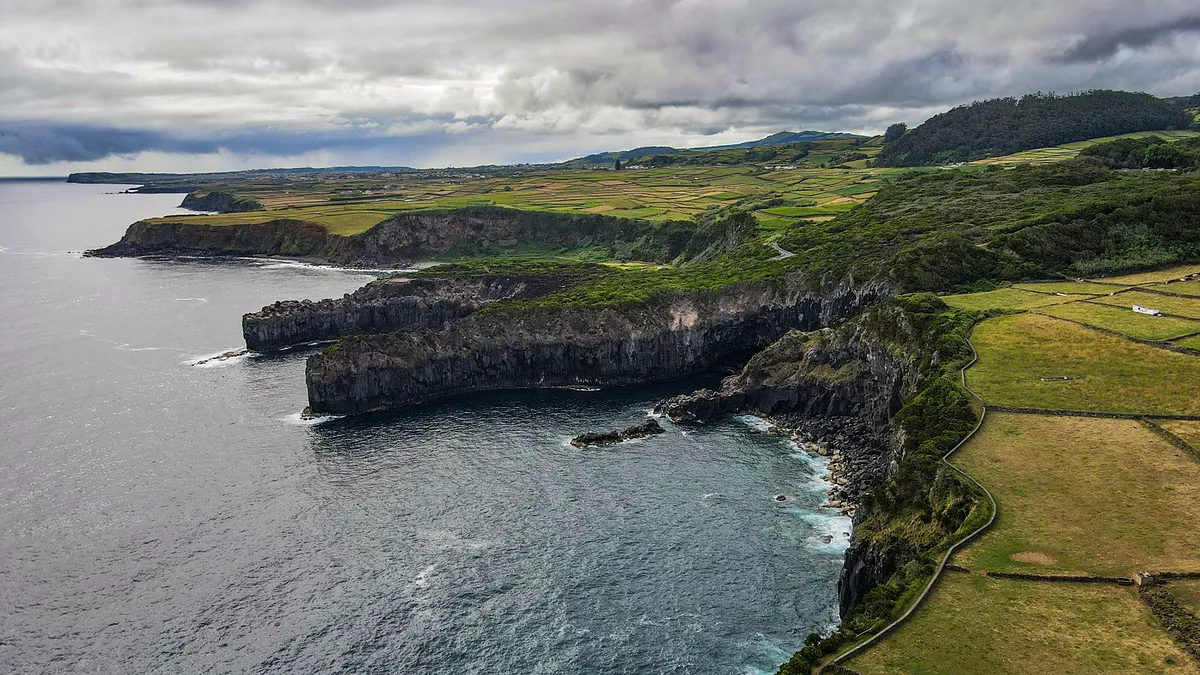
The mood is where they split. Maui is bright and groomed, built for photographs at golden hour. The Azores are damp and dramatic: hydrangea hedges crowding the roads, black lava-stone walls, mist spilling over the crater rim by mid-morning. You'll take fewer postcard shots and remember more of them.
Architecture tells the same story. Ponta Delgada's 18th-century city gates and lava paving feel genuinely lived-in, and Angra do Heroísmo on Terceira is a UNESCO-listed colonial town that has survived centuries of earthquakes. Maui's towns are mostly plantation-era wooden storefronts and mid-century strip development, with the Wailea resort coast built from scratch over the last 40 years.
The Wallet Test: Real Cost Breakdown
| Item | Maui (USD) | Azores (EUR / USD) |
|---|---|---|
| Four-star double, July | $450–700 | €110–170 / ~$120–185 |
| Guesthouse or condo, July | $250–400 | €65–95 / ~$70–103 |
| Casual lunch for two | $36–48 | €14–20 / ~$15–22 |
| Dinner for two with wine | $130–190 | €45–65 / ~$49–70 |
| Specialty coffee | $5–7 | €0.80–1.20 / ~$0.90–1.30 |
| Rental car, per day | $65–110 | €35–60 / ~$38–65 |
| Signature paid excursion | $150–200 (Molokini snorkel) | €65–75 / ~$70–80 (whale watching) |
Accommodation is the reason people switch. A solid four-star in Ponta Delgada runs €110–170 (~$120–185) a night in July, and a family-run guesthouse with breakfast lands near €70 (~$76). Wailea starts at $450 on comparable dates and climbs past $700 once Hawaii's combined room taxes (about 18%) and resort fees are added.
Food follows the same curve. Dinner for two with a bottle of Pico wine in Ponta Delgada is €45–65 (~$49–70). Two entrées and cocktails in Kihei runs $130–190 before tip. Coffee alone tells the story: €0.90 (~$1) at a pastelaria versus $6 for a latte in Paia.
Excursions expose Maui's premium most clearly. A Molokini snorkel trip is $150–200 per person, and seasonal whale watching runs $60–90. In the Azores, a three-hour whale-and-dolphin tour from Ponta Delgada costs €65–75 (~$70–80), and São Miguel's 80-plus marked hiking trails are free.
The honest catch is airfare. Nonstops to Maui from the West Coast often sit at $250–500 round trip, while Boston–Ponta Delgada can hit $700–900 in August. From California, run the numbers before you commit; from Europe, the Azores win without a fight.
Crowds, Authenticity, and Tourist Footprint
Maui hosts nearly three million visitors a year against a resident population of roughly 165,000. That ratio shows up everywhere: reserved-entry sunrise slots at Haleakalā, packed Hana Highway pullouts, $40 resort parking. The August 2023 Lahaina fire also reshaped the west side, and much of Front Street is still rebuilding, so travelers expecting the old Lahaina will be disappointed.
The Azores take about a million visitors across nine islands, and São Miguel absorbs most of them. In July and August, the Sete Cidades viewpoint car park fills by 11 a.m. and Ponta Delgada gets busy on cruise-ship days. Outside those windows, in May, June, September, or October, you can walk a crater rim and pass four people all afternoon.
Authenticity is the Azores' quiet advantage. Dairy farms, milk runs, and village festas still set the rhythm of the island, and mass tourism only arrived in the last 15 years. Maui's visitor culture is older, smoother, and more expensive, but it's also more polished: you rarely have to figure anything out.
How to Experience the Best of Azores
Where to Base Yourself
Ponta Delgada is the practical choice: the airport is 10 minutes away, restaurant density is highest, and day trips to Sete Cidades (30 minutes) and Furnas (45 minutes) don't swallow the whole day. Aim for the streets around Rua da Boavista or the Antero de Quental gardens.
Furnas in the east is the moody-luxury pick, with valley fog, hot springs, and the iron-tinged thermal pool at Terra Nostra garden (€16 entry). Two nights here is plenty, and it's the closest the Azores come to a resort stay.
Ribeira Grande or Nordeste on the north coast suits anyone who wants cliffs, silence, and cheap farmhouse rentals. Skip the far west beyond Mosteiros unless you're committed to a car and 40-minute dinner drives.
Signature Activities That Rival Maui
- Sete Cidades at dawn. The twin lakes look flat and unreal before 9 a.m. Walk the rim from Vista do Rei instead of just shooting it from the car park.
- Whale watching from Ponta Delgada. Resident sperm whales and common dolphins year-round, three hours, €65–75 (~$70–80). Ask about the small-boat operators near the marina.
- Furnas caldeira loop. Steam vents, the Lagoa das Furnas walk, and a free soak in the Poça da Dona Beija-adjacent hot springs (the paid pools are about €8).
- Gorreana tea plantation. Europe's oldest working tea factory, free to visit, on the north coast between Ribeira Grande and Nordeste.
- Pico's summit. The 2,351-meter climb needs a licensed guide (roughly €60–80) and a full day, but it's the Azores' answer to Haleakalā and then some.
What to Order (and Where)
Start with cozido das Furnas, a meat-and-vegetable stew buried in volcanic soil for six hours; book it by phone a day ahead at a Furnas restaurant. Then chase lapas (grilled limpets with garlic and butter, €8–12) at a Ponta Delgada tasca, plus queijadas and Azorean pineapple from the Arruda plantation near the city.
Drink local: Pico verdelho wine by the glass (€3–4) or a bottle from any grocery for €15–25, and São Jorge cheese with massa sovada sweet bread for a picnic lunch. Finish with a Ginásio-brand pastry and a €1 espresso, which is the most Azorean ritual there is.
Who Should Still Choose Maui?
Choose Maui if warm water and reliable sun are non-negotiable. Azorean sea temperatures hover around 70–73°F at the height of summer, and rain is possible any month of the year. Families with toddlers who want a shallow, bathtub-warm beach will be happier in Kihei.
Maui also wins on accessibility and ease. Direct flights from the West Coast, resort staff who handle every detail, and a deep bench of restaurants make it a low-effort trip. And if you're traveling in February to see humpbacks from a lanai with a drink in hand, Maui's version of that experience is genuinely worth the premium.
Frequently Asked Questions
Is the Azores actually cheaper than Maui?
Substantially. Lodging runs 55–70% less for comparable quality, restaurant meals about half, and excursions 40–60% less. A couple spending $800–1,000 a day on Maui can travel the Azores comfortably on $200–280, before airfare.
Can you swim in the Azores?
Yes, but temper expectations. Natural pools at Biscoitos and Ferraria, plus black-sand beaches like Praia de Santa Bárbara, are swimmable from June to September. The water sits around 70–73°F in August and gets cold fast outside summer.
What is the best month to visit the Azores?
Late May, June, and September. You get 68–75°F days, fewer rental cars on the road, cheaper rooms, and enough dry spells to hike. July and August are warmest but also the busiest and priciest by a wide margin.
Do you need a rental car in the Azores?
On São Miguel, yes, unless you plan to stay in Ponta Delgada and book day tours (roughly €60–90 each). A small car costs €35–60 per day; book an automatic months ahead, since they sell out first and the island's hills are unforgiving.