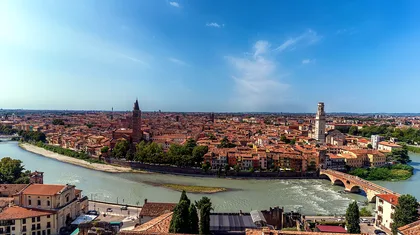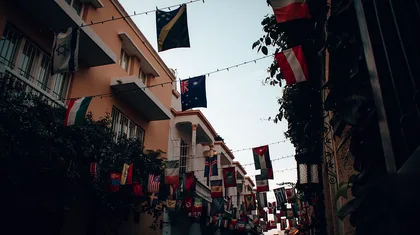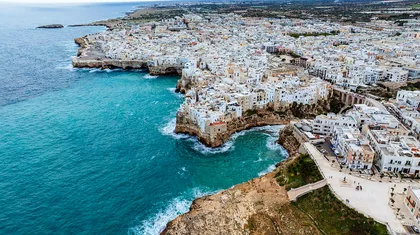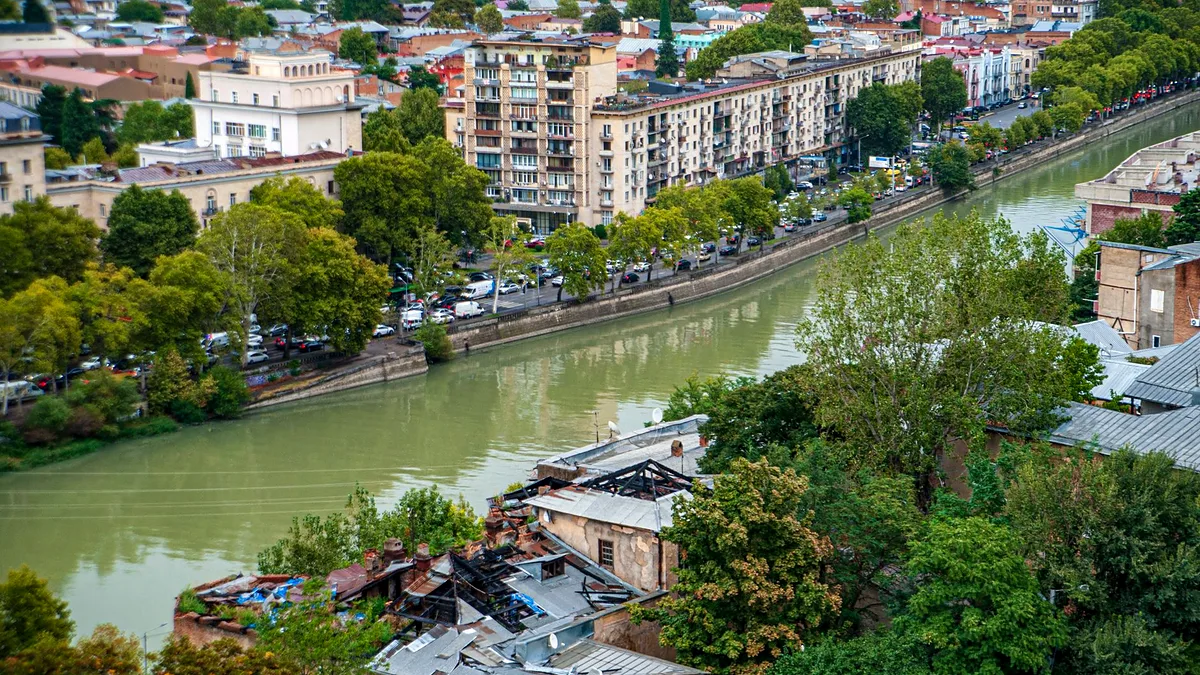

Four days in Tbilisi is enough to see the big things without spending half of it in a taxi. The trick is grouping each day by neighborhood and letting the metro do the heavy lifting, because the city's two lines cover almost everything a first-timer actually wants to see.
Late autumn is a smart window for this. Crowds thin out after September, hotel rates drop, and the first snow appears on the Caucasus ridgeline while the city stays walkable at roughly 8–15°C. Pack a rain shell, since November drizzle arrives without much warning.
Quick Route Overview
This plan suits independent travelers who walk 8–12 km a day, don't mind one early start, and would rather see four neighborhoods properly than seven badly. It works for couples and solo travelers on any budget, and it assumes you're comfortable with a metro card and the occasional 10-minute Bolt ride.
Unlimited High-Speed International Travel eSIM
Connect in seconds across 180+ destinations. Instant QR code activation with zero roaming surcharges.

The rhythm is deliberate: one anchored sight each morning, one flexible block each afternoon, and evenings left loose for wine and wandering. Nothing here requires a guided tour to make sense.
- Duration: 4 days / 3 nights
- Best season: Late September to mid-November (grape harvest, mild days, thin crowds). April and May are the runner-up.
- Base: Sololaki or the Freedom Square edge of the Old Town. Walkable to Days 1 and 2, one metro stop from everything else.
- Transit method: Metro Line 1 (red) as the spine, Bolt/Yandex for cross-town hops, the Rike Park cable car for Narikala.
Day 1: Old Town Loop — Sulphur Baths, Fortress, Long Sunset
Morning
Start at Abanotubani, the sulphur bath district, around 9:30. The brick domes photograph best before 10:00, and the sulphur smell is strong for about three minutes before your nose gives up.
Walk five minutes to the cable car station in Rike Park rather than climbing the hill. The ride costs 2.5 GEL (~$1) with a Metromoney card and takes 90 seconds. From the top, follow the fortress walls, then the short paved path to Kartlis Deda, the Mother of Georgia statue.
Coffee afterward on Chardin Street. A flat white runs 6–8 GEL (~$2.50), and most cafés there open by 10:00.
Afternoon
Walk down through the lanes to Sioni Cathedral and Anchiskhati Basilica. Both are free, both take fifteen minutes, and both are working churches, so cover shoulders and skip flash photography.
Lunch nearby: khinkali at 1.5–2 GEL (~$0.70) each, plus a beer, lands around 25 GEL (~$9) per person. Order five or six dumplings and stop; the portions are heavier than they look.
Book a private sulphur bath room for late afternoon at 60–80 GEL (~$25–30) per hour, depending on room size. Skip the public pools if you're shy. The private rooms are the whole point of the visit.
Evening
Sunset in mid-November lands around 17:30, so be on the Narikala terrace or the Metekhi Church viewpoint by 17:00. The valley lights come on fast, and the light on the river lasts maybe twenty minutes.
Dinner in Sololaki: khachapuri, a walnut salad, and a bottle of Saperavi run 60–80 GEL (~$22–30) for two at a neighborhood restaurant.
Route Efficiency Tip: Do not climb to Narikala twice. Ride the cable car up in the morning, take the Metekhi stairs down, and stay at street level for the rest of the day.
Day 2: The Rustaveli Spine and Mtatsminda
Morning
Take Metro Line 1 to Freedom Square and walk north up Rustaveli Avenue. The Georgian National Museum at number 3 opens at 10:00 and closes Mondays; entry is about 30 GEL (~$11) and the gold treasury alone justifies it.
Continue north past the Parliament building and the Opera House. This stretch is flat, shaded, and takes about twenty minutes at an unhurried pace.
Afternoon
Walk fifteen minutes to the Dry Bridge flea market, which runs roughly 10:00–17:00 daily and is biggest on weekends. Expect Soviet watches, enamel badges, and a lot of hopeful haggling; bring small notes.
Lunch at one of the bakeries near Marjanishvili metro: a warm lobiani and a coffee is about 12 GEL (~$4.50). Then take the metro one stop back toward the center if your legs are complaining.
Evening
Ride the funicular from its lower station on Chonkadze Street up to Mtatsminda Park. It's roughly 10 GEL (~$4) round trip, and the terrace gives you the whole city bowl at golden hour.
Come back down and eat in Vera, where a solid Georgian dinner with wine costs 50–70 GEL (~$19–26) for two. Finish with a walk down Kostava Street toward the river.
Route Efficiency Tip: The funicular's lower station is a six-minute walk from Rustaveli metro. Do the avenue first, ride up last, and never take a taxi to Mtatsminda — the road up is slower than the queue.
Day 3: Mtskheta Half-Day, Avlabari Evening
Morning
Take Metro Line 1 to Didube station and find the Mtskheta marshrutkas outside the market side of the station. The ride is about 1.5–2 GEL (~$0.70) and takes 25 minutes; they leave when full, so be at Didube by 8:30.
From Mtskheta town center, a local taxi to Jvari Monastery costs around 10–15 GEL (~$4–5.50) each way, and the driver will usually wait. Go to Jvari first — the church sits on a ridge above the river confluence and the morning light is better before 11:00.
Afternoon
Come back into town for Svetitskhoveli Cathedral, the burial church of Georgian kings and the reason most people make this trip. It's free, active, and takes about forty minutes.
Lunch in Mtskheta before heading back: a plate of mtsvadi and bread runs 20–28 GEL (~$7.50–10). Be back at the marshrutka stand by 14:30 so you're in Tbilisi before the afternoon rush builds.
Evening
From Didube, ride Line 1 two stops to Avlabari and walk up to Sameba Cathedral, the huge hilltop complex with a view over the river. Entry is free and the terrace is open until about 20:00.
Eat in Avlabari, where prices are lower than the Old Town for the same food. A full dinner with a carafe of wine lands at 45–60 GEL (~$17–22) for two.
Route Efficiency Tip: Mtskheta and Avlabari sit on the same metro line, so pair them. Doing Mtskheta on a separate day from anything north of the river saves an hour of transit.
Day 4: Bazaar, Fabrika, and the Chronicle of Georgia
Morning
Start at Dezertersky Bazaar near Tsereteli metro, open daily from about 8:00. This is where the city actually shops: churchkhela by the string, fresh tkemali, and spice stalls priced for locals rather than tourists.
Walk twenty minutes from the bazaar to Fabrika on Egnate Ninoshvili 8, the old Soviet sewing factory turned hostel, courtyard, and coffee hub. It opens at 8:00 and the courtyard is quiet before noon.
Afternoon
Lunch at Fabrika or one of the small spots along Aghmashenebeli Avenue, around 15–20 GEL (~$6–7.50). Then take a Bolt north to the Chronicle of Georgia in Temka, near the Tbilisi Sea — the ride is 15–20 GEL (~$6–7.50) and there's no practical metro route.
The Chronicle's huge stone pillars are free to visit and take twenty minutes. Late afternoon light is the reason to come; midday flattens the carvings.
Evening
Ride back to Chugureti and walk Aghmashenebeli Avenue as the lights come on, which is genuinely one of the better free things in the city. Dinner at a wine bar there: a tasting flight of three Saperavi or Rkatsiteli pours runs 20–30 GEL (~$7.50–11).
Cap the trip with a slow loop back toward Marjanishvili metro and a last glass somewhere with a doorway you liked the look of.
Route Efficiency Tip: Keep Day 4 west-to-north: bazaar, then Chugureti, then one out-and-back by taxi. Trying to squeeze the Old Town in again here is what makes people miss their flights.
Getting Around Tbilisi
Buy a Metromoney card at any metro station for 2 GEL (~$0.75) and load it with credit. Every metro ride, bus ride, and the Rike Park cable car taps once at 1–2.5 GEL, and the same card works on the Mtatsminda funicular.
Metro Line 1 (red) is your workhorse: Avlabari, Freedom Square, Rustaveli, Marjanishvili, Didube. Line 2 (blue) runs through Station Square and Tsereteli, which is what you want for the bazaar. Trains run roughly 06:00–24:00.
Walking is the real transport, but pavements in the Old Town are uneven and slick after rain — wear shoes with grip. Sololaki and Chugureti feel safe at night; stay alert around Station Square after dark.
Skip the rental car. Parking is painful and Bolt across the center costs 8–15 GEL (~$3–5.50). At the airport, use the app rather than the drivers who approach you inside arrivals.
Estimated Daily Budget Breakdown
| Travel Style | Accommodation | Food & Drink | Transit & Sights | Total / Day |
|---|---|---|---|---|
| Budget Backpacker | 45 GEL (~$17) | 40 GEL (~$15) | 15 GEL (~$6) | 100 GEL (~$37) |
| Comfortable Mid-Range | 220 GEL (~$81) | 90 GEL (~$33) | 40 GEL (~$15) | 350 GEL (~$130) |
| Boutique Splurge | 480 GEL (~$178) | 180 GEL (~$67) | 90 GEL (~$33) | 750 GEL (~$278) |
Figures assume a mid-November trip and two people sharing a room where relevant. Add 60–80 GEL if you plan a private sulphur bath, and 40 GEL for the Mtskheta taxi and lunch.
Frequently Asked Questions
Do I need to book sulphur baths in advance?
For evening slots on Friday and Saturday, yes — call ahead or walk in during the morning and reserve a room for later the same day. Weekday afternoons you can usually turn up and wait twenty minutes.
Where can I store luggage on the last day?
Most hotels and hostels in Sololaki will hold bags free for guests, and some charge 5–10 GEL (~$2–4) for non-guests. Tbilisi airport also has left-luggage lockers if you're heading straight to a late flight.
Is Mtskheta worth it in the rain?
Yes, with adjustments. Svetitskhoveli is indoors and the town is small, but the Jvari ridge gets windy and slippery, so skip the viewpoint if the stone steps are wet and spend the time in town instead.
When exactly is the best window to come?
Late September to mid-November gives you the Rtveli grape harvest, mild daytime temperatures, and lower room rates. The trade-off is shorter daylight, so schedule outdoor viewpoints before 17:00 rather than after.