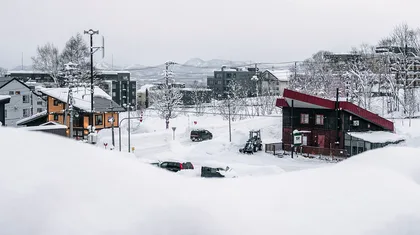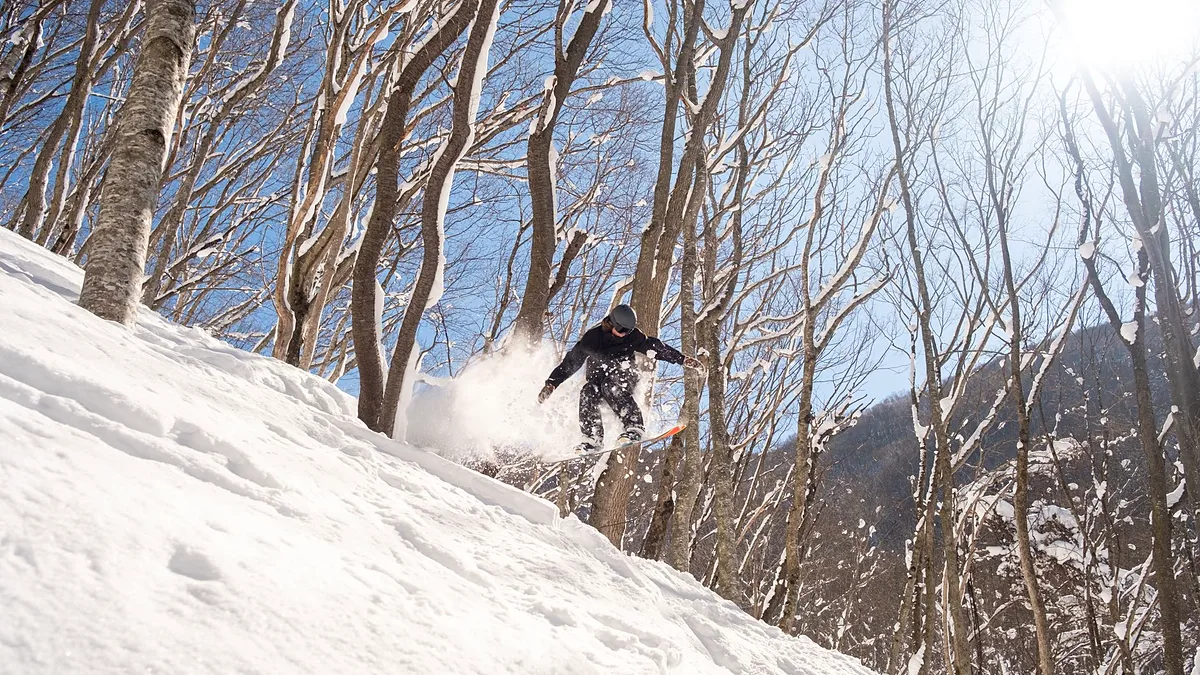

Niseko is not one ski hill. It is four base areas — Hirafu, Hanazono, Niseko Village and Annupuri — connected by lifts at the top and a shuttle bus at the bottom, with the farming town of Kutchan quietly feeding and housing everyone. Get the order of those four right and you spend your holiday skiing. Get it wrong and you spend it standing in a taxi queue at 6pm.
This four-day plan assumes you came for the snow, not the shopping. It front-loads the busy east side, saves the quieter west side for when your legs are toast, and finishes in Kutchan so you are not dragging a board bag through a supermarket on arrival day.
Quick Route Overview
This itinerary suits intermediate and advanced skiers or riders travelling as a couple or small group, doing four to six days on snow. The pace is one big ski day followed by a slightly lighter one, so you are not wrecked by day three. Beginners can follow it too, but swap the gate hikes for laps on the Family and Rinkan runs.
Unlimited High-Speed International Travel eSIM
Connect in seconds across 180+ destinations. Instant QR code activation with zero roaming surcharges.

You do not need a car. Everything here runs off the Niseko United shuttle, one local bus, and your own two feet in snow boots. That single decision saves you roughly ¥8,000–12,000 (~$54–82) a day in rental and parking during peak season.
- Duration: 4 days (3 nights minimum, 4 nights is better)
- Best season: Mid-January to late February for the deepest base; early March for softer light and longer days
- Base to stay: Hirafu — specifically the lower village near Hirafu-zaka for cheaper beds and walkable dinners
- Transit method: Niseko United Shuttle (free with an All Mountain pass) plus Donan Bus to Kutchan
Day 1: Land, Gear Up, and Warm Up in Hirafu
Morning
Most people fly into New Chitose (CTS) and take a resort liner bus, roughly 2.5 to 3 hours and ¥4,000–5,000 (~$27–34) one way. Book it online at least two weeks out; January and February coaches sell out. Drop your bags at the Hirafu Welcome Center lockers (¥500–1,000) if your accommodation check-in is later.
Grab coffee and a sandwich at the bakery counter on Hirafu-zaka, then walk five minutes to the gondola base. You can be on snow by early afternoon, which is exactly the point.
Afternoon
Collect rental gear at Rhythm Japan or Niseko Sports, both within a two-minute walk of the Hirafu Gondola. Expect around ¥6,500 (~$44) a day for skis and boots, less for a multi-day package booked online. Then take a low-stakes warm-up: Ace Family Quad, then the Rinkan run, then a couple of gondola laps if visibility is decent.
Do not chase powder on day one. Travel legs plus deep snow equals wrecked quads by 3pm. Lunch at the King Bell or the base food court runs ¥1,200–1,800 (~$8–12).
Evening
Hirafu night skiing runs until around 8pm under the lights, and it is the best jet-lag cure there is. Ski two runs, then quit. Dinner at a Hirafu-zaka izakaya will set you back ¥4,000–5,000 (~$27–34) per person with a drink — and in peak season you need to have booked it days ago, not tonight.
Nightcap at Bar Gyu+, the bar behind the literal fridge door on the main street. Get there before 9pm or you will be standing.
Route Efficiency Tip: Do not leave Hirafu today. Gear rental, lift pass pickup, Welcome Center lockers and the gondola are all inside a 300-metre radius. Save the mountain traverse for tomorrow when you are rested.
Day 2: The East Side — Hirafu to Hanazono
Morning
Be at the Hirafu Gondola for the 8:30am first cabin. The queue is worst between 8:30 and 9:30, so either join it early or wait until the buses arrive and go straight to King Lift #3. The King #3 and #4 zone holds some of the resort's best fall-line skiing.
Work east through the Hirafu gates if you have avalanche gear and a partner — Gate 2 and Gate 3 are the accessible entry points. If you do not, stay in bounds and ride the connecting lifts across to Hanazono by mid-morning.
Afternoon
Hanazono is the friendliest terrain in the resort and the least crowded. Lap the Hooded Triple and the Hanazono Gondola for the Strawberry Fields and Blueberry Fields glades. Lunch at Hanazono 308 at the base is a solid ¥1,800 (~$12) ramen and does not require a reservation.
If the weather closes in, Hanazono's lower tree runs stay readable when the upper mountain goes white. That is a genuinely useful thing to know in January.
Evening
Stay for Hanazono night skiing if the snow is falling — it is quieter than Hirafu's lit runs and the tree lines hold fresh snow. Otherwise shuttle back to Hirafu for a 4:30pm hot chocolate and a slow warm-up.
Dinner at Ezo Seafoods in Hirafu is the splurge meal of the trip: ¥6,000–8,000 (~$41–54) per person, Hokkaido crab and scallops, and a booking made weeks in advance. Cheaper option: a bowl of miso ramen for ¥1,400 (~$10) and an early night.
Route Efficiency Tip: Hirafu and Hanazono are joined by lifts, so ski across rather than riding the shuttle. The bus between the two bases takes 10 minutes and you will wait longer than that.
Day 3: The West Side — Niseko Village and Annupuri
Morning
Take the Niseko United Shuttle from Hirafu Welcome Center to Niseko Village, about 15 minutes and free with an All Mountain pass. Be on the 8:00am bus. The Niseko Village gondola gives you access to the widest, least-tracked tree skiing on the mountain.
Advanced riders can ski across from Hirafu via the upper gates instead of bussing. It takes about 40 minutes with a couple of lift rides and it is a much better use of a powder morning.
Afternoon
Lunch at Niseko Village runs ¥2,000–2,500 (~$14–17) at the base — noticeably pricier than the rest of the mountain. Push on to Annupuri instead if your legs allow: base-area ramen there is ¥1,100–1,300 (~$7–9) and the vibe is local rather than resort.
Annupuri's groomers are mellow and wide, and the gates above the top lift (Gates 2 and 3) give access to genuinely steep sidecountry. Only go through with a beacon, probe, shovel and a partner who has read the daily avalanche report.
Evening
Soak at Niseko Grand Hotel's Konbu Onsen, around ¥1,000 (~$7) for day visitors, with a proper outdoor rotemburo in the snow. Goshiki Onsen is cheaper at roughly ¥600 (~$4) and far more rustic — bring your own towel.
Dinner in Annupuri is limited; the lodge restaurants fill fast. Plan to eat by 7pm, then catch the shuttle back to Hirafu. Be warned: the last shuttles run early, around 6–7pm depending on the operator, so check the board at the Welcome Center in the morning.
Route Efficiency Tip: Do the west side in one direction only — Niseko Village in the morning, Annupuri in the afternoon, then one shuttle home. Do not loop back mid-day. If you miss the last bus, a taxi from Annupuri to Hirafu is ¥2,500–3,500 (~$17–24) and you will wait 40 minutes for it.
Day 4: Dawn Powder, Kutchan, and the Slow Exit
Morning
Check the snow report at 6:30am. If it dumped overnight, be at the Hirafu Gondola for first cabin and take two hours of the best skiing of the trip before the day-trip buses roll in at 9:30. If the mountain is closed or fogged in, sleep in and shift the day forward.
Check out and leave bags at your hotel or the Welcome Center lockers before you leave the village. Showering and changing at your accommodation after skiing is worth arranging in advance.
Afternoon
Take the Donan Bus from Hirafu to Kutchan — about 20 minutes, ¥400 (~$3), roughly hourly. Kutchan is a real working town with a supermarket, a proper main street and none of the Hirafu markup.
Lunch at a Kutchan ramen counter costs ¥1,000–1,300 (~$7–9) and beats anything on the mountain. Do your souvenir shopping here: the MaxValu and the shops along the main street are cheaper than Hirafu for the same sake and snacks. The Kutchan town museum is small, free, and a decent way to kill an hour if the weather is foul.
Evening
Sunset from the Kutchan side of the valley is underrated — the light goes pink on Yotei around 4:30pm in January. It is worth the ten-minute walk to the edge of town.
Farewell dinner at Bang Bang in Kutchan is the move: yakitori and beer for ¥3,500–4,500 (~$24–31) per person, booked ahead, and full of locals rather than goggle-tanned tourists. Then catch the JR Hakodate Main Line from Kutchan Station to Otaru (about an hour, ¥1,500 / ~$10) or onward to Sapporo.
Route Efficiency Tip: Kutchan sits on the train line and on the way to the airport buses, so make it your last stop rather than a lunch break mid-trip. You shop once, you carry it once.
Getting Around Niseko
The Niseko United Shuttle loops between Hirafu, Hanazono, Niseko Village and Annupuri roughly every 20 to 30 minutes, from about 8am to 6pm. It is free if you hold an All Mountain pass; otherwise expect around ¥500 per hop. Timetables change with the season, so photograph the board at Hirafu Welcome Center on day one.
Hirafu village itself is walkable but hilly and regularly icy. Budget 15 to 20 minutes from the lower village to the gondola in boots. There is a village loop shuttle but honestly, decent grip soles are the better investment.
Skip the rental car unless you plan day trips to Moiwa, Rusutsu or Kiroro. If you do rent, you need an International Driving Permit, a 4WD with proper snow tyres, and nerves of steel on the 393 road. Taxis exist but are scarce — book at least an hour ahead and never count on hailing one at 6pm on a powder day.
Estimated Daily Budget Breakdown
Figures are per person, per day, in Japanese yen with rough USD at ¥147 to the dollar. Lift tickets are based on the Niseko United All Mountain pass, currently around ¥10,500 (~$71) for one day and ¥38,000 (~$258) for four.
| Travel Style | Accommodation | Food & Drink | Transit & Sights | Total / Day |
|---|---|---|---|---|
| Budget Backpacker | ¥4,500 (~$31) dorm bed | ¥3,500 (~$24) | ¥11,500 (~$78) lift + bus | ¥19,500 (~$133) |
| Comfortable Mid-Range | ¥12,000 (~$82) twin share | ¥7,000 (~$48) | ¥13,000 (~$89) lift + onsen | ¥32,000 (~$218) |
| Boutique Splurge | ¥45,000 (~$306) lodge suite | ¥15,000 (~$102) | ¥16,000 (~$109) lift + taxis | ¥76,000 (~$517) |
Two honest caveats. Hirafu accommodation in January and February books out six to nine months ahead, and prices climb hard over New Year. And the food number above assumes you eat lunch on the mountain — self-catering breakfast from Kutchan's supermarket saves roughly ¥1,500 (~$10) a day.
Frequently Asked Questions
Do I need to book lift passes in advance?
Yes, if you want the early-bird rate. Niseko United sells discounted multi-day passes online until roughly the end of November, and a four-day All Mountain pass can drop by 15–20%. From December you can buy at the Hirafu ticket windows or load a rechargeable pass card, but you will pay full price and queue.
Where can I store luggage on arrival and departure?
The Hirafu Welcome Center has coin lockers and a Yamato transport counter where you can ship ski bags directly to New Chitose Airport or your next hotel — around ¥2,000–2,500 (~$14–17) per bag. Most lodges will hold bags before check-in and after checkout. Kutchan Station has lockers too, which is handy on your last day.
When is the best time to come?
Mid-January to late February delivers the deepest, most reliable base — this is when Niseko's famous snow machine is running at full tilt. Late December and early January are the busiest and priciest weeks, and lift queues at Hirafu peak badly. Early March is the sleeper pick: still plenty of snow, longer daylight, softer temperatures.
Do I need a car?
No, if you are staying in Hirafu and skiing Niseko United. The shuttle covers every base. Rent one only if you want Moiwa's cheap powder, a Rusutsu or Kiroro day trip, or Makkari Onsen. Winter driving here is genuinely demanding — ice, narrow roads and whiteout visibility are normal.