
Quick Route Overview
This three-day Choquequirao route is for fit, acclimatized hikers who want a tight cultural trek rather than a relaxed lodge-to-lodge week. You will walk 6 to 9 hours most days, sleep in basic camps or guesthouses, and trade comfort for quiet ruins and huge canyon views. If you have knee trouble, hate steep descents, or only have one day in Cusco to acclimatize, book the standard 4 or 5-day version instead.
Spring in the southern Andes means September to November: greener slopes, fewer hikers, and a real chance of afternoon rain. The route starts in Cusco, transfers to Cachora, drops into the Apurímac canyon, climbs to Marampata and Choquequirao, then exits via Huanipaca. It is a one-way hike, so you do not repeat the same trail with tired legs.
- Duration: 3 days, 2 nights (fast pace)
- Best season: May to September for dry trails; September to November for spring greenery and fewer crowds
- Recommended base: Cusco's San Blas for acclimatization, Cachora village before the hike, and Marampata or Choquequirao camp on the trail
- Transit method: Private van Cusco to Cachora, hiking only on the trail, shared bus or van from Huanipaca back to Cusco
Day 1: Cusco to Cachora and the Canyon Descent
Morning
Leave Cusco at 5:30am by private van for Cachora (3 to 3.5 hours, S/250 to S/350 per vehicle / ~$68 to $95). In Cachora, eat breakfast at a plaza restaurant: eggs, bread, quinoa porridge, and coca tea cost about S/12 to S/18 (~$3 to $5). Buy 4 to 5 liters of water, fruit, and snacks here because prices climb on the trail.
Unlimited High-Speed International Travel eSIM
Connect in seconds across 180+ destinations. Instant QR code activation with zero roaming surcharges.

Start walking by 9:30am with mules carrying the heavy gear. The first two hours climb gently to Capuliyoc at 2,850 meters, where the Apurímac canyon opens up. This is your first big view and a good place for a packed lunch.
Afternoon
The afternoon is a dusty, knee-testing descent of three to four hours to Playa Rosalina at 1,500 meters. There is no museum stop today; the cultural detail is in the campesino farms, mule tracks, and tiny trailside stalls selling chicha and fruit. Take your time on the loose gravel and let mules pass on the inside.
Lunch should be simple: a cheese sandwich, boiled eggs, and fruit from Cachora, roughly S/10 to S/15 (~$3 to $4). If you want a hot meal, Chiquiska has basic trail restaurants with soup and rice for S/15 to S/20 (~$4 to $5).
Evening
Sleep at Playa Rosalina or Chiquiska in a basic camp or guesthouse, S/20 to S/30 (~$5 to $8) for a bed or tent space. Dinner at camp is usually trout, rice, soup, and muña tea for S/20 to S/25 (~$5 to $7). The stars are strong here, but do not swim in the river unless you like cold water and fast currents.
Route Efficiency Tip: Do not linger over a long lunch in Cachora. The canyon heats up after noon, and the descent is easier before 2pm. Arrange mules and a cook in Cachora, not Cusco, to cut costs and keep money in the village.
Day 2: Marampata Climb and First Ruins
Morning
Start at 6am for the climb to Marampata at 2,900 meters. It takes three to four hours on exposed switchbacks, so carry at least two liters of water and wear a hat. Breakfast is coca tea, bread, and jam at camp; it is not fancy, but it gets you moving.
Reach Marampata by 10am for a second breakfast or early lunch. The village has simple guesthouses and trail restaurants with menu del día for S/15 to S/20 (~$4 to $5). This is also the last reliable place to buy bottled water before the ruins.
Afternoon
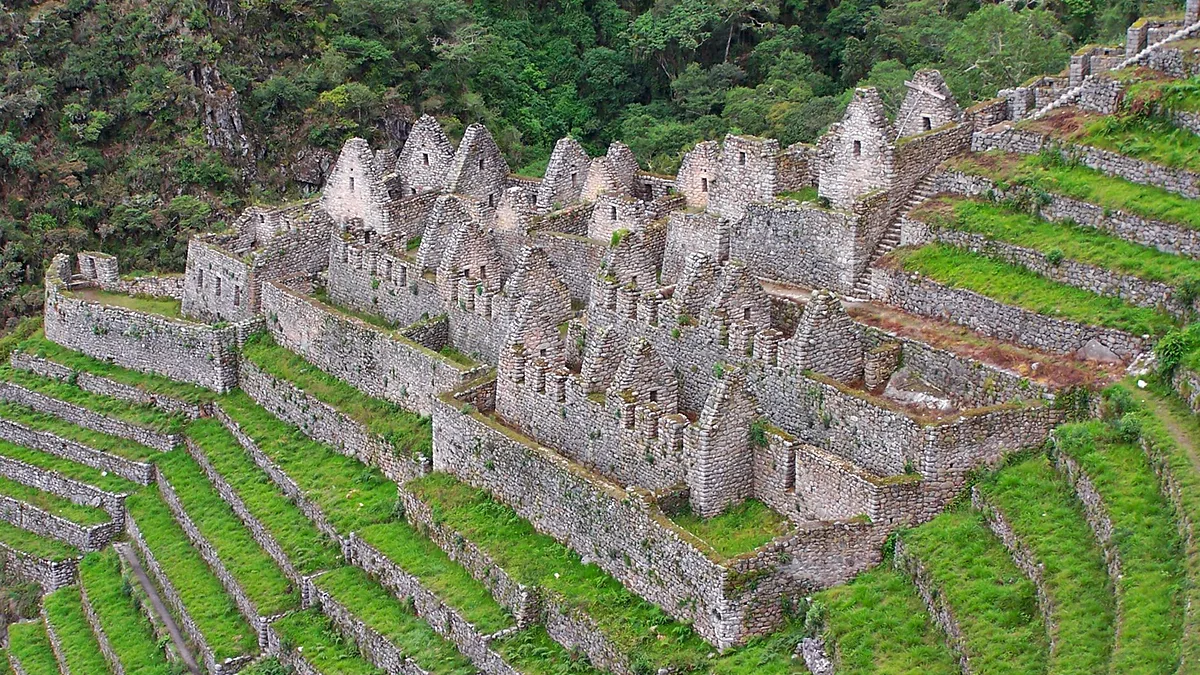
Continue 1.5 hours to the Choquequirao control point and pay the entrance fee, about S/60 (~$16) for adults. The site is open daily from roughly 6am to 5:30pm. Start with the Plaza Principal, the lower agricultural terraces, and the famous llama wall, where white stone animals are set into the hillside.
Take a slow lunch at camp or a trail kitchen near the site: quinoa soup, rice, and vegetables cost S/20 to S/25 (~$5 to $7). The afternoon light on the terraces is softer, and tour groups usually thin out after 3pm.
Evening
Camp at Choquequirao if you want the earliest sunrise access, S/30 to S/40 (~$8 to $11) for tent space and basic meals. Otherwise, return to Marampata for better guesthouses and easier mule access. Dinner is simple trail food, and the night is cold, so bring a warm layer.
Route Efficiency Tip: Sleep at Choquequirao only if you are comfortable with basic facilities. Marampata has more beds, better food, and a shorter exit if someone feels altitude sick. Do not walk between camp and the ruins after dark.
Day 3: Sunrise Ruins and the Huanipaca Exit
Morning
Enter at opening, around 6am, for first light, when the terraces turn gold and day hikers are still asleep. Spend two hours on the upper terraces, the usnu ceremonial platform, and the long staircases that connect the sectors. This is the cultural payoff, so put the camera down for a few minutes and listen to the valley.
Breakfast back at camp is coca tea, bread, and fruit. If you slept at Marampata, leave by 6:30am to reach the ruins before the heat. Carry your passport for the control point and keep the ticket stub.
Afternoon
Hike out via San Ignacio to Huanipaca, a six to seven-hour walk through farmland and cloud forest. The route is less crowded than the Cachora return but less maintained, so a guide is worth the money. Lunch on the trail is a packed sandwich, cheese, and fruit, about S/10 to S/15 (~$3 to $4).
Reach Huanipaca by 3:30 to 4pm. The shared bus or colectivo to Cusco takes three to three and a half hours and costs S/30 to S/40 (~$8 to $11). If you miss the last public transport, a private transfer can cost S/250 to S/350 (~$68 to $95), so plan the timing carefully.
Evening
Arrive in Cusco around 7 to 8pm and check into your San Blas hotel. Dinner in San Blas is lomo saltado, pasta, or trout for S/35 to S/50 (~$9 to $14). A casual walk around Plaza San Blas and a nightcap at a cafe is a good way to end the trek without a late night.
Route Efficiency Tip: Pre-book the Huanipaca pickup or confirm the bus time before you start Day 3. The last public transport leaves mid-afternoon, and phone signal on the trail is unreliable. If you want a gentler finish, add a night in Huanipaca and return to Cusco the next morning.
Getting Around Choquequirao
There is no metro, rideshare, or useful rental car for Choquequirao. The practical route is a private van from Cusco to Cachora, mules for gear, and a shared bus from Huanipaca back to Cusco. Public buses from Cusco to Abancay pass the Cachora turnoff, but you still need a taxi to the village, so a direct transfer is simpler for a short trip.
In Cusco, stay in San Blas or the Historic Centre and walk or take short taxis (S/8 to S/15 / ~$2 to $4). On the trail, walking is the only option, and mules should be arranged in Cachora for S/80 to S/120 per day (~$22 to $32). Carry cash, because there are no reliable ATMs after Cusco, and phone signal is spotty at best.
Walking safety matters more than speed. The descent to Playa Rosalina is hard on knees, the climb to Marampata is exposed, and river crossings can rise after rain. Start early, avoid hiking after dark, and tell your hotel or guide your route. Solo hikers should still hire a local guide for the Huanipaca exit.
Estimated Daily Budget Breakdown
| Travel Style | Accommodation | Food & Drink | Transit & Sights | Total / Day |
|---|---|---|---|---|
| Budget Backpacker | S/40 to S/70 (~$11 to $19) | S/50 to S/70 (~$14 to $19) | S/80 to S/120 (~$22 to $32) | S/170 to S/260 (~$46 to $70) |
| Comfortable Mid-Range | S/120 to S/200 (~$32 to $54) | S/80 to S/120 (~$22 to $32) | S/150 to S/250 (~$40 to $68) | S/350 to S/570 (~$95 to $154) |
| Boutique Splurge | S/300 to S/600 (~$81 to $162) | S/150 to S/250 (~$40 to $68) | S/300 to S/600 (~$81 to $162) | S/750 to S/1,450 (~$203 to $392) |
Boutique Splurge here means a private guide, private transfers, upgraded camping gear, and a good Cusco hotel before and after the trek. Choquequirao has no luxury lodges on the trail, so do not expect resort comfort at 3,000 meters.
Trip Planning Essentials
- Acclimatize in Cusco for at least two nights before hiking; Choquequirao sits at 3,050 meters, and the canyon floor is much lower.
- Pack a 30 to 40-liter daypack, rain shell, sun hat, sunscreen, water purification tablets, headlamp, and cash in soles.
- Book a guide and mules one to two weeks ahead in Cusco or Cachora, especially from May to September.
- Skip heavy city tours the day before departure. Rest, drink water, and eat light; the trail is not the place to test a new pair of boots.
Frequently Asked Questions
Do I need to book Choquequirao tickets in advance?
The entrance ticket is usually bought at the control point, around S/60 (~$16), and you should carry cash. Guides, mules, and transport are the parts that need advance booking, especially in the dry season. If you are on a tight schedule, reserve a private transfer from Cusco to Cachora and confirm your Huanipaca return before you leave.
Can I store luggage while trekking?
Yes. Most Cusco hotels and hostels in San Blas or the Historic Centre store bags for free or a small fee. Pack only what you need for three days, and leave clean clothes and extra gear in Cusco. Do not bring a wheeled suitcase to Cachora; it will be useless on the trail.
When is the best time to hike Choquequirao?
May to September is the driest and most reliable window. September to November is spring: greener, quieter, but with a real chance of afternoon rain. Avoid January to March if you can, when heavy rain, mud, and cloud cover can ruin views and slow the route.
Is three days enough for Choquequirao?
Only for fit, acclimatized hikers who start early and travel light. The standard route takes four to five days, and the three-day version is a fast trek, not a relaxed cultural holiday. If you want more time at the ruins and a gentler exit, add one day and return via Cachora or sleep in Huanipaca.