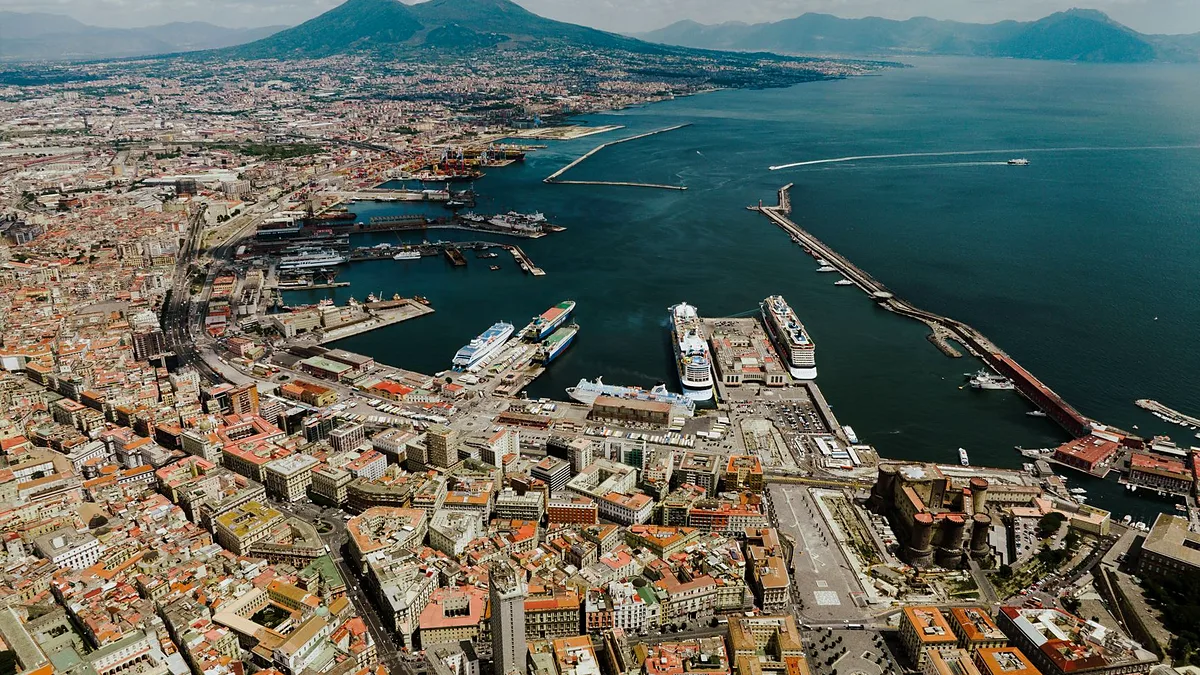

Naples has been a workshop town for about 2,500 years, and it still behaves like one. Walk ten minutes off Via Toledo and you'll pass a man gluing a terracotta shepherd's finger, a woman painting a coral cameo, and a family hauling bags of moss up a stairwell for a Christmas scene.
This guide stays in that lane: the craft streets, the chapels and cloisters sitting right next to them, and the workshops where you can watch real work happen instead of buying a fridge magnet. Prices are in euros with rough dollars, and I've flagged the spots that quietly eat your afternoon for nothing.
At a Glance Snapshot
Unlimited High-Speed International Travel eSIM
Connect in seconds across 180+ destinations. Instant QR code activation with zero roaming surcharges.

- Best time to visit: Late April–June or late September–November. Weekday mornings beat weekends; December is spectacular but shoulder-to-shoulder after 6pm.
- Daily budget: €55–€90 (~$60–$98) per person for a craft-and-heritage day with two paid entries and a sit-down lunch.
- Getting around: Metro Line 1 plus your legs. Funiculars for the hills, Circumvesuviana for the coast. Taxis are a last resort.
- Vibe: Loud, layered, and unpolished in the best way. People are working here, not performing for visitors.
Via San Gregorio Armeno: The Nativity Scene Carvers
This narrow street between Via dei Tribunali and Spaccanapoli is the most concentrated craft street in Italy. Fifty-odd shops sell presepi — nativity scenes — and the good ones are carving, firing, and painting in back rooms you can usually peek into if you ask politely.
The craft runs year-round, not just at Christmas. You'll find terracotta shepherds with cracked-glaze faces, working water mills, and miniature fruit stalls built from wire and wax. Skip the shops selling identical plastic figurines; look for a workbench, paint pots, and dust.
- Neighborhood: Centro Storico, between Via dei Tribunali and Via San Biagio dei Librai.
- Cost: Free to walk. A handmade shepherd runs €8–€25 (~$9–$27); a decent multi-level scene starts around €150 (~$163) and climbs fast.
- Best time of day: 9:30–11:30 on a weekday, before tour groups arrive.
- How to get there: Metro Line 1 to Università or Dante, then a 7–8 minute walk. Line 1 to Duomo also works if you come via Via dei Tribunali.
Insider tip: Ask "è fatto a mano?" (is it handmade?) and check whether the shopkeeper can name the artisan. La Scarabattola at Via dei Tribunali 50 and the Ferrigno family workshops are solid benchmarks for what quality looks like — browse them first, then compare.
Museo Cappella Sansevero and the Veiled Christ
One marble sculpture justifies this entire detour. Giuseppe Sanmartino's Cristo Velato (1753) looks like a sheet of wet linen dropped over a body, except it's solid stone. It sits in a private chapel three minutes from the chaos of San Domenico Maggiore, and the contrast is the point.
The chapel is small, holds maybe thirty people at a time, and the visit takes 20 minutes if you read everything. Downstairs there are two anatomical machines — preserved bodies with their vein systems injected with a hardening compound — that are genuinely unsettling.
- Neighborhood: Centro Storico, Via Francesco de Sanctis 19/21.
- Cost: €10 (~$11) full price, plus a small online booking fee.
- Best time of day: The first slot at 9:00, or after 16:00 when the cruise crowds thin out.
- How to get there: Metro Line 1 to Dante, then 5 minutes downhill on Via Domenico Capitelli.
Insider tip: Book on the official chapel website a week out — walk-up slots vanish in high season and resellers near the door charge double. Photography is banned inside, so leave the camera in your bag and actually look.
Chiostro di Santa Chiara: Majolica and Quiet
The cloister behind the church of Santa Chiara is the closest Naples gets to silence. Pergolas, benches, and an entire garden are covered in hand-painted majolica tiles from the 1740s, mostly yellow, green, and blue, with vine and seascape scenes running along the walkways.
It's a working monument rather than a museum piece, and that's why it works. Ten minutes here resets you after three hours of traffic noise, and the small museum alongside covers the 1943 bombing that flattened most of the complex.
- Neighborhood: Centro Storico, Via Santa Chiara 49c, just off Via Benedetto Croce.
- Cost: €7 (~$8) for cloister plus museum; the church itself is free.
- Best time of day: Right at the 9:30 opening, or 16:00–17:30. It closes for a midday break, so check the board at the entrance.
- How to get there: Metro Line 1 to Toledo or Università, then 6–8 minutes on foot.
Insider tip: The benches on the left-hand pergola get the best light and the fewest selfie sticks. And don't skip the church's rear chapel — most people walk straight back out.
Napoli Sotterranea: The City Under the City
Forty meters below Via dei Tribunali sits a Roman theatre, a Greek-era aqueduct, and a maze of cisterns carved out of tuff. Napoli Sotterranea runs guided walks through it, and it's the fastest way to understand why this city is built in layers instead of spread out.
Tours last about 75 minutes and include a stretch through passages roughly 50 centimeters wide, lit by candle. It's not a theme-park experience — the ground is uneven, the air is cool, and the history is delivered straight.
- Neighborhood: Centro Storico, Via dei Tribunali 68.
- Cost: €12 (~$13) per adult; English tours run roughly every two hours.
- Best time of day: The first tour of the day — fewer people, easier walking.
- How to get there: Metro Line 1 to Duomo or Università, then 5 minutes on foot.
Insider tip: If you're claustrophobic, tell the guide before you start — you can wait in the wider cistern instead of squeezing through the narrow section. Wear closed shoes; the steps are slick.
Fondazione Made in Cloister at Porta Capuana
A 16th-century cloister beside Porta Capuana was abandoned for decades and now runs as a contemporary art foundation with residencies and craft collaborations. The contrast between peeling frescoes and a stainless-steel installation is exactly why it's worth the ten-minute walk east.
Programs rotate, so some visits are a photography show and others are a ceramics residency with a working kiln on site. Check the calendar before you go — it's a curated space, not an all-day attraction.
- Neighborhood: Porta Capuana, Piazza Enrico de Nicola 46.
- Cost: €5–€10 (~$5–$11) depending on the exhibition; opening events are often free.
- Best time of day: Thursday to Sunday afternoons, when the neighborhood market is also winding down.
- How to get there: Metro Line 1 to Garibaldi, then 10 minutes on foot along Corso Umberto I.
Insider tip: The courtyard is visible from the gate even when the galleries are shut. Combine the visit with the open-air market on Piazza Capuana rather than making it a standalone trip.
Torre del Greco: Coral and Cameo Workshops
Fifteen minutes down the coast, Torre del Greco has been the center of Mediterranean coral carving since the 1400s. Families still cut, shape, and engrave cameos in small studios between the harbor and the station, and several will show you the process if you ask first.
This is a working town, not a resort, which means prices are lower and the explanations are shorter but honest. Buy a shell cameo brooch here for €40–€80 (~$44–$87) that would cost three times that in central Naples.
- Neighborhood: Old town between the port and the Circumvesuviana station, plus the small coral museum run with the town's art school.
- Cost: Circumvesuviana return fare about €4.60 (~$5); museum entry around €3 (~$3.30); browsing workshops is free.
- Best time of day: Weekday mornings, Tuesday to Saturday. Many studios close Sunday and Monday morning.
- How to get there: Circumvesuviana from Napoli Garibaldi toward Sorrento or Poggiomarino, 15–18 minutes.
Insider tip: Coral from the Mediterranean is regulated, so ask for documentation on anything above €150. Some shops sell dyed bamboo as "coral" — the texture gives it away, and genuine pieces feel cold and heavy.
Where to Eat & Drink Near the Workshops
Antica Pizzeria Di Matteo — Via dei Tribunali 94. A no-frills institution with paper plates and a queue that moves fast. Order the pizza fritta (€5, ~$5.50) and a margherita (€5.50, ~$6); budget roughly €12 (~$13) with a drink. Open daily except Sunday, from around 11:00 to 23:00.
'Nnennella — Vico Lungo Teatro Nuovo 103, in the Quartieri Spagnoli. Fixed-price menu around €15–€18 (~$16–$20) including water, wine, and three courses. It's loud, the waiters shout, and you'll be seated with strangers. Lunch service starts at 12:30 and the queue is real after 13:00.
Pintauro — Via Toledo 275. Making sfogliatella since 1785, and the riccia (curly-shell) version is the one to get for €1.80 (~$2). Standing room only; eat it hot, with powdered sugar, and hold it upright.
For coffee, Caffè Gambrinus on Via Chiaia charges about €1.50 standing at the bar and closer to €5 if you sit at a table. Same espresso, different bill.
Practical Logistics & Budget Tips
Buy a 24-hour Unico Napoli ticket for about €5 (~$5.50) at any tabacchi shop. It covers the metro, city buses, and the funiculars, which is worth it if you're climbing to Vomero or crossing town more than twice in a day.
The centro storico is flat and walkable between Spaccanapoli, Via dei Tribunali, and Via Toledo. The Quartieri Spagnoli is all staircases, so a funicular saves your knees. Taxis are metered but traffic makes them slow — use them only for the airport or late nights.
Money-saving moves: the Artecard (around €32 for three days, ~$35) works if you're hitting three or more state museums plus transit. Book the Sansevero Chapel yourself online and skip any bundled "tour." Free entry to many civic sites on the first Sunday of the month.
What to Skip
- The famous pizza queue on Via dei Tribunali — 90 minutes for a very good pizza that Di Matteo serves in fifteen.
- Street stalls selling "Capodimonte porcelain" — it's mass-produced and often imported. Buy from the factory shop or not at all.
- Tour hawkers working the port and Piazza Garibaldi; everything they sell is either overpriced or something you can book yourself in two minutes.
- Sunday visits to craft streets — many workshops are shuttered and the atmosphere disappears with them.
Frequently Asked Questions
Do I need to book the Veiled Christ chapel in advance?
Yes, and it's worth doing a week ahead. The chapel caps visitors at a few dozen at a time, so walk-up slots are gone by mid-morning in spring and autumn.
When is the best time to visit Via San Gregorio Armeno?
Weekday mornings from April to June or September to November, ideally before 11:30. December is the peak experience but the street becomes a slow-moving crowd after dark.
Are the Torre del Greco cameo workshops free to visit?
Browsing the shops is free and most owners will explain the carving process if they're not mid-task. Always ask before walking into a back room — these are working studios, not showrooms.
Can I buy real handmade Naples crafts on a budget?
Absolutely. Terracotta shepherds start around €8 (~$9), hand-painted majolica tiles around €10 (~$11), and a small shell cameo from €40 (~$44). The markup comes from shops with glass display cases and no sawdust.