
The Quick Verdict
Yes, the Julian Alps can stand in for Vienna — but only for a certain kind of trip. You get the same Habsburg DNA: Baroque church towers, painted town squares, café tables under chestnut trees, and alpine villas built by the same empire that lined the Ringstrasse. You just pay Slovenian prices instead of Austrian ones. Expect your daily spend to drop by roughly 40%.
What you give up is real, though. Vienna has the Kunsthistorisches Museum, standing-room opera tickets for around €4, a U-Bahn that never makes you wait five minutes, and enough indoor options to survive a wet November week. The Julian Alps has mountains, two glacial lakes, and maybe four restaurants per village. If you want culture on a fixed schedule, book Vienna.
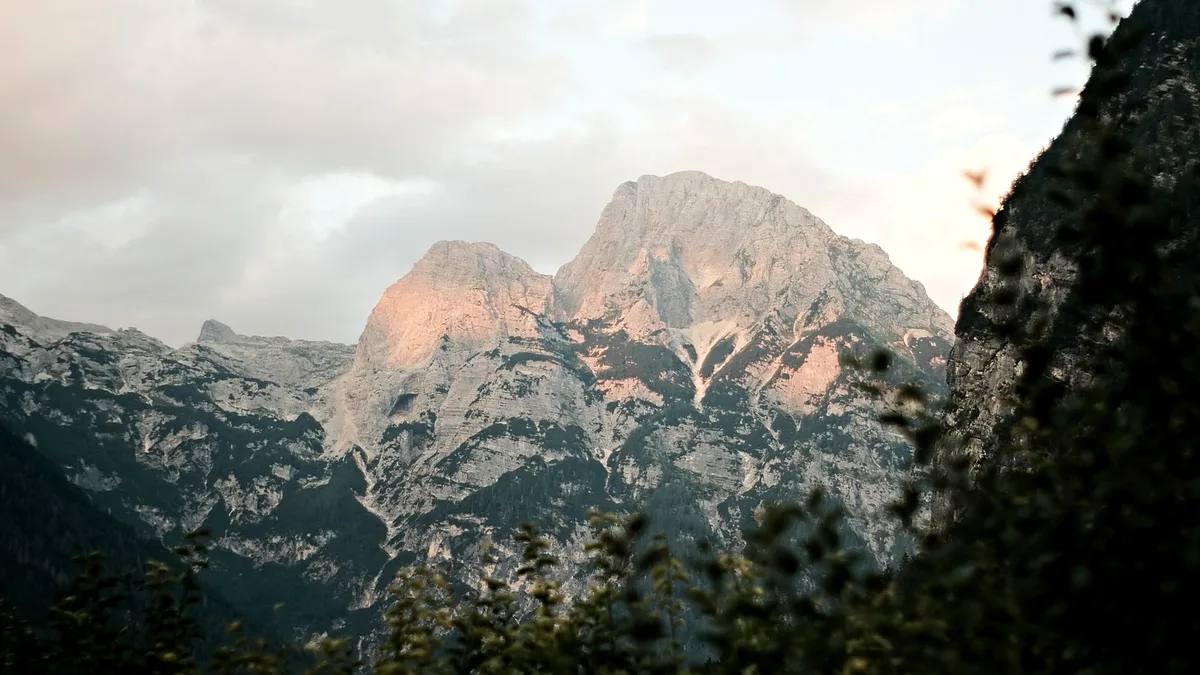
If you want Baroque squares at a third of the price, with a 2,864-meter mountain as the backdrop, keep reading. This is the swap worth making — with caveats.
Unlimited High-Speed International Travel eSIM
Connect in seconds across 180+ destinations. Instant QR code activation with zero roaming surcharges.

Side-by-Side Comparison Scorecard
| Feature | Vienna | Julian Alps |
|---|---|---|
| Average Daily Cost (Stay + Meals) | €180–220 (~$195–240) per person: mid-range hotel plus two restaurant meals | €100–125 (~$110–135) per person: guesthouse or 3-star plus two meals |
| Atmosphere & Aesthetic | Imperial Baroque and 19th-century Ringstrasse grandeur; flat, urban, 1.9 million residents; coffee-house culture runs the day | Habsburg-era Baroque squares in miniature plus limestone peaks, glacial lakes and beech forest; towns of 5,000 or fewer |
| Crowd Density & Seasonality | Busy May–September and all of December in the Innere Stadt, but spread across 23 districts; works year-round | Heavy day-trip surges at Bled and Vintgar in July–August; near-empty November–April; sweet spots are May–June and September–October |
| Flight & Transit Accessibility | Vienna Airport (VIE), nonstop from most of Europe and the US East Coast; 16-minute CAT train or €4.40 S-Bahn to the center; no car needed | Ljubljana (LJU) is 35–50 minutes away with Ryanair, easyJet and Wizz; Venice, Treviso and Klagenfurt also work. A rental car is close to essential |
| Best For | Museums, opera, Christmas markets, architecture nerds, non-drivers, winter city breaks | Hikers, swimmers, photographers, drivers, budget couples, anyone chasing mountain silence |
Scenery & Atmosphere: How Similar Are They Really?
Closer than you'd think, and not by accident. Both places were shaped by the same Habsburg administration, the same Catholic building programs, and the same 17th-century Baroque fashion for onion domes and pastel facades. Walk into Linhart Square in Radovljica and you're looking at the same architecture as Vienna's old town, just shrunk to two streets and 400 residents.
The strongest link is a man, not a building. Architect Jože Plečnik trained in Otto Wagner's Vienna studio and designed the Zacherl House there before returning home to remake Ljubljana — its Triple Bridge, its market colonnades, its national library. Ljubljana is a 40-minute drive from the Alps, so you can do a Plečnik morning and a mountain afternoon in the same day.
Where Vienna gives you grand boulevards, the Julian Alps gives you vertical drama. Lake Bled's island church — the Pilgrimage Church of the Assumption of Mary, rebuilt in Baroque style after the 1698 earthquake — sits under a cliff-top castle with the Karavanke range behind it. Bohinj's St John the Baptist church holds 15th-century frescoes and a view of Triglav. Kranjska Gora still has its Austro-Hungarian villa row along the Pišnica river.
The honest difference: Vienna is a city you wander. The Julian Alps is a landscape you drive, hike and swim through, with villages attached. Nightlife ends at 10pm. Nobody is staging an opera.
The Wallet Test: Real Cost Breakdown
Here's what things actually cost in each place, based on mid-season 2025 prices. Vienna figures are for the Innere Stadt and adjacent districts; Julian Alps figures are for Bled, Bohinj and Kranjska Gora.
| Item | Vienna | Julian Alps |
|---|---|---|
| 4-star double room, mid-season | €150–190 (~$165–210) | €95–140 (~$105–155) |
| Guesthouse double, mid-season | €95–120 (~$105–130) | €65–90 (~$70–100) |
| Melange / local coffee | €4.50–5.50 (~$5–6) | €1.80–2.50 (~$2–2.70) |
| Slice of cake | €8 Sacher torte (~$8.70) | €5.50 kremšnita (~$6) |
| Lunch main course | €18–24 (~$20–26) | €12–16 (~$13–17) |
| 0.5L draft beer | €5.20 (~$5.70) | €3.80 (~$4.10) |
| Museum or attraction entry | €18–25 (~$20–27) | €4–26 (~$4–28) |
| 24-hour local transit pass | €5.80 (~$6.30) | €7 Ljubljana–Bled bus, one way |
The pattern is consistent: coffee and cake cost a third as much, accommodation roughly 35% less, restaurant meals about 30% less. Where the savings really stack up is attractions. Triglav National Park entry is free. Lake Bohinj swimming is free. Savica waterfall costs €4. Vienna's big museums sit near €20 a head.
Two line items eat into the savings. First, a rental car: budget €35–50 (~$38–55) per day in Ljubljana, plus a Slovenian e-vignette at €16 for seven days. Second, Bled-specific premiums — the pletna boat to the island runs €18–20 per person, Vintgar Gorge charges around €15 with timed entry, and the Vogel cable car is about €26 return. Even so, a couple spending a week here typically lands €600–800 below the Vienna equivalent.
Rule of thumb: in the Julian Alps, your money buys experiences instead of admissions. In Vienna, it buys admissions.
Crowds, Authenticity, and Tourist Footprint
Vienna absorbs crowds well because it's enormous. Yes, Kärntner Strasse is a scrum in August and the Christmas markets in December are shoulder-to-shoulder after 5pm. But step four streets over into the 7th or 8th district and you're alone with the locals. Vienna's tourism is spread across a city that can carry it.
Bled cannot. The town has around 5,000 residents and receives over a million visitors a year, most of them arriving by coach between 10am and 4pm. The lakeside promenade in August at midday is a queue, not a stroll. Parking is a genuine headache, with hourly rates of €2–3 and lots filling by 9:30am.
The fix is simple and it works: sleep here. Day-trippers leave, and by 6pm you have the lake largely to yourself. Skip the Bled promenade at noon and skip Vintgar Gorge between 11am and 3pm — book the 8am or 4pm timed slot instead. Also skip the horse-drawn carriage rides; they're overpriced and the horses look tired.
For real local texture, head 25 minutes west to Lake Bohinj. It's bigger, quieter, free to swim in, and ringed by villages where people still cut hay in July. Ribčev Laz has a handful of guesthouses and one excellent bakery. That's the version of the Julian Alps worth flying for.
How to Experience the Best of the Julian Alps
Where to base yourself
- Bled, west shore (Mlino): quieter than the center, with the best sunset views and a 15-minute walk to everything. Expect €100–140 for a good double.
- Ribčev Laz, Bohinj: the anti-Bled. Stone churches, swimming jetties, €70–95 guesthouses.
- Radovljica: cheapest of the three, 15 minutes from Bled, with a Baroque old town and a gingerbread museum. Good bus and train links to Ljubljana.
- Kranjska Gora: best for hiking access and the Vršič Pass drive; a bit ski-resort plain in summer.
Signature activities that rival Vienna's set pieces
- Climb the 99 steps to Bled's island church and ring the wishing bell. Tradition says a groom who carries his bride up all 99 gets good luck. €18–20 for the pletna boat.
- Walk the Vintgar Gorge boardwalk through the Radovna canyon. Book a timed slot, go early, and wear shoes with grip.
- Ride the Vogel cable car to 1,537 meters for the classic Triglav view, then walk down through alpine pasture.
- Drive the Vršič Pass — 50 numbered hairpins, a 1,611-meter summit, and the 1916 Russian Chapel built by WWI prisoners of war.
- Day-trip to Ljubljana for the Plečnik architecture and a proper city lunch. Buses run hourly from Bled for about €7.
What to order
Start with štruklji — rolled dumplings, sweet or savory, €8–12. Follow with Bohinj trout or a Kranjska klobasa, the protected local sausage. Finish with kremšnita, the vanilla-custard slab that Bled has been serving since 1953; €5.50 at the source. Drink Laško or Union beer, and try a Rebula white from nearby Goriška Brda if you find one on a list.
Who Should Still Choose Vienna?
Plenty of people, and they should ignore the savings. If your trip depends on museums, opera, or a concert calendar, Vienna wins outright — the Julian Alps has no equivalent to the Staatsoper's €4 standing room or the Albertina's collection.
Non-drivers should also stay put. Getting around the Alps without a car means buses that run four times a day and stop at 7pm, which quietly kills the experience. The same goes for wheelchair users: Vienna's transit and museums are genuinely accessible, while Slovenian mountain guesthouses often aren't.
Then there's the calendar. From November to April, valley towns sit at 500 meters under grey skies and wet snow, half the restaurants close, and Bled looks tired. Vienna in December is one of Europe's great spectacles. Choose the original if you want Christmas markets, a guaranteed indoor plan, fine dining, or a trip where weather can't ruin your day.
Frequently Asked Questions
Is the Julian Alps actually cheaper than Vienna?
Yes, by roughly 40% on a like-for-like mid-range trip. Expect €100–125 (~$110–135) per person per day in Bled or Bohinj versus €180–220 (~$195–240) in Vienna. The gap narrows once you add a rental car at €35–50 per day plus the €16 e-vignette.
Can you visit the Julian Alps without a car?
Partly. Buses connect Ljubljana to Bled and Bohinj, and Bled itself is walkable. But reaching Vršič Pass, Pokljuka, or the quieter valleys without a car is slow and limiting. If you can't drive, treat Bled as a two-night stop rather than a full week.
When is the best time to visit the Julian Alps instead of Vienna?
Late May to mid-June and September to early October. You get 20–25°C days, open trails, swimmable lakes, and none of the August coach-tour crush. Mid-July to August is glorious but crowded; November to April is cheap and mostly shut.
Is Lake Bled too touristy to be a real Vienna alternative?
Bled over the lunch hour, yes. Bled at 7pm, no. Stay overnight, use Bled as a base rather than a destination, and spend your days at Bohinj, Pokljuka, and Radovljica. That combination delivers the Habsburg architecture and the mountain scenery without the queue.